
Beverages
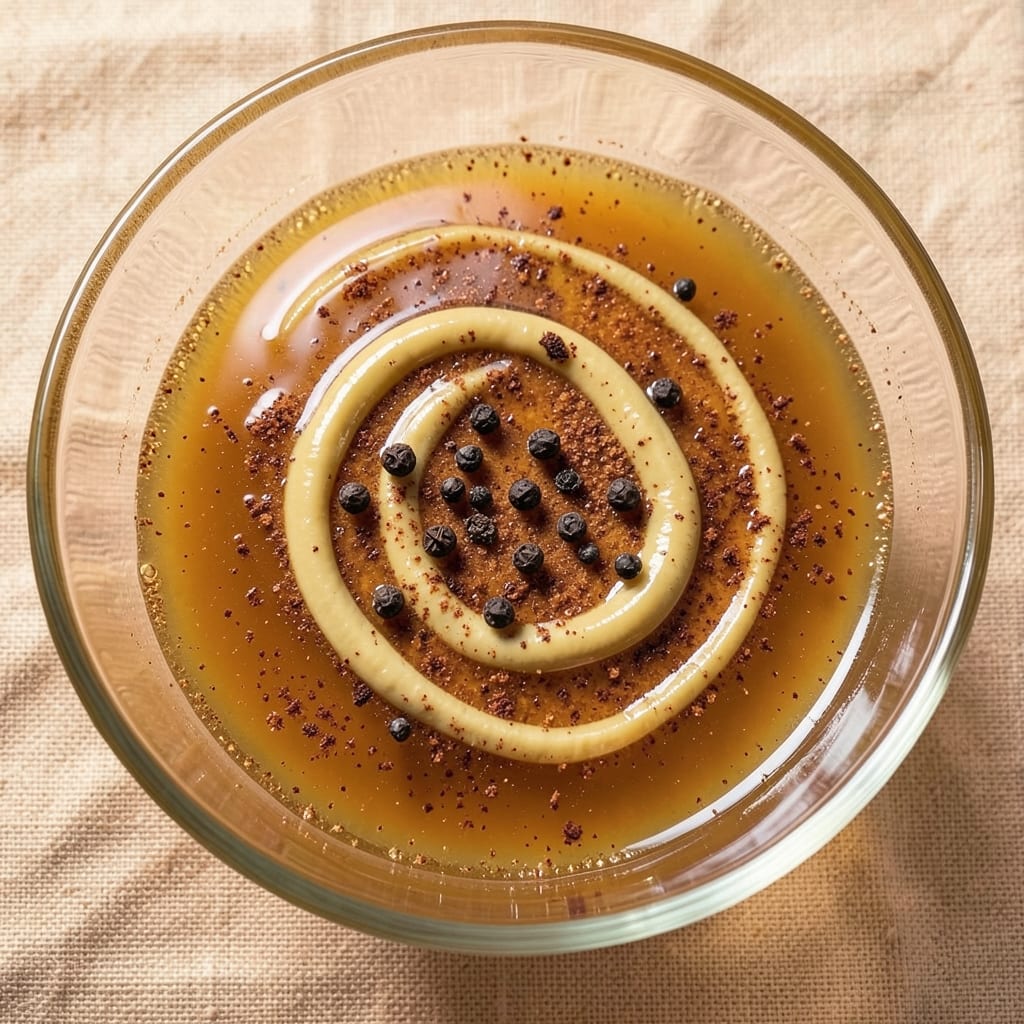
This apple cider marinade recipe transforms tough cuts into melt-in-your-mouth perfection with its sweet-spiced blend. The combination of apple cider, vinegar, and warm spices creates a tenderizing magic that works wonders on grilled meats, poultry, or even vegetables. I developed this marinade after years of experimenting with fall flavors, and it never fails to deliver restaurant-quality results at home.
The beauty of this marinade lies in its simplicity—just five core ingredients that pack a flavor punch. Apple cider provides natural sweetness and acidity, while vinegar enhances tenderness and depth. A touch of brown sugar caramelizes during grilling, adding a subtle richness that complements any protein. The spices—cinnamon, mustard, and black pepper—create a warm, aromatic profile that pairs beautifully with everything from pork chops to chicken thighs.
What makes this marinade truly special is its dual-purpose nature: it tenderizes while infusing deep, complex flavors. The acidity breaks down tough fibers, while the spices and sweetness create a caramelized crust when grilled. Whether you're preparing for a weekend barbecue or a weeknight dinner, this marinade elevates simple ingredients into something extraordinary. The best part? It keeps well in the fridge for up to a week, so you can always have a flavor boost on hand.
Use this marinade for grilled meats, roasted vegetables, or even as a glaze—its versatility makes it a must-have in your kitchen. The instructions will guide you through the perfect balance of sweet, spicy, and tangy, ensuring every bite is packed with flavor. Let's get started on creating your next standout meal.
Ingredients for apple cider marinade
Five ingredients, infinite flavor potential—this marinade turns simple proteins into showstoppers.
| Ingredient | Amount | Notes |
|---|---|---|
| Unsweetened Apple Cider 🍎 | 1 cup | 100% pure, no sugar added |
| Red Wine Vinegar 🍷 | ½ cup | Bold, dry variety preferred |
| Light Brown Sugar 🍚 | ¼ cup | Packed, not spooned |
| Ground Cinnamon 🌿 | 1 tbsp | Freshly ground for warmth |
| Dijon Mustard 🌶️ | 1 tbsp | High-quality, smooth texture |
| Ground Black Pepper 🌶️ | ½ tsp | Freshly cracked for intensity |
| Kosher Salt 🧂 | ½ tsp | Diamond Crystal preferred |
| Garlic Cloves 🧄 | 2 cloves | Minced for aromatic depth |
| Fresh Rosemary 🌿 | 1 tbsp | Finely chopped, stems removed |
The apple cider is non-negotiable here—look for 100% pure, unsweetened varieties at Whole Foods or Trader Joe's for the best quality. Mott's is a solid grocery store option, but avoid anything with added sugar. The vinegar should be bold and dry—avoid balsamic or malt vinegar, which can overpower the delicate balance. Freshly ground cinnamon makes a world of difference, so if you've got whole sticks, toast and grind them yourself. The Dijon mustard should be smooth, not grainy—Amoy or Maille are my go-tos. For the garlic, peel and mince just before adding to prevent bitterness.
No apple cider? Crisp white wine or extra apple juice works in a pinch, but the acidity will be slightly different. Swap the red wine vinegar for balsamic if you must, but reduce to 0.375 cup to avoid overpowering. The brown sugar can be substituted with maple syrup or honey (though honey isn't vegan), but the caramelization won't be as pronounced. For a spicier kick, add 0.25 tsp cayenne—trust me, it disappears into the marinade beautifully. If you're short on time, dried rosemary at half the amount works, but fresh is worth the extra minute.
This marinade keeps like a dream—up to 1 week in the fridge in an airtight container. The flavors actually deepen over time, so make extra if you're planning multiple meals. For best results, marinate proteins for 4-12 hours—never exceed 24 hours, as the acidity can start breaking down the meat. Store leftovers in small portions—freeze for up to 3 months if you won't use them within the week. Pro tip: reserve 2 tbsp before marinating to use as a glaze—simply simmer it down with a splash of water for a sticky, caramelized finish.
Why You'll Love This Recipe
- Five-Ingredient Magic: I swear by this combo—just whisk, wait, and go. No peeling, no chopping, no fancy tools. The apple cider and vinegar do the work while I sip my coffee.
- Sweet Heat Balance: That cinnamon and Dijon mustard team up for a flavor punch you’ll taste in every bite. It’s tangy, just a little sweet, and always leaves me wanting more.
- Weeknight to Holiday: Slather it on grilled chicken for Tuesday, then use the same batch for roasted pork at Thanksgiving. Honestly, it’s my secret for making ordinary meals feel special without extra effort.
- Marinade That Multiplies: Make a double batch—it keeps for weeks in the fridge. I use the first for ribs, the second for brussels sprouts. Zero waste, maximum flavor, and my wallet stays happy.
Step-by-step instructions for apple cider marinade
Here's how to craft a marinade that transforms tough cuts into melt-in-your-mouth perfection.
Combine the Wet Ingredients
In a medium mixing bowl, pour in the 1 cup unsweetened apple cider and 0.5 cup red wine vinegar. The apple cider provides natural sweetness and acidity, while the vinegar adds tangy depth. Stir these together until fully blended—you should see a light golden liquid forming. I like to use a whisk for this step to ensure everything integrates smoothly.
Next, add the 0.25 cup light brown sugar (packed) and the 1 tablespoon Dijon mustard. The sugar will dissolve slowly, creating a syrupy base that coats proteins beautifully. The Dijon mustard adds complexity and helps tenderize the meat. Stir vigorously for about 30 seconds until the sugar is completely dissolved and the mixture is homogeneous.
Incorporate the Aromatics and Seasonings
Add the 2 cloves minced garlic and 1 tablespoon finely chopped fresh rosemary to the bowl. The garlic will infuse the marinade with its pungent, savory notes, while the rosemary brings a piney freshness that pairs beautifully with apple cider. Stir well to distribute these ingredients evenly throughout the liquid.
Now, add the 1 tablespoon ground cinnamon, 0.5 teaspoon ground black pepper, and 0.5 teaspoon kosher salt. These spices create a warm, aromatic profile that complements the sweet and tangy base. Stir until all the dry ingredients are fully incorporated and the marinade has a rich, spiced appearance. The cinnamon might settle slightly, but that's normal—it'll distribute as you use the marinade.
Test and Adjust the Flavor
Taste the marinade and adjust the seasoning if needed. If it tastes too sweet, add a splash more of the red wine vinegar. If it needs more depth, sprinkle in a pinch more of the kosher salt or black pepper. The goal is a balance of sweet, tangy, and spiced flavors that will penetrate the meat beautifully.
This marinade works best when used within 24 hours of preparation, so you can make it ahead of time and store it in the refrigerator. Give it a good stir before using, as the flavors will meld even more overnight. The apple cider marinade is particularly effective on pork chops, chicken thighs, or beef ribs, but it works wonders on almost any protein you grill or roast.
Apply to Meat and Marinate
Place your protein in a resealable plastic bag or shallow dish. Pour the marinade evenly over the meat, ensuring it's fully coated. For best results, marinate for at least 4 hours, but I recommend overnight for maximum tenderness and flavor infusion. If using a bag, seal it tightly and massage the marinade into the meat to ensure even coverage.
When ready to cook, remove the meat from the marinade and let it sit at room temperature for 15-20 minutes before grilling or roasting. This step ensures even cooking. The marinade will caramelize beautifully on the grill, creating a sweet, spiced crust that pairs perfectly with the tender meat underneath. Don't discard the leftover marinade—simmer it down to create a delicious glaze for drizzling over the finished dish.
Pro Tips For Making Apple Cider Marinade
- STIR BEFORE MEASURING: The brown sugar clumps like a stubborn guest at a party—no matter how hard you shake the bag. Tap the bag first, then scoop and level it off with a butter knife. (Yes, even if you’re impatient like me.)
- WHISK THE MUSTARD FIRST: Dijon mustard has a mind of its own—it’ll sit like a lump in your marinade if you toss it in dry. Mix it with the vinegar first, then add the cider and sugar. This keeps the flavors from separating later, and your meat won’t end up with mustard pockets.
- DON’T SKIP THE SIMMER: If you’re using this marinade for roasting or grilling, simmer it for 5 minutes first. The cinnamon needs to bloom, and the sugar will dissolve properly—otherwise, you’ll end up with gritty bits clinging to your food. (I learned this the hard way after biting into a sugar-crystal surprise.)
- USE A SPLASH OF WATER: The cider and vinegar ratio can get thick fast, especially with brown sugar. Add 1 tablespoon of water to loosen it up—just enough to coat the back of a spoon. This helps the marinade cling better to whatever you’re cooking, and it’s easier to brush on. (Your future self will thank you.)
Dietary considerations for this dish
Gluten-Free Adaptation
This marinade is naturally gluten-free as written, making it perfect for anyone avoiding gluten. The ingredients—apple cider, vinegar, sugar, spices, and fresh herbs—contain no hidden gluten sources. Always double-check your apple cider label, though, as some brands add malt vinegar or flavorings with gluten. Mott's and Whole Foods 365 unsweetened apple cider are both safe choices. 🌾
Vegan-Friendly Swaps
For a vegan version, simply omit the Dijon mustard (which contains wine) and replace it with 1 tbsp vegan mustard or 1 tbsp apple cider vinegar. The rest of the marinade remains plant-based and delicious. It works wonderfully on portobello mushrooms, tofu, or cauliflower steaks. The caramelized crust forms beautifully on these veggie proteins, too!
Diabetic Considerations
If you're watching carbs, reduce the brown sugar to 1 tablespoon and use sugar-free maple syrup instead. The apple cider already provides natural sweetness, so this adjustment keeps the flavor while lowering glycemic impact. The spices and acidity balance the sweetness perfectly, so you won’t miss the extra sugar. Always check labels on your apple cider for added sugars.
Nut-Free Kitchen
This marinade is nut-free by default, but if you're using it in a shared kitchen, be mindful of cross-contamination. Store ingredients separately and clean surfaces thoroughly before and after use. The spices and vinegar are typically nut-free, but always verify if you're using pre-mixed spice blends. Fresh rosemary and garlic are safe bets—they’re naturally nut-free ingredients!
Low-Sodium Option
For a lower-sodium version, cut the kosher salt to ¼ teaspoon or use no-salt-added apple cider. The acidity from the vinegar and the depth of the spices will still shine through. If you love salt, add it gradually—taste as you go! The Dijon mustard and black pepper provide plenty of flavor without relying on sodium. 🧂
Nutrition facts
Frequently asked questions
Can I use this apple cider marinade on vegetables?
This marinade works beautifully on hearty vegetables like portobello mushrooms, eggplant, or bell peppers. The sweet-spiced blend caramelizes perfectly when grilled, creating a delicious crust. Just marinate for 30-60 minutes (veggies don't need as long as meat) and grill until tender.
How long can I marinate meat in this?
For best results, marinate proteins for 4-12 hours—never exceed 24 hours as the acidity can start breaking down the meat. For tough cuts like pork ribs, overnight works wonders. For delicate fish, stick to 1-2 hours to prevent over-tenderizing.
What's the best way to store leftover marinade?
Transfer any unused marinade to an airtight container and refrigerate for up to 1 week. The flavors actually improve over time! For long-term storage, freeze in ice cube trays—thaw and use within 3 months. Never reuse marinade that's touched raw meat unless boiled first.
Can I make this marinade without brown sugar?
Yes! Swap the brown sugar for 2 tbsp honey or 2 tbsp maple syrup for similar sweetness. The caramelization won't be identical, but you'll still get great flavor. For a sugar-free version, reduce the sugar to 1 tbsp and add ½ tsp vanilla extract for depth.
Why does my marinade look cloudy after mixing?
Cloudiness is normal—it means the spices and sugar haven't fully dissolved yet. Stir vigorously for 1-2 minutes or let it sit for 10 minutes before using. If it's still cloudy, strain through a fine-mesh sieve before applying to prevent gritty texture on your food.