
Beverages
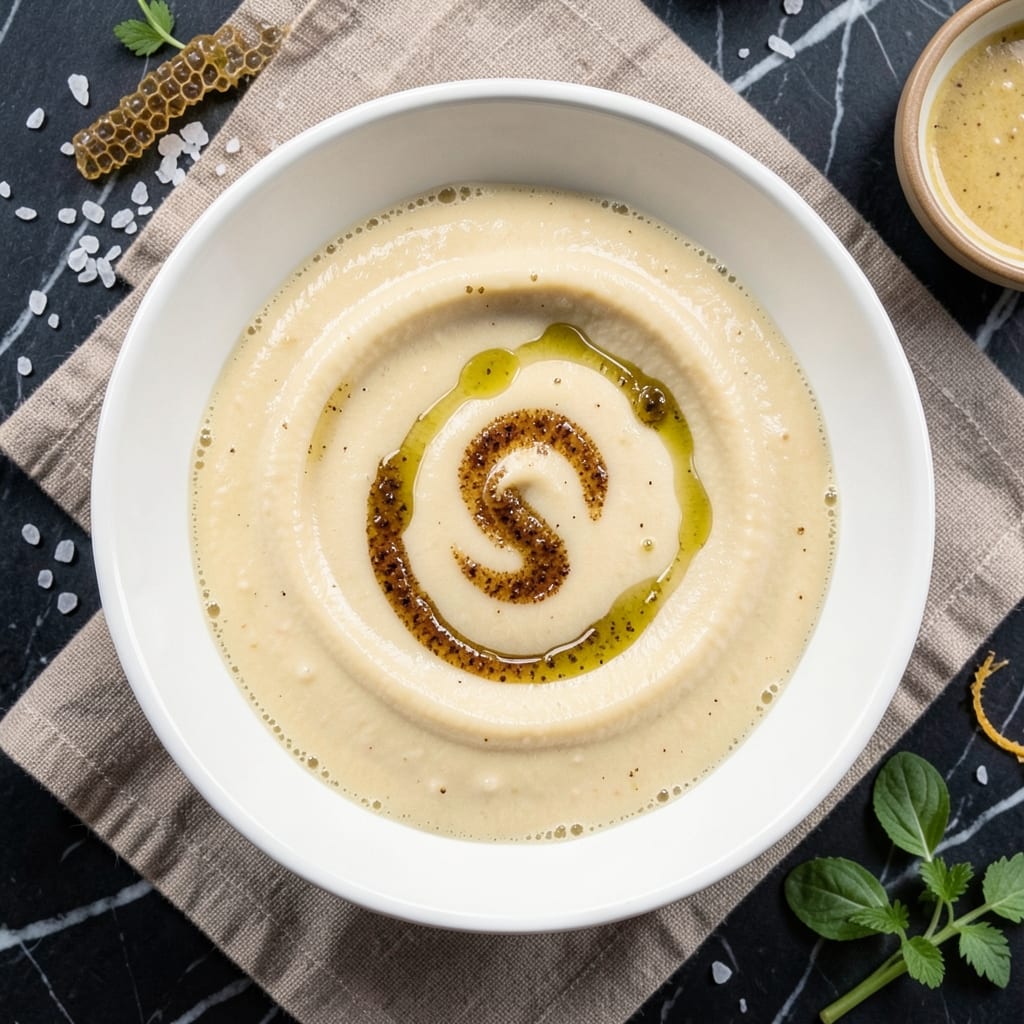
This apple cider vinegar mayonnaise recipe transforms ordinary mayo into a tangy, vibrant condiment that elevates sandwiches, salads, and dips with bright acidity and rich creaminess. The secret lies in balancing raw egg yolks, high-quality oil, and apple cider vinegar—creating a sauce that’s both velvety and zesty, with just a hint of sweetness from a touch of sugar. I developed this version after craving a mayo with more depth than store-bought options, and it’s now my go-to for adding complexity to meals without overpowering flavors.
The process is straightforward but requires precision: emulsifying the ingredients slowly ensures a smooth, stable sauce that won’t separate. Dijon mustard adds a subtle kick, while a pinch of salt and sugar rounds out the flavor profile. What makes this recipe stand out is its versatility—it works as a tangy sandwich spread, a bright dressing for greens, or even a dipping sauce for fries and chips. The apple cider vinegar’s sharpness cuts through richness, making it a perfect match for hearty ingredients like smoked meats, avocado, or crisp vegetables.
Once mixed, this mayonnaise keeps beautifully in the refrigerator for up to a week, allowing you to batch-prep for the week ahead. The texture remains luscious, and the flavor deepens slightly over time, making it even more irresistible. Whether you’re dressing a classic Caesar salad, slathering it on a BLT, or using it as a dip, this tangy twist on mayo brings a restaurant-quality brightness to everyday dishes. Ready to make it? Let’s get started.
For those watching their dietary intake, this recipe can easily be adapted: swap raw eggs for a vegan mayo base, or reduce the oil slightly for a lighter version. The key is balancing the acidity and creaminess, so adjust the vinegar or sugar to suit your taste. This isn’t just mayo—it’s a flavor booster that turns simple meals into something special.
Ingredients for apple cider vinegar mayonnaise
Seven simple ingredients transform ordinary mayo into a tangy, restaurant-quality condiment.
| Ingredient | Amount | Notes |
|---|---|---|
| Large Egg Yolks 🥚 | 2 whole | Freshly separated, room temperature |
| Apple Cider Vinegar 🍎 | 1 tbsp | Raw, unfiltered preferred |
| Dijon Mustard 🌶️ | 1 tsp | High-quality, smooth texture |
| Granulated Sugar 🍚 | ½ tsp | Fine grain preferred |
| Kosher Salt 🧂 | ¼ tsp | Diamond Crystal preferred |
| Avocado Oil 🫒 | 1 cup | Light and neutral flavor |
| Lemon Juice 🍋 | ½ tsp | Freshly squeezed |
The egg yolks are the foundation—freshness matters. Grab them from the back of the fridge where they’ve been stored coldest, and let them sit at room temperature for 10 minutes before using. Trader Joe’s has the best quality eggs in the clear cartons—none of that sad, watery stuff. Apple cider vinegar should be raw and unfiltered for that deep, complex flavor. Bragg’s is my go-to, but any organic brand works. The avocado oil keeps the mayo light and stable, so don’t skimp on quality here—Primal Kitchen or Chosen Foods are both excellent choices.
No Dijon mustard? Yellow mustard at half the amount works in a pinch, but you’ll lose that subtle depth. Running out of avocado oil? Light olive oil or neutral vegetable oil are fine substitutes, though they may impart a slight flavor. The lemon juice can be swapped for more apple cider vinegar if you prefer extra tang, but keep the total acidity balanced. For a lighter version, reduce the oil to 3/4 cup—just be prepared to emulsify more slowly. And if you’re worried about raw eggs, pasteurized eggs work just as well for a safer option.
This mayo keeps beautifully in an airtight jar in the fridge for up to 1 week, with the flavor actually improving as it sits. To store longer, transfer to a sterilized jar and keep it submerged in vinegar—this preserves it for up to 3 months. The texture remains velvety smooth, and the tangy brightness makes it perfect for batch-prepping. For best results, mix it just before serving to maintain that fresh, creamy consistency.
Why You'll Love This Recipe
- Five-Ingredient Magic: I swear by this recipe because it’s that simple—just yolks, vinegar, mustard, sugar, and salt. No fancy emulsifiers or standing around waiting for magic to happen. Honestly, it’s the kind of mayo that makes me feel like a genius for how foolproof it is.
- Tangy Twist: That apple cider vinegar? It’s the secret weapon here. The bright, slightly sweet acidity cuts through richness, giving it this perfect balance—creamy but never heavy, with a little bite that makes every bite feel fresh. I’ll be real: it’s the only mayo I’ll eat now.
- Everyday Upgrade: Slather it on sandwiches, toss it with pasta, or drizzle it over grilled chicken—this stuff works everywhere. Between us, it’s my go-to for quick meals because it turns basic dishes into something that feels intentional. (Yes, even on a Tuesday night.)
- Budget-Friendly Staple: A jar of apple cider vinegar lasts forever, and I’m using it for way more than just this mayo. The yolks stretch far, the sugar is a pinch, and the mustard? A splurge that pays off in flavor. It’s the kind of recipe that makes me feel like I’m getting a gourmet product without the grocery bill.
Step-by-step instructions for apple cider vinegar mayonnaise
This tangy twist on classic mayo delivers bright, creamy perfection every time.
Whisk Egg Yolks Until Pale and Thick
In a medium bowl, whisk the 2 whole Large Egg Yolks vigorously for 2-3 minutes until they're pale yellow and thickened. You'll see the mixture nearly double in volume and become slightly frothy—this emulsification is crucial for that stable, creamy texture. I use a wire whisk for this step because it incorporates more air than a fork.
Here's the thing—room temperature yolks work best. If yours are cold, let them sit at room temperature for 10 minutes before starting. Cold yolks won't emulsify properly with the oil, leading to a broken mayo. Test for readiness by running your finger through the yolks—they should feel slightly tacky, not sticky or dry.
Gradually Add Oil in a Thin Stream
With the whisk moving continuously, very slowly drizzle in the 1 cup Avocado Oil—about 1 teaspoon at a time. This gradual approach is non-negotiable; adding oil too quickly will cause the emulsion to break. You'll notice the mixture first thicken, then suddenly lighten as the oil incorporates.
I like to use a squeeze bottle for this step—it gives me precise control over the oil flow. Stop whisking only when you've added all the oil, and the mixture should be thick and creamy. If it looks curdled or separated at any point, don't panic—just keep whisking vigorously for another 30 seconds to re-emulsify.
Incorporate Vinegar and Acid Components
Add the 1 tbsp Apple Cider Vinegar, 0.5 tsp Lemon Juice, 0.5 tsp Granulated Sugar, and 0.25 tsp Kosher Salt all at once. Whisk for 1-2 minutes until fully combined. The vinegar and lemon juice will brighten the flavor while the sugar balances the acidity. The salt enhances all the flavors, so don't skip this step.
At this point, your mayo should be thick, glossy, and perfectly emulsified. If it's too thick, add 1-2 teaspoons of water and whisk again. If it's too thin, add another 1 teaspoon of avocado oil and whisk until smooth. The texture should coat the back of a spoon without being runny.
Finish with Dijon Mustard for Stability
Add the 1 tsp Dijon Mustard and whisk for 30 seconds to distribute evenly. The mustard acts as a natural emulsifier, helping stabilize the mayo and adding subtle depth to the flavor. This step ensures your mayo stays creamy for days in the refrigerator.
Taste and adjust seasoning if needed. You might want to add a pinch more salt or a splash more vinegar to achieve the perfect balance of tang and creaminess. Transfer the finished mayo to a clean jar or airtight container and refrigerate for at least 2 hours before using—this allows all the flavors to meld completely.
Pro Tips For Making Apple Cider Vinegar Mayonnaise
- Temper the yolks: Warm the egg yolks first—just place them in a heatproof bowl over barely simmering water for 20 seconds. Cold yolks resist emulsification, and this tiny step keeps your mayo from breaking like a bad joke at a dinner party.
- Measure vinegar precisely: Use a scale or measuring spoon for the apple cider vinegar—eyeballing it leads to either a sour pucker or a bland mess. A full 1 tablespoon (15ml) balances the mustard’s sharpness without overpowering the yolks.
- Whisk like you mean it: Start slow with a fork, then switch to a hand mixer when the mixture thickens slightly—this prevents lumps and saves your arm. If it looks curdled, add 1 teaspoon of warm water and keep whisking; it’ll come together.
- Salt in stages: Taste before adding the full salt—some vinegars are saltier than others. Start with half the kosher salt, then adjust; over-salting ruins the delicate balance you’ve worked for, and you can’t fix it.
Common mistakes when making perfect results
Overmixing the Yolks
Whisking the egg yolks too aggressively or for too long introduces too much air, which can cause your mayo to become frothy or even break later. Focus on whisking just until the yolks are pale and slightly thickened—about 2-3 minutes—not until they look like whipped cream. I’ve seen home cooks whip yolks for 5+ minutes, thinking more air equals better texture, but this actually weakens the emulsion. 🥚
Adding Oil Too Quickly
The biggest mistake is pouring the oil in too fast, which prevents proper emulsification and causes separation. Instead, add the 1 cup avocado oil in a slow, steady stream—about 1 teaspoon at a time. If you rush this step, the oil will pool on top or create a broken, curdled texture. I recommend using a squeeze bottle for precise control over the flow.
Skipping the Mustard
Dijon mustard isn’t just for flavor—it acts as a natural emulsifier that stabilizes the mayo. Omitting it can lead to a sauce that separates after just a few hours. Even if you’re not a fan of mustard’s taste, add the 1 tsp and whisk it in thoroughly. It’s the secret to a mayo that stays creamy for days in the fridge.
Using Cold Ingredients
Cold egg yolks or oil can cause the emulsion to fail because they don’t blend smoothly. Always let your yolks sit at room temperature for 10 minutes before starting, and use oil that’s been stored in a warm environment (like your pantry). I’ve had mayo break multiple times because I grabbed cold oil straight from the fridge—don’t make that mistake! 🌡️
Ignoring the Vinegar-to-Oil Ratio
The apple cider vinegar adds tangy brightness, but too much can overwhelm the creaminess, while too little leaves the mayo flat. Stick to the 1 tbsp vinegar measurement and adjust only if needed. If your mayo tastes too sharp, balance it with a pinch more sugar or a splash of water. The goal is harmony, not extreme tang.
Not Testing for Doneness
Before calling your mayo “done,” taste it and check the texture. If it’s too thick, thin it with 1-2 tsp water; if too thin, add 1 tsp more oil. The final consistency should coat the back of a spoon without being runny. I always do a quick taste test mid-whisking to catch any flavor imbalances early—it saves time and frustration later. ✨
Nutrition facts
Frequently asked questions
Why does apple cider vinegar make mayo taste different?
The apple cider vinegar adds bright acidity that cuts through the richness, creating a tangy contrast to traditional mayo. This sharpness enhances flavors in sandwiches and salads, while the slight sweetness from the sugar balances the acid. The vinegar also helps preserve the mayo longer than regular recipes.
Can I use this mayo on hot foods like fries or baked potatoes?
Yes! This tangy mayo holds up well to heat better than store-bought versions. For best results, add it just before serving to maintain creaminess. The apple cider vinegar's acidity actually helps stabilize the emulsion when exposed to warmth, making it perfect for dipping sauces.
How do I fix mayo that's too thick or too thin?
For thick mayo, add 1-2 teaspoons of water and whisk gently. If too thin, incorporate 1 teaspoon of oil at a time while whisking continuously. The texture should coat the back of a spoon without dripping. Pro tip: Let it rest for 10 minutes after adjustments—it often thickens naturally.
What's the best way to store this homemade mayo?
Transfer to an airtight container and refrigerate for up to 1 week. For longer storage, submerge the jar in vinegar (like apple cider vinegar) to preserve it for 3 months. The vinegar's acidity acts as a natural preservative while maintaining that bright, tangy flavor.
Can I make this recipe without raw eggs?
Use pasteurized egg yolks or substitute with 1/4 cup vegan mayo mixed with the other ingredients. For a completely egg-free version, blend 1/4 cup neutral oil, 1 tbsp apple cider vinegar, and 1 tsp Dijon until smooth. The texture will be slightly lighter but still delicious.