
Main Courses
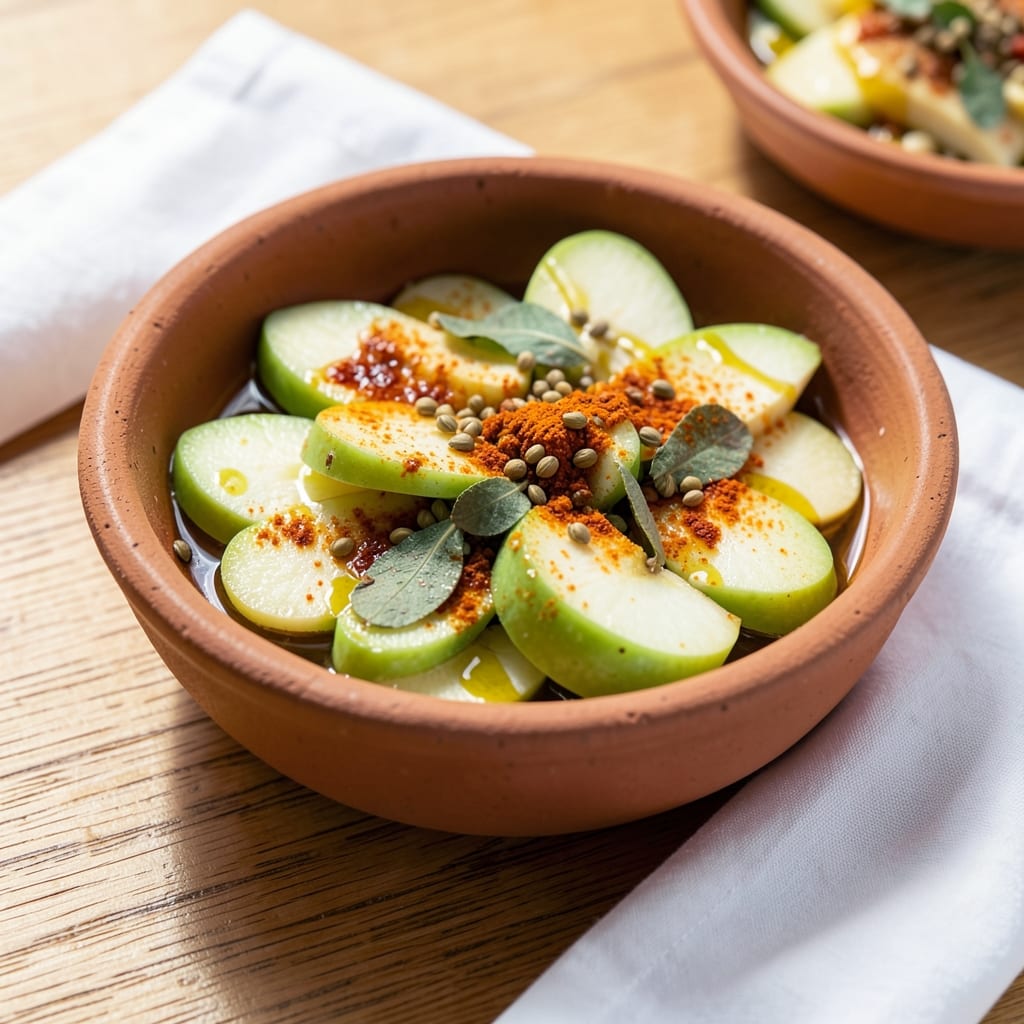
Apple achar recipe Bangla transforms simple apples into a vibrant, tangy-spiced pickle that's a staple in Bengali cuisine. This traditional recipe balances sweetness with fiery spices and aromatic mustard oil, creating a condiment that pairs perfectly with rice, dal, or crispy snacks. The process involves carefully peeling and slicing apples, then simmering them in a fragrant spice blend until tender and infused with flavor.
The magic lies in the spice mix—mustard seeds, turmeric, red chili, and fenugreek leaves—each contributing depth to the final achar. Unlike quick pickles, this version develops richer flavors over time, making it ideal for long-term storage. The mustard oil twist adds a signature Bengali touch that elevates the dish from ordinary to extraordinary.
What you'll end up with is a jar of golden-brown, glossy apples packed with bold spices and a perfect balance of sweet, sour, and spicy. The texture is just right—tender yet firm—with a tangy bite that cleanses the palate. This recipe is vegetarian, gluten-free, and packed with probiotics from the fermentation process, making it both delicious and nutritious.
Perfect for gifting, meal prep, or serving alongside your favorite Bengali dishes. Let's get started on creating this flavorful staple that brings a taste of Bengal to your kitchen.
Ingredients for apple achar recipe bangla
Six spices, four apples, and a touch of mustard oil create this Bengali staple.
| Ingredient | Amount | Notes |
|---|---|---|
| Granny Smith Apples 🍎 | 4 medium | Peeled, sliced into even pieces |
| Mustard Seeds 🌶️ | 2 tbsp | Whole, for tempering |
| Turmeric Powder 🌿 | 1 tsp | Fresh root preferred |
| Red Chili Powder 🌶️ | 1 ½ tbsp | Adjust for heat preference |
| Fenugreek Leaves 🌿 | ½ cup | Fresh, chopped finely |
| Mustard Oil 🫒 | ½ cup | Cold-pressed, for authentic flavor |
| Ginger 🧄 | 1 inch | Fresh, grated |
| Asafoetida (Hing) 🌿 | ¼ tsp | Pinch for aroma |
| Sugar 🍯 | ½ cup | White or jaggery |
| Salt 🧂 | 1 ½ tsp | Adjust to taste |
| Lemon Juice 🍋 | 2 tbsp | Freshly squeezed |
| Cumin Seeds 🌶️ | 1 tsp | Toasted lightly |
| Black Salt (Kala Namak) 🧂 | ½ tsp | For tangy flavor |
The apples are the foundation—Granny Smiths hold up best during the long cooking process. Local Bengali markets often carry them, but any firm, tart apple works. Look for ones without bruises, as they'll stay crisp longer. Mustard oil is non-negotiable for authenticity—Patanjali or Radha Madhav brands are widely available in Indian grocery stores. If you can't find mustard oil, light olive oil works in a pinch, though it won't have the same depth of flavor. The fenugreek leaves? Fresh is essential—dried won't give you that signature achar taste.
No mustard oil? Light olive oil plus a pinch of turmeric mimics some of its earthy notes. Short on fenugreek? Dried fenugreek seeds at half the amount work, but toast them first for better flavor. The red chili powder can be swapped for fresh red chilies (remove seeds for less heat). For a sweeter achar, increase the sugar to 3/4 cup. The black salt adds that signature tangy kick—Himalaya or Diamond Crystal brands are widely available. If you can't find it, extra lemon juice plus a pinch of baking soda gives a similar effect.
This achar tastes even better after 3-4 days of fermenting. Store in a clean, dry glass jar with a tight seal in a cool, dark place. Keeps for up to 2 months in the fridge, or 6 months if you freeze it. I always make a double batch—one for immediate use and one to gift. The flavor deepens over time, so don't rush it. For serving, scoop with a spoon or use it to top puri, dal, or crispy snacks.
Why You'll Love This Recipe
- No-Chop Nightmare: I swear by this recipe because the apples only need slicing—not dicing or julienning. Toss those Granny Smith wedges in whole, and the turmeric and chili powder work their magic without fuss. Honestly, I’ve made it after a long day when I didn’t even peel the apples—just scrubbed and sliced.
- Tangy Crunch Magic: That first bite of crisp apple with the mustard seeds popping and fenugreek leaves adding earthy depth? Ridiculously good. The red chili powder gives it a slow-building heat, but the sweet-tart apples keep it balanced—like a party in your mouth that doesn’t overstay its welcome.
- Party Snack or Side: Between us, this is my go-to for potlucks, picnics, or just snacking straight from the jar. Serve it with samosas, pair it with cheese, or eat it with roti—it’s that versatile. I’ve even gifted jars to neighbors, and they always ask for more.
- Zero-Waste Pantry Hero: The ingredients? Stuff I already have. A few apples, a pinch of spices, and fenugreek from my herb garden (or the store). It keeps for weeks in the fridge, so I make a big batch and use it in curries, rice dishes, or just as a quick pickle. Budget-friendly doesn’t even begin to cover it.
Step-by-step instructions for apple achar with mustard oil
Here's how to create this vibrant, tangy apple achar with perfect balance and authentic flavor.
👨🍳 Step 1: Prepare the Apple Base
Begin by peeling the 4 medium Granny Smith apples and slicing them into even, thin pieces about ¼-inch thick. I find using a mandoline gives the most consistent slices, but a sharp chef's knife works too. The apples should be uniform in size so they cook evenly throughout the achar process.
Transfer the sliced apples to a large mixing bowl. In a small bowl, whisk together the 0.5 cup sugar, 1.5 tsp salt, and 2 tbsp freshly squeezed lemon juice. Pour this mixture over the apples and toss gently to coat them completely. Let this sit for 15 minutes while you prepare the remaining ingredients - this allows the sugar to begin drawing out moisture from the apples.
🍳 Step 2: Create the Spice Tempering
Heat the 0.5 cup mustard oil in a small saucepan over medium-low heat. Add the 1 tsp cumin seeds and let them sizzle for about 30 seconds until they begin to pop and turn golden. Immediately remove from heat and let them cool for 1 minute - this prevents the oil from becoming bitter.
In a separate small bowl, combine the 1.5 tbsp red chili powder, 1 tsp turmeric powder, 0.25 tsp asafoetida (hing), and 0.5 tsp black salt (kala namak). Add the cooled tempered oil to this spice mixture and stir well to create a smooth paste. The spices should be fully incorporated without any dry powder remaining.
🥘 Step 3: Combine and Cook the Achar
Transfer the apple mixture to a heavy-bottomed pot and bring to a gentle simmer over medium heat. Cook uncovered for 15-20 minutes, stirring occasionally, until the apples soften slightly but still retain their shape. You'll know it's ready when they release their juices and the mixture thickens slightly.
Once the apples are tender, stir in the spice-oil mixture and the 0.5 cup finely chopped fenugreek leaves. Add the 1 inch freshly grated ginger and cook for another 5 minutes, stirring constantly. The mixture should become vibrant orange-red in color and develop an aromatic fragrance that fills your kitchen.
⏰ Step 4: Finish and Store Properly
Remove the pot from heat and let the achar cool to room temperature. This cooling period allows the flavors to meld completely. Once cooled, transfer the achar to clean, sterilized glass jars, pressing down gently to eliminate air pockets. The mustard oil will rise to the top as it cools.
Seal the jars tightly and store in a cool, dark place. This achar will continue to develop deeper flavors over the next 24 hours. For best results, consume within 2 weeks. The mustard oil will give it that distinctive tangy flavor that makes this achar so special - don't be tempted to skip it!
Pro Tips For Making Apple Achar Recipe Bangla
- Peel Apples Thin: Granny Smiths have thick skins that resist flavor—slice off just the outer layer with a sharp knife, not the whole peel. I learned this the hard way when my first batch tasted like chewing on apple bark.
- Bloom Turmeric First: Heat the oil until mustard seeds pop, then toss in turmeric before adding chili. This prevents bitter flavors—my grandmother swore by this, and she was right: the color deepens, and the achar stays vibrant.
- Dry Fenugreek Leaves: Pat them with a paper towel to remove excess moisture before cooking. Wet leaves burn faster and lose their earthy aroma—skip this, and you’ll end up with a smoky, uneven texture.
- Cook Apples Low and Slow: After the initial tempering, reduce heat to medium-low and let the apples soften for 10-12 minutes. Rushing this step makes the achar mushy instead of tender with bite—yes, even if you’re impatient like me.
Flavor customization for this apple achar recipe bangla
Sweet Heat Balance
Adjust the sugar-to-chili ratio to suit your taste. For a sweeter achar, increase the sugar to ¾ cup and reduce red chili powder to 1 tbsp. If you prefer extra heat, swap the red chili powder for fresh green chilies (seeds removed for less intensity). I find 1 tbsp fresh chili paste (like Penzeys brand) adds a smoother, fruitier heat compared to powder. 🌶️
Mustard Oil Variations
Mustard oil is non-negotiable for authenticity, but you can experiment with light olive oil or sesame oil if unavailable. For a milder flavor, blend ¼ cup mustard oil with ¼ cup neutral oil (like avocado oil). If using sesame oil, add ½ tsp asafoetida to mimic mustard oil’s pungency. Always temper the oil with spices to prevent bitterness.
Fruit Swaps
While Granny Smith apples are ideal, Braeburn or Fuji apples work well for a sweeter achar. For a tropical twist, swap apples for pears or pineapple chunks—reduce sugar to ¼ cup and add 1 tsp cardamom for warmth. Mango achar is another classic—use ripe mangoes and reduce cooking time to 10 minutes to preserve texture. 🍍
Spice Depth Boosters
For extra aroma, add ½ tsp fennel seeds while tempering the oil. Star anise (½ pod) or cloves (2-3) infuse a subtle sweetness. If you love umami, stir in 1 tbsp tamarind paste at the end for a tangy depth. Curry leaves (5-6) add a citrusy note—crush them lightly before adding to release their oils.
Fermentation Tweaks
For a lighter, quicker achar, skip fermentation and store in the fridge for 3-4 days. For deep fermentation (like traditional Bengali achar), leave at room temperature for 48 hours, then refrigerate. The longer it ferments, the tangier and probiotic-rich it becomes—ideal for gut health. I often ferment mine for 3 days for maximum flavor. ⏳
Serving Style Upgrades
Serve achar warm with steaming rice or dal for a comforting meal. For a crunchy contrast, top with toasted cumin seeds or chopped peanuts. Pair with spicy papadums or bhel puri for a street-food vibe. Cold achar works well as a yogurt dip—mix with Greek yogurt and mint leaves for a refreshing snack. 🍚
Nutrition facts
Frequently asked questions about Bengali apple achar
Can I use any type of apple for this recipe?
Granny Smith apples work best because their tartness balances the spices perfectly. For a sweeter version, try Braeburn or Fuji apples, but reduce the sugar to ¼ cup to avoid an overly sweet achar. Avoid overly soft varieties like Red Delicious—they won't hold up during cooking.
Why does the recipe call for mustard oil?
Mustard oil is essential for authentic Bengali flavor—it adds a signature pungent aroma and depth that regular oils can't replicate. If unavailable, blend it with neutral oil (like avocado) at a 1:1 ratio, but the taste won't be identical. Always temper the oil with spices to prevent bitterness.
How long should I ferment the achar?
For best results, ferment for 3-4 days at room temperature before refrigerating. This develops deeper flavors and probiotic benefits. For a quicker version, store in the fridge for 3 days without fermentation. Over-fermenting can make it too tangy—taste after 24 hours to adjust.
Can I make this achar without fenugreek leaves?
Yes! Use ½ tsp dried fenugreek seeds instead, but toast them first for better flavor. For a different taste, swap with ½ cup chopped cilantro or 1 tbsp coriander leaves, though the flavor will be milder. Fenugreek is key for that signature achar taste, but these alternatives work in a pinch.
How do I adjust the spice level?
For less heat, reduce red chili powder to 1 tbsp or use ½ tsp mild paprika. For extra spice, add 1 tbsp fresh green chili paste (seeds removed) or ½ tsp cayenne pepper. Always taste before storing—you can't remove excess spice once the achar is made.