Desserts
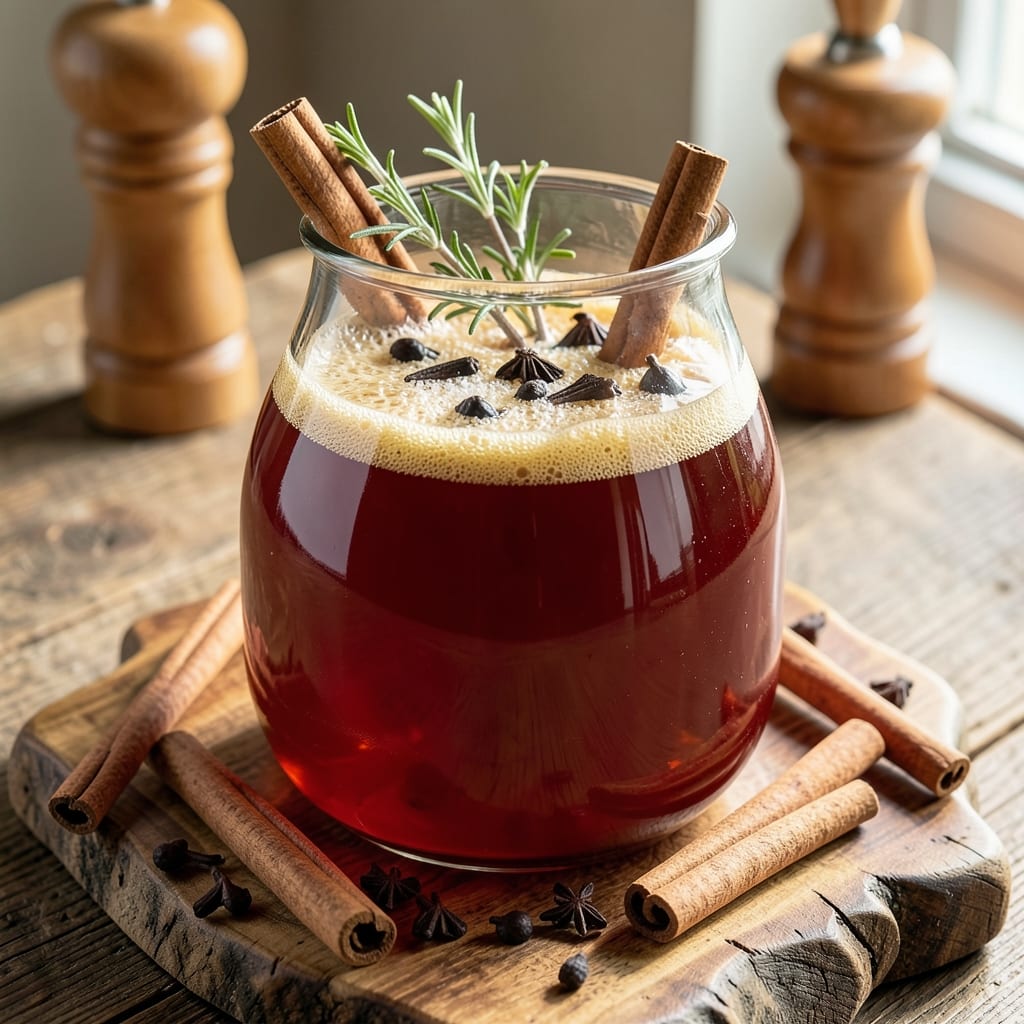
This apple ale homebrew recipe transforms crisp fall apples into a rich, spiced fermented ale that tastes like autumn in a glass. The process combines traditional homebrewing with seasonal flavors, creating a beverage that's both sophisticated and approachable. Unlike store-bought versions, this recipe lets you control the sweetness, spice levels, and fermentation time for a truly custom experience.
At its core, this recipe builds on classic apple cider fermentation techniques but elevates them with homebrewing precision. You'll start with fresh apple juice (or concentrate) and malt extract for body, then add yeast and hops to create depth. The spice blend—cinnamon, cloves, and allspice—adds warmth without overpowering, while careful fermentation ensures proper alcohol development. For beginners, the step-by-step process breaks down each stage clearly.
What you'll achieve is a perfectly balanced apple ale with vibrant apple flavors, subtle spice notes, and a smooth, slightly effervescent finish. The color will be deep amber with a golden hue, and the aroma will carry warm baking spices that transport you straight to a cider orchard. This isn't just a drink—it's a craft beverage you can proudly serve at gatherings or enjoy solo by the fire.
The beauty of this recipe lies in its flexibility. You can adjust the spice levels to your taste, experiment with different apple varieties, or even add orange peel for brightness. Proper sanitation and fermentation control ensure safety while delivering consistent results. Whether you're brewing for the first time or refining your craft, this recipe delivers professional-quality apple ale at home.
Ingredients for apple ale homebrew
Fresh apples, malt, and spices transform into a rich, spiced apple ale with perfect balance.
| Ingredient | Amount | Notes |
|---|---|---|
| Fresh Apple Juice 🍎 | 4 cups | Unfiltered, pasteurized preferred |
| Light Malt Extract 🍺 | 1 ½ cups | Liquid form for smooth blending |
| Granulated White Sugar 🍚 | 1 ½ cups | For fermentation fuel |
| Ale Yeast (US-05 or London III) 🍄 | 1 package | For clean fermentation profile |
| Cinnamon Sticks 🌿 | 2 whole | For aromatic depth |
| Whole Cloves 🌶️ | 10 pieces | Lightly crushed for spice release |
| Allspice Berries 🌶️ | 5 pieces | Crushed for warmth |
| Hops Pellets (Cascade or Fuggles) 🌿 | ½ oz | For bitterness balance |
| Campden Tablets 💊 | 1 tablet | Sanitizes juice (use carefully) |
| Filtered Water 💧 | 1 gallon | Chlorine-free for brewing |
| Lemon Juice 🍋 | 1 tbsp | Acidifies for yeast health |
| Orange Peel 🍊 | 1 tbsp | Dried, for citrus brightness |
The apple juice is the heart of this brew. Local orchard juice has the best flavor, but pasteurized store-bought works too—just avoid anything with preservatives. Malt extract from Brewers Supply Group gives that malty backbone, and trust me, light malt extract is the way to go for crispness. The Campden tablets? Handle with care—one tablet per gallon, dissolve in a little water, then add to the juice. This sanitizes everything and prevents off-flavors. For the spices, Whole Foods or Penzeys carry the best quality whole spices—none of that dusty pre-ground stuff.
No Campden tablets? Potassium metabisulfite powder works at one-quarter teaspoon per gallon, but follow the same dissolving method. Running short on cloves? Allspice berries alone can carry the warmth, but you'll miss that classic cinnamon-clove combo. The hops might be tricky to find—Homebrew supply stores stock Cascade or Fuggles pellets. If you're using fresh orange peel, zest from 1 organic orange works perfectly. The yeast package is non-negotiable—US-05 or London III are the gold standards for clean fermentation. Skip the cheap stuff, it'll ruin your batch.
Once fermented, this keeps 2-3 months in the fridge, but honestly, it's best enjoyed fresh. The yeast sediment will settle, so always pour carefully. For a second batch, save 1 cup of the fermented ale—it's packed with flavor and yeast for your next brew. The spices? Store them in a cool, dark place in airtight containers. They'll last 6-12 months that way, ready for your next homebrew adventure.
Why You'll Love This Recipe
- Fridge-to-Fermenter Fast: I swear, this takes less time than waiting for takeout. Just boil juice, mix in malt extract and sugar, toss in those cinnamon sticks for warmth, pitch the yeast, and let it do the work—no stirring, no fuss.
- Apple-Cider Magic: That first sip? Like autumn in a glass, but with a crisp, slightly effervescent kick. The malt extract rounds out the tartness of fresh apple juice, while the yeast gives it just enough fizz to make it feel special—no fancy ingredients, just pure flavor.
- Tailgate or Teacup: Between us, this is my go-to for game days, picnics, or even a quiet night in. Serve it warm with a cinnamon stick for cozy vibes, or chill it for a refreshing twist on cider—no rules, just flexibility.
- Pantry Stash Wins: Honestly, the ingredients cost less than a fancy beer run. And once you’ve got a batch brewing, you’ve got weeks of homemade apple ale on hand—no last-minute store trips, no overpriced growlers. Just open, pour, repeat.
Step-by-step instructions for crafting apple ale
Transform simple apple cider into a rich, spiced ale with this precise fermentation process.
Sanitize and Prepare Your Brewing Equipment
Begin by thoroughly sanitizing all equipment—fermentation vessel, airlock, spoon, and measuring tools—using a no-rinse sanitizer like Star San. This critical step prevents contamination that could ruin your entire batch. I like to soak everything for 10 minutes while I prepare the ingredients, ensuring a clean workspace.
In a sanitized pot, combine the 1 gallon filtered water with the 1 tablet Campden Tablets, crushing it gently to dissolve completely. Heat the mixture to 170°F and hold for 20 minutes to fully sanitize the water. Let it cool to room temperature—this step kills wild yeast and bacteria that could compete with your ale yeast.
Combine and Steep the Spices
In your sanitized fermentation vessel, add the 4 cups fresh apple juice, 1.5 cups light malt extract, 1.5 cups granulated white sugar, 1 tbsp lemon juice, and 1 tbsp orange peel. Stir gently to dissolve the sugar completely—you should see a smooth, golden liquid with no grainy residue.
Add the 2 whole cinnamon sticks, 10 pieces whole cloves, and 5 pieces allspice berries (lightly crushed between two spoons). These spices will infuse the ale with warm, aromatic notes. Cover the vessel loosely with a clean cloth and let the mixture steep at room temperature for 24 hours, stirring once daily to release the essential oils.
Boil and Add Hops for Bitterness
After steeping, strain the spiced liquid through a fine-mesh sieve into your sanitized pot, pressing gently on the spices to extract maximum flavor. Bring the liquid to a rolling boil and add the 0.5 oz hops pellets. Boil for 10 minutes, which will add the necessary bitterness to balance the sweet apple flavors.
Remove the pot from heat and let the liquid cool to 70°F—this temperature range is ideal for yeast activation. I use an instant-read thermometer to monitor the cooling process, as adding yeast to warm liquid can kill it. If cooling too slowly, place the pot in an ice bath to speed up the process.
Pitch the Yeast and Begin Fermentation
Once the wort reaches 70°F, sprinkle the 1 package ale yeast (US-05 or London III) over the surface. Gently stir the yeast into the liquid, ensuring it dissolves completely. Attach the airlock filled with sanitized water and cover the fermentation vessel.
Place the vessel in a dark, temperature-controlled space between 68-72°F for 7-10 days. You'll know fermentation is active when you see consistent bubbling in the airlock—this indicates the yeast is converting sugars into alcohol. I check the specific gravity every 24 hours using a hydrometer; fermentation is complete when it stabilizes at 1.000-1.005.
Condition and Bottle for Carbonation
After primary fermentation, transfer the ale to a secondary fermentation vessel using a sanitized siphon, leaving behind any sediment. Add 1 oz additional granulated white sugar per gallon to prime the ale for carbonation. Attach a new airlock and let it condition for 3-5 days at the same temperature.
Bottle the ale using sanitized swing-top bottles or corked bottles, filling each to 1 inch from the top to allow for carbonation expansion. Store the bottles in a cool, dark place for 2-4 weeks to allow carbonation to develop fully. Once carbonated, your apple ale is ready to enjoy—chill thoroughly before serving to highlight its bright apple and spiced character.
Pro Tips For Making Apple Ale Homebrew
- Chill the Juice First: Pour your fresh apple juice into the fermenter after cooling it to room temp—around 70°F (21°C). I learned this the hard way when my first batch fermented too fast and threw off the yeast, leaving a harsh, unbalanced flavor. Take 10 minutes to ice it down if you’re in a hurry, but don’t skip this.
- Sanitize That Cinnamon: Soak your cinnamon sticks in boiling water for 30 seconds before adding them to the fermenter. This strips off dust and surface bacteria that can cloud your beer later. I used to just toss them in raw, and my batches always had a faint haze—now they stay crystal clear.
- Don’t Rush the Yeast Wake-Up: Stir your yeast into a small cup of warm (not hot) wort first, then let it sit for 10 minutes before adding it to the main batch. I skipped this once and got sluggish fermentation—my ale took three weeks to carbonate instead of two. Patience here saves you time later.
- Measure Sugar by Weight: Use a kitchen scale for the white sugar—1.5 ounces per gallon, not eyeballs. I used to scoop by volume, and my ABVs jumped unpredictably between batches. A cheap scale guarantees consistency, and your carbonation will be spot-on every time.
Regional styles of this apple ale homebrew
New England Style
In New England, apple ale often takes on a drier, crisper profile with a focus on local apple varieties like McIntosh or Cortland. The traditional method here involves longer fermentation times—sometimes up to 14 days—to develop a sharper, more tart finish. I like to add ½ tsp ground nutmeg during the spice steep for a cozy, wintery twist that pairs perfectly with the region's crisp autumn air. 🍂
Midwest Spiced Twist
The Midwest leans into bold, comforting spices with a touch of wintergreen (½ tsp extract) for a nostalgic flavor. This style often uses more malt extract—try 2 cups instead of 1.5—to create a thicker, heartier body. I’ve found that adding 1 star anise pod during fermentation gives it that classic "apple pie" warmth without overpowering the apple. Serve it warm with a cinnamon stick stirrer for the full experience. 🌾
Pacific Northwest Bright
Out West, the focus shifts to lighter, fruit-forward flavors with a hint of honey (½ cup added during fermentation). Pacific Northwest brewers often use organic apples like Honeycrisp or Fuji for their natural sweetness. I recommend reducing the sugar to 1 cup and adding ½ oz Cascade hops for a clean, herbal finish. The result is a refreshing, slightly tart ale that’s perfect for summer sipping. 🌲
Southern Sweet Heat
Southern apple ales embrace sweetness and a kick of heat, often incorporating chocolate or chili for contrast. Add 1 oz dark chocolate chips (70% cocoa) during the boil and ½ tsp cayenne pepper during the spice steep for a smoky-sweet profile. The South also loves stronger spices—double the cloves to 20 pieces—for a bold, aromatic punch. This style is ideal for pairing with fried chicken or pecan pie. 🍗
European Influence
For a true European twist, swap the ale yeast for a Belgian ale strain (like Wyeast 3724) and add 1 tsp coriander seeds during the boil. This creates a drier, more complex ale with earthy undertones. European styles often use less sugar (1 cup) and more malt (2 cups) for a malty backbone. Serve it slightly chilled with a sliced apple garnish for an authentic pub experience. 🍷
Modern Fusion Style
Looking for something fresh? Try a modern fusion with ginger beer—add 1 tbsp fresh ginger juice during fermentation and ½ tsp black peppercorns for a zesty, spicy kick. This style works beautifully with tropical apples like Pink Lady or Jazz. For an extra touch, add 1 oz lime zest during bottling. It’s a bold, unexpected twist that’s perfect for cocktails or sipping neat. 🍹
Nutrition facts
Frequently asked questions
How long does it take to make this apple ale?
The entire process takes about 4-6 weeks from start to finish. The initial fermentation lasts 7-10 days, followed by 3-5 days of conditioning, and finally 2-4 weeks for carbonation in bottles. Planning ahead is key—especially if you want to serve it during the holidays!
Can I use store-bought apple juice instead of fresh?
Yes, but choose unfiltered, pasteurized apple juice with no preservatives for the best flavor. Avoid clear apple juice—it's usually filtered and lacks the natural cloudiness that carries more flavor. If using concentrate, dilute it with chlorine-free water to match the 4 cups of juice called for.
What alcohol percentage can I expect?
This recipe typically yields about 5-7% ABV, depending on fermentation conditions. The sugar content and yeast strain are the main factors—using US-05 yeast at 68-72°F gives the most consistent results. For a stronger ale, increase the sugar to 2 cups and ferment longer. Always check your local laws regarding alcohol content!
What if my ale tastes too sweet or too sour?
Too sweet? You likely didn't ferment long enough—extend fermentation by 2-3 more days or add ½ tsp extra yeast to convert remaining sugars. Too sour? The yeast may have worked too long—try fermenting at 70°F instead of cooler temps. For future batches, check the specific gravity more frequently to monitor fermentation progress.
Can I make this recipe without hops?
Yes, but your ale will lack bitterness balance. If skipping hops, reduce the sugar by ¼ cup to prevent an overly sweet profile. For hop alternatives, try ½ tsp grapefruit peel during the boil—it adds subtle bitterness without the hop flavor. Just be prepared for a sweeter, fruit-forward ale.