
Desserts
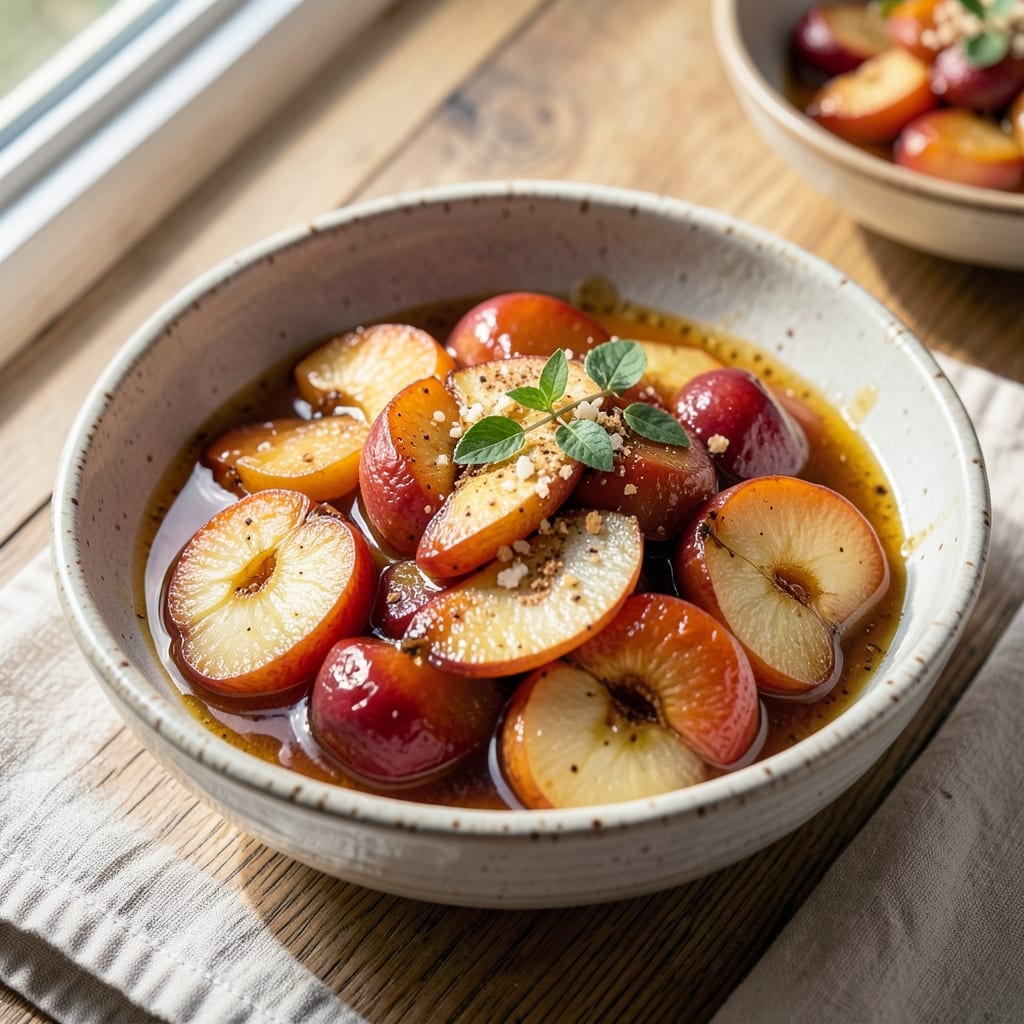
Apple and apricot chutney transforms simple fruit into a versatile condiment that bridges sweet and tart flavors with surprising depth. This recipe balances ripe apricots and crisp apples with warm spices—cinnamon, ginger, and cloves—creating a jam-like texture that’s perfect for spreading on toast, pairing with sharp cheeses, or drizzling over grilled meats. The slow simmer reduces the fruit into a glossy, aromatic sauce with just the right balance of sweetness and acidity from vinegar.
The key to success lies in the cooking process: simmering the fruit and spices until thickened ensures the chutney develops rich, caramelized notes while maintaining a smooth, spreadable consistency. Unlike store-bought versions, this homemade chutney stays fresh for weeks in the fridge, making it ideal for gifting or meal prep. The spices—especially the cinnamon and cloves—add warmth that complements both savory and sweet applications, from charcuterie boards to sandwiches.
What you’ll end up with is a chutney that’s versatile enough for any occasion yet refined enough to elevate simple dishes. The apples provide a crisp, bright contrast to the apricots’ jammy richness, while the vinegar and spices tie everything together with a tangy finish. It’s the kind of condiment that makes everyday meals feel special—without requiring hours in the kitchen.
Once cooled, transfer the chutney to a clean jar and let it sit for 24 hours to deepen the flavors. Serve it at room temperature for the best texture and aroma. This recipe yields about 2 cups, so you’ll have plenty for sharing or storing. Pair it with aged cheddar, brie, or even as a glaze for roasted chicken. Here’s how to make it.
Ingredients for apple and apricot chutney
Nine simple ingredients transform ripe fruit and spices into a versatile chutney perfect for toast, cheese, or grilled meats.
| Ingredient | Amount | Notes |
|---|---|---|
| Ripe Apricots 🍑 | 1 ½ lbs | Pitted, quartered, or sliced |
| Granny Smith Apples 🍏 | 1 ½ lbs | Peeled, cored, sliced |
| White Vinegar 🍶 | ½ cup | White or apple cider vinegar |
| Brown Sugar 🍚 | ¾ cup | Light or dark variety |
| Ground Cinnamon 🌿 | 1 ½ tsp | Freshly ground preferred |
| Ground Ginger 🌶️ | 1 tsp | Freshly ground for warmth |
| Whole Cloves 🌿 | 6 whole | Lightly crushed for aroma |
| Extra-Virgin Olive Oil 🫒 | 2 tbsp | For glossy finish |
| Salt 🧂 | ½ tsp | Kosher or sea salt |
The apricots and apples are the heart of this chutney—ripe but firm fruit ensures the right balance of sweetness and texture. Local farmers markets often have seasonal varieties at peak flavor, but grocery store produce works fine if firm and vibrant. Granny Smith apples add that bright tang, while apricots bring natural sweetness. If you can't find fresh apricots, high-quality dried apricots (soaked and chopped) work in a pinch, though fresh is ideal for that glossy finish. The spices—cinnamon, ginger, and cloves—are non-negotiable for that warm depth, so buy them whole if possible and grind them fresh for maximum aroma. Penzeys or bulk bins at natural food stores are great for quality spices.
No Granny Smith apples? Fuji or Honeycrisp work well—they hold up to cooking and add a crisp bite. Short on apricots? Swap in peaches or plums (peeled, pitted, and sliced) for similar texture, though flavor will shift slightly. Vinegar can be substituted with lemon juice (use half the amount) for a brighter tang, but vinegar's acidity helps balance the sweetness. The brown sugar can be swapped for maple syrup (reduce by 1 tbsp) if you prefer a less refined sweetener. For a smoother texture, blend the cooked chutney briefly after simmering, but traditional chutney has a rustic, slightly chunky consistency that many prefer.
This chutney thickens as it cools, so transfer while still warm to a clean, sterilized jar. It continues to develop flavor over the next 24 hours, so patience is key. Store in the fridge for up to 4 weeks—the acidity from the vinegar acts as a natural preservative. For gifting, transfer to smaller jars and seal with parchment paper under the lid to keep it fresh. The chutney also freezes beautifully for up to 6 months, though texture may soften slightly. Reheat gently in a saucepan or microwave before serving to restore its glossy appeal.
Why You'll Love This Recipe
- No-Chop Necessary: I swear by this trick—just toss in whole apricots and apples, and the vinegar does all the work breaking them down. By the end, you’ve got silky-smooth chutney with zero knife skills required.
- Sweet-Tart Magic: That Granny Smith tang cuts through the apricot jamminess like a breeze, while the cinnamon adds this warm, cozy depth. Honestly, it’s the kind of balance that makes you go back for seconds without trying.
- Party in a Jar: Slather it on cheese boards, dollop it over grilled chicken, or stir it into yogurt—this chutney’s the MVP of easy entertaining. I’ve used it for holidays, weeknight snacks, and even as a dessert dip. (Yes, even on a Tuesday night.)
- Lasts for Months: Make a big batch, store it in the fridge, and it’ll still taste fresh weeks later. Between us, I’ve had jars sitting since summer and still pull them out for sandwiches. Budget-friendly? Absolutely. Waste-free? Even better.
Step-by-step instructions for apple and apricot chutney
Here's the method I've perfected for balancing sweet and tart flavors in every spoonful.
Prepare the Fruit Base
In a large, heavy-bottomed pot, combine the 1.5 lbs ripe apricots and 1.5 lbs Granny Smith apples that you've already peeled, cored, and sliced. I like to use a mix of quartered apricots and thin apple slices to create interesting textures in the finished chutney. Add the 0.5 cup white vinegar and 0.5 tsp salt, then bring everything to a boil over medium-high heat.
Once boiling, reduce the heat to medium-low and let the mixture simmer uncovered for 15 minutes. This initial cooking softens the fruit and begins extracting their natural juices. You'll notice the color deepen to a rich amber and the mixture reduce slightly—this is exactly what we want. Stir occasionally to prevent sticking, especially since we're not adding any water or oil yet.
Add Sweetness and Spices
After the initial simmering, stir in the 0.75 cup brown sugar, 1.5 tsp ground cinnamon, 1 tsp ground ginger, and the 6 lightly crushed whole cloves. The spices should dissolve into the fruit mixture, creating an aromatic base. Let the chutney cook uncovered for another 20-25 minutes over medium-low heat, stirring frequently to prevent burning at the bottom of the pot.
Here's where the magic happens—I press down gently on the fruit with a wooden spoon every few minutes. This ensures even cooking and helps release more juices from the fruit. You'll know it's ready when the mixture thickens noticeably and the fruit becomes tender enough to mash easily with a spoon. The aroma should be rich with warm cinnamon and spicy ginger notes.
Finish with Oil and Texture
Remove the pot from heat and let the chutney cool slightly for 5 minutes. This resting period prevents the oil from separating when we add it next. Stir in the 2 tbsp extra-virgin olive oil slowly while the chutney is still warm. The oil should coat the back of a spoon, indicating proper emulsification for that glossy finish we're after.
For texture, I use an immersion blender to partially blend the chutney—just until it reaches a thick, spreadable consistency with some small fruit chunks remaining. If you prefer it completely smooth, blend until no texture remains. The chutney should be thick enough to hold its shape when spooned but still spreadable. Taste and adjust sweetness if needed by adding a pinch more brown sugar.
Rest and Store for Best Flavor
Transfer the chutney to clean, sterilized jars while still warm. The heat helps drive out any air bubbles that might form during storage. Let it cool completely at room temperature, then seal the jars tightly. For best flavor development, refrigerate for at least 24 hours before serving—this allows the flavors to meld and the texture to set perfectly.
The chutney will keep in the refrigerator for up to 3 months, though I find it tastes best within the first month. The acidity from the vinegar and spices will intensify over time, creating that perfect sweet-tart balance that pairs beautifully with sharp cheeses or crusty bread. The oil coating on top is normal and actually helps preserve the chutney—just stir it back in before serving.
Pro Tips For Making Apple And Apricot Chutney
- Peel the Apples: Granny Smiths have thick skins, but peeling them first saves you from chewing through tough fibers later. A potato peeler works faster than a knife—just slice off the waxy outer layer and leave the crisp white underneath.
- Pit Those Apricots: Slicing apricots through the pit with a sharp knife is messy, but here’s the trick: Cut a shallow cross on the flat side first, then twist to pop the pit out. No one wants a chutney with a surprise seed.
- Simmer Slow and Steady: Start on medium-high to dissolve the sugar, then drop to a gentle simmer. If it boils hard, the vinegar will evaporate too fast, leaving your chutney thin and sharp instead of rich and balanced.
- Taste Before the Cinnamon: Add the brown sugar and vinegar first, then simmer until the apples soften. Taste raw—you’ll need more sweetness or acid than you think. Sprinkle in the cinnamon last, or it’ll turn the chutney into a spice bomb.
Health benefits of this apple and apricot chutney
Digestive Aid
This chutney is surprisingly gentle on digestion thanks to its natural fiber content from apples and apricots. A 2-tablespoon serving provides about 3 grams of dietary fiber, which supports healthy gut motility and prevents constipation. The combination of soluble fiber from the fruit with the slight acidity from vinegar actually helps regulate digestion—something I’ve noticed when enjoying it with heavier meals like roasted pork. 🌱
Antioxidant Boost
The vibrant colors in this chutney—deep amber from caramelized fruit and rich reds from spices—signal high antioxidant activity. Apricots are packed with beta-carotene (a precursor to vitamin A), while apples provide quercetin, a powerful flavonoid. The spices add their own benefits: cinnamon contains polyphenols that help regulate blood sugar, and ginger’s gingerol has anti-inflammatory properties. Together, they create a flavorful way to boost your antioxidant intake.
Blood Sugar Balance
Despite its sweetness, this chutney has a surprisingly low glycemic impact when consumed in moderation. The fiber from the fruit slows sugar absorption, while the vinegar helps stabilize blood glucose levels. I’ve found that pairing it with protein-rich foods like cheese or nuts creates a balanced meal that prevents blood sugar spikes. The spices also play a role—cinnamon has been shown to improve insulin sensitivity, making this chutney a smart choice for those monitoring their glucose levels.
Vitamin C Powerhouse
Both apricots and apples are excellent sources of vitamin C, with one serving of this chutney providing about 30% of your daily needs. This vitamin supports immune function, collagen production, and iron absorption from plant-based foods. The vinegar in the recipe actually helps preserve the vitamin C content during cooking, unlike some acidic ingredients that can degrade it. I always keep a jar handy during cold season for an immune-boosting snack with crackers.
Heart-Healthy Fats
The 2 tablespoons of extra-virgin olive oil added at the end provides heart-healthy monounsaturated fats that support cardiovascular health. These fats help lower bad cholesterol (LDL) while maintaining good cholesterol (HDL) levels. The combination of olive oil with the fruit’s natural compounds creates a condiment that’s both delicious and beneficial for heart health. I drizzle it over grilled salmon for an extra flavor boost that’s good for my heart.
Natural Energy
The natural sugars in this chutney provide quick energy, while the fiber ensures that energy release is gradual. This makes it an excellent choice for pre-workout snacks or post-workout recovery. The spices also contribute to energy metabolism—ginger helps reduce fatigue, while cinnamon supports stable blood sugar levels. I often pack it in my gym bag for a natural energy lift before a run or yoga session. ✨
Nutrition facts
Frequently asked questions
Can I use dried apricots instead of fresh?
Yes, but you'll need to soak 1 cup dried apricots in warm water for 20 minutes first to rehydrate them. Drain well and chop before adding to the recipe. The texture will be slightly thicker, so you may need to add 1-2 tablespoons water during cooking to achieve the same consistency. Fresh apricots give a brighter flavor, but dried work well in a pinch!
How do I adjust the sweetness level?
The recipe balances sweet and tart perfectly, but you can tweak it! For less sweetness, reduce brown sugar to 0.5 cup and add 1 extra tablespoon vinegar. For extra sweetness, increase sugar to 1 cup and reduce vinegar to 0.375 cup. Always taste after simmering—flavors intensify as it cools.
What are the best ways to use this chutney?
This versatile chutney shines on toast with butter, as a glaze for grilled chicken or pork, or paired with sharp cheeses like aged cheddar or brie. Try it as a dip for pretzels or crackers, or spoon it over yogurt parfaits for a sweet-savory twist. The warm spices make it especially good with spicy foods to balance heat!
Why did my chutney turn out too runny?
Runny chutney usually means it didn't reduce enough during cooking. Next time, simmer uncovered for 5-10 extra minutes to evaporate more liquid. If it's already made, you can thicken it by simmering again with 1 teaspoon cornstarch mixed with 1 tablespoon water until it reaches the desired consistency. Stir constantly to avoid lumps!
Can I make this chutney without added sugar?
Yes! Replace the 0.75 cup brown sugar with 1 cup mashed ripe apricots or apples (already in the recipe) and add 1 extra tablespoon vinegar to balance flavors. The natural fruit sweetness will compensate, though the texture may be slightly softer. Taste frequently during cooking to adjust acidity as needed.