
Beverages
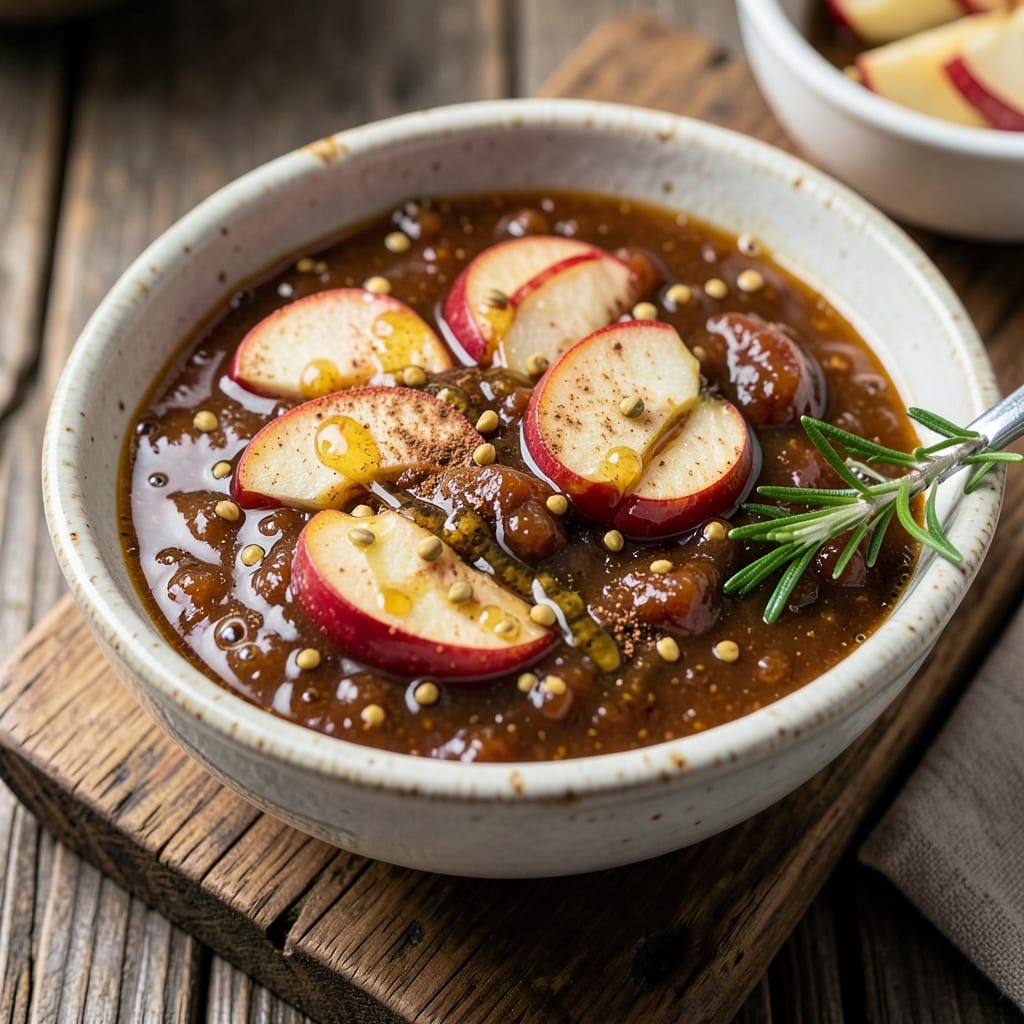
This apple and cider chutney recipe transforms simple pantry staples into a vibrant, tangy-sweet condiment that elevates everything from charcuterie boards to sandwiches. The secret lies in balancing sharp cider vinegar with caramelized apples and warm spices like cinnamon and mustard seeds, creating a thick, spreadable paste that keeps for weeks in the fridge.
What sets this chutney apart is its versatility—it works as a glaze for roasted meats, a topping for aged cheeses, or even a sandwich spread with crusty bread. The cooking process is straightforward: simmer apples until tender, then blend with vinegar, spices, and a touch of honey for depth. Fifteen minutes is all it takes to create a condiment that tastes like autumn in a jar.
The result is a chutney with perfect texture—thick enough to cling but smooth enough to spread—with bright apple flavors balanced by the tang of cider vinegar. The spices add warmth without overpowering, making it a crowd-pleaser for both sweet and savory applications. Jar it up for gifts or keep it handy for quick flavor boosts all season.
Pair it with sharp cheddar, smoked salmon, or grilled chicken for a flavor profile that’s both comforting and sophisticated. The best part? It tastes even better the next day as the flavors meld. Here’s how to make it—simple, foolproof, and impossible to resist.
Ingredients for apple and cider chutney
Nine simple ingredients transform into a tangy-sweet chutney perfect for elevating fall flavors.
| Ingredient | Amount | Notes |
|---|---|---|
| Apples 🍏 | 3 cups | Granny Smith or Honeycrisp, diced |
| Cider Vinegar 🍏 | ½ cup | Unfiltered for best flavor |
| Granulated Sugar 🍚 | ½ cup | Light brown sugar preferred |
| Honey 🍯 | ¼ cup | Wildflower or clover variety |
| Mustard Seeds 🌶️ | 1 tsp | Whole, toasted for aroma |
| Ground Cinnamon 🌿 | 1 tsp | Freshly ground preferred |
| Ground Ginger 🌿 | ½ tsp | Freshly ground for warmth |
| Salt 🧂 | ½ tsp | Diamond Crystal kosher |
| Extra-Virgin Olive Oil 🫒 | 1 tbsp | For finishing drizzle |
The apples are the heart of this chutney—Granny Smith or Honeycrisp give the best balance of tartness and sweetness. Local farmers markets often have perfect apples in fall, but grocery store bins work too. Look for firm, vibrant fruit without bruises. If you can't find fresh apples, unsweetened applesauce in a pinch (reduce the sugar slightly). The cider vinegar should be unfiltered—Mott's or Woodchuck brands add depth. For the spices, Penzeys or bulk bins offer the freshest ground cinnamon and ginger, but regular grocery store jars work fine if they're labeled 'freshly ground.'
No cider vinegar? White vinegar or apple cider both work, though the flavor will differ slightly. Running short on honey? Maple syrup or agave nectar at the same amount keeps it vegan-friendly. The mustard seeds are non-negotiable for that subtle kick—if you're avoiding them, dried mustard powder at half the amount works, but the texture will be less interesting. For a deeper flavor, toast the mustard seeds in a dry pan for 30 seconds before adding to the pot. The olive oil at the end isn't just for richness—it helps the chutney cling beautifully to meats and cheeses.
This chutney thickens as it cools, so store it in airtight jars with a thin layer of olive oil on top to preserve freshness. Keeps for 3-4 weeks in the fridge, though it tastes best within the first two. Freezes beautifully for up to 6 months—portion into ice cube trays before transferring to a bag for easy use. The flavor actually improves over time, so make a big batch. It's perfect for gifting—just add a ribbon and a handwritten note. Pair with sharp cheddar, smoked salmon, or roasted pork for a showstopping spread.
Why You'll Love This Recipe
- No Chopping Chaos: I swear by this recipe because the apples only need a rough dice—no peeling, no fuss. Toss in a handful of mustard seeds while they simmer, and suddenly you’ve got that little pop of heat that makes it taste like you spent hours in the kitchen.
- Sweet-Tart Magic: That balance of honey and cider vinegar? Chef’s kiss. The vinegar cuts through the apples’ natural sweetness while the honey rounds out the sharpness—like autumn in a jar. Honestly, I’ve made chutneys before, but this one actually tastes like it belongs on a charcuterie board.
- Pantry-to-Table Flex: This chutney slaps on everything—sliced cheese, roasted meats, or even straight from the spoon. I’ve used it to dress up sandwiches, drizzle over yogurt, and even mix into mustard for a quick glaze. (Yes, even on a Tuesday night.)
- Makes a Month’s Worth: One batch lasts me weeks because it’s not just good—it’s addictive. The sugar and vinegar preserve it beautifully, so I can make a big batch in September and still be eating it in December. Plus, the mustard seeds keep it interesting, so it never gets boring.
Step-by-step instructions for apple and cider chutney
This chutney comes together faster than you can say "spiced apple perfection."
Toast the Mustard Seeds for Depth of Flavor
Heat a medium saucepan over medium heat and add the 1 tablespoon extra-virgin olive oil. Once the oil shimmers, add the 1 teaspoon mustard seeds and toast for 30-45 seconds until they begin to pop and release their nutty aroma. This step is crucial—it builds the chutney's foundation and prevents the seeds from tasting raw.
Watch closely as the seeds sizzle. If they burn, they'll turn bitter, so keep the heat at a gentle simmer. Once the seeds are lightly golden and popping steadily, remove the pan from heat for just a moment—you'll return it shortly, but this pause prevents overheating when you add the apples.
Cook the Apples Until Soft and Translucent
Return the pan to medium heat and add the 3 cups diced apples. Stir to coat them in the oil and toasted seeds, then cook for 5-6 minutes until the apples soften slightly and begin to release their juices. You're looking for them to become tender enough to crush easily between your fingers—this ensures the chutney will blend smoothly.
During this time, the apples will also develop a subtle caramelized edge where they touch the pan. Don't worry if they don't brown deeply; the vinegar and sugar will add color later. If the apples release too much liquid, reduce the heat slightly to prevent steaming instead of cooking.
Build the Chutney Base with Vinegar and Sweeteners
Add the 0.5 cup cider vinegar, 0.5 cup granulated sugar, and 0.25 cup honey to the pan. Stir well to combine, then increase the heat to medium-high and bring the mixture to a gentle boil. Once boiling, reduce the heat to medium-low and let it simmer for 8-10 minutes, stirring occasionally, until the mixture thickens and coats the back of a spoon.
This is where the magic happens—the vinegar brightens the apples, the sugar caramelizes slightly, and the honey adds depth. You'll see the mixture reduce and become syrupy. If it thickens too quickly, add 1-2 tablespoons water to balance the consistency. The goal is a glossy, spoonable texture that clings to everything it touches.
Season and Simmer to Perfection
Stir in the 1 teaspoon ground cinnamon, 0.5 teaspoon ground ginger, and 0.5 teaspoon salt. Let the chutney simmer for another 3-4 minutes, stirring frequently, until the spices are fragrant and fully integrated. The mixture should now have a vibrant color—deep amber from the caramelized sugar and honey, with a glossy sheen from the reduced liquid.
Taste the chutney and adjust the seasoning if needed. If it tastes too sharp, add a pinch more honey. If it needs more tang, a splash of vinegar helps. The balance should be bright, slightly sweet, and warmly spiced—like biting into a crisp apple with a hint of cider and cinnamon.
Cool and Store for Maximum Flavor Development
Remove the pan from heat and let the chutney cool to room temperature. As it cools, it will thicken further, becoming even more cohesive. Transfer it to a clean, airtight jar and let it sit at room temperature for at least 1 hour before refrigerating. This resting period allows the flavors to meld and the texture to set properly.
Once cooled, the chutney should have a smooth, jam-like consistency with a glossy finish. It keeps well in the refrigerator for up to 2 weeks or can be canned for longer storage. Serve it with cheese boards, grilled meats, or even as a sweet-savory spread on toasted bread for a quick, flavorful bite.
Pro Tips For Making Apple And Cider Chutney
- COOK APPLES UNTIL SOFT: I learned this the hard way—undercooked apples make chutney that’s still crunchy after hours of simmering. Cut them into even ½-inch chunks and cook them until they’re fork-tender (about 10 minutes) before adding any other ingredients. That way, the mustard seeds and vinegar absorb properly, and the texture stays smooth—not grainy.
- USE RAW APPLE CIDER VINEGAR: Store-bought vinegar can taste harsh or overly acidic, but raw, unfiltered apple cider vinegar adds depth. Look for brands labeled "with the mother" (that cloudy bit) for a richer, more complex flavor. Skip the pasteurized stuff—it’s the difference between a bright chutney and one that tastes like it’s missing something.
- STIR THE MUSTARD SEEDS: After adding the mustard seeds, give the pot a good stir for 30 seconds before tossing in the rest. They burn fast, and once they’re blackened, there’s no fixing it. A quick stir ensures they pop just enough to add aroma without turning the whole batch bitter.
- SWAP SUGAR FOR HONEY LAST: Add the granulated sugar first to dissolve it completely, but hold off on the honey until the very end. Stirring in honey too early can make the chutney clump or turn syrupy before it’s fully cooked. A splash of cold water thinned with honey at the end gives it a glossy finish—trust me, it’s worth the extra 2 minutes.
Essential equipment for perfect results
Medium Saucepan
This is your workhorse for making chutney—3-4 quart capacity works perfectly for this recipe. I recommend a stainless steel or enameled cast iron pan like All-Clad or Le Creuset because they distribute heat evenly and prevent scorching. If you're on a budget, a cuisinart stainless steel saucepan handles the job beautifully without breaking the bank. Avoid nonstick pans for this recipe—they can't handle the simmering time without releasing harmful fumes. 🔥
Immersion Blender
While you can mash the apples by hand, an immersion blender (like the Ninja 1000-watt) transforms this chutney into a silky-smooth spread in seconds. Run it for 10-15 seconds after simmering to break down the apples completely while keeping the texture vibrant. If you don't have one, a standard blender works too—just pulse until smooth. For the finest texture, strain through a fine-mesh sieve afterward to remove any apple skins. ✨
Fine-Mesh Sieve
A stainless steel sieve (like the OXO Good Grips) is essential for achieving that restaurant-quality finish. After blending, strain the chutney to remove any fibrous apple bits that could make it gritty. I keep one in my kitchen specifically for sauces and condiments—it's a game-changer for texture. If you're short on time, skip this step, but your chutney will be noticeably smoother with it. 💫
Kitchen Scale
For precise measurements (especially with spices), a digital kitchen scale (like the OXO Good Grips) ensures consistency. Weighing spices like cinnamon and ginger gives you better control over flavor balance. If you're measuring by volume, use a spice scoop for accuracy—1 teaspoon of ground cinnamon is about 3 grams, not the heaping tablespoon many recipes assume. This small detail makes a big difference in flavor. 🧂
Air-Tight Jars
Store your chutney in glass mason jars (like Ball or Kerr) for both preservation and presentation. The airtight seal keeps flavors fresh for 3-4 weeks in the fridge. For gifting, these jars are perfect—they look beautiful on tables and make your homemade condiment feel like a specialty product. If you don't have mason jars, screw-top glass containers work too, but they may not seal as tightly. ❄️
Nutrition facts
Frequently asked questions
Can I make this chutney without applesauce if I can't find fresh apples?
Yes! Use unsweetened applesauce in a 1:1 ratio (replace the 3 cups diced apples with 3 cups applesauce). Reduce the sugar slightly (0.35 cup instead of 0.5 cup) since applesauce is naturally sweet. The texture will be smoother but still delicious. For extra depth, add 1 teaspoon lemon juice to brighten the flavor.
How do I adjust the sweetness if I prefer it less sugary?
Start with the full 0.5 cup sugar, then taste after simmering. If it's too sweet, balance it by adding 1-2 tablespoons cider vinegar or 1 teaspoon lemon juice. For a more natural sweetness, reduce the sugar to 0.35 cup and increase the honey to 0.35 cup instead. The vinegar and spices will enhance the tartness without needing extra sugar.
Can I use this chutney as a glaze for roasted meats?
Brush it onto pork tenderloin, chicken, or salmon during the last 10-15 minutes of roasting. The vinegar and spices caramelize beautifully, creating a sticky, flavorful crust. For extra shine, reduce the chutney by simmering uncovered for 5 extra minutes until syrupy. Pair it with rosemary or thyme for a herbaceous twist.
Why did my chutney turn out too runny?
This usually happens if the apples weren't cooked long enough or if the mixture wasn't simmered sufficiently. Next time, cook the apples for 7-8 minutes until very soft, then simmer the chutney for 12-15 minutes to reduce the liquid. If it's still too thin, blend it longer or add 1 teaspoon cornstarch mixed with 1 tablespoon water and stir in while simmering.
What’s the best way to reheat chutney if it thickens too much?
Add 1-2 tablespoons water or cider vinegar and warm gently over low heat, stirring constantly. Avoid high heat—it can make the chutney separate. For a smoother texture, blend briefly with an immersion blender. If it’s still too thick, thin it gradually with more liquid. Store leftovers in the fridge for up to 2 weeks.