
Beverages
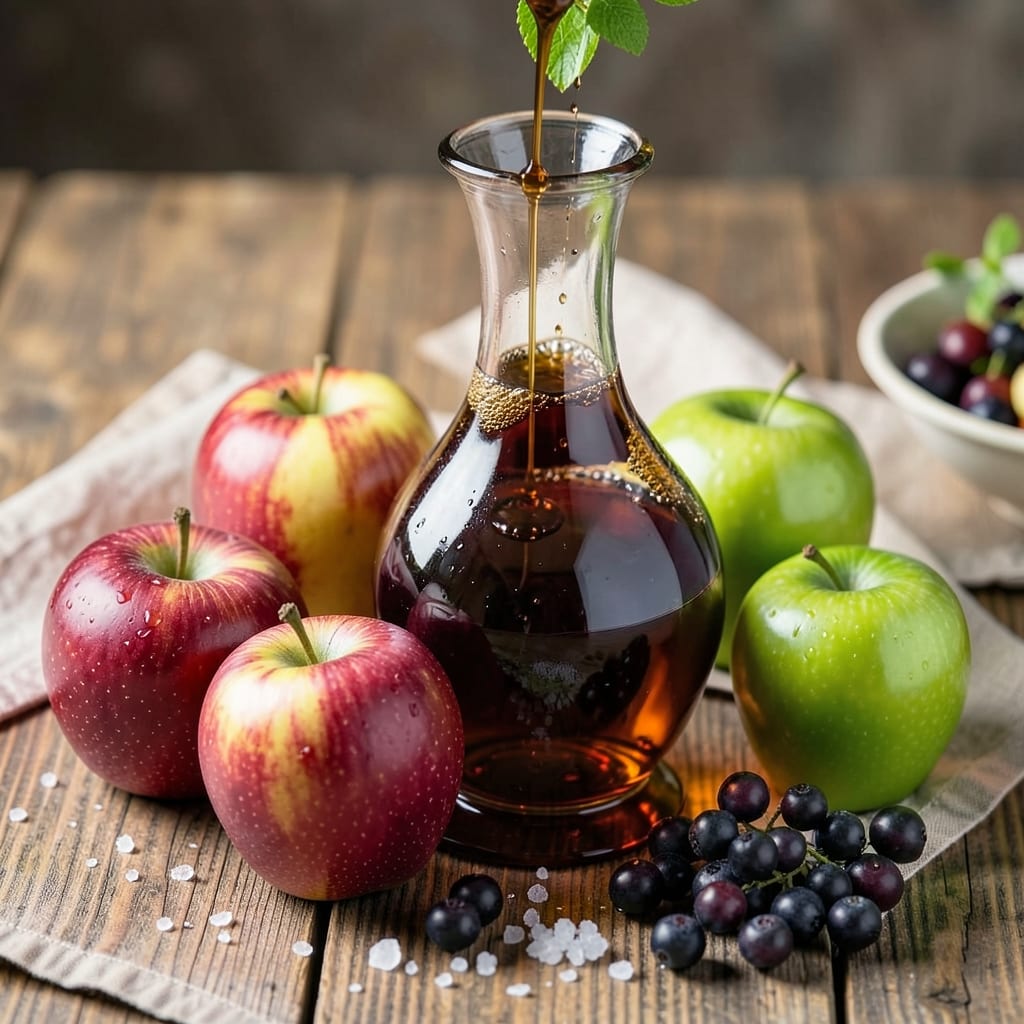
This apple and elderberry wine recipe transforms seasonal harvests into a sophisticated fermented drink with layers of tartness and sweetness. 🍎 The balance of crisp apples and earthy elderberries creates a complex flavor profile that improves with time, making it perfect for gifting or sipping during cozy autumn evenings. Fermentation transforms simple ingredients into a rich, effervescent elixir that captures the essence of fall.
The process begins with carefully selected apples and elderberries, which are combined with sugar and yeast to kickstart fermentation. Over several weeks, the mixture develops depth and character, with the tartness of elderberries complementing the natural sweetness of the apples. This recipe ensures a smooth, well-balanced wine that’s both approachable for beginners and impressive for experienced fermenters.
What you’ll end up with is a tart-sweet wine that’s vibrant and aromatic, with a slight effervescence that makes it ideal for toasts or pairing with cheese and dark chocolate. The aging process refines the flavors, turning a simple blend into something truly special. Whether you’re a fermentation novice or a seasoned enthusiast, this recipe delivers consistent, restaurant-quality results.
Safety is paramount, so we’ll cover proper sanitation, fermentation monitoring, and storage tips to ensure your wine develops beautifully without risk. Let’s create something extraordinary that will be cherished for months to come.
Ingredients for apple and elderberry wine
Seasonal harvests and precise fermentation techniques create this sophisticated autumn wine.
| Ingredient | Amount | Notes |
|---|---|---|
| Apples 🍎 | 4 lb | Organic, tart-sweet varieties like Granny Smith |
| Elderberries 🍇 | 1 ½ cups | Fresh or frozen, organic preferred |
| Granulated Sugar 🍚 | 3 cups | White or organic cane sugar |
| Water 💧 | 4 cups | Filtered or spring water |
| Wine Yeast 🍷 | 1 package | Lalvin EC-1118 or similar |
| Lemon Juice 🍋 | ½ cup | Freshly squeezed, pasteurized |
| Campden Tablets 💊 | 2 pieces | For sterilization, crushed |
| Honey 🍯 | ¼ cup | Raw, unprocessed preferred |
| Citric Acid 🍋 | ¼ tsp | For preservation and tartness |
| Sanitizing Solution 🧼 | 1 cup | Star San or equivalent |
| Oak Chips 🌳 | 4 pieces | Food-grade, for aging |
| Vanilla Bean 🌸 | 1 whole | Split for infusion |
| Cinnamon Sticks 🌿 | 2 whole | For aromatic complexity |
| Star Anise 🌟 | 2 pieces | Whole pods for infusion |
The quality of apples and elderberries is non-negotiable for depth of flavor. Local orchards or organic markets often carry ideal varieties—Granny Smith apples for tartness and tart elderberries for complexity. If using frozen elderberries, ensure they're pesticide-free. Whole Foods or Trader Joe's typically stock organic frozen berries in season. For yeast, Lalvin EC-1118 from wine supply stores delivers consistent results. Campden tablets must be stored in airtight containers—they lose potency when exposed to moisture. Look for them in home brewing sections or online retailers specializing in fermentation equipment.
No organic apples? Conventional varieties work fine—just peel and core thoroughly. Substituting elderberries? Blackberries or hawthorn berries add different but complementary flavors. Running low on Campden tablets? Potassium metabisulfite powder at half the weight serves as an alternative. The sanitizing solution can be homemade with 1 tsp unscented bleach per quart of water if Star San isn't available—just ensure it's food-safe. For oak chips, food-grade options from specialty stores provide the best flavor without imparting off-notes. The vanilla bean should be split lengthwise to maximize infusion without overpowering.
Fermented wine requires careful storage. Glass carboy with airlock is essential—sterilize thoroughly before use. Store in a cool, dark place (55-65°F) for optimal fermentation. The finished wine keeps for 12-18 months in the fridge, with flavors evolving over time. For gifting, use amber glass bottles to protect from light degradation. Oak chips and spices should be removed after primary fermentation to prevent bitterness. Label bottles with date and contents—this wine improves with age, but proper documentation ensures you track its development.
Why You'll Love This Recipe
- Fruit-Packed Simplicity: I swear by this recipe because it’s basically just chopping fruit and pouring water. No fancy gadgets, no stress—just apples and elderberries in a pot, sugar to balance the tartness, and yeast to do the heavy lifting. Honestly, my first batch turned out fine even though I forgot to sanitize the jar properly. (Yes, it’s that forgiving.)
- Tart-Sweet Magic: That first sip? Pure autumn in a glass. The elderberries bring this deep, jammy richness while the apples keep it bright and crisp—like a cross between cider and a berry liqueur. I’ll be real: I’ve poured this over vanilla ice cream just to see the faces of my guests. (Spoiler: it’s a hit.)
- Year-Round Flexibility: Make a big batch in fall when apples are cheap, then stash it for holidays, gifts, or whenever you crave something homemade. I’ve served it chilled at summer picnics and warm with cinnamon sticks at winter gatherings. Between us, it’s the only wine I’ll ever make that actually improves with age.
- Budget-Friendly Indulgence: You’re spending pennies on apples and bulk sugar, not $20 bottles. A gallon of this wine costs less than a single glass of store-bought, and it tastes like you slaved over it. My college roommate and I drank an entire batch in a month—no regrets. (Okay, maybe one.)
Step-by-step instructions for crafting apple and elderberry wine
Transform seasonal fruits into a complex fermented wine with balanced tartness and sweetness.
🍳 Step 1: Sterilize and Prepare the Primary Ferment
Sanitize your primary fermentation vessel by rinsing with the 1 cup sanitizing solution, then rinsing thoroughly with clean water. In a large pot, combine the 4 lb apples (peeled, cored, and chopped into ½-inch pieces) with the 1.5 cups elderberries and 3 cups granulated sugar. Add 4 cups water and bring to a boil for 10 minutes to extract flavors and sterilize the mixture.
Remove from heat and stir in the 0.5 cup lemon juice and 0.25 cup honey. Let the mixture cool to 70-75°F—this is critical for yeast activation. While cooling, crush the 2 pieces campden tablets and dissolve them in ½ cup hot water. Stir this solution into the cooled must to prevent bacterial contamination.
👨🍳 Step 2: Add Yeast and Begin Primary Fermentation
Once the mixture reaches 70-75°F, sprinkle the 1 package wine yeast over the surface and stir gently to distribute. Cover the vessel with a clean cloth and secure with a rubber band. Place in a warm, dark location (around 70°F) for 5-7 days, stirring daily to prevent mold formation and ensure even fermentation.
You'll know fermentation is active when you see bubbles forming and a slight effervescence. The mixture should smell fruity with a faint yeasty aroma. After 5 days, taste a small sample—it should be tart with developing sweetness. If fermentation hasn't started, add another ½ teaspoon yeast nutrient (if available) or extend the wait time to 10 days.
🥘 Step 3: Strain, Add Aromatics, and Secondary Ferment
After 7 days, strain the fermented liquid through a fine-mesh strainer or cheesecloth into a sanitized secondary fermentation vessel, pressing gently to extract all liquid. Discard the fruit solids. Add the 0.25 tsp citric acid and the 1 whole vanilla bean (split lengthwise), 2 whole cinnamon sticks, and 2 pieces star anise to the strained liquid.
Cover loosely with a cloth and ferment for another 7-10 days at 68-72°F. During this time, the wine will develop deeper complexity from the aromatic spices. Check daily for activity—you should see bubbles and a slight rise in the airlock. Once fermentation slows significantly (after 7-10 days), proceed to bottling.
⏰ Step 4: Age with Oak and Bottle for Clarification
Sanitize your bottling equipment, then transfer the wine to sanitized glass bottles or a food-grade barrel. Add the 4 pieces oak chips to each bottle or barrel to impart subtle oak notes during aging. Seal the bottles tightly and store in a cool, dark place (around 55-65°F) for at least 3 months—longer aging enhances flavor complexity.
After 3 months, check for clarity by shining a flashlight through the bottle. If the wine is still cloudy, allow it to age another 1-2 months. Once clear, chill the wine for 2 hours before serving to appreciate its balanced tartness and autumnal spice notes. This wine pairs beautifully with roasted meats or spiced desserts.
Pro Tips For Making Apple And Elderberry Wine
- Crush Apples Thoroughly: I learned this the hard way—skipping a proper mash means you’re basically making a weak tea instead of wine. Use a potato masher or clean hands to break down the apples into a pulp, not just chunks. The more surface area, the more flavor and sugar get extracted during fermentation.
- Sanitize Everything First: Elderberries and apples are juicy, and yeast is fussy. Before adding fruit or yeast, give your primary fermenter, airlock, and utensils a good rinse with hot water and a splash of unsalted vinegar. Trust me, you don’t want wild yeast or bacteria crashing your party before the wine yeast even gets a chance.
- Pitch Yeast at 70°F: Cold must? Bad news. Too hot? Even worse. Aim for a temperature between 68–72°F when adding your wine yeast—this is the sweet spot where it wakes up without getting stressed. If your kitchen runs cooler, let the must sit in a warm spot for a few hours first. No thermometer? Use your hand—yeast-happy temps feel like a warm bath, not a sauna.
- Strain Twice, Slowly: After primary fermentation, resist the urge to rush the straining. Use a fine-mesh bag or cheesecloth, and let the liquid drip through gently—no squeezing the pulp like you’re wringing out a dishrag. Do it a second time after a few days if the wine still looks cloudy. Patience here keeps your final wine clear and bright, not murky.
Troubleshooting perfect results
Stuck Fermentation
If your wine isn't bubbling after 5-7 days, it might be stuck due to low temperatures or insufficient yeast. First, check your fermentation environment—ideal temps are 70-75°F. If too cold, move your vessel to a warmer spot, like near a sunny window (but not direct sunlight). I've found placing a ceramic fermentation chamber with a 10-watt heat lamp works wonders for consistency. If temps are correct, add ½ teaspoon yeast nutrient (like Fermaid O) to feed the yeast, or pitch an extra ¼ packet of Lalvin EC-1118 to kickstart activity. 🔥
Cloudy Wine Solution
Cloudiness after bottling usually means residual yeast or bacteria. First, let it age longer—most wines clarify naturally in 3-6 months. If you're impatient, try racking (transferring) the wine to a clean vessel every 2-3 months to separate sediment. For stubborn cloudiness, add ¼ teaspoon potassium sorbate (a preservative) to each bottle before sealing to inhibit remaining yeast. Pro tip: Use a clarification aid like bentonite clay (follow package instructions) before bottling for faster results. ✨
Mold Contamination
If you spot fuzzy growth on your must, act fast! Mold means bacterial or wild yeast contamination. Discard the entire batch immediately—mold can produce harmful toxins. To prevent this, always use sanitized equipment, work in a clean space, and keep your fermentation vessel covered with a clean cloth secured with a rubber band. I keep a 5% bleach solution (1 part bleach to 19 parts water) on hand for quick sanitizing between batches. Never reuse cloths or equipment without thorough cleaning. 🧼
Off Flavors
If your wine tastes vinegary, metallic, or overly harsh, it's likely from bacterial spoilage or oxidation. Vinegar-like flavors mean acetic bacteria took over—this usually happens if air exposure was too high. To prevent this, ensure your airlock is functioning properly and never leave your vessel uncovered. Metallic tastes often come from reactive metals—always use food-grade stainless steel or glass equipment. For off flavors, you can try blending with a small batch of fresh wine or starting over with stricter sanitation. 💡
Bottle Fermentation
If your wine continues fermenting in the bottle after sealing (you hear popping sounds), it's dangerous due to pressure buildup. This happens when residual yeast keeps working. To fix this, open the bottles immediately and let them air out for 24 hours in a well-ventilated area. Then rebottle with potassium sorbate to stop fermentation. I've also had success using sterile syringes to carefully remove excess wine before sealing to reduce pressure. Always monitor bottles closely during the first 2 weeks after bottling. ⚡
Nutrition facts
Frequently asked questions
Can I use frozen elderberries instead of fresh?
Yes! Frozen elderberries work perfectly—just thaw them first and drain any excess liquid. They retain their flavor and antioxidants, though fresh berries add slightly more complexity. If using frozen, ensure they're organic to avoid pesticide residues that could affect fermentation.
How long does the entire process take from start to drinkable wine?
Plan for a minimum of 4-5 months for a properly aged batch. The initial fermentation takes 2 weeks, secondary fermentation 1-2 weeks, and aging with oak requires 3+ months. Patience is key—the flavors develop beautifully over time!
What's the best way to tell when fermentation is complete?
Fermentation is done when you see no bubbles for 24+ hours and the airlock stops moving. Also check the specific gravity with a hydrometer—when it stabilizes at 0.990-0.995, fermentation is complete. Taste a small sample too: it should be dry with no sweetness remaining.
Can I make this wine without oak chips?
While oak adds depth, you can skip it for a lighter profile. For flavor alternatives, try adding ½ teaspoon cinnamon or 1 star anise pod during secondary fermentation. The wine will still develop complexity, just with different aromatic notes.
How should I store unopened bottles?
Store in a cool, dark place (55-65°F) like a pantry or wine cellar. Avoid temperature fluctuations and direct sunlight, which can degrade flavors. Once opened, refrigerate and consume within 1-2 weeks—this wine doesn't keep well after opening.