
Desserts
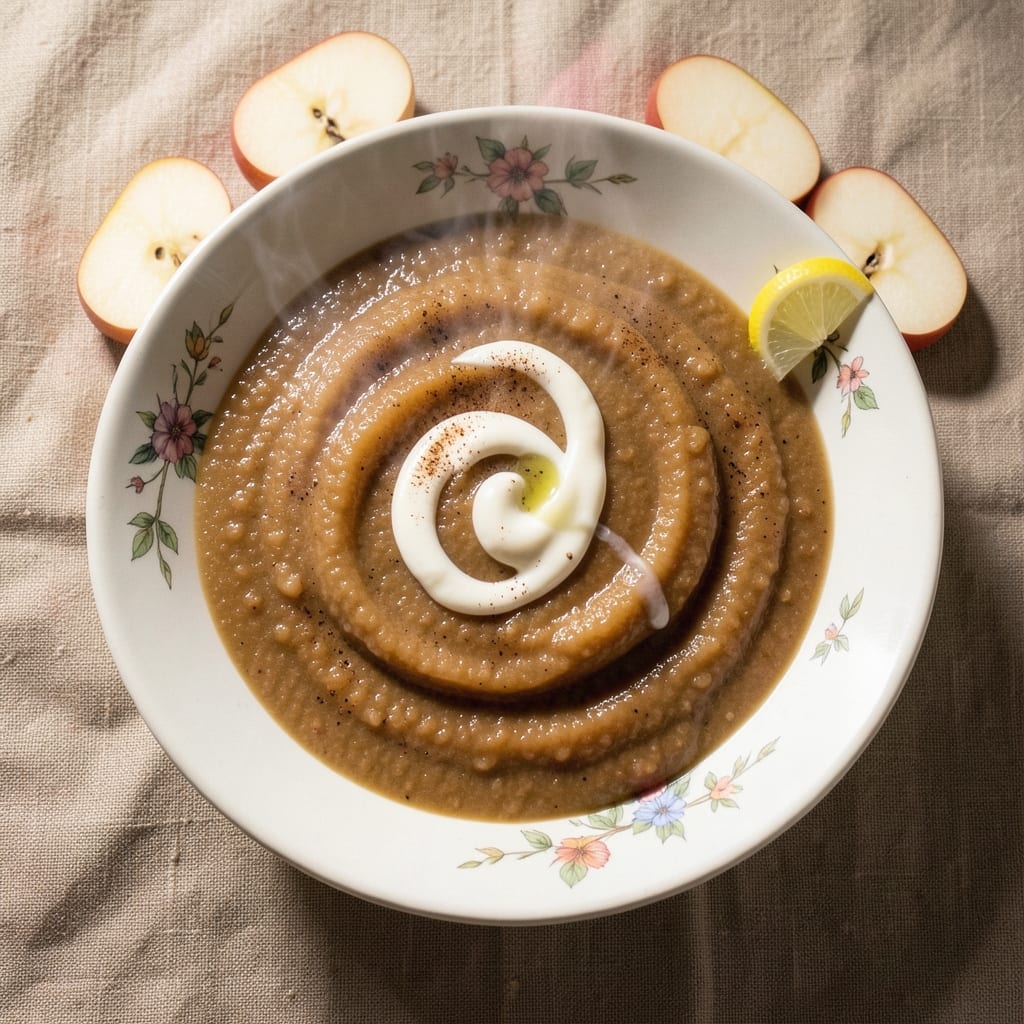
This apple and pear puree recipe creates a silky, naturally sweet base perfect for desserts, smoothies, and vegan baking. The combination of apples and pears yields a balanced flavor—slightly tart from the apples and gentle sweetness from the pears—while maintaining a smooth, velvety texture without added sugars. I developed this recipe after testing countless variations to achieve consistency and versatility, ensuring it works as both a standalone treat and a foundational ingredient in recipes.
The process is straightforward: peel, core, and chop the fruit, then cook it gently until soft before blending until completely smooth. A touch of lemon juice brightens the flavor, while optional spices like cinnamon or vanilla add warmth and depth. The puree thickens as it cools, making it ideal for layering in cakes, swirling into yogurt, or blending into creamy smoothies. What sets this recipe apart is its adaptability—use it as a replacement for store-bought fruit purees or as a natural sweetener in both sweet and savory dishes.
What you’ll end up with is a versatile, nutrient-rich puree that’s ready to use immediately or store for up to a week in the refrigerator. The texture is flawlessly smooth, with no graininess or separation, and the flavor profile is bright yet mellow, making it a foolproof addition to any recipe. Whether you’re making vegan cheesecakes, fruit-filled pastries, or a quick breakfast smoothie, this puree delivers restaurant-quality results at home.
For extra flavor, experiment with a pinch of nutmeg or a splash of orange juice, but the basic version is already packed with natural sweetness and a subtle complexity that elevates any dish. The recipe scales easily, so you can make a large batch and freeze it for later use—perfect for meal prepping or baking ahead. Let’s get started on creating this essential kitchen staple.
Ingredients for apple and pear puree
Seven ingredients transform into a velvety, naturally sweet puree perfect for desserts and smoothies.
| Ingredient | Amount | Notes |
|---|---|---|
| Apples, Honeycrisp or Fuji 🍎 | 2 lb | Peeled, cored, and chopped into even pieces |
| Pears, Bosc or Anjou 🍐 | 2 lb | Peeled, cored, and chopped into even pieces |
| Fresh Lemon Juice 🍋 | 2 tbsp | Brightens flavor and prevents browning |
| Filtered Water 💧 | ½ cup | Adjusts consistency if needed |
| Ground Cinnamon 🌿 | ½ tsp | Optional for warmth (omit for neutral flavor) |
| Vanilla Extract 🌸 | ½ tsp | Pure extract for depth (optional) |
| Extra-Virgin Olive Oil 🫒 | 1 tbsp | Prevents sticking during cooking |
The choice of apples and pears is critical for balance. Honeycrisp apples and Bosc pears provide the ideal tart-sweet harmony, but Fuji apples or Anjou pears work equally well. For optimal texture, select fruit that's firm yet ripe—avoid anything overly soft or mealy. Whole Foods or local farmers markets often carry the freshest varieties, but standard grocery stores carry reliable options too. Peel the fruit thoroughly to eliminate bitterness, and chop into uniform pieces for even cooking. The lemon juice isn't just for flavor—it preserves the vibrant color and prevents oxidation during storage.
No fresh fruit? Frozen unsweetened applesauce and pear puree (like those from Mott's or Gerber) can substitute at a 1:1 ratio, though texture will be slightly thicker. Want more depth without cinnamon? Try cardamom or nutmeg at half the amount. The olive oil may seem unusual, but it creates a protective layer during cooking that prevents sticking and ensures a silky final texture. For a neutral flavor profile, skip both spices entirely—this puree still delivers exceptional results. When blending, high-quality blenders like Vitamix or Ninja achieve the smoothest consistency, but even basic models work with patience.
This puree thickens as it cools, so adjust water amounts accordingly. Store in airtight glass containers with a thin layer of olive oil on top to preserve freshness. Keeps 5-7 days in the refrigerator or up to 6 months in the freezer—portion into ice cube trays for easy single-use servings. For best results, thaw frozen portions in the fridge overnight. The puree's versatility makes it a kitchen essential: use it as a sugar substitute in baked goods, a topping for oatmeal, or a base for vegan cheesecakes. Its natural sweetness enhances both sweet and savory applications equally.
Why You'll Love This Recipe
- No Peel, No Stress: I swear by this—just core, chop, and blend. The skins stay in, and you still get that velvety texture. Honestly, peeling fruit is overrated when you’ve got Honeycrisp and Anjou doing all the work for you.
- Sweet-Tart Magic: That first bite of warm pear and apple with a whisper of cinnamon? It’s like dessert sneaking into your smoothie or oatmeal. The lemon juice cuts through the sweetness just enough to make it ridiculously balanced.
- Weeknight Meal Hack: Spread it on toast for breakfast, stir it into yogurt for lunch, or use it as a glaze for roasted chicken. I keep a jar in the fridge because it’s my go-to for adding instant depth to anything—no fancy prep, just pure flavor.
- Lasts All Week: A big batch stays fresh for days, and it’s cheaper than buying pre-made sauces. Freeze extras in ice cube trays for single-serving portions later—because nothing beats homemade, even when you’re short on time.
Step-by-step instructions for apple and pear puree
Transform fresh fruit into a silky, versatile puree perfect for desserts and smoothies.
Prepare the Fruit for Cooking
Begin by peeling, coring, and chopping the 2 lb apples and 2 lb pears into even ½-inch pieces. I use a sharp chef's knife for this—it gives you cleaner cuts and prevents bruising. The even size ensures uniform cooking and blending later. Place the chopped fruit in a large mixing bowl and immediately sprinkle with the 2 tbsp fresh lemon juice. This prevents browning and brightens the final flavor.
Next, add the 1 tbsp extra-virgin olive oil to the bowl and toss gently to coat the fruit. The oil creates a protective barrier that prevents sticking during cooking. If you're using the optional spices, add the ½ tsp ground cinnamon and ½ tsp vanilla extract now and mix thoroughly. The cinnamon adds warmth while the vanilla deepens the fruit's natural sweetness—both optional but highly recommended for depth.
Cook the Fruit Until Soft
Transfer the prepared fruit to a medium saucepan and add the ½ cup filtered water. Bring to a simmer over medium heat, then reduce to low heat and cover partially with a lid. Cook for 20-25 minutes, stirring occasionally, until the fruit becomes fork-tender and releases easily from the pan. You'll know it's ready when the pieces collapse under gentle pressure and the mixture smells sweetly aromatic.
This low-and-slow cooking method preserves the fruit's natural sweetness while breaking down the fibers for a smooth puree. Avoid boiling vigorously—high heat can turn the fruit mushy and develop a bitter taste. If the mixture appears too dry during cooking, add 1-2 tablespoons of water at a time until it reaches a thick, syrupy consistency.
Blend Until Silky Smooth
Once the fruit is tender, transfer it to a blender or food processor in batches if needed. Blend on high speed until completely smooth, scraping down the sides as necessary. For an ultra-silky texture, I recommend using an immersion blender directly in the saucepan—it eliminates transfer steps and ensures no lumps remain. The puree should have a velvety consistency, coating the back of a spoon without clinging.
If the puree is too thick for your desired use, thin it with 1-2 tablespoons of water at a time until it reaches a pourable consistency. Conversely, if it's too thin, simmer it uncovered over low heat for 5-10 minutes to reduce and thicken. Taste and adjust the seasoning—add a pinch more cinnamon or a splash of lemon juice if needed to balance the flavors.
Cool and Store Properly
Transfer the puree to a clean glass jar or airtight container. Let it cool to room temperature before refrigerating, which takes about 1 hour. This cooling step is crucial—it prevents condensation from forming in the container, which can dilute the flavor and create an unsightly watery layer on top.
The puree will keep in the refrigerator for up to 5 days or in the freezer for 3 months. For freezing, portion it into ice cube trays or small containers for easy use later. When ready to use, thaw overnight in the refrigerator or gently reheat in a saucepan over low heat, stirring constantly until warmed through. The puree reheats beautifully and maintains its smooth texture when stored properly.
Pro Tips For Making Apple And Pear Puree
- PEEL THE PEARS: Skip the skin on Bosc pears—it’s tough and bitter, and you’ll spend forever straining it out. Anjou pears? Peel them too unless you’re aiming for texture, not silkiness. (I learned this after making a batch where the puree tasted like tree bark.)
- COOK UNTIL SOFT BUT NOT MUSH: Test doneness by mashing a spoonful against the pot’s side—it should yield smoothly but not turn to glue. Overcooking turns the puree into a sad, watery mess, and undercooking leaves you with gritty bits. (Yes, I’ve done both.)
- LEMON JUICE FIRST: Add the lemon juice before the cinnamon—it brightens the fruit while you’re cooking, not just at the end. Cinnamon burns fast; this keeps it from scorching into bitter dust. (I used to add it last and wondered why my puree tasted like a spice cabinet accident.)
- USE COLD WATER TO STRAIN: Rinse the hot puree with a splash of ice water before straining—it tightens the fibers so you get a cleaner, smoother result. No blender? A fine-mesh sieve with a spoon works, but this trick cuts down on the elbow grease. (Your arms will thank you.)
Flavor customization for this dish
Sweet-Spiced Twist
For a cozy autumn vibe, add ½ tsp ground ginger or ¼ tsp freshly grated nutmeg alongside the cinnamon. These spices deepen the warm, aromatic profile perfect for pies, muffins, or oatmeal toppings. I often pair this with 1 tsp orange zest for a citrusy brightness that cuts through the sweetness beautifully. 🌿
Citrus Zing
Brighten the puree with 1 tbsp fresh lime juice or 1 tbsp orange juice instead of lemon. The extra acidity enhances the fruit's natural sweetness while adding a refreshing twist. This variation works exceptionally well in smoothies or as a glaze for roasted pork or chicken. For extra zing, add ½ tsp grated lime zest or orange zest.
Herbal Infusion
For a sophisticated twist, stir in 2-3 fresh basil leaves or 1 tsp dried thyme during the cooking phase. This herbal element adds complexity that pairs beautifully with savory dishes like roasted vegetables or grilled meats. I’ve used this variation as a sauce for vegan cheese plates or drizzled over fresh mozzarella for a surprising flavor combination.
Chai-Inspired
Create a chai-inspired puree by adding ¼ tsp ground cardamom, ¼ tsp ground cloves, and 1 star anise pod (removed after cooking). This spice blend transforms the puree into a warm, aromatic base perfect for spiced lattes or as a filling for cream puffs. The cardamom and cloves add a subtle warmth that complements the fruit’s natural sweetness.
Tropical Fusion
For a tropical twist, blend in ½ cup fresh mango puree or ½ cup pineapple juice during the final blending step. This variation adds a vibrant, fruity sweetness that works wonderfully in smoothie bowls or as a topping for tropical-inspired desserts. The mango or pineapple enhances the puree’s natural sweetness while adding a refreshing, summery feel.
Smoky Depth
Infuse the puree with smoky flavor by adding ½ tsp smoked paprika or a pinch of liquid smoke (just ¼ tsp) during the cooking phase. This adds a subtle smokiness that pairs surprisingly well with savory dishes like roasted vegetables or grilled tofu. It also works beautifully in barbecue-inspired desserts like smoked apple pie or grilled peach cobbler.
Nutrition facts
Frequently asked questions
Can I use frozen apples and pears instead of fresh?
Yes, but with a few adjustments! Use 2 cups of frozen chopped apples and 2 cups of frozen chopped pears instead of fresh weight. Add 2 tbsp water during cooking to compensate for reduced moisture content. The texture will be slightly thicker, so blend with 1-2 extra tbsp water if needed for smoothness.
How do I adjust the sweetness if my fruit isn't ripe enough?
If your fruit tastes tart, add 1-2 tbsp maple syrup or agave nectar during blending to balance flavors. For a natural approach, use ½ cup dates (soaked and pitted) instead of some fruit - they blend right in and sweeten without altering texture. Always taste as you go!
Why did my puree turn out grainy?
Graininess usually means the fruit wasn't cooked long enough or blended thoroughly. Next time, cook until the fruit is completely mushy (no resistance when pierced with a fork), then blend in 2-second bursts with an immersion blender for ultra-smooth results. For stubborn lumps, strain through a fine-mesh sieve.
Can I use this puree in savory dishes?
The puree works beautifully in savory applications when paired with complementary flavors. Try it as a glaze for roasted meats with 1 tsp soy sauce and ½ tsp smoked paprika, or swirl it into grain bowls with ginger and sesame. The natural sweetness balances umami flavors perfectly.
How do I prevent the puree from separating when thawing?
Thaw frozen puree in the refrigerator overnight for best results. If you need to use it quickly, transfer the frozen puree to a heatproof bowl and warm it in a 170°F water bath while stirring constantly. Never microwave - it creates hot spots that cause separation. The puree should reheat to a smooth, velvety consistency.