
Beverages
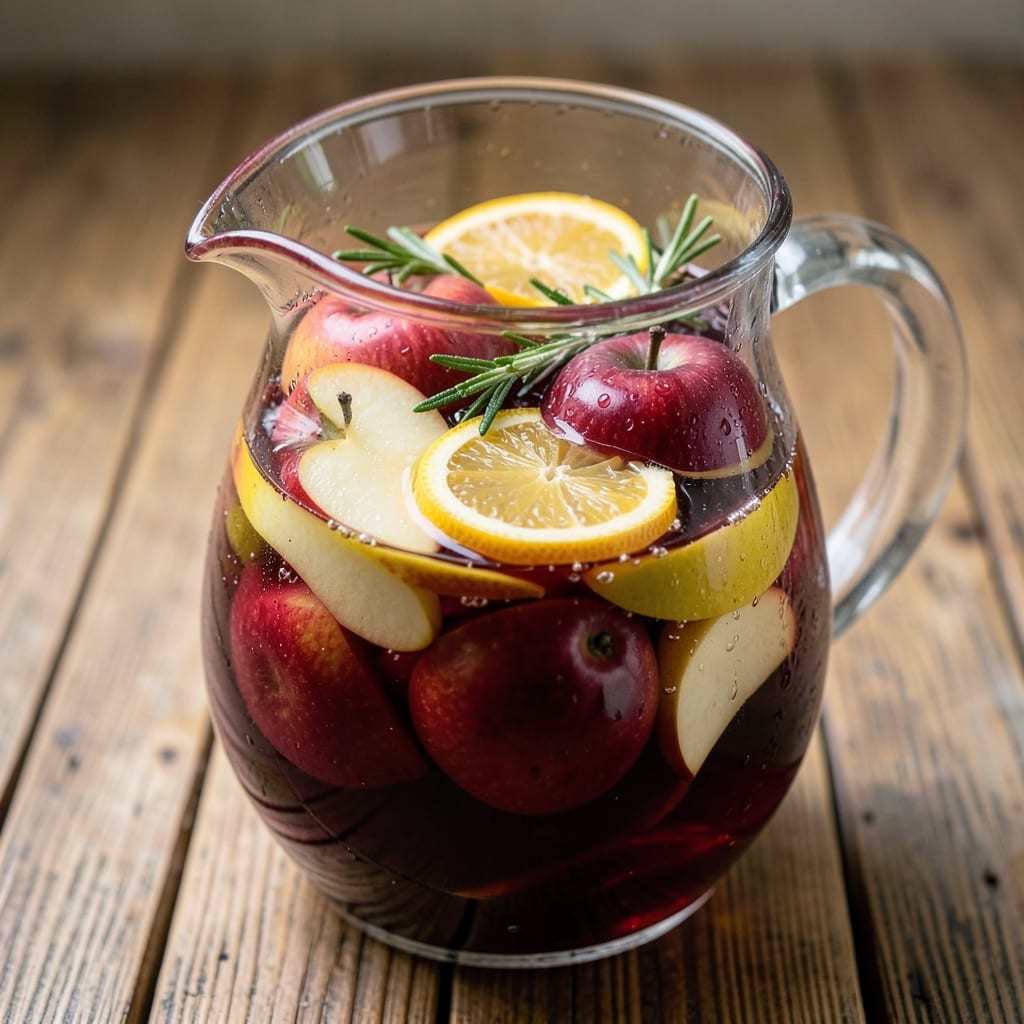
This apple and pear sangria recipe transforms a simple wine bottle into a vibrant, refreshing drink that’s perfect for summer gatherings or lazy afternoons. The combination of crisp apples and sweet pears creates a naturally sweetened, fruity infusion that balances perfectly with dry red wine—no added sugar required. What makes this recipe stand out is the flexibility: you can prepare it in just 10 minutes for an instant chill-out or let it infuse overnight for deeper flavor complexity.
The foundation of great sangria lies in the wine selection—opt for a medium-bodied red like Tempranillo or Grenache, which complements the fruit without overpowering it. Thinly sliced apples and pears release their juices gradually, sweetening the wine naturally as they steep. For a modern twist, add a splash of sparkling wine or a sprig of fresh rosemary to elevate the aroma. The result is a drink that’s effortlessly sophisticated yet approachable for any occasion.
What you’ll end up with is a pitcher of golden-hued sangria that’s fragrant with citrus and spice, balanced by the wine’s acidity and the fruit’s natural sweetness. The texture is smooth and refreshing, with just the right amount of fizz if you opt for sparkling wine. This recipe proves that sangria doesn’t have to be complicated—it’s all about letting the fruit and wine shine.
Perfect for brunch, picnics, or poolside lounging, this sangria adapts to your schedule. Serve it chilled over ice with a slice of fruit on the rim, or let it sit at room temperature for a few hours to develop even richer flavors. Here’s how to make it—simple, foolproof, and guaranteed to impress.
Ingredients for apple and pear sangria
Eight ingredients, infinite variations—this sangria is all about letting fruit and wine shine.
| Ingredient | Amount | Notes |
|---|---|---|
| Dry Red Wine 🍷 | 750 ml | Medium-bodied like Tempranillo or Grenache |
| Apples 🍎 | 2 medium | Thinly sliced, skin on |
| Pears 🍐 | 2 ripe | Thinly sliced, skin on |
| Sparkling Wine 🥂 | ½ cup | Optional for fizz |
| Fresh Rosemary 🌿 | 2 sprigs | For aroma |
| Orange Slices 🍊 | 4 thin | For garnish |
| Lemon Juice 🍋 | 1 tbsp | Freshly squeezed |
| Ice Cubes ❄️ | 1 cup | For serving |
| Simple Syrup 🍯 | 2 tbsp | Optional, skip if using sweet pears |
| Cinnamon Stick 🌱 | 1 whole | Optional for warmth |
The wine is non-negotiable here. Tempranillo or Grenache from Trader Joe's or local wine shops work perfectly—they’re medium-bodied enough to let the fruit sing without getting lost. Apples and pears should be firm but ripe; Honeycrisp apples and Bosc pears are my go-tos, but anything crisp holds up well. Thinly slice them (about 1/8-inch thick) so they infuse nicely without turning mushy. If you’re using organic fruit, no need to peel—skin adds texture and flavor. The rosemary? Grab a small bunch from the grocery store’s produce section—just two sprigs do the trick.
No sparkling wine? Skip it—this still tastes amazing. Want more sweetness? Add 1 tbsp honey or simple syrup instead of the optional amount. Sour pears or tart apples? Balance with 1 extra tbsp lemon juice. No rosemary? Fresh mint or basil works too. The cinnamon stick is totally optional but adds a warm, cozy note—especially if you’re serving this for breakfast sangria. Pro tip: If your fruit is extra juicy, strain the pitcher after 30 minutes to keep it from getting watery. And if you’re making this ahead, add the sparkling wine just before serving to keep the bubbles fresh.
This sangria gets better with time—2 hours minimum for decent flavor, overnight for maximum depth. Store the pitcher in the fridge, covered but not sealed, so the aromas can still mingle. The fruit will keep infusing for up to 3 days, though the texture gets softer after day 2. For serving, chill glasses first—it makes a huge difference. Garnish with orange slices and a rosemary sprig (or mint) for that Instagram-worthy look. Leftovers? Pour into small jars and stash in the freezer—thaw overnight in the fridge for a quick sangria cocktail later.
Why You'll Love This Recipe
- No-Chop Required: I swear by this—just core the fruit, slice thickly, and toss. No peeling, no dicing, no fuss. The rosemary sprigs stay whole, so you get that fresh aroma without extra work.
- Sweet-Savory Magic: That first sip? Tart red wine meets juicy pear and crisp apple, then boom—the effervescence from sparkling wine cuts through it all. Honestly, it’s the kind of balance that makes you pour another glass immediately.
- Weekend or Weeknight: Make it for brunch with toasted baguette slices, or serve it chilled at a picnic. Even better? It’s the perfect "I’ll just open a bottle" upgrade for when you’re too tired to cook.
- Leftovers? Even Better: This sangria actually improves overnight as the flavors meld. Split the batch—keep half for today, and the rest becomes tomorrow’s effortless appetizer. (Yes, even on a Tuesday night.)
Step-by-step instructions for refreshing apple and pear sangria
Here's how to assemble this effortless fruit sangria—no cooking required, just layering flavors.
Prepare the Fruit and Herbs
Start by thinly slicing the 2 medium Apples and 2 ripe Pears—skin on, seeds removed—into even ¼-inch thick pieces. The goal is to maximize surface area for flavor infusion without making them mushy. I like to work with a sharp chef's knife and cut directly over the pitcher to avoid mess.
Add the sliced fruit to a large pitcher or bowl along with the 2 sprigs Fresh Rosemary and 1 whole Cinnamon Stick. Gently stir to distribute everything evenly. The rosemary will add an aromatic herbal note while the cinnamon brings subtle warmth. Don't press down—just let them float among the fruit. This creates a beautiful presentation while allowing all ingredients to mingle naturally.
Build the Wine and Flavor Base
Pour the 750 ml Dry Red Wine into the pitcher, swirling gently to begin coating the fruit. At this stage, you're essentially creating a flavor bridge—letting the wine start extracting juices from the fruit while keeping the texture vibrant. I recommend using a medium-bodied red like Tempranillo or Grenache, as their lighter tannins won't overpower the delicate fruit flavors.
Add the 1 tbsp Lemon Juice and 2 tbsp Simple Syrup (if using), then stir everything together. The lemon juice brightens the fruit flavors while the simple syrup enhances their natural sweetness. If you skipped the syrup because your pears are particularly sweet, that's fine—the wine's acidity will balance everything perfectly. Let this mixture sit at room temperature for 10-15 minutes while you prepare the remaining elements.
Add the Finishing Touches
After the initial infusion, pour in the 0.5 cup Sparkling Wine (if using) and give everything another gentle stir. The bubbles will create a lively texture that contrasts beautifully with the still wine base. This is also when you'd add the 4 thin Orange Slices for garnish and a citrusy aroma—place them around the pitcher's edge for visual appeal.
Add the 1 cup Ice Cubes and stir one final time. The ice will chill the sangria to serving temperature while preventing it from becoming too watered down. Here's the thing—this drink tastes best when served slightly chilled but not ice cold, so you might want to add ice just before pouring. If you prefer it colder, add ice cubes as guests serve themselves.
Let It Infuse and Serve
Cover the pitcher and let the sangria infuse in the refrigerator for at least 2 hours (or up to 4 hours for deeper flavor). This resting period allows all the components to meld together harmoniously. The fruit will soften slightly but retain its shape, and the wine will take on a beautiful ruby hue with golden highlights from the fruit juices.
When ready to serve, give everything one final stir before pouring into glasses. The sangria should be vibrant in color with visible fruit pieces floating throughout. Serve immediately with the orange slices on the rim for an elegant touch. The perfect glass should balance the wine's acidity with the fruit's sweetness, while the rosemary and cinnamon add subtle complexity. Enjoy within 24 hours for the freshest flavor experience.
Pro Tips For Making Apple And Pear Sangria
- CHILL THE FRUIT FIRST: Toss your apples and pears in ice water for 10 minutes before slicing—this prevents them from turning to mush in the wine. I learned this the hard way when my sangria looked like a fruit smoothie after 2 hours.
- CUT PEARS IN WEDGES: Skip the thin slices—thick pear wedges hold their shape better and release flavor gradually. Apples can be diced smaller, but pears need that structure or they’ll dissolve into the wine too fast.
- ADD SPARKLING LAST: Pour the sparkling wine in right before serving—it’ll keep the drink fizzy and lively. If you mix it in early, the bubbles will fade within 30 minutes, and nobody wants flat sangria.
- USE ROSEMARY SPRIGS: Toss in 2-3 whole rosemary sprigs instead of chopping—it infuses flavor without overpowering, and you can easily fish them out later. No need to strain the whole pitcher.
Perfect pairings for this recipe
Fruity Side Pairings
Serve this sangria alongside grilled peaches or baked apples for a summer dessert table that feels effortless. The caramelized sweetness of the fruit complements the sangria's bright acidity beautifully. I love pairing it with vanilla bean ice cream for a creamy contrast that balances the wine's tannins. 🍑
Cheese Board Harmony
For a sophisticated spread, add creamy brie or aged gouda to your cheese board—their rich textures and nutty flavors stand up to the sangria's fruit-forward profile. A sprinkle of toasted almonds adds crunch, while honeycomb drizzle ties everything together. The rosemary in the sangria also pairs wonderfully with herb-infused goat cheese for an unexpected but delicious combo.
Savory Bites
If you're serving sangria at a brunch or picnic, include proscuitto-wrapped melon or smoked salmon blinis—the salty, savory notes cut through the drink's sweetness. I also recommend mini quiches with spinach and feta for a hearty bite that won't overpower the sangria's delicate flavors. The contrast of textures makes every sip feel fresh and exciting.
Herbal Tea Balance
For a non-alcoholic pairing, serve hibiscus tea or peach iced tea alongside the sangria. The tartness of hibiscus tea mirrors the lemon juice in the sangria, while the floral notes of peach tea enhance the fruit flavors. Both teas create a beautiful visual contrast with the ruby-hued sangria when served in clear glassware. 🌿
Dessert Pairings
End the meal with lemon bars or pear tartlets—the citrus notes in the dessert echo the lemon juice in the sangria, creating a cohesive flavor experience. For a lighter option, coconut macaroons add a tropical twist that pairs surprisingly well with the wine's earthy undertones. The texture contrast of chewy macaroons against the smooth sangria makes every bite feel special.
Modern Twist Pairings
For a contemporary touch, pair this sangria with charcuterie skewers featuring fig jam and prosciutto or olive and marcona almond combinations. The sweet-savory balance of these bites enhances the sangria's complexity. If you're serving at a cocktail party, add mini sliders with apple-cider glaze—the glaze's tangy sweetness mirrors the sangria's fruit flavors perfectly. 🥂
Nutrition facts
Frequently asked questions
Can I make this sangria without alcohol?
Replace the red wine with sparkling apple cider or non-alcoholic red wine (like Freixenet 0.0%). Keep the same fruit and infusion time for a kid-friendly version that still tastes refreshing. The lemon juice and simple syrup will maintain the balance of flavors beautifully.
How long can I keep leftover sangria?
Store it in the fridge for up to 3 days in an airtight container. The fruit will soften further after day 2, but the flavors remain delicious. For longer storage, freeze the sangria in ice cube trays—thaw overnight in the fridge for a quick batch later. The sparkling wine bubbles will dissipate, but the taste stays vibrant.
What's the best wine to use if I don't have Tempranillo?
Look for medium-bodied reds like Pinot Noir, Merlot, or Cabernet Sauvignon. Avoid bold, tannic wines like Malbec—they'll overpower the delicate fruit flavors. If you prefer white sangria, try dry Riesling or Sauvignon Blanc with the same fruit combination.
Why did my sangria turn cloudy?
Cloudiness usually means the fruit juices released too much pectin or the sangria sat too long at room temperature. Strain through a fine-mesh sieve after 2 hours to remove excess fruit pulp. For future batches, chill the sangria sooner—cold temperatures slow down oxidation and keep it clear longer.
Can I add other fruits to this recipe?
Yes! Try peaches, plums, or berries for extra sweetness, or citrus segments (like grapefruit) for brightness. Just adjust the infusion time—softer fruits like peaches work best with 2-3 hours max. Keep the total fruit volume similar to maintain the right balance.