
Desserts
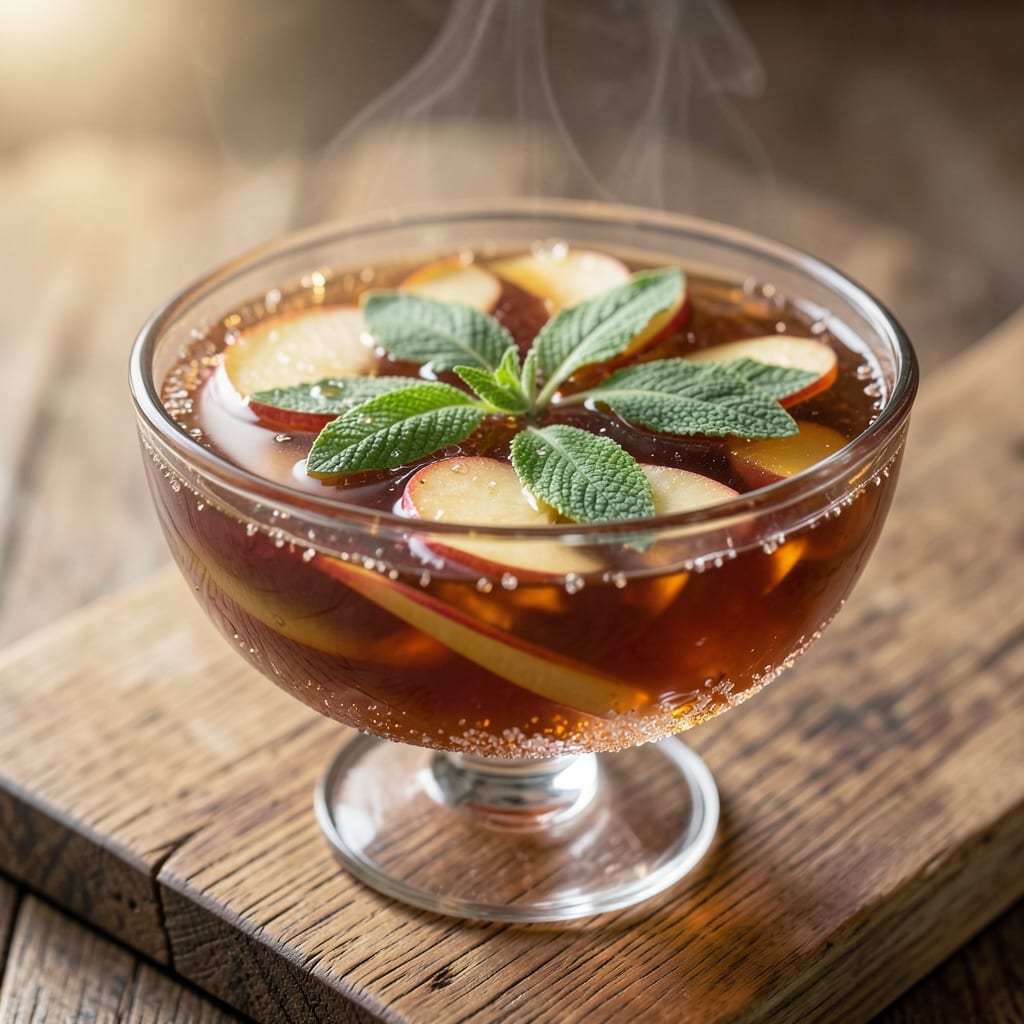
This apple and sage jelly recipe transforms simple ingredients into a sophisticated spread that elevates everything from toast to cheese boards. The aromatic combination of sweet apples and earthy sage creates a velvety, golden jelly with just the right balance of herbal brightness and natural sweetness. What makes this recipe stand out is how easily it comes together—no special equipment required, just a few pantry staples and a little patience for simmering.
The process begins with gently cooking apples and sage until their flavors meld into a fragrant purée, then adding pectin to create that signature wobble between jam and jelly. The result is a smooth yet slightly textured spread with vibrant color and layers of flavor—sweet apple notes complemented by the subtle piney warmth of sage. This jelly isn’t just for dessert; it’s a versatile condiment that adds depth to savory dishes too.
Once you’ve mastered this recipe, you’ll find endless ways to use it—spread on warm croissants, drizzle over fresh fruit, or pair with sharp cheeses for an unexpected twist on charcuterie. The jelly keeps beautifully in the fridge for up to three weeks, making it perfect for gifting or meal prepping ahead. With just a few simple ingredients and a little time, you’ll have a homemade spread that rivals anything store-bought.
For those watching sugar, you can easily reduce the amount without sacrificing texture, or experiment with adding a pinch of cinnamon or vanilla for extra warmth. The key is letting the flavors develop fully during the cooking process—this is where the magic happens. Ready to create something truly special?
Ingredients for apple and sage jelly
Eight simple ingredients for a sophisticated spread that transforms everyday meals.
| Ingredient | Amount | Notes |
|---|---|---|
| Fresh Apples 🍎 | 2 lb | Peeled, cored, cut into chunks |
| Fresh Sage Leaves 🌿 | ½ cup | Packed, stems removed |
| Granulated Sugar 🍚 | 2 cups | White or raw cane sugar |
| Lemon Juice 🍋 | ¼ cup | Freshly squeezed |
| Pectin 🍯 | 1 package | Powdered or liquid, 1 oz size |
| Water 💧 | 1 cup | Distilled preferred |
| Vanilla Extract 🌸 | ½ tsp | Pure vanilla for aroma |
| Salt 🧂 | ¼ tsp | Fine sea salt |
The apples are the foundation—choose firm, tart varieties like Granny Smith or Honeycrisp for that perfect balance of sweetness and acidity. Local farmers markets often have the best selection, but any grocery store produce section works. Look for apples that are vibrant in color and free from bruises. The sage leaves should be fresh, with a bright green hue and no yellowing—Trader Joe's or Whole Foods usually carry high-quality bunches. For the pectin, Ball or Sure-Jell are the most reliable brands, ensuring that signature jelly consistency. If you're feeling adventurous, you can experiment with organic apples for a slightly different flavor profile, but conventional varieties work perfectly fine.
No fresh sage? Dried sage at half the amount will work in a pinch, though fresh is ideal for that aromatic punch. Running low on pectin? Unsweetened applesauce can help thicken the jelly, though it won't set as firmly. If you're watching sugar, you can reduce the amount by one-quarter cup without sacrificing texture—just be prepared for a slightly softer jelly. For a deeper flavor, consider adding a pinch of cinnamon during the cooking process. The lemon juice is crucial for balancing the sweetness, so don't skip it—freshly squeezed is best, but bottled works if you're in a hurry. If you find yourself with extra jelly, it freezes beautifully for up to 6 months in airtight containers.
This jelly keeps beautifully in the fridge for up to 3 weeks when stored in a sealed jar. The key to longevity is ensuring the jars are completely clean and dry before filling them. For gifting, small mason jars make the perfect presentation—just add a ribbon and a handwritten note. If you find yourself with leftover jelly after a few weeks, it can be frozen for up to 6 months, though the texture may change slightly upon thawing. To reheat, simply warm in the microwave for 20-30 seconds, stirring until smooth. The jelly thickens as it cools, so don't be alarmed if it seems runnier right after reheating.
Why You'll Love This Recipe
- No-Fuss Ingredients: I swear by this recipe because it’s that simple—just apples, sage, sugar, and a splash of lemon. No fancy techniques, no last-minute store runs. Honestly, if I had a pantry full of nothing but those basics, I’d still make this.
- Herb-Infused Magic: That first spoonful of jelly? Sweet-tart apples with earthy sage? It’s like autumn in a jar. The lemon juice brightens it up just enough to make it feel special, not cloying—perfect for when you want flavor that actually sings.
- Pantry Stash Ready: Between us, this jelly keeps for months in the fridge, and it’s the ultimate lazy hostess gift. Toss it in a cute jar, slap a ribbon on it, and boom—you’ve got a present that’s basically edible gold. (Yes, even on a Tuesday night.)
- Budget-Friendly Luxury: Fresh apples and a few sage leaves stretch into enough jelly to slather on toast, drizzle over yogurt, or even mix into cocktails. I’ll be real: it’s cheaper than buying specialty jams, but it tastes like you spent all day in the kitchen. (Spoiler: You didn’t.)
Step-by-step instructions for apple and sage jelly
This method transforms tart apples and aromatic sage into a velvety jelly perfect for elevating toast or cheese boards.
Prepare the Apple-Sage Base
Combine the 2 lb fresh apples and 0.5 cup fresh sage leaves in a large pot. Add the 1 cup water and bring to a boil over medium-high heat. Once boiling, reduce heat to medium and simmer uncovered for 20-25 minutes until the apples break down completely and the mixture reduces to about 3 cups.
I stir occasionally to prevent sticking, and you'll notice the mixture darkening slightly as the sage infuses its earthy aroma. The apples should become mushy and the liquid should thicken noticeably. This reduction is crucial—it concentrates the apple flavor and removes excess moisture that would prevent proper gelling later.
Strain and Add Acid
Line a fine-mesh strainer with cheesecloth or a coffee filter and strain the apple-sage mixture into a clean bowl, pressing gently on the solids to extract all the liquid. Discard the solids. To the strained liquid, add the 2 cups granulated sugar, 0.25 cup lemon juice, and 0.25 tsp salt. Stir until the sugar dissolves completely.
The lemon juice is essential here—it provides the acidity needed for proper gelling. You'll want to make sure the sugar is fully dissolved before proceeding. If you see any undissolved sugar at the bottom, give it a quick pulse in a blender to break it up completely. This step ensures your jelly will set properly without graininess.
Incorporate Pectin and Vanilla
Return the mixture to the pot and bring to a full rolling boil over high heat, stirring constantly. Once boiling, add the 1 package pectin and stir vigorously for 1 minute. Remove from heat and stir in the 0.5 tsp vanilla extract. Skim off any foam that rises to the surface.
The pectin needs that vigorous stirring to fully activate and create the gelling action. I use a wooden spoon for this step—it helps distribute the pectin evenly. The vanilla extract adds depth of flavor and complements the herbal notes of the sage beautifully. This is where the magic happens—the jelly begins to thicken as it cools.
Test for Gel and Can or Store
Pour the jelly into clean, sterilized jars, leaving about ½ inch of headspace at the top. Let the jars cool to room temperature. To test if the jelly has set properly, place one jar in the refrigerator for 15 minutes. Then, run a clean knife through the jelly. If it comes out clean with a slight "wobble," your jelly has set correctly.
If it doesn't gel properly, you can return the jelly to a simmer and add an additional ½ teaspoon of pectin, then test again. Once properly set, store the jars in the refrigerator where they'll keep for up to 2 weeks. For longer storage, process the jars in a water bath canner for 10 minutes to preserve them for up to 1 year.
Enjoy with Perfect Pairings
Serve the apple and sage jelly chilled, spread on toasted sourdough or crackers, or drizzled over fresh fruit. Its balanced sweetness and herbal notes make it an excellent companion for sharp cheeses like aged cheddar or goat cheese. The jelly's texture should be smooth and slightly glossy, with a perfect balance of apple sweetness and sage's earthy aroma.
I like to serve this jelly at room temperature for the best flavor experience. The contrast between the warm, buttery toast and the cool, fruity jelly creates a delightful sensory experience. Store any leftovers in the refrigerator and bring to room temperature before serving to fully appreciate its complex flavors.
Pro Tips For Making Apple And Sage Jelly
- Peel Apples Thin: A knife through the skin and a quick spiral—no need to strip every layer. Thinner peels mean less bitterness and more natural sweetness in the jelly, plus they blend in without texture. I used to go overboard with peeling, but this saves time and keeps the flavor cleaner.
- Bruise Sage Leaves: Rough up those sage leaves with the flat side of your knife before adding them to the pot. This releases more aroma and oil, giving your jelly that rich, herbal depth. Skip this, and you’ll end up with subtle sage notes instead of bold ones.
- Boil Hard First: Crank the heat to high and let the apple mixture scream for 5 minutes before adding the sugar. This breaks down the pectin faster and prevents a gummy finish. After that initial blast, drop to a simmer—your future self will thank you for the set jelly, not the sad, wobbly mess.
- Measure Sugar Wet: Use a damp spoon to pack the sugar into the measuring cup—this ensures you’re using the full weight, not air pockets. Too little sugar? Your jelly will taste tart and underwhelming. Too much? It’ll crystallize. Be precise, especially if you’re not using a scale.
Flavor customization for apple and sage jelly
Spiced Variations
Add ½ teaspoon cinnamon and ¼ teaspoon cloves during the simmering stage for a warm, mulled-wine-inspired twist. The spices deepen the apple flavor while keeping the sage's herbal brightness intact. For a citrusy kick, zest 1 orange and add it with the lemon juice—this brightens the jelly beautifully. 🌶️
Herbal Infusions
Swap sage for thyme or rosemary at a 1:1 ratio for a Mediterranean flair. Thyme adds a subtle earthiness, while rosemary brings a piney depth. For a floral touch, use ½ cup lavender sprigs (remove before straining)—just a whisper of floral notes enhances the apple's sweetness. I’ve found lavender pairs especially well with goat cheese.
Texture Adjustments
For a chunky jelly, blend only ¾ of the strained liquid before adding sugar, leaving the remaining ⅓ cup apple pieces intact. This creates delightful apple bits that add texture. For a smooth finish, strain through a fine-mesh sieve lined with cheesecloth for extra clarity. Both versions work beautifully—it’s all about preference! ✨
Sweetness Control
Reduce sugar to 1½ cups for a lighter jelly, though the texture will be softer. Balance it with extra lemon juice (⅓ cup) to maintain gelling power. For a caramelized depth, cook the apples with 1 tablespoon brown sugar instead of white—this adds a subtle molasses note that pairs perfectly with the sage.
Savory Twists
Add ½ teaspoon smoked paprika during the final boil for a smoky-sweet jelly that’s perfect on grilled cheese or charcuterie. For a tangy contrast, stir in 1 tablespoon balsamic vinegar** with the lemon juice. These savory elements make this jelly a star on breakfast tables or cheese boards. 🧀
Nutrition facts
Frequently asked questions
Can I use dried sage instead of fresh?
Yes, but reduce the amount by half—¼ cup dried sage instead of ½ cup fresh. Dried sage has a more concentrated flavor, so using the same quantity will make your jelly taste overly bitter. For best results, crush the dried leaves slightly before adding to release more aroma.
Why did my jelly turn out too runny?
This usually happens if the pectin wasn't fully activated during the 1-minute boil or if the sugar wasn't completely dissolved. Try adding ½ teaspoon extra pectin and reboiling for another 1-2 minutes**, then test again. Also ensure you used enough lemon juice—the acidity is crucial for proper gelling.
How long does homemade jelly last unrefrigerated?
For short-term storage, leave jars at room temperature for up to 2 days in a cool, dark place. For longer shelf life, process in a water bath canner for 10 minutes to preserve for 1 year. The pectin helps extend freshness, but refrigeration is best for maintaining optimal texture and flavor.
Can I make this jelly without pectin?
Yes, but the texture will be softer—more like a thick compote. Use 1 cup unsweetened applesauce instead of pectin and reduce sugar to 1½ cups. Simmer longer (30-40 minutes) to thicken naturally. This works well for drizzling over pancakes or yogurt where a firmer set isn't required.
What's the best apple variety for this recipe?
Tart apples work best—try Granny Smith or Honeycrisp. Their acidity balances the sweetness and complements the sage beautifully. Avoid overly sweet varieties like Gala, as they may make the jelly taste cloying. A mix of tart and slightly sweet apples (like Fuji) also creates a well-rounded flavor.