
Sauces & Condiments
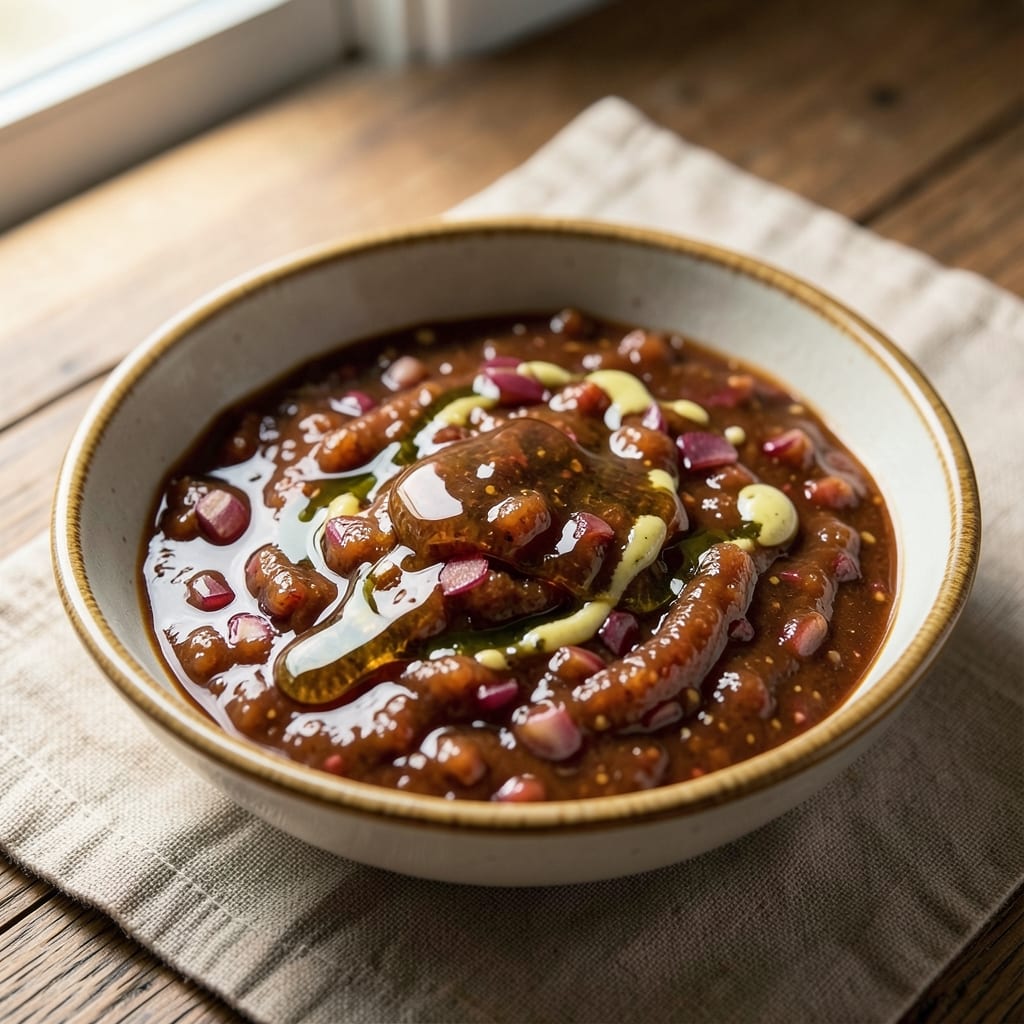
This apple balsamic vinegar dressing recipe transforms simple salads into flavorful masterpieces with its perfect sweet-tart balance. The secret lies in combining fresh apple cider with aged balsamic vinegar, creating a dressing that's rich yet bright—ideal for autumn harvests or year-round meals. What sets this apart is the natural emulsification from olive oil and Dijon mustard, ensuring a silky texture that clings beautifully to greens.
The process is straightforward yet precise: whisk together the vinegar, apple cider, honey, and mustard to create a base, then gradually incorporate the oil while maintaining a smooth consistency. This dressing isn't just for salads—it elevates roasted vegetables, grilled chicken, and even drizzled over fruit desserts. The acidity of the balsamic cuts through richness, while the apple adds a subtle sweetness that makes every bite sing.
What you'll achieve is a dressing that's restaurant-quality yet simple to make, with ingredients you likely already have in your pantry. The flavor develops as it sits, becoming even more complex over time. Store it in the fridge for up to a week, and you'll always have a quick way to elevate any dish without extra effort.
Perfect for health-conscious eaters, this dressing is naturally gluten-free and can be easily adjusted to suit dietary preferences. Whether you're prepping for a weeknight dinner or hosting a holiday gathering, this versatile sauce delivers consistent results. Let's create it together.
Ingredients for apple balsamic vinegar dressing
Pantry staples meet fresh ingredients for a dressing that's restaurant-quality yet simple.
| Ingredient | Amount | Notes |
|---|---|---|
| Apple Cider 🍎 | ½ cup | Freshly pressed preferred |
| Balsamic Vinegar 🍷 | ½ cup | Aged 2+ years for depth |
| Extra-Virgin Olive Oil 🫒 | ¾ cup | Light, fruity variety |
| Dijon Mustard 🍯 | 1 tbsp | Mild or strong preference |
| Raw Honey 🍯 | 2 tbsp | Wildflower or clover variety |
| Shallot 🧅 | 1 whole | Minced for fine texture |
| Fresh Thyme Leaves 🌿 | ¼ tsp | Dried works at 1/4 amount |
| Sea Salt 🧂 | ½ tsp | Fine grain preferred |
| Black Pepper 🌶️ | ¼ tsp | Freshly ground preferred |
| Lemon Juice 🍋 | 1 tsp | Freshly squeezed |
The balsamic vinegar is non-negotiable here—aged 2+ years gives that rich, caramelized depth. Trader Joe's and Whole Foods carry excellent options, or check the Italian aisle at any grocery store. Fresh apple cider makes all the difference (the store-bought kind works fine), but if you're feeling fancy, press your own from apples. The olive oil should be light and fruity—California brands like Corto or Bertolli are reliable. Thyme adds an earthy note that pairs perfectly with the sweet-tart balance, and fresh is ideal, but dried works in a pinch.
No Dijon mustard? Whole-grain mustard thinned with water gets you close. Substituting maple syrup for honey? Use the same amount—it's just as effective. Short on shallots? Red onion works at double the amount, but you'll lose some of that delicate sweetness. The lemon juice can be swapped for white wine vinegar if you're out, but the flavor will shift slightly. For a vegan version, simply omit the honey and use maple syrup instead—agave works too.
This dressing keeps beautifully in the fridge for up to 1 week, though it tastes best after sitting for a few hours. If you make extra (you will), store it in a glass jar with a tight seal—it'll stay fresh for 2 weeks. I always double the batch because it disappears fast. The flavors actually improve over time, so if you have leftovers, they're even better the next day. Perfect for meal prep—just shake before using.
Why You'll Love This Recipe
- Five-Ingredient Magic: I swear by this combo—just whisk apple cider, balsamic, olive oil, mustard, and honey. No peeling, no chopping, no stress. Honestly, it’s the kind of dressing I’ll make even when I’m too tired to cook.
- Sweet-Tart Balance: That honey and apple cider team up to cut through the sharpness of the balsamic, while the Dijon mustard adds a little kick. It’s bright, it’s rich, and it’s the kind of flavor that makes you pour extra—no regrets.
- Salad to Sandwich: Drizzle it over greens for a lunch upgrade, toss it with roasted veggies, or slather it on a grilled chicken sandwich. I’ve used it for everything from picnic sides to weeknight dinners, and it never lets me down.
- Makes More Than You Need: Between us, this dressing lasts forever in my fridge. I’ll make a big batch, use half on salads, and the rest gets slathered on toast or stir-fried veggies. It’s the ultimate pantry stretch—no waste, all flavor.
Step-by-step instructions for apple balsamic vinegar dressing
This dressing comes together in minutes with ingredients you likely already have on hand.
Finely Minced the Shallot
Peel the 1 whole shallot and cut it into quarters. Place one quarter at a time on a cutting board and use a sharp chef's knife to mince it into tiny pieces—think less than 1/8-inch in size. The goal is to create a fine texture that dissolves completely into the dressing without leaving any noticeable bits. If you're not comfortable with knife skills, pulse the shallot in a food processor for 3-4 seconds instead.
As you work, keep the minced shallot in a small bowl. The sharp, slightly sweet flavor will mellow as it sits, but it's essential for building the dressing's depth. Don't skip this step—raw shallot adds complexity that store-bought dressings can't match. If you accidentally chop it too large, simply pulse it again briefly in the food processor.
Whisk Together Wet Ingredients
In a medium bowl, combine the 0.5 cup apple cider, 0.5 cup balsamic vinegar, 2 tbsp raw honey, 1 tbsp Dijon mustard, and 1 tsp lemon juice. Use a whisk to blend everything thoroughly for about 30 seconds until the honey is fully dissolved and the mixture looks smooth. The apple cider should create a subtle sweetness that balances the vinegar's tang, while the honey adds viscosity.
Here's the thing—don't rush this blending. The honey can clump if you whisk too quickly, and you want everything fully incorporated before adding the oil. If the mixture looks cloudy or uneven, let it sit for 1 minute and whisk again. The apple cider and balsamic vinegar should create a fragrant aroma that's both sweet and slightly acidic—this is your flavor foundation.
Gradually Emulsify the Olive Oil
With the whisk still in the bowl, slowly drizzle in the 0.75 cup extra-virgin olive oil while continuing to whisk vigorously. Add it in a thin, steady stream—about 1 tablespoon at a time—to prevent the dressing from breaking. The key is patience; rushing this step will result in a separated dressing. You'll know you're doing it right when the mixture begins to thicken and take on a creamy, emulsified texture.
If the dressing starts to look curdled or separated at any point, don't panic. Simply add 1 teaspoon of warm water and whisk vigorously for another 30 seconds. The olive oil should eventually come back together, creating a smooth, velvety consistency. The dressing should now coat the back of a spoon without being too thick—it should flow easily but still cling to vegetables.
Season and Rest Before Serving
Add the 0.5 tsp sea salt, 0.25 tsp black pepper, and 0.25 tsp fresh thyme leaves to the bowl. Stir gently with a spoon to combine, being careful not to overmix and break the emulsion. Taste the dressing and adjust the seasoning if needed—you might want to add a pinch more salt or a splash of lemon juice to balance the flavors. The thyme leaves should infuse the dressing with their earthy aroma, adding another layer of complexity.
Let the dressing sit at room temperature for 10-15 minutes before serving. This resting period allows the flavors to meld together and the dressing to reach its ideal consistency. If you're short on time, you can serve it immediately, but the flavor will be even more harmonious after resting. Store any leftovers in an airtight container in the refrigerator for up to 5 days, shaking well before each use.
Pro Tips For Making Apple Balsamic Vinegar Dressing
- STIR CONSTANTLY: This isn’t just a dressing—it’s an emulsion, and emulsions hate being ignored. Whisk or shake (if using a jar) every 30 seconds for the first 2 minutes after mixing. The Dijon mustard is your emulsifier, but it needs help combining the oil and vinegar before they decide to separate.
- USE AGED BALSAMIC: The cheap stuff works in a pinch, but real aged balsamic (10+ years) adds depth that changes the whole dish. If you’re using the supermarket version, reduce it by half first—it’s thinner and sweeter, so you’ll need less. (Yes, it’s pricier, but you’ll taste the difference.)
- SWEAT THE APPLE CIDER: Don’t just dump cold apple cider into the mix. Warm it gently (just until steaming) in a small saucepan for 30 seconds—this softens the sharpness and lets the honey blend smoother. Skip this, and your dressing might taste like a science experiment gone wrong.
- WHISK IN HONEY LAST: Honey thickens when it hits cooler liquids, so add it after everything else is combined and the mixture has cooled slightly. If you add it too early, you’ll end up with a gluey mess instead of a silky dressing. (Trust me, I’ve made that mistake.)
Dietary considerations for this apple balsamic vinegar dressing
Gluten-Free Friendly
This dressing is naturally gluten-free since it relies on simple ingredients like apple cider, balsamic vinegar, and olive oil—no wheat or gluten-containing additives. The Dijon mustard used in the recipe is typically gluten-free, but always check the label if you're highly sensitive, as some brands may contain traces. I always opt for Annie's or Maille Dijon mustard, which are certified gluten-free and add that perfect tang without worry. 🌾
Vegan Adaptations
For a vegan version, simply swap the raw honey for 2 tbsp maple syrup or agave nectar—both work beautifully and maintain the same sweetness level. The rest of the ingredients remain unchanged, so you'll still get that rich, emulsified texture with all the apple-balsamic depth. I've made this version countless times for vegan friends, and they never notice the difference. Just be sure to use a vegan-certified honey substitute if that's important to you. 🌱
Low-Sugar Options
If you're watching your sugar intake, reduce the honey to 1 tbsp and add 1 tsp of balsamic glaze instead—it enhances the caramelized notes without adding extra sweetness. For an even lower-sugar option, use monk fruit sweetener (about 1 tsp) dissolved in warm water before adding it to the dressing. The flavor profile stays balanced, and you'll still achieve that silky emulsion. Trust me, it's a game-changer for diabetic-friendly meals. 🍎
Nut-Free Considerations
This recipe is inherently nut-free, but if you're serving it to someone with severe nut allergies, double-check that your olive oil isn't processed in a facility with nuts. Corto and Bertolli olive oils are typically safe, but always verify the label. The other ingredients—apple cider, balsamic vinegar, and honey—are universally nut-free, so you're mostly just ensuring cross-contamination isn't an issue. When in doubt, I like to use avocado oil as a nut-free alternative for emulsification. 🥑
Dairy-Free by Nature
Since this dressing contains no dairy at all, it's perfect for lactose-intolerant individuals or those following a dairy-free diet. The olive oil provides richness, while the apple cider and balsamic vinegar create a bright, tangy contrast. I've served this at dairy-free potlucks, and it's always a hit—especially when paired with roasted Brussels sprouts or grilled chicken. No substitutions are needed; the recipe is already fully compliant. 🧀
Allergen-Friendly Ingredients
All the ingredients in this dressing are common allergens, but they're used in their purest forms. The shallot and thyme are low-risk for most allergies, while the honey can be substituted for maple syrup if needed. For those with mustard allergies, simply omit the Dijon and add an extra ½ tsp of lemon juice to brighten the flavors. The dressing remains just as vibrant and delicious without it. Always keep an eye on ingredient labels, but this recipe is one of the safest for most dietary restrictions. 🛡️
Nutrition facts
Frequently asked questions
Can I use regular apple juice instead of apple cider?
You can substitute, but the flavor will be less complex. Apple cider has natural sweetness and subtle apple notes that store-bought juice lacks. For best results, use freshly pressed apple juice or add ½ tsp cinnamon to mimic cider's depth. If you must use juice, choose a brand with no added sugar.
Why did my dressing separate?
This happens when oil and vinegar aren't properly emulsified. The fix? Add 1 tsp warm water and whisk vigorously for 30 seconds. For prevention, always add oil slowly while whisking continuously. If it separates again, try blending with an immersion blender for 10 seconds to re-emulsify.
How long will this dressing keep in the fridge?
Store in an airtight container for up to 1 week—it actually tastes better after resting! The flavors meld beautifully. For longer storage, transfer to a sterilized jar and it'll last 2 weeks. Always shake well before using, as separation may occur over time.
What's the best way to use this dressing beyond salads?
This versatile sauce elevates so much! Drizzle over roasted vegetables, grilled chicken, or steak. Use as a marinade (add 1 tbsp olive oil to the dressing), or toss with cooked quinoa. Even try it as a glaze for pork chops by simmering for 3 minutes. The sweet-tart balance works everywhere!
Can I make this without a whisk?
Use a fork or small spoon to mix the wet ingredients first. For the oil, add it 1 tbsp at a time while stirring vigorously with a spoon. If it separates, blend with an immersion blender for 5-10 seconds. The key is patience—take your time adding the oil.