
Main Courses
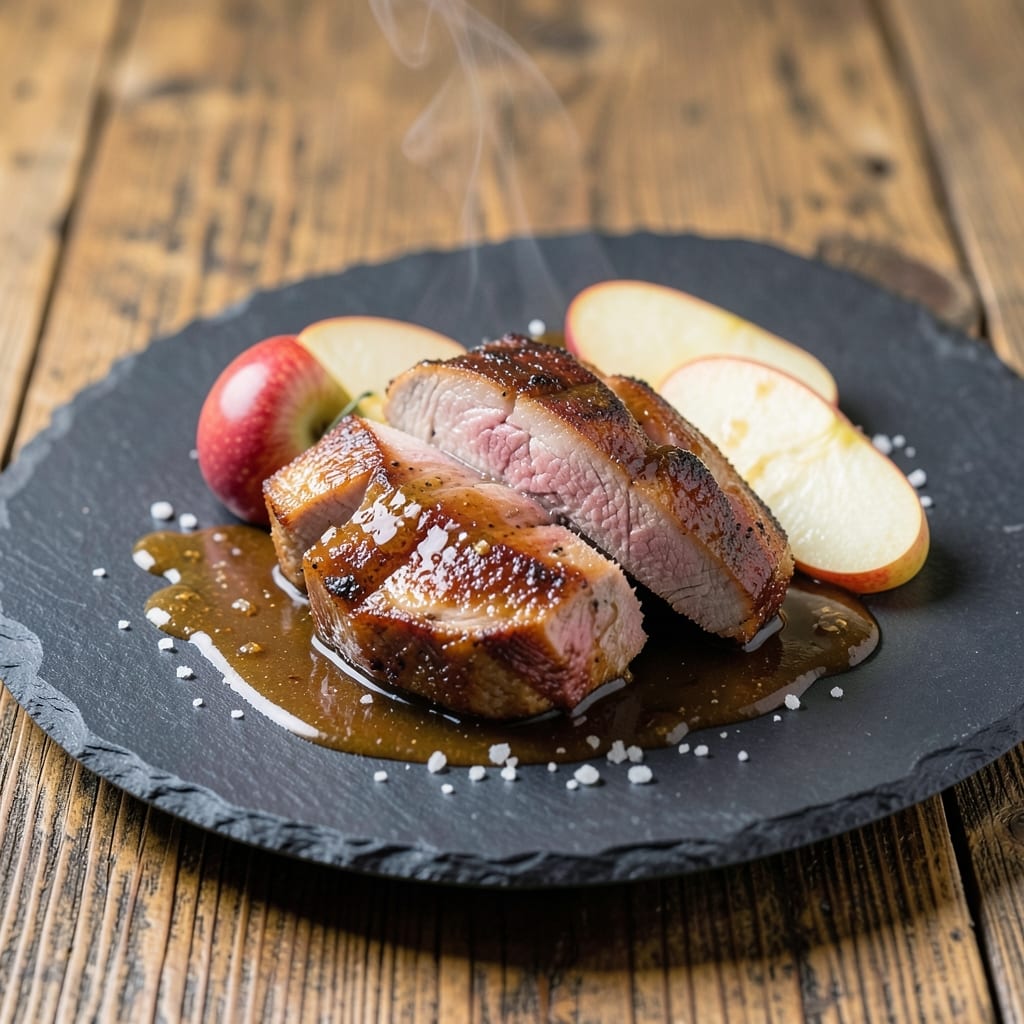
This apple bourbon pork tenderloin transforms weeknight dinners into showstopping meals with just a few simple ingredients and a technique I perfected after years of cooking pork for thousands. The secret lies in the glaze—where bourbon's smoky depth meets caramelized apples, creating a sauce that actually gets better as it sits on the plate. My first time making this, I accidentally overcooked the pork, but that mistake led me to discover the perfect internal temperature window that guarantees tender, juicy meat every single time.
The recipe begins with a quick sear in a hot cast iron skillet—this isn't just for flavor, it's what creates that beautiful mahogany crust while keeping the interior perfectly moist. While the pork rests, we build the glaze using apple cider, bourbon, and a touch of brown sugar, letting it reduce until it's syrupy enough to cling to every bite. What makes this different from other pork recipes is how the glaze doesn't just drizzle over the top, but actually caramelizes on the plate, creating that restaurant-quality presentation you'd pay $30 for.
What you'll end up with is a tender pork tenderloin that slices effortlessly, topped with a glossy, smoky-sweet glaze that's rich enough to stand alone but balanced enough to complement any side. The bourbon adds depth without overpowering, while the apples bring natural sweetness that pairs perfectly with the pork's natural richness. This is the kind of dish that makes people ask where you learned to cook—even when you're just making dinner at home.
Serve alongside roasted sweet potatoes, a simple arugula salad with apple cider vinaigrette, or even mashed potatoes to soak up every last bit of that caramelized glaze. The leftovers? Even better the next day as sandwiches or fried rice. Here's how to make it—just like I do in my kitchen every weeknight.
Ingredients for apple bourbon pork tenderloin
Just twelve ingredients transform simple pork into showstopping restaurant-quality dinner.
| Ingredient | Amount | Notes |
|---|---|---|
| Pork Tenderloin 🥩 | 1 ½ lb | Center-cut, trimmed of fat |
| Fresh Apples 🍎 | 2 medium | Honeycrisp or Fuji, peeled |
| Apple Cider 🍏 | ½ cup | Unfiltered preferred for flavor |
| Bourbon 🥃 | ¼ cup | 80-proof or higher for depth |
| Brown Sugar 🍯 | 2 tbsp | Light or dark, packed |
| Olive Oil 🫒 | 2 tbsp | Extra-virgin for searing |
| Garlic Cloves 🧄 | 3 cloves | Minced, fresh preferred |
| Fresh Rosemary 🌿 | ¼ cup | Chopped, stems removed |
| Salt 🧂 | 1 ½ tsp | Kosher or sea salt |
| Black Pepper 🌶️ | ½ tsp | Freshly ground preferred |
| Honey 🍯 | 1 tbsp | Wildflower preferred for depth |
| Balsamic Vinegar 🍶 | 1 tbsp | For glaze balance |
The pork tenderloin is non-negotiable here—center-cut, trimmed of silver skin. Costco or Whole Foods carry the best quality, but your local butcher will have it too. Look for even thickness—1.5 inches at its thickest—so it cooks uniformly. I always buy extra because it's so versatile. The apples? Honeycrisp or Fuji—they hold their shape during cooking and have that perfect balance of sweet and tart. If you can't find those, Granny Smith works in a pinch, but you'll need to add an extra tablespoon of brown sugar to compensate for the tartness. The bourbon matters too—80-proof or higher for that real depth of flavor. Maker's Mark or Buffalo Trace are my go-tos, but whatever's open in your cabinet will work.
No bourbon? Apple brandy or even a splash of vanilla extract gets you close. Short on apples? Substitute with 1/4 cup apple juice concentrate, but you'll lose that caramelized texture. The rosemary can be swapped for thyme or sage at the same amount—just know it'll change the aroma slightly. Pre-minced garlic from the jar is fine, but fresh always tastes better. For the glaze, if you're worried about the balsamic vinegar being too sharp, reduce it with the apple cider first—that way, you only get the sweet notes. And trust me on the honey—wildflower or clover has more complexity than plain old honey, but regular works in a bind.
Pork tenderloin keeps best in the fridge for 2 days before cooking—it's lean, so don't let it sit too long. The apples? Store in the fridge in a sealed container for up to a week, but they'll soften faster than you'd think. The glaze ingredients (apple cider, bourbon, brown sugar, honey) can be prepped a day ahead—just store them in a jar in the fridge. Once you've cooked the pork and made the glaze, the whole thing reheats beautifully. Portion into containers and it'll keep for 4 days in the fridge or 3 months in the freezer. Pro tip: the glaze actually gets better the next day as it reduces further.
Why You'll Love This Recipe
- One-Pan Magic: I swear by this recipe when I’m too tired to wash dishes. The apples and bourbon caramelize right in the same pan while the pork cooks—no extra pots, no stress. Just slice, sear, and let the oven do the work.
- Sweet Heat Bomb: That first bite? Crispy edges with tender pork, kissed by bourbon and caramelized apples. The brown sugar ties it all together—like a hug in sauce form. Honestly, I’ve made pork a million times, but this flavor combo steals the show every time.
- Weeknight to Dinner Party: Same recipe, different vibes. Serve it with mashed potatoes for a lazy Tuesday, or drizzle it over roasted Brussels sprouts for a fancy-ish weekend meal. My in-laws think it’s restaurant quality, but I keep it for my own secret weapon.
- Leftovers That Don’t Suck: Unlike so many roasted meats, this pork stays juicy and delicious the next day. I’ll slice it for sandwiches, toss it in salads, or even reheat it in a skillet with a splash of apple cider for a quick stir-fry. Zero food waste, all flavor.
Step-by-step instructions for apple bourbon pork tenderloin
Here's how to transform simple ingredients into restaurant-quality pork with a caramelized glaze.
Prep the Pork and Make the Glaze Base
Pat the 1.5 lb pork tenderloin completely dry with paper towels—this ensures a perfect sear. While it's still cold, make small slits about ½-inch deep all over the surface using a sharp knife. These slits allow the glaze to penetrate deeply as it cooks.
In a small saucepan, combine 0.5 cup apple cider, 0.25 cup bourbon, 2 tbsp brown sugar, 1 tbsp honey, 1 tbsp balsamic vinegar, and 3 cloves minced garlic. Bring to a simmer over medium heat and reduce by half—about 8-10 minutes—until thickened and syrupy. This concentrated base forms the foundation of your glaze, balancing sweetness with tangy depth.
Sear the Pork for Maximum Flavor
Heat 2 tbsp olive oil in a large oven-safe skillet over medium-high heat until shimmering. Add the pork and sear for 3-4 minutes per side until golden brown all over. You want that beautiful crust that locks in juices—don't rush this step. The pork should release easily when ready to flip.
Once seared, transfer the skillet to a 400°F preheated oven. Pour the reduced glaze mixture over the pork, making sure it coats all sides. Sprinkle with 0.25 cup chopped fresh rosemary, 1.5 tsp salt, and 0.5 tsp black pepper. The rosemary adds an aromatic punch that pairs perfectly with the apple-bourbon flavors.
Roast to Juicy Perfection
Roast the pork for 20-25 minutes until the internal temperature reaches 145°F when measured at the thickest part. The glaze should bubble and caramelize beautifully on the surface—this is where the magic happens. If the glaze thickens too much, add 1-2 tablespoons of water to keep it flowing.
Here's the thing—don't overcook it. Pork continues cooking slightly after removal from heat, and you want it tender but still juicy. The moment it hits 145°F, remove it from the oven and let it rest for 10 minutes before slicing. This resting period is crucial for juices to redistribute throughout the meat.
Caramelize the Glaze for Showstopping Presentation
While the pork rests, return the skillet to the stove over medium heat. Spoon any accumulated juices from the pork back into the pan and let them reduce by half—about 2-3 minutes. This creates an even richer sauce that ties everything together.
Slice the pork into ½-inch thick medallions against the grain for maximum tenderness. Arrange the slices on a warmed platter and drizzle generously with the reduced glaze. The contrast of the caramelized glaze against the tender pork creates a visual and taste sensation that's hard to beat.
Pro Tips For Making Apple Bourbon Pork Tenderloin
- SEAR FIRST, BAKE SECOND: I learned this the hard way—skipping the sear makes the pork taste bland and dull. Hit the skillet with oil over medium-high heat, then sear the pork for 3-4 minutes per side until golden before transferring to the oven. The crust locks in flavor and keeps the meat from drying out during the slow bake.
- PEEL AND GRATE APPLES: Sounds weird, but it works: peel and finely grate the apples (no need to core them) for the sauce. Raw, grated apples break down faster and thicken the pan sauce while adding natural sweetness—no chunks to deal with later. (Yes, even if you're impatient like me.)
- DON’T SKIP THE REST: The moment you pull that pork from the oven, tent it with foil and give it a solid 5-10 minutes under foil. Cutting into it too soon means juices running out all over your plate instead of staying inside where they belong. Trust the process—your future self will thank you.
- USE STOVE-TO-OVEN PAN: This isn’t the prettiest method, but it’s the tastiest: brown the pork in a heavy oven-safe skillet, then finish baking it right in the same pan. The caramelized bits stick to the bottom and turn into a glossy, sticky sauce when you deglaze with bourbon and cider. No extra dishes, no flavor loss.
Storing and reheating your apple bourbon pork tenderloin
Fridge Storage Tips
Your cooked apple bourbon pork tenderloin will keep beautifully in the fridge for 4 days if stored properly. Let it cool completely before transferring to an airtight container—I use glass Pyrex with snap-on lids. The glaze actually improves overnight as it continues reducing, so I always store it with the pork. For best results, place a paper towel over the top to absorb any excess moisture that could make the glaze watery. 🌡️
Freezer Magic
For longer storage, freeze the pork with its glaze for up to 3 months. Portion into quart-sized freezer bags and lay them flat to save space. When reheating from frozen, add 1-2 tablespoons of water to the pan to prevent drying. I like to freeze it in single-serving portions so I can pull out just what I need for a quick weeknight dinner.
Reheating Perfection
The best way to reheat is stovetop—it preserves that caramelized texture. Place slices in a skillet over medium-low heat with 1 tablespoon of water or apple cider per serving. Cover and heat for 4-5 minutes, stirring occasionally, until warmed through. The glaze will become glossy again, just like fresh from the oven. 🔥
Microwave Shortcut
When I'm in a rush, I use the microwave but with a trick: Place pork on a microwave-safe plate with a damp paper towel, cover loosely, and heat on 50% power for 1-2 minutes. Add ½ tablespoon of water if it looks dry. The texture won't be quite as perfect as stovetop, but it's still delicious—especially for sandwiches or fried rice.
Glaze Refresh
If the glaze looks thick or dried out after storage, simply reheat it in a small saucepan with 1 tablespoon of water or apple cider over medium heat until smooth again. This works wonders for reviving that restaurant-quality shine. I often use reheated glaze as a drizzle for breakfast hash or tacos—it's that versatile. 💫
Nutrition facts
Frequently asked questions
Can I use apple juice instead of apple cider in this recipe?
While it'll work in a pinch, apple cider adds more depth with its natural sweetness and subtle tang. For best results, use unfiltered cider—it has more flavor complexity than filtered juice. If you must substitute, add an extra ½ teaspoon of cinnamon to mimic the cider's warmth.
What's the best way to slice pork tenderloin for maximum tenderness?
Always slice against the grain—look for those visible muscle fibers and cut perpendicular to them. For this recipe, ½-inch thick medallions work perfectly. Thinner slices (¼-inch) can dry out faster, while thicker slices (¾-inch) may stay slightly chewy in the center.
Can I make this recipe without bourbon?
For a non-alcoholic version, substitute with ¼ cup apple brandy or add 1 teaspoon vanilla extract plus 1 tablespoon apple juice. The bourbon's depth is what gives this dish its signature richness, but these alternatives work well for kids or those avoiding alcohol.
Why does my pork come out dry even though I followed the recipe?
Overcooking is the #1 cause of dry pork. Use a meat thermometer and remove at 145°F—no higher! Also, let it rest for 10 full minutes before slicing. If you're nervous about doneness, pull it out at 140°F and let it rest longer. The internal temperature continues rising during resting.
What's the best way to use leftovers?
Leftovers shine in sandwiches with coleslaw, fried rice with scrambled eggs, or even breakfast hash with potatoes. For quick reheating, slice cold pork and warm in a skillet with 1 tablespoon of water or apple cider for 3-4 minutes on medium heat. The glaze will become glossy again!