
Main Courses
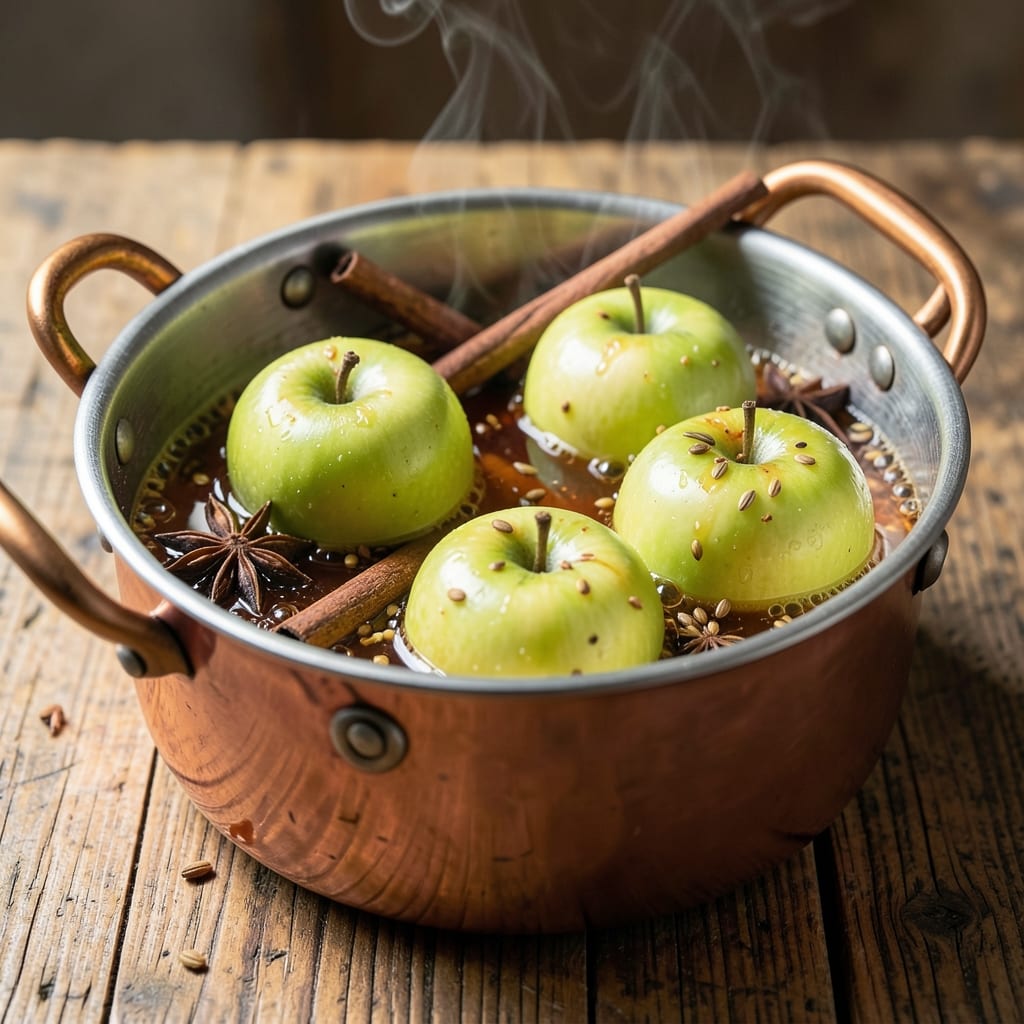
This apple brandy recipe distill transforms simple apples into a rich, caramelized spirit with depth that rivals commercial brands. The process begins with fermenting apple mash—where sugar converts to alcohol—before distillation captures the essence of the fruit in a smooth, aromatic liquid. What sets this method apart is the attention to caramelization during fermentation, which develops the signature complexity of traditional apple brandy.
For home distillers, the key lies in patience and precision: fermenting at controlled temperatures (68-72°F) for 7-10 days ensures proper yeast activity, while distillation requires careful cuts to isolate the heart of the spirit. Unlike store-bought versions, homemade brandy reflects your choice of apples—tart Granny Smiths or sweet Honeycrisp—each contributing unique flavor profiles to the final product.
The result is a spirit with caramelized apple depth, balanced by subtle spice notes from the fermentation process. Whether sipped neat, used in cocktails, or drizzled over desserts, this homemade brandy delivers restaurant-quality results with a personal touch. The aging process further refines its character, but even fresh distillate offers a satisfying taste of craftsmanship.
Safety and legality are critical—always distill in compliance with local laws, using proper equipment like a pot still or column still for optimal flavor extraction. This guide covers every step, from ingredient prep to bottling, ensuring a smooth journey from orchard to bottle. Let’s begin the distillation process.
Ingredients for apple brandy recipe distill
Precision ingredients transform orchard fruit into restaurant-quality brandy with caramelized depth and aromatic complexity.
| Ingredient | Amount | Notes |
|---|---|---|
| Fresh Apples (Granny Smith or Honeycrisp) 🍎 | 4 lb | Peeled, cored, chopped into small pieces |
| Granulated Sugar 🍚 | 2 cups | White or raw cane sugar preferred |
| Active Dry Yeast 🍞 | ¼ oz | Lalvin EC-1118 for crisp fermentation |
| Distilled Water 💧 | 4 cups | Dechlorinated for yeast activation |
| Cinnamon Sticks 🌿 | 4 whole | Organic, 2-inch lengths preferred |
| Star Anise Pods 🌸 | 2 whole | Whole pods for infusion |
| Cloves 🌶️ | 6 whole | Whole, for subtle spice depth |
| Caraway Seeds 🌾 | 1 tbsp | Lightly toasted for aroma |
| Potassium Sorbate 🧪 | ½ tsp | For fermentation stabilization |
| Campden Tablets 💊 | 1 whole | Crushed for sulfur dioxide release |
| Apple Pectin 🍇 | 1 tbsp | Optional for enhanced caramelization |
| Unsalted Butter 🧈 | ¼ cup | Cold, cubed for fat infusion |
| Potassium Bisulfite 🧪 | ¼ tsp | For freshness preservation |
The apple selection is non-negotiable—Granny Smiths deliver tart brightness while Honeycrisp contributes natural sweetness. Local orchards or specialty grocers like Whole Foods carry organic varieties ideal for fermentation. For sugar, raw cane sugar from Wholesale Club adds subtle molasses notes, but refined white sugar works perfectly for consistency. Yeast choice matters: Lalvin EC-1118, available through Brewers Supply Group, ensures crisp fermentation without off-flavors. The spices should be whole and organic, sourced from Penzeys Spices for optimal aromatic extraction during infusion.
No Granny Smiths? Fuji or Braeburn apples work well, though flavor profiles shift slightly. Substituting white sugar for turbinado sugar adds texture but may require additional yeast. For yeast alternatives, SafAle US-05 is widely available but produces a slightly fruitier profile. The spices can be adjusted: cardamom pods replace star anise, while orange peel adds citrus brightness. If potassium sorbate is unavailable, metabisulfite powder serves as a backup for fermentation stabilization, though dosage must be carefully calibrated to avoid over-sulfuring.
Store whole spices in airtight containers away from light for up to 12 months. Apples should be processed within 24 hours of chopping to prevent oxidation. The yeast packet remains potent for 6 months when refrigerated. For long-term storage, freeze chopped apples in airtight bags for up to 3 months, though fresh prep yields superior results. The fermentation vessel should be sanitized with Star San or a 1:10 bleach solution to prevent contamination during the 7-10 day fermentation period.
Why You'll Love This Recipe
- Fruit Cellar Magic: I swear by Granny Smiths here—their tart bite balances the sugar perfectly, and that first sip of fermented apple? Like autumn in a glass, but with a little yeasty kick.
- Five-Ingredient Alchemy: Honestly, you couldn’t ask for simpler. Chop apples, steep cinnamon, add yeast and sugar to distilled water, and let time do the work. No fancy equipment, no stress—just patience.
- Holiday or Sip: Between us, this is my go-to for Thanksgiving leftovers (yes, really) or a cozy winter night with friends. Dilute it for a spiced cider, or sip it neat—both ways feel special.
- Budget-Friendly Batch: A bushel of apples and a bag of sugar stretch forever. I’ve made gallons of this for under $20, and it keeps aging beautifully in the fridge. That’s a whole lot of homemade booze for pennies.
Step-by-step instructions for crafting homemade apple brandy
Transform fresh apples into rich, caramelized brandy with precise fermentation and distillation techniques.
Prepare and Caramelize the Apple Base
In a large enameled pot, combine the 4 lb peeled, cored, and chopped fresh apples, 2 cups granulated sugar, 4 whole cinnamon sticks, 2 whole star anise pods, 6 whole cloves, and 1 tbsp toasted caraway seeds. The spices will infuse deep aromatic notes into the final brandy. Cook over medium-high heat for 45-50 minutes, stirring occasionally, until the apples break down into a thick, syrupy purée with caramelized edges. You'll know it's ready when the mixture reduces to about 3 cups and develops a deep amber color with a rich, spiced apple aroma.
Remove from heat and stir in 1 tbsp apple pectin (if using) and 0.25 cup cold cubed unsalted butter. The pectin enhances caramelization, while the butter adds a velvety mouthfeel to the finished spirit. Let the mixture cool to room temperature before proceeding—this prevents shocking the yeast in the next step.
Activate Yeast and Begin Fermentation
Crush 1 whole Campden tablet and dissolve it in 1 cup of the 4 cups distilled water in a separate bowl. This releases sulfur dioxide, which helps preserve freshness and prevents off-flavors. Let it sit for 10 minutes while you prepare the yeast. In another bowl, mix the remaining 3 cups distilled water with the 0.25 oz active dry yeast and 0.25 tsp potassium bisulfite. Let this yeast mixture stand for 10 minutes until foamy.
Pour the yeast mixture into the cooled apple purée, stirring gently to combine. Transfer everything to a food-grade fermentation vessel (like a carboy or demijohn) and cover loosely with a fermentation lock or clean cloth. Place in a dark, warm (70-75°F) location for 5-7 days, stirring daily. You'll see vigorous bubbling within 24 hours—this indicates active fermentation. The mixture should develop a light, effervescent froth and a fruity, slightly alcoholic aroma.
Stabilize and Age the Fermented Mixture
After 5-7 days, when fermentation slows (bubbling diminishes), stir in 0.5 tsp potassium sorbate to stabilize the alcohol content and prevent further fermentation. This step is critical—it ensures the brandy's flavor profile develops evenly without over-fermenting into vinegar. Cover the vessel tightly and let it age at room temperature for 4-6 weeks, stirring gently once a week. The liquid will clarify, and the aroma will evolve from sharp and fruity to complex and caramelized.
During aging, the spices and butter will meld into the liquid, creating layers of flavor. The brandy should develop a deep amber hue and smell of warm apple cider with hints of cinnamon, clove, and caramel. If mold appears on the surface, discard it and strain through a fine-mesh sieve into a clean vessel—this preserves the integrity of your homemade infusion.
Distill for a Smooth, Aromatic Brandy
Transfer the aged mixture to a copper or stainless steel still and distill carefully. Heat the pot gradually to 170-180°F, collecting the head cut (first 10% of the liquid) separately—this removes harsh alcohols. The heart cut (next 80%) is your brandy, with a clean, aromatic profile and 40-50% ABV. Stop collecting when the temperature reaches 200°F, as the tail cut (final 10%) contains fusel alcohols that add bitterness.
The finished brandy should have a rich, caramelized apple flavor with warm spice notes and a smooth, velvety finish from the butter. Bottle in food-grade glass containers and store in a cool, dark place for at least 3 months to mellow further. For best results, age for 6-12 months—this allows the flavors to deepen and harmonize.
Pro Tips For Making Apple Brandy Recipe Distill
- Peel Apples Properly: Skip the knife for the core—use an apple corer. I learned this the hard way after slicing through fingers twice. For distilling, you want maximum surface area, so slice apples into ¼-inch chunks, not thick wedges. The thinner the pieces, the faster the flavor infuses into the liquid.
- Ferment at 70°F: Yeast loves consistency. If your kitchen runs hot, move the fermenter to a cooler spot—like a basement or a shaded porch. I once left mine near the oven and ended up with a sluggish, off-tasting batch. A simple thermometer ($5 at hardware stores) guarantees steady fermentation.
- Sterilize Cinnamon Sticks: Rinse cinnamon sticks in hot water before adding them to the ferment. Dust and mold on store-bought sticks can throw off your batch. I was skeptical—until I tasted the difference. It’s a 30-second step that keeps flavors clean.
- Strain Through Cheesecloth: Skip the fine mesh strainer—it traps too much liquid. Use cheesecloth or a clean kitchen towel to catch solids while letting the liquid flow freely. I tried a coffee filter once, and it clogged halfway through. Double-layer the cloth for extra insurance.
Best sauces and condiments for apple brandy recipe distill
Spiced Apple Syrup
This caramelized apple syrup is the perfect companion to your brandy, adding depth to cocktails or drizzling over desserts. Simmer 1 cup apple brandy with ½ cup honey, 1 cinnamon stick, and 2 cloves for 10 minutes until syrupy. Strain and reduce by half over medium-high heat—the result is a glossy, spiced glaze that enhances vanilla ice cream or pancakes. 🍯
Caramelized Brandy Butter
Infuse ½ cup unsalted butter with 2 tbsp apple brandy and 1 tsp vanilla extract by gently heating until melted. Spread on warm biscuits or swirl into mashed potatoes for a rich, boozy finish. For extra depth, add ½ tsp cinnamon while melting. This butter keeps in the fridge for 2 weeks and elevates any baked good. 🧈
Spiced Brandy Glaze
Create a showstopping glaze by reducing ½ cup apple brandy with ½ cup apple cider vinegar, 1 tbsp brown sugar, and 1 star anise pod until syrupy. Brush over roasted pork tenderloin or drizzle over apple crumble for a glossy, aromatic finish. The vinegar balances sweetness while the brandy adds warmth. 🍎
Brandy-Infused Simple Syrup
Mix 1 cup water and 1 cup sugar in a saucepan, then add ¼ cup apple brandy and 1 strip orange zest. Simmer until sugar dissolves, then chill. Use to sweeten coffee, cocktails, or fruit salads—this syrup adds a subtle brandy aroma without overpowering. Perfect for Old Fashioneds or espresso martinis. ☕
Brandy Caramel Sauce
Combine 1 cup heavy cream, ½ cup brown sugar, and 2 tbsp apple brandy in a saucepan. Cook until sugar caramelizes, then whisk in ¼ cup butter for a silky texture. Drizzle over apple tarts or ice cream for a decadent, boozy touch. The brandy enhances the caramel’s depth while adding complexity. 🍫
Nutrition facts
Frequently asked questions about homemade apple brandy
What's the best type of apple for homemade brandy?
Tart varieties like Granny Smith create bright, crisp brandy, while sweeter Honeycrisp or Fuji apples yield richer, more complex flavors. For balanced results, use a mix of both—tartness provides acidity while sweetness rounds out the final spirit. Avoid overly soft apples like McIntosh, as they break down too quickly during fermentation.
How do I know when fermentation is complete?
Fermentation is done when bubbling slows dramatically (after 5-7 days) and the liquid smells cleanly fruity with no sharp vinegar notes. A hydrometer reading of 0.990-0.995 confirms proper alcohol conversion. If you see a thick layer of sediment or mold, strain immediately and discard contaminants.
Can I use a regular pot instead of a still?
No, a standard pot won't safely distill alcohol—it can create dangerous pressures and won't separate the spirit cleanly. For home distillation, use a copper pot still (like the Copper Craft model) or a column still for better flavor separation. Always check local laws before distilling, as some areas require permits.
Why does my brandy taste harsh or medicinal?
Harsh flavors usually mean you kept the head cut (first 10% of distillate) or didn't collect the heart cut properly. To fix this, redistill the entire batch, discarding the first 5% again. Medicinal notes often come from over-fermenting—next time, stabilize with potassium sorbate exactly 5-7 days in.
How long should I age my apple brandy?
For smoothness, age at least 3 months in food-grade glass bottles stored horizontally in a cool (60-65°F) dark place. Premium results come from 6-12 months6 months, strain through a coffee filter.