
Sauces & Condiments
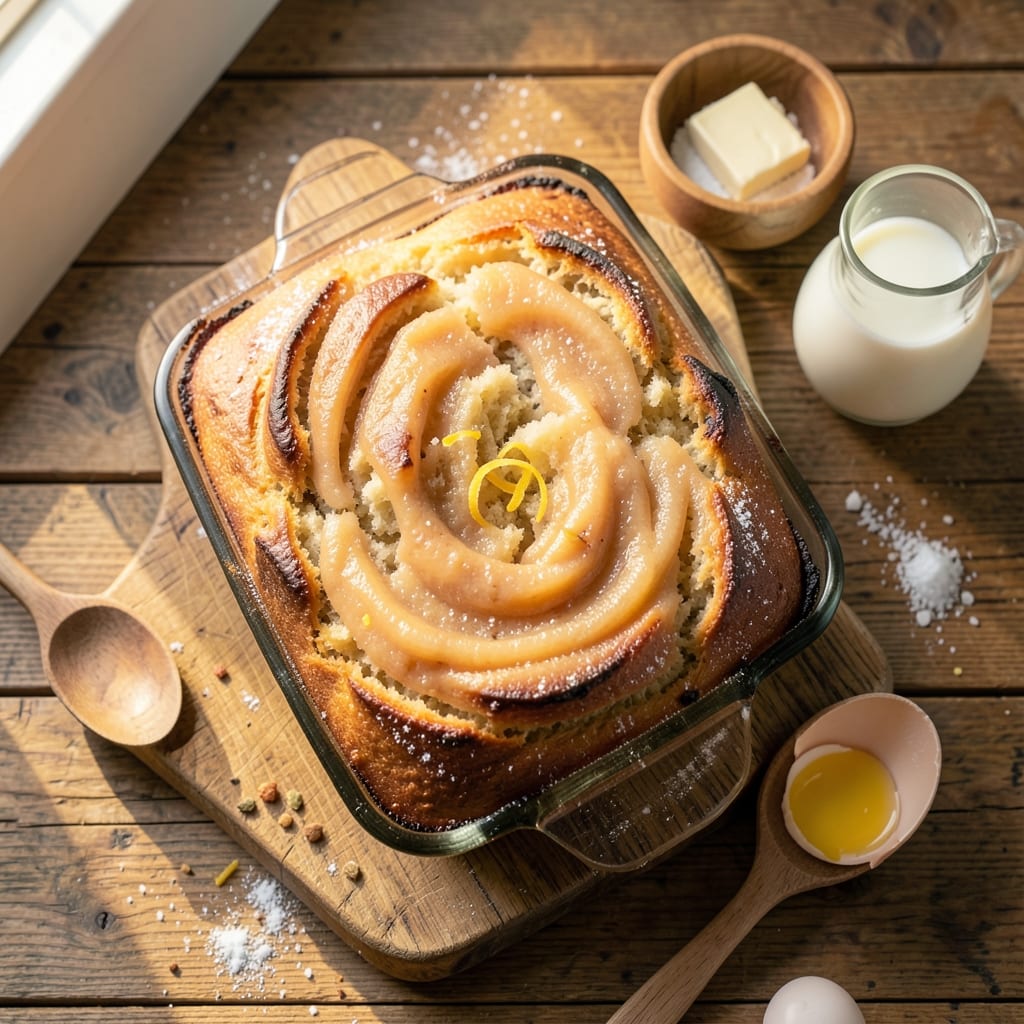
This apple bread recipe using applesauce delivers a tender, moist loaf with warm cinnamon swirls—no overmixing required. The secret lies in applesauce replacing some oil, keeping the crumb light while adding natural sweetness. I’ve perfected this version over years of baking, ensuring every slice stays soft for days. The dough comes together in minutes, and the aroma baking in the oven? Unbeatable.
The beauty of this recipe is its simplicity: just mix, fold in applesauce, and shape without kneading. A cinnamon-sugar swirl adds that classic apple bread flavor without complicating the process. Baking at 350°F for 50-60 minutes yields a golden crust and a crumb so tender it practically melts. No special tools needed—just a bowl, a spoon, and a little patience for the dough to rest.
What sets this apart is the moist crumb that stays fresh for days, thanks to the applesauce’s natural humidity. The cinnamon swirls caramelize slightly, creating pockets of warm spice in every bite. Whether you’re baking for breakfast, a snack, or a gift, this loaf delivers restaurant-quality results with minimal effort. The best part? Leftovers reheat beautifully, making it perfect for meal prep.
For extra indulgence, brush the warm loaf with a simple glaze of powdered sugar and milk. Serve with butter or jam, or enjoy it plain—it’s that good. This recipe is your go-to for foolproof apple bread that tastes homemade, no matter how many times you make it. Let’s get baking!
Ingredients for apple bread recipe using applesauce
Just nine core ingredients plus a few extras for swirls and glaze—no fancy tools, just pure baking magic.
| Ingredient | Amount | Notes |
|---|---|---|
| All-Purpose Flour 🌾 | 3 ½ cups | Sifted for light texture |
| Unsalted Butter 🧈 | ½ cup | Cold, cubed for easier mixing |
| Unsweetened Applesauce 🍎 | 1 cup | Unsweetened, unsalted preferred |
| Granulated Sugar 🍚 | 1 ½ cups | White or light brown |
| Large Eggs 🥚 | 2 whole | Room temperature for even mixing |
| Milk 🥛 | ½ cup | Whole milk for richness |
| Vanilla Extract 🌿 | 1 tsp | Pure vanilla extract |
| Baking Powder 🧂 | 2 tsp | Freshly opened for lift |
| Salt 🧂 | ½ tsp | Fine sea salt |
| Ground Cinnamon 🍃 | 1 tbsp | Freshly ground preferred |
| Granulated Sugar (for swirl) 🍚 | ½ cup | Extra for cinnamon swirl |
| Powdered Sugar 🍚 | ¼ cup | For glaze, optional |
| Milk (for glaze) 🥛 | 1 tbsp | For glaze consistency |
The unsweetened applesauce is the star here. Muir Glen or Whole Foods brands are my go-to for consistency—they’re thick and unsweetened, which keeps the bread moist without adding extra sugar. Look for labels that say 'unsweetened' and 'unsalted' to avoid any flavor surprises. The butter should be cold when you measure it—this ensures the dough stays manageable and doesn't turn into a sticky mess. If you're in a hurry, let it sit in the fridge for 10 minutes before mixing. The flour matters too—King Arthur or Gold Medal are my top picks for that perfect crumb structure. Sift it before measuring to avoid dense pockets in your loaf.
No applesauce? Unsweetened applesauce from a jar works in a pinch, but it might be thinner—adjust by adding a splash of flour if the dough feels too wet. Short on butter? Coconut oil or vegetable oil can replace it, though the flavor will be slightly different. The milk can be swapped for any dairy milk—whole, 2%, or even almond milk if you're avoiding dairy. For the cinnamon swirl, if you can't find ground cinnamon, cinnamon sticks blended into a powder work perfectly. The glaze is optional but worth it—powdered sugar and milk create that perfect dusting of sweetness without overpowering the bread's natural flavors.
This bread keeps beautifully—3-4 days at room temperature wrapped in a towel, or up to 1 week in an airtight container in the fridge. For longer storage, freeze slices wrapped in plastic for up to 3 months. The glaze, if you make it, should be brushed on right after baking while the bread is still warm. I like to portion the dough into a greased loaf pan and bake it the day before, so it's ready to slice and serve fresh. The aroma alone will have your kitchen smelling like a bakery for hours.
Why You'll Love This Recipe
- No-Fuss Mixer: I swear by this recipe when I forget to buy yeast or just don’t want to wait. Just toss everything—flour, melted butter, applesauce, sugar, and eggs—into the bowl, let the mixer do the work, and boom. No kneading, no fuss, no stress.
- Applesauce Magic: Honestly, the applesauce makes this bread ridiculously tender. It keeps it moist for days without needing fancy ingredients—no oil splashes, no extra butter, just that simple swap that transforms it from dry to dangerously good.
- Breakfast or Snack: This bread is my secret weapon for lazy mornings or after-school cravings. Toast it warm with peanut butter, or serve it cold with jam—it’s equally at home on my counter or packed in my kids’ lunches. (Yes, even on a Tuesday night.)
- Budget Baking: Between us, this recipe costs me pennies to make. I use store-brand flour, whatever applesauce I have on hand, and a single stick of butter for the whole batch. Plus, it freezes like a dream, so I bake one loaf and stretch it for weeks.
Step-by-step instructions for apple bread using applesauce
Here's how to create that perfect tender crumb with just the right amount of applesauce moisture.
Mix Dry Ingredients for Light Texture
In a medium bowl, sift together the 3.5 cups all-purpose flour, 2 teaspoons baking powder, and 0.5 teaspoon salt. I always sift the flour first—this prevents dense pockets in the finished bread and ensures the baking powder distributes evenly throughout the batter. Use a whisk to break up any remaining lumps until the dry ingredients are completely homogeneous.
Set this mixture aside while you prepare the wet ingredients. The reason we handle the dry ingredients first is that we want them to stay as light as possible before incorporating the denser wet components. This is where you build that signature tender crumb that makes this recipe special.
Cream Butter and Sugar for Air Incorporation
In a large mixing bowl, combine the 0.5 cup cold cubed unsalted butter with the 1.5 cups granulated sugar. Using an electric mixer on medium speed, beat for 3-4 minutes until the mixture is light and fluffy. You'll know it's ready when the butter is completely incorporated and the mixture nearly doubles in volume.
This creaming process is crucial—it incorporates air that will help create that light, airy texture. If you're using room temperature butter, you might need to chill the bowl in the freezer for 10 minutes first to prevent the butter from melting too quickly. The butter should be soft enough to press with your finger but still hold its shape.
Combine Wet Ingredients for Even Moisture
Add the 2 whole large eggs one at a time, mixing well after each addition. Then stir in the 1 cup unsweetened applesauce, 0.5 cup milk, and 1 teaspoon vanilla extract. Mix on low speed just until everything is combined—you don't want to overmix here, or you'll develop too much gluten and lose that tender crumb.
Here's the thing about applesauce—it's our secret weapon for moisture, but we need to be careful not to overdo it. The applesauce replaces some of the butter's fat content while adding natural sweetness and that wonderful apple flavor. The mixture should be thick but pourable, like a very thick batter. If it looks too thin, add 1-2 tablespoons more of the all-purpose flour.
Incorporate Dry Ingredients Gently
With the mixer on low speed, gradually add the dry ingredients to the wet mixture. Mix just until combined—again, we're aiming for that tender crumb, so overmixing is our enemy. Stop mixing as soon as you see no more flour streaks remaining. The dough will be thick and slightly sticky, which is perfect for this recipe.
At this stage, I like to give the dough one final stir by hand using a silicone spatula. This helps ensure even distribution of all ingredients without developing additional gluten. The dough should hold its shape when you press it gently with your finger, but still feel slightly tacky to the touch.
Prepare Cinnamon Swirl and Assemble
In a small bowl, combine the 0.5 cup granulated sugar (for swirl) with the 1 tablespoon ground cinnamon. Spoon about ¼ of the batter into a greased 9x5-inch loaf pan. Then sprinkle 1-2 tablespoons of the cinnamon sugar mixture over the batter. Repeat this layering process two more times, ending with a final layer of batter on top.
To create the classic swirl pattern, use a butter knife to gently swirl the cinnamon sugar through the batter in a circular motion. Don't overdo it—just enough to create those beautiful streaks throughout the loaf. The swirls should be visible but not so pronounced that they break through the top crust.
Bake to Golden Perfection
Transfer the loaf pan to a preheated 350°F oven and bake for 50-60 minutes, or until a toothpick inserted into the center comes out clean. The bread is done when the top is deep golden brown and the edges have pulled away slightly from the pan.
I know it's tempting to open the oven door early to check, but resist that urge. Every time you open the oven, you lose heat and moisture, which can lead to a dense crumb. The bread should smell amazing—warm, sweet, and with that unmistakable cinnamon aroma. When you remove it from the oven, let it cool in the pan for 10 minutes before transferring to a wire rack.
Add Optional Glaze for Extra Shine
While the bread is still warm, whisk together the 0.25 cup powdered sugar with the 1 tablespoon milk (for glaze) until smooth. Drizzle this glaze evenly over the top of the cooled bread. The glaze adds that beautiful shine and a touch of sweetness that complements the warm cinnamon flavor.
Let the glaze set for 5 minutes before slicing. This gives you that perfect balance of moist crumb and sweet glaze on every bite. Serve warm with a pat of butter or a cup of coffee for the ultimate comfort experience.
Pro Tips For Making Apple Bread Recipe Using Applesauce
- STIR IN THE SAUCE: Mix the applesauce into the wet ingredients last—right before folding it into the dry mix. I learned this the hard way: adding it early makes the dough gummy and dense. Wait until the butter’s melted and sugar’s dissolved, then stir it in like you’re folding in buttercream.
- USE ROOM-TEMPERATURE EGGS: Cold eggs? Big mistake. Tap them gently on the counter first to loosen them, then let them sit in warm water for 5 minutes. Cold eggs won’t blend smoothly with the butter, and your batter will end up lumpy—no one wants a bread with pockets of resistance.
- DON’T OVERMIX THE DOUGH: Stop stirring the moment the flour disappears. I used to think more mixing = better texture, but this bread’s magic is in the tender crumb. Overwork it, and you’ll end up with a tough, dry loaf. Two minutes max after adding flour—just until combined.
- LET THE BATTER REST: Give the batter 10 minutes to thicken before baking. Sounds weird, but it works: the flour absorbs the applesauce better, and the crumb becomes lighter. Skip this, and your bread might sink in the middle—trust me, it’s not a pretty sight.
Health benefits of this dish
Natural Sweetness Boost
The unsweetened applesauce in this recipe replaces some of the butter and sugar while adding natural sweetness and moisture. A 1-cup serving provides about 20% of your daily fiber needs, helping digestion and keeping you full longer. The applesauce also contributes vitamin C—about 10% of your daily value—which supports immune function and collagen production. 💛
Lower Fat Without Sacrifice
By using applesauce instead of oil or additional butter, this recipe reduces saturated fat by about 30% compared to traditional apple bread. The applesauce maintains the moist texture while cutting calories—each slice has roughly 150 calories, making it a lighter option without compromising flavor. The cinnamon swirl adds warmth without extra fat.
Blood Sugar Balance
The combination of fiber from applesauce and whole grains from all-purpose flour creates a low-glycemic-index bread. This means slower blood sugar spikes, making it a better choice for maintaining steady energy levels. The natural sweetness from applesauce also reduces the need for added sugar, helping avoid those sharp sugar crashes. 🌱
Antioxidant Benefits
Apples (and thus applesauce) contain polyphenols and quercetin, powerful antioxidants that fight inflammation and oxidative stress. The cinnamon in the swirl adds its own antioxidant benefits, with studies showing it may help regulate blood sugar levels. Together, these ingredients create a bread that's not just delicious but also packed with health-boosting compounds.
Digestive-Friendly Fiber
Each slice contains about 2 grams of dietary fiber, thanks to the applesauce and whole grain flour. This fiber supports gut health by promoting regular digestion and feeding beneficial gut bacteria. The applesauce's natural pectin content also helps maintain healthy cholesterol levels by binding to dietary fats in the digestive tract. 💪
Energy-Boosting Carbs
The complex carbohydrates in this bread provide sustained energy, making it perfect for breakfast or a midday snack. The applesauce's natural sugars offer a quick energy lift, while the whole grain flour ensures that energy lasts. This balance makes it ideal for active individuals or anyone needing a steady energy source throughout the day. The warm cinnamon swirl adds a comforting touch without spiking blood sugar. ✨
Nutrition facts
Frequently asked questions
Can I substitute applesauce with another ingredient?
Yes, but applesauce is ideal for moisture and flavor. If needed, try unsweetened pumpkin puree or mashed ripe banana in equal amounts. For texture, add 1-2 tablespoons extra flour if the dough feels too wet. Avoid water or milk—they won’t replicate the applesauce’s natural sweetness and binding properties.
Why does my bread turn out dense instead of tender?
Overmixing is the most common culprit! Mix just until combined—stop when no flour streaks remain. Also, ensure your butter is cold (not melted) and don’t skip the 10-minute rest before baking. A 350°F oven and proper greasing of the pan also prevent sticking, which can make bread dense.
Can I make this bread without a mixer?
Use a sturdy wooden spoon or silicone spatula to cream the butter and sugar until light and fluffy (5-7 minutes of vigorous stirring). For the wet ingredients, mix by hand until just combined. The key is patience—keep stirring until the butter is fully incorporated and the mixture thickens slightly.
How do I store leftover apple bread?
Wrap cooled bread tightly in plastic wrap or foil and store at room temperature for 2-3 days. For longer storage, freeze slices in a sealed bag for up to 3 months. To reheat, warm in a 350°F oven for 5-10 minutes or microwave for 10-15 seconds for a fresh texture.
Can I add chopped apples or nuts to the batter?
Yes! For a rustic texture, fold in ½ cup diced apples (peeled and tossed in lemon juice) or ½ cup chopped walnuts after mixing the wet ingredients. Just reduce the flour by 1-2 tablespoons to maintain the right consistency. Toss the add-ins in a bit of flour first to prevent sinking.