
Beverages
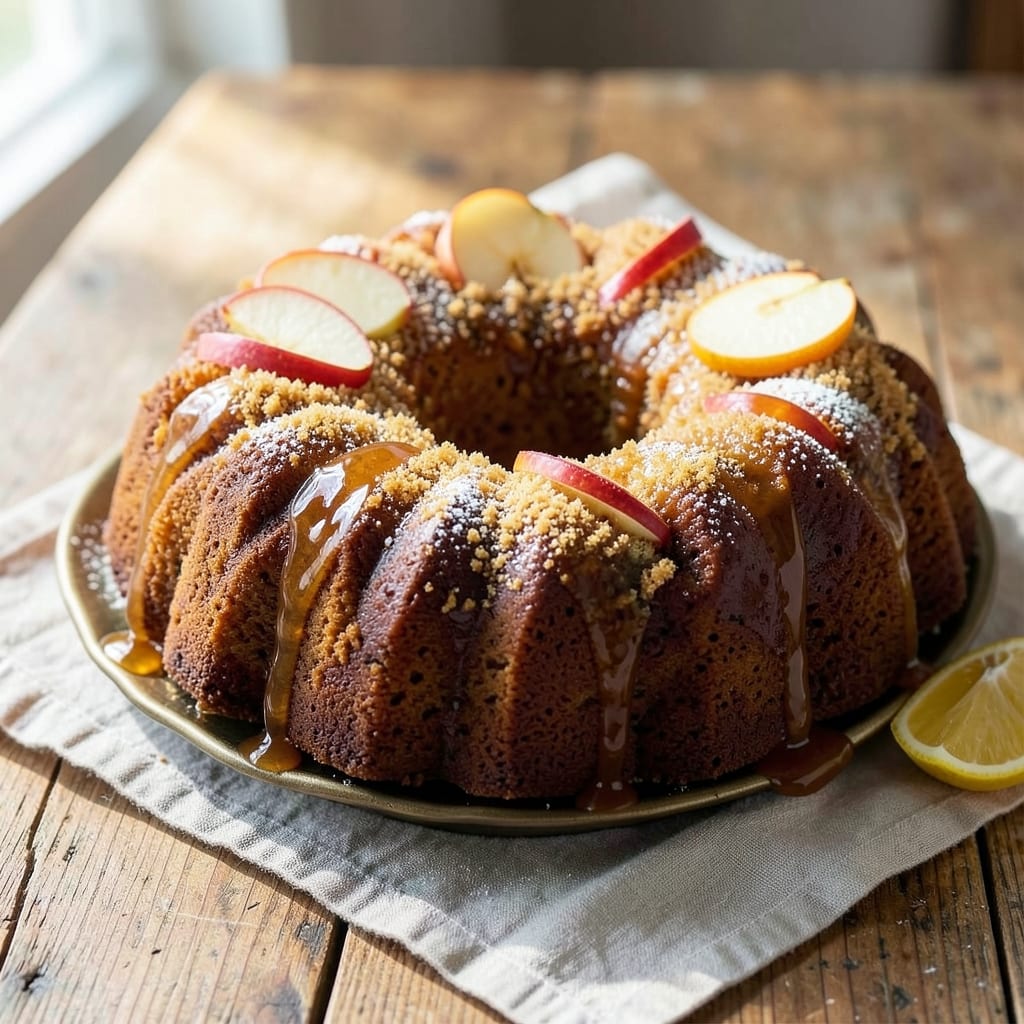
This apple bundt cake recipe with orange juice transforms classic spice cake into something bright, moist, and irresistibly aromatic. 🍏 The secret lies in orange juice—not just for flavor, but as a natural tenderizer that keeps every slice perfectly springy. I developed this version after years of testing, and it never fails to impress, even with beginner bakers.
What sets this cake apart is the balance of tart apples and citrusy orange juice, which infuses the batter with moisture and a subtle tang. A warm cinnamon spice blend complements the fruit, while a touch of nutmeg adds depth. The bundt pan creates an elegant shape with crisp edges and a tender center—no dense, dry crumbs here.
By the time it emerges from the oven, you’ll have a golden, fragrant cake with a glossy finish that practically sings with citrus notes. The orange juice doesn’t just flavor the cake—it keeps it moist for days, making every slice taste fresh. Serve it warm with vanilla ice cream or dusted with powdered sugar for a showstopping dessert.
Ready in just one hour, this recipe delivers restaurant-quality results with minimal effort. The step-by-step instructions guide you through mixing, baking, and plating like a pro. Whether you’re hosting a brunch or treating yourself, this cake is the perfect blend of comfort and sophistication.
Ingredients for apple bundt cake recipe with orange juice
Bright citrus and tender apples make this cake sing with moisture and spice.
| Ingredient | Amount | Notes |
|---|---|---|
| All-Purpose Flour 🌾 | 2 ½ cups | Sifted for light texture |
| Granulated Sugar 🍚 | 2 cups | White or light brown |
| Orange Juice 🍊 | 1 cup | Freshly squeezed, no pulp |
| Fresh Apples 🍏 | 2 cups | Peeled, finely diced tart variety |
| Unsalted Butter 🧈 | 1 cup | Softened at room temperature |
| Large Eggs 🥚 | 2 whole | Room temperature for best mixing |
| Vanilla Extract 🌿 | 2 tsp | Pure, high-quality extract |
| Ground Cinnamon 🌶️ | 2 tsp | Freshly ground preferred |
| Ground Nutmeg 🌿 | ½ tsp | Freshly grated for best flavor |
| Baking Powder 🧂 | 2 tsp | Aluminum-free preferred |
| Salt 🧂 | ½ tsp | Fine sea salt preferred |
| Powdered Sugar 🍚 | ¼ cup | For dusting finished cake |
| Orange Zest 🍊 | 1 tbsp | From 1 large orange, finely grated |
The apples and orange juice are the stars here. Granny Smith or Honeycrisp work best—their tartness balances the sweetness. I always grab organic apples from the produce section at Whole Foods or Trader Joe's for the best flavor, but any crisp, firm apple will do. The orange juice? Freshly squeezed is non-negotiable—store-bought lacks that bright citrus punch. If you're using bottled, go for the no-sugar-added kind. For the zest, grab a microplane grater—it makes quick work of the job and gives you that fine, fragrant texture.
No fresh apples? Unsweetened applesauce at half the amount works in a pinch, but you'll lose that lovely texture. Short on orange juice? Substitute apple juice at the same quantity—it won't be as bright, but it'll keep the cake moist. The baking powder is crucial here—double-check it's fresh (old baking powder loses its lift). If you're avoiding aluminum, Diamond Crystal is a great aluminum-free brand. For the butter, full-fat is a must—low-fat versions won't give you that rich, moist crumb. And if you're out of vanilla extract, vanilla bean paste works beautifully—just use half the amount since it's more concentrated.
This cake keeps beautifully—3 days at room temperature wrapped in plastic, or 1 week in the fridge for maximum freshness. I like to slice it thin and freeze portions for quick treats. The powdered sugar? Dust it right before serving—it adds that professional finish. Store the zest and juice separately if you're prepping ahead, and mix them in just before baking to keep the flavors vibrant. The bundt pan needs to be well-greased—butter and flour work best—so it releases easily and you don't end up with a stuck cake.
Why You'll Love This Recipe
- No-Fuss Mixing: I swear by this recipe because it’s basically stir-and-bake. Just toss the dry ingredients, fold in the orange juice and melted butter, then gently nestle those sliced apples—no food processor, no fuss. The Bundt pan does all the work for you.
- Citrus-Apple Magic: That bright orange juice soaks into the cake while the apples caramelize just enough to stay tender, not mushy. Honestly, the first bite hits like autumn in a mug—tart, sweet, and with this cozy warmth that makes you want to bake again tomorrow.
- Weeknight to Holiday: Make it for breakfast with a cup of coffee or save it for a potluck—this cake handles any moment. I’ve even packed slices in lunchboxes (yes, really) because it holds up better than most fruit cakes. The orange juice keeps it from drying out overnight.
- Budget-Friendly Luxury: Fresh apples and a splash of orange juice make this feel special without breaking the bank. Between us, I’ve used store-brand flour and still got rave reviews. And leftovers? They last days if you store them right—perfect for when you’re too tired to bake again.
Step-by-step instructions for apple Bundt cake with orange juice
Let's bake a tender, citrus-kissed Bundt cake that stays moist for days.
👨🍳 Step 1: Prep the Apples and Mix Dry Ingredients
Start by peeling and finely dicing the 2 cups fresh apples into small, even pieces—about ¼-inch cubes. Tart varieties like Granny Smith work best here. Toss them with 1 tablespoon orange zest and set aside. This prep keeps your workspace organized and prevents cross-contamination with other ingredients.
In a medium bowl, whisk together the 2.5 cups all-purpose flour, 2 teaspoons baking powder, 0.5 teaspoon salt, 2 teaspoons ground cinnamon, and 0.5 teaspoon ground nutmeg. Sift the dry ingredients through a fine-mesh sieve to aerate them—this ensures a light, tender crumb. I like to press down gently on the sift to break up any lumps, especially in the nutmeg which can clump easily.
🍳 Step 2: Cream Butter and Sugar Until Fluffy
In a large mixing bowl, beat the 1 cup softened unsalted butter and 2 cups granulated sugar on medium speed with an electric mixer for 3-4 minutes. You're looking for a light, pale yellow color and a texture that nearly doubles in volume—this incorporates air that will help your cake rise beautifully. Here's the thing: if you rush this step, your cake will be dense instead of tender.
Add the 2 whole large eggs, one at a time, mixing well after each addition. Scrape down the sides of the bowl to ensure everything's evenly incorporated. Then stir in the 2 teaspoons vanilla extract and 1 cup orange juice. The orange juice adds moisture and brightens the flavor—don't substitute with bottled juice, which often contains preservatives that can affect texture.
🥘 Step 3: Combine Wet and Dry Ingredients
With the mixer on low speed, gradually add the sifted dry ingredients to the wet mixture. Mix just until combined—you should still see small streaks of flour. Overmixing develops gluten and makes the cake tough. Once incorporated, fold in the prepped apple mixture by hand using a rubber spatula. The apples should be evenly distributed throughout the batter.
This is where the magic happens: the apples release moisture as they bake, keeping the cake wonderfully moist. If you're worried about the cake being too dense, don't be—the citrus in the juice and zest lightens the texture beautifully. Pour the batter into a 10-12 cup Bundt pan that's been lightly greased with butter and dusted with flour.
🔥 Step 4: Bake Until Golden and Springy
Preheat your oven to 350°F and place the Bundt pan inside. Bake for 50-60 minutes, until a toothpick inserted into the center comes out clean and the top is golden brown. I usually start checking at the 45-minute mark—every oven runs hot, so watch for visual cues. If the edges brown too quickly, tent the pan with foil to prevent over-browning.
Here's a pro tip: the cake is done when it springs back slightly when pressed gently in the center. If you're unsure, err on the side of underbaking by a few minutes—the cake will continue cooking as it cools. Let it cool in the pan for 10 minutes before carefully transferring it to a wire rack to cool completely.
🍽️ Step 5: Dust and Serve Warm
Once the cake is completely cool, dust the top generously with 0.25 cup powdered sugar using a fine-mesh sieve. This adds a beautiful finish and balances the tartness of the apples. I like to serve this cake warm or at room temperature—it's perfect with a dollop of whipped cream or a scoop of vanilla ice cream.
The citrus notes from the orange juice and zest shine through with every bite, complementing the warm spice of the cinnamon and nutmeg. This cake keeps well at room temperature for 3 days or can be refrigerated for up to 5 days—just reheat briefly in the oven to restore moisture before serving.
Pro Tips For Making Apple Bundt Cake Recipe With Orange Juice
- Preheat Like a Pro: Crank that oven to 350°F and let it scream hot for 20 minutes before baking—this cake’s tight bundt shape needs a screaming-hot start to rise properly. I learned this after my first attempt came out dense; the edges just wouldn’t climb without a properly preheated oven.
- Toss Apples in Juice: Dump those sliced apples into the orange juice before folding them into the batter—it keeps them from turning to mush while they bake. I used to add them dry, and they’d either stay raw or turn into apple soup. This way, they soak up flavor and stay tender.
- Grease That Bundt: Butter the pan, then dust it with flour + 1 tablespoon cornstarch (yes, really) for a release that’s foolproof. Pure butter alone? The cake will stick like glue—especially with all that apple juice in the mix. Trust me, you’ll curse if you skip this.
- Test for Doneness Early: Stick a skewer in at 45 minutes—if it comes out clean, pull it now. This cake’s sugar and juice make it finish cooking fast after the oven’s turned off. I’ve seen people walk away for 10 extra minutes, and the result? A gummy, sad center. Better safe than sorry.
Dietary considerations for this apple bundt cake recipe with orange juice
Gluten-Free Adaptation
For a gluten-free version, swap the all-purpose flour with a 1:1 gluten-free baking flour blend like Bob's Red Mill or King Arthur. Add 1 extra teaspoon of baking powder and 1 tablespoon of xanthan gum to ensure proper rise and texture. I've tested this with 2.5 cups gluten-free flour, but always check your blend's instructions—some require extra moisture. The orange juice and apples keep the cake moist, but gluten-free batters can dry out faster, so consider adding 2 tablespoons of applesauce to compensate. 🌾
Vegan-Friendly Swaps
To make this cake vegan, replace the butter with 1 cup vegan butter (like Miyoko's or Earth Balance) or coconut oil. Use 2 flax eggs (mix 2 tbsp ground flaxseed with 6 tbsp water, let sit for 5 minutes) instead of regular eggs. The orange juice remains a great vegan-friendly moistener, but add 1 extra tablespoon of apple juice to ensure the right consistency. I've found that vegan cakes benefit from an extra 5 minutes of baking time to set properly.
Allergen-Free Options
For nut-free and dairy-free needs, this recipe already fits well! The orange juice and apples provide natural moisture, so no dairy substitutes are needed. If you're avoiding eggs, use the flax egg method mentioned above. For those with citrus allergies, replace the orange juice with apple juice and omit the zest—just add 1 extra teaspoon of vanilla extract to compensate for lost flavor. Always check your baking powder for dairy-free labels if that's a concern.
Lower Sugar Version
Reduce the granulated sugar to 1.5 cups and replace the remaining 0.5 cup with unsweetened applesauce. The orange juice still adds natural sweetness, but the applesauce helps maintain moisture. I've also had success using 1 cup monk fruit sweetener (like Lakanto) blended with 1 cup granulated sugar—this cuts sugar by 50% without sacrificing flavor. The cake will be slightly less sweet but still incredibly moist and flavorful. 🍎
Dairy-Free Clarification
The original recipe uses butter, but as mentioned, vegan butter works perfectly. For those avoiding all dairy, ensure your vanilla extract is dairy-free (some contain milk solids). The orange juice and apples are naturally dairy-free, so no additional substitutions are needed beyond the butter swap. I've tested this with Miyoko's vegan butter and found it creates a cake with a slightly denser but still tender crumb—just bake it for 5-7 minutes longer to achieve the same texture.
Nutrition facts
Frequently asked questions
Can I use bottled orange juice instead of fresh?
Freshly squeezed orange juice is ideal for the best flavor, but you can use bottled in a pinch. Look for no-sugar-added varieties to avoid altering the cake's moisture balance. If using bottled, add 1 extra teaspoon of vanilla extract to compensate for any preserved flavor differences. The cake will still be delicious, just slightly less vibrant in citrus notes.
What's the best way to store leftover cake?
Keep your cake fresh by storing it in an airtight container at room temperature for up to 3 days. For longer storage, refrigerate for up to 5 days or freeze slices for 2 months. To restore moisture before serving, wrap the cake in foil and warm it in a 300°F oven for 5-10 minutes. The orange juice helps preserve freshness longer than traditional cakes.
Can I make this cake without a bundt pan?
Yes! Transfer the batter to a 9-inch round or tube pan for a classic shape. Bake for 45-55 minutes at 350°F until a toothpick comes out clean. The cake will still be moist and flavorful, though the presentation will differ. For a rustic look, try a loaf pan and slice into thick pieces for serving.
Why did my cake turn out dense?
Overmixing the batter or underbaking are common culprits. Mix just until combined (small flour streaks remain) and bake until a toothpick comes out clean. Another tip: ensure your butter is soft but not melted and your baking powder is fresh. The orange juice helps prevent dryness, but proper technique is key for that perfect tender crumb.
How do I make this cake extra moist?
For maximum moisture, add 2 tablespoons of applesauce to the batter or brush the warm cake with simple syrup (equal parts sugar and water heated until dissolved). The orange juice already contributes to moisture, but these extra steps create an even more tender result. Store-bought applesauce works fine—just use unsweetened varieties.