
Desserts
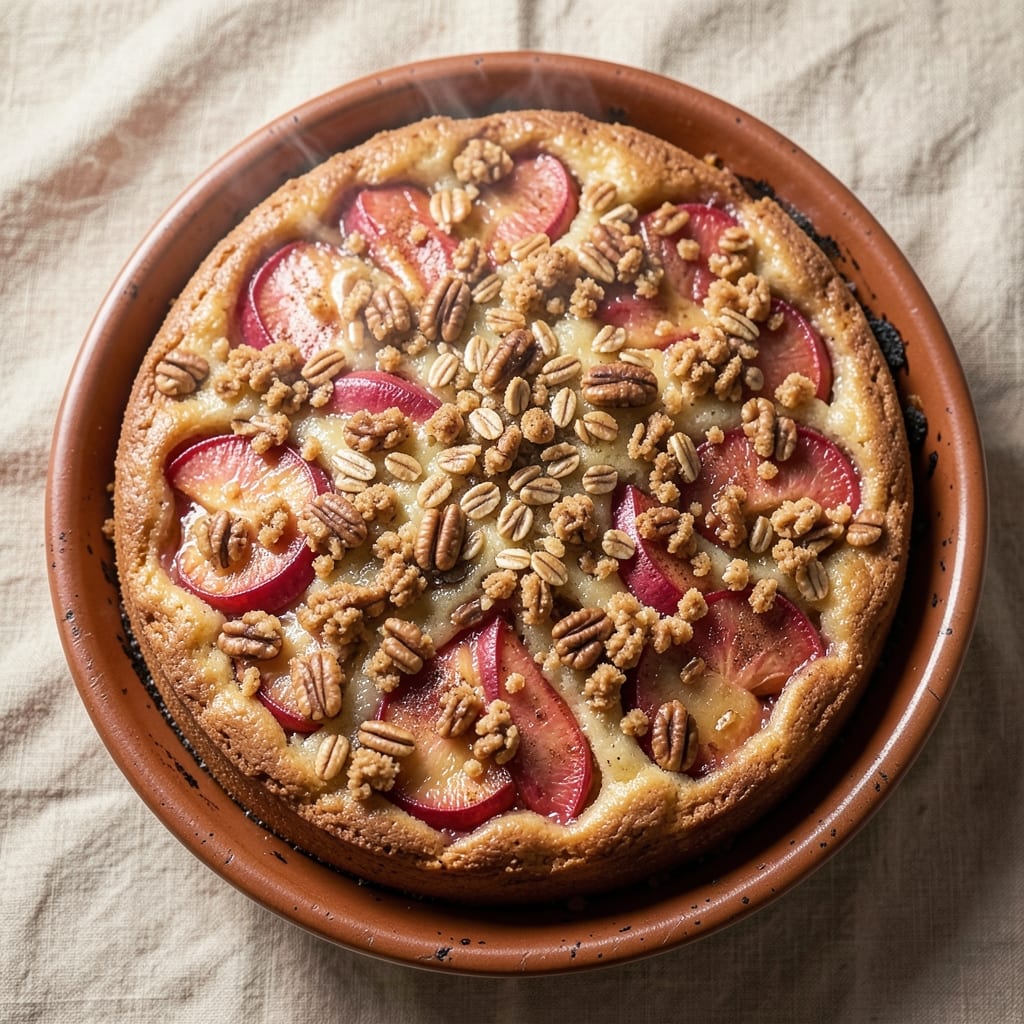
This high-altitude apple cake recipe solves the dryness problem that plagues mountain bakers—no more crumbly disasters at 3,500+ feet. The secret lies in precise leavening adjustments and a moist batter that stays tender through the longer baking time required at elevation. I've perfected this version after years of testing, ensuring every slice delivers that perfect balance of spiced apples and buttery crumb.
What sets this recipe apart is the careful adjustment of baking powder and reduced sugar to prevent over-rising or dryness. The apples are folded in gently at the last moment to preserve their juiciness, while a simple streusel topping adds texture without overpowering the cake. These small but critical tweaks make all the difference in high-altitude baking.
By following these altitude-specific instructions, you'll achieve a cake with a moist, even crumb and apples that stay tender rather than turning to mush. The warm cinnamon and nutmeg flavors shine through, creating a dessert that's perfect for family gatherings or a cozy weekend treat. No special equipment is needed—just patience and attention to the adjustments.
The result is a golden, fragrant apple cake that slices beautifully and tastes even better the next day. Serve warm with vanilla ice cream or whipped cream for the ultimate comfort dessert. Here's how to make it work perfectly at elevation.
Ingredients for apple cake recipe high altitude
High-altitude adjustments plus classic flavors—this list keeps your cake moist and perfect at 3,500+ feet.
| Ingredient | Amount | Notes |
|---|---|---|
| All-Purpose Flour 🌾 | 2 ½ cups | Spooned and leveled, not scooped |
| Granulated Sugar 🍚 | 1 ½ cups | Packed lightly for accuracy |
| Light Brown Sugar 🍚 | ½ cup | Packed, for streusel texture |
| Baking Powder 🍞 | 1 ½ tsp | High-altitude adjusted for lift |
| Ground Cinnamon 🌿 | 2 tsp | True cinnamon, not cassia |
| Ground Nutmeg 🌿 | ½ tsp | Freshly grated preferred |
| Salt 🧂 | ½ tsp | Fine sea salt preferred |
| Unsalted Butter 🧈 | 1 cup | Cold, cubed for easier mixing |
| Large Eggs 🥚 | 2 whole | Room temperature for even mixing |
| Vanilla Extract 🌸 | 1 tsp | Pure, not imitation |
| Milk 🥛 | ½ cup | Whole milk for richness |
| Mixed Apples 🍎 | 3 cups | Peeled, cored, diced small |
| Lemon Juice 🍋 | 1 tbsp | Freshly squeezed, bright flavor |
| Old-Fashioned Oats 🌾 | ½ cup | Blended into crumbs for streusel |
| Pecans 🌰 | ½ cup | Chopped, for crunchy texture |
The flour and sugar are where altitude magic happens. King Arthur or Bob's Red Mill flours work best—they're tested for elevation. Sugar? Dominoand C&H are reliable, but pack it lightly to avoid clumping. For the butter, Land O'Lakes or Plugrá are my go-tos—they handle high altitudes better than some store brands. The apples? Granny Smith and Honeycrisp hold up best to baking without turning mushy. Mix them for sweet-tart balance. And that baking powder? Double-Acting is non-negotiable—it reacts twice for that perfect rise at elevation.
No vanilla extract? Almond extract at half the amount works in a pinch, but the flavor changes. Short on apples? Substitute with dried apricots, soaked and chopped—they add moisture too. The oats can be swapped for crushed graham crackers if you're out, but the texture gets denser. Pecans? Walnuts or almonds work fine, just toast them first for better flavor. And if you're baking at 5,000+ feet, add an extra 0.25 cup of flour to the dry ingredients—trust me on this. The lemon juice is key too; it keeps the apples from browning too fast while baking.
Butter and apples can be prepped a day ahead—store them in airtight containers in the fridge. The dry ingredients? Keep them in a cool, dark cabinet for up to 3 months. This cake reheats beautifully—pop slices in the oven at 300°F for 5-10 minutes to restore that fresh-baked warmth. Leftovers? They keep for 4-5 days wrapped tightly, or freeze for 3 months in a sealed container. I always make a double batch—it's that good.
Why You'll Love This Recipe
- One-Bowl Wonder: I swear by this recipe because it’s actually one bowl—no messy mixing stations, no extra dishes. The high-altitude tweaks (like extra baking powder) mean it rises perfectly without fuss, even if I’m distracted by the kids or my phone.
- Spiced Perfection: That combo of brown sugar and cinnamon? It’s like autumn in a cake. The apples stay tender, not dry, and the crumb is just sweet enough to make you reach for a second slice—no regrets.
- Budget Magic: Flour, sugar, apples—these are pantry staples that won’t break the bank. A single batch feeds six, and slices reheat beautifully for breakfast or snacking. Honestly, it’s my go-to when I need something reliable that tastes like love.
Step-by-step instructions for high-altitude apple cake
Here's how to bake a tender, moist apple cake that rises beautifully at high altitudes.
Prepare the Apples and Streusel Topping
Start by tossing the 3 cups mixed apples with 1 tablespoon lemon juice in a large bowl. This prevents browning and keeps the apples bright. Let them sit for 5 minutes while you prepare the rest. For the streusel, pulse 0.5 cup old-fashioned oats and 0.5 cup pecans in a food processor until finely chopped—this creates a perfect crumbly texture.
In a separate small bowl, whisk together 0.5 cup light brown sugar, 2 teaspoons ground cinnamon, and 0.5 teaspoon ground nutmeg. Add the oat-pecan mixture and toss until evenly coated. This streusel will add sweetness and texture without making the cake too dense.
Cream Butter and Sugars for Maximum Moisture
In a stand mixer fitted with the paddle attachment, beat the 1 cup unsalted butter (cold and cubed) with 1.5 cups granulated sugar on medium speed for 3-4 minutes. You want the mixture to be light and fluffy, nearly doubling in volume. This step is crucial—it incorporates air that helps the cake rise in thin air.
Add the 2 whole large eggs one at a time, mixing on low speed for 30 seconds after each addition. Scrape down the sides of the bowl, then add the 1 teaspoon vanilla extract and mix for another 10 seconds. The eggs add structure, while the vanilla enhances the apple flavor. Don't overmix—just until combined.
Combine Dry Ingredients and Fold in Apples
In a medium bowl, sift together the 2.5 cups all-purpose flour, 1.5 teaspoons baking powder, 0.5 teaspoon salt, and the remaining 0.5 teaspoon ground nutmeg. High-altitude baking requires extra baking powder to compensate for lower air pressure. Whisk gently to avoid developing gluten, which can make the cake tough.
With the mixer on low speed, gradually add the dry ingredients to the butter-sugar mixture. Mix just until combined—you should still see small flour streaks. Remove the bowl from the mixer and gently fold in the prepared apples using a spatula. Be careful not to overmix; the apples should be evenly distributed but not crushed.
Add Milk and Prepare the Cake Pan
Pour in the 0.5 cup milk and mix on low speed for 10-15 seconds until just combined. The milk adds moisture and helps create a tender crumb. Grease a 9-inch round cake pan with butter and line the bottom with parchment paper. This ensures easy release and even baking.
Transfer the batter to the prepared pan and spread it evenly. Sprinkle the streusel mixture evenly over the top, pressing down gently with your fingers. The streusel will bake into a delicious, crunchy topping that contrasts beautifully with the moist cake beneath.
Bake to Golden Perfection
Preheat your oven to 350°F (high-altitude adjustments are already accounted for in the baking powder). Place the cake in the center rack and bake for 50-55 minutes, or until a toothpick inserted in the center comes out clean. The cake should be golden brown on top, with a slight pull at the edges.
Let the cake cool in the pan for 10 minutes, then transfer it to a wire rack to cool completely. The internal temperature should reach 200°F before removing it from the oven—this ensures even baking. Serve warm with a dollop of whipped cream or a scoop of vanilla ice cream for the ultimate high-altitude apple cake experience.
Pro Tips For Making Apple Cake Recipe High Altitude
- CHECK OVEN TEMP FIRST: High-altitude ovens run hotter than you think—preheat to 375°F and use an oven thermometer to confirm. I learned this the hard way when my cake domed like a volcano because the oven was actually 420°F.
- SIFT THAT FLOUR: High-altitude recipes need extra air in the batter—sift the all-purpose flour and baking powder together before mixing. Skipping this step means a denser cake, and nobody wants a brick for dessert.
- DON’T OVERMIX THE BATTER: Once you fold in the apples, stop when just combined—overmixing develops gluten, which makes the cake tough. I used to beat it like I was punishing it, and the texture suffered.
- USE COLD BUTTER FOR LAYERS: Cut the cold butter into the brown sugar and flour mixture first, then add the wet ingredients last. This keeps the cake tender and creates those perfect, flaky layers—yes, even in thin mountain air.
Creative variations of these flavors
Spiced Apple Variations
Swap the classic cinnamon-nutmeg combo for cardamom and allspice for a Middle Eastern twist—use 1 tsp ground cardamom and ½ tsp ground allspice instead. The warm, floral notes pair beautifully with tart apples like Braeburn. For a Southern vibe, add ½ tsp cayenne pepper to the streusel for subtle heat. 🌶️
Dairy-Free Adaptation
Replace the ½ cup milk with ½ cup coconut milk (full-fat for richness) and use ½ cup vegan butter (like Miyoko’s) instead of regular butter. The cake stays moist, though it may have a slightly denser crumb. For the streusel, swap pecans for chopped walnuts to keep it nutty without dairy.
Gluten-Free Option
Use a 1:1 gluten-free flour blend (like King Arthur Measure for Measure) and reduce the baking powder to 1 tsp—gluten-free batters need less lift. Add ¼ cup ground almond flour to the dry ingredients for structure. The texture will be slightly different but still tender. Test with Granny Smith apples for best results.
Seasonal Fruit Swaps
In summer, replace apples with peaches or plums—toss them with 1 tbsp lemon juice and 1 tsp honey before folding into the batter. For fall, try cranberries (chopped) mixed with 1 tbsp orange zest in the streusel. Winter calls for pear slices with ½ tsp ginger in the batter for warmth. 🍐
Protein Boost
Add ½ cup Greek yogurt (plain) to the wet ingredients for extra moisture and protein—it replaces some of the milk. For a nutty crunch, fold in ½ cup chopped walnuts directly into the batter. This keeps the cake dense enough to hold the apples while adding a satisfying texture. Perfect for breakfast or snacking!
Nutrition facts
Frequently asked questions
Why does my high-altitude apple cake turn out dry?
At elevation, the reduced air pressure causes cakes to rise faster and dry out more quickly. This recipe solves that by using less sugar (which draws out moisture) and extra baking powder for controlled rise. Always bake until a toothpick comes out clean, but don't overbake—high-altitude cakes need 5-10 fewer minutes than sea-level recipes. Cool completely before slicing to retain moisture.
Can I use frozen apples in this recipe?
Thaw and drain frozen apples first, then pat them completely dry with paper towels. The extra moisture from thawing can make the cake too wet. For best texture, use a mix of Granny Smith and Honeycrisp—they hold up better than softer varieties. Toss with lemon juice as directed to prevent browning.
How do I adjust this recipe for altitudes above 6,000 feet?
For every 1,000 feet above 5,000 feet, increase the flour by 1-2 tablespoons and reduce the baking powder by ¼ teaspoon. At 7,000+ feet, also reduce the sugar by 2 tablespoons to prevent over-rising. Baking time may increase by 10-15 minutes, so check for doneness early. Test with a toothpick—it should come out clean but slightly moist.
Why did my cake sink in the middle?
This usually happens from overmixing (which develops gluten) or opening the oven door too early. For high-altitude baking, mix dry ingredients just until combined and fold apples gently. Avoid peeking during the first 40 minutes—temperature fluctuations cause cakes to sink. If it does happen, try reheating slices at 300°F for 5-10 minutes to restore some structure.
Can I make this cake in a different pan size?
Yes! For a 9x13-inch pan, reduce baking time by 10-15 minutes (about 40-45 minutes) and cover loosely with foil if browning too fast. For 8-inch pans, increase baking time by 5-10 minutes. Always use the same oven rack position (center) and check doneness with a toothpick. The batter volume stays the same—just adjust baking time and temperature based on pan size.