
Sauces & Condiments
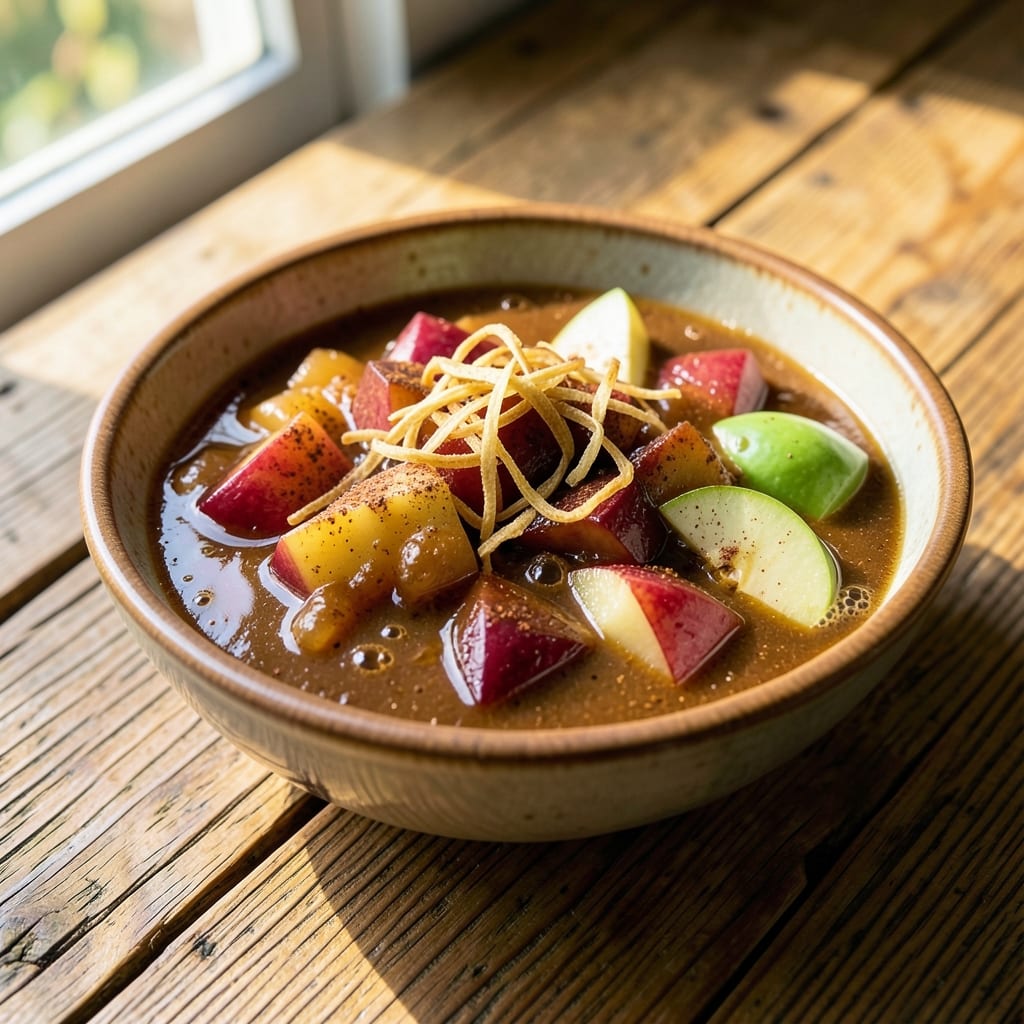
This apple chutney sauce recipe transforms tart apples into a vibrant, tangy-sweet condiment perfect for dipping, glazing, or pairing with cheese. The balance of vinegar, spices, and fruit creates a versatile sauce that elevates everything from sandwiches to roasted meats. I developed this recipe after years of experimenting with chutneys—each batch more refined than the last—until I hit the perfect harmony of sweet, spicy, and tangy flavors.
The key to success lies in the cooking method: simmering the apples until they soften but retain texture, then blending with vinegar and spices for depth. Unlike smooth jams, this chutney has a chunky yet spreadable consistency, making it ideal for dipping crispy snacks or drizzling over grilled chicken. The spices—cinnamon, cloves, and black pepper—add warmth without overpowering the natural apple flavor.
Once made, this sauce keeps beautifully in the refrigerator for up to two weeks, or you can can it for long-term storage. It pairs exceptionally well with sharp cheddar, smoked meats, or even as a glaze for roasted vegetables. The tangy-sweet profile makes it a crowd-pleaser, whether you're serving it at a picnic or keeping it on hand for quick flavor boosts.
For best results, use a mix of sweet and tart apples—like Honeycrisp and Granny Smith—to balance the flavors. Adjust the sweetness to taste, and don’t skip the vinegar; it’s what gives this chutney its signature tang. Ready in about 30 minutes, this recipe is simple yet impressive, proving that homemade sauces can be both practical and delicious.
Ingredients for apple chutney sauce
Nine ingredients transform tart apples into a vibrant, tangy-sweet chutney perfect for dipping and glazing.
| Ingredient | Amount | Notes |
|---|---|---|
| Honeycrisp Apples 🍎 | 2 lb | Peeled, cored, cut into chunks |
| Granny Smith Apples 🍎 | 1 ½ lb | Peeled, cored, cut into chunks |
| Apple Cider Vinegar 🍏 | ½ cup | Raw, unfiltered preferred |
| Brown Sugar 🍚 | ½ cup | Packed, light brown preferred |
| Fresh Ginger 🌿 | ½ cup | Finely grated, peeled |
| Ground Cinnamon 🌶️ | 1 tsp | Freshly ground preferred |
| Ground Cloves 🌶️ | ½ tsp | Whole cloves crushed preferred |
| Ground Black Pepper 🌶️ | ¼ tsp | Freshly cracked preferred |
| Salt 🧂 | ½ tsp | Diamond Crystal preferred |
| Extra-Virgin Olive Oil 🫒 | 1 tbsp | For richness and balance |
The apples are the heart of this chutney, so Honeycrisp and Granny Smith are ideal—their balance of sweet and tart creates that signature tangy-sweet profile. Local farmers markets often have these varieties at peak season, but any mix of sweet and tart apples works. If you can't find Honeycrisp, Fuji or Gala add sweetness while Braeburn or Jonagold bring tartness. Peel and core the apples first, then cut them into even chunks—this ensures consistent cooking. For the vinegar, raw, unfiltered apple cider vinegar has more flavor than the clear stuff, and it's worth the extra few cents per bottle.
No brown sugar? White sugar or maple syrup works in a pinch, though brown sugar's molasses notes add depth. Fresh ginger is non-negotiable here—dried ginger at half the amount won't give the same zing. The spices should be freshly ground if possible, but pre-ground works fine. For a smoother texture, blend the cooked mixture longer, but leave it slightly chunky for that authentic chutney feel. If you're short on time, pre-grated ginger from the produce section saves chopping, though it's pricier. The olive oil at the end isn't just for binding—it adds a luxurious finish that makes this chutney restaurant-worthy.
This chutney tastes even better the next day as the flavors meld. Store it in an airtight jar in the fridge for up to two weeks, or extend its shelf life to 6 months by canning it. I always make a double batch—one jar stays in the fridge for quick dipping, and the other gets canned for gifts. The canning process is simple: just follow standard high-acid canning procedures with vinegar. If you're not canning, freeze portions in ice cube trays for easy single-use servings. The olive oil layer on top? Always skim it off before reheating—it's delicious but can get greasy.
Why You'll Love This Recipe
- No Chopping Nightmare: I swear by this recipe because the apples go in whole—peeled and cored, yes, but no dice or julienne fuss. That Honeycrisp-Granny Smith combo practically melts into sweet-tart perfection without you lifting a finger beyond stirring.
- Sweet-Tart Magic: The ginger’s sharp bite cuts through the caramelized apples and brown sugar, while the apple cider vinegar gives it that just-right tang. It’s the kind of balance that makes you reach for the jar again before the first bite’s even done.
- Weeknight to Holiday: Slather it on grilled cheese when you’re exhausted, drizzle it over roasted pork for Sunday dinner, or pack it in lunchboxes—it’s equally at home in a sandwich or a charcuterie spread. Honestly, I’ve even used it as a glaze for baked chicken, and no one questioned me.
- Lasts a Month: Make a double batch and store it in the fridge—it only gets better with time as flavors meld. Between us, I’ve had this chutney last through three grocery store runs, and it’s still the star of whatever I’m cooking. Budget win.
Step-by-step instructions for apple chutney sauce
This vibrant chutney delivers the perfect balance of sweet, tangy, and spiced apple flavors every time.
Prepare the Apple and Ginger Base
In a large, heavy-bottomed pot, combine the 2 lb Honeycrisp Apples and 1.5 lb Granny Smith Apples that you've already peeled, cored, and cut into even chunks. The Granny Smith adds tartness that cuts through the sweetness of the Honeycrisp beautifully. Add the 0.5 cup finely grated fresh ginger and stir to distribute evenly throughout the apples.
I like to use a wooden spoon here—it helps prevent scratching the pot's surface while ensuring everything gets coated with the ginger's sharp, aromatic flavor. The combination of these two apple varieties creates that signature depth of flavor that makes this chutney so special.
Cook Until Apples Are Tender
Place the pot over medium-high heat and bring the mixture to a gentle boil. Once boiling, reduce the heat to medium-low and let it simmer uncovered for 20-25 minutes, stirring occasionally. You're looking for the apples to become fork-tender with just a slight bite remaining—they should collapse easily when pierced with a fork but still hold their shape.
This cooking time is crucial—overcooking turns the apples mushy, while undercooking leaves them too firm. I check for doneness by mashing a small piece between my fingers. It should feel soft but still retain some texture, like perfectly cooked applesauce.
Add Sweetener and Vinegar
Once the apples are tender, stir in the 0.5 cup brown sugar and 0.5 cup apple cider vinegar. The vinegar will make the mixture bubble vigorously—reduce heat to low to prevent boiling over. Let it cook for another 5-7 minutes until the sugar dissolves completely and the mixture thickens slightly. This is where that perfect balance of sweet and tangy comes together.
Here's where it gets exciting—the mixture should smell like a spice market exploded in your kitchen. The vinegar's acidity will brighten the apples' natural sweetness while the sugar rounds out the sharpness. Don't rush this step; let the flavors meld properly.
Build the Spice Profile
With the heat still at low, add the 1 tsp ground cinnamon, 0.5 tsp ground cloves, 0.25 tsp ground black pepper, and 0.5 tsp salt. Stir vigorously for 1-2 minutes until the spices are completely dissolved and the mixture smells rich and aromatic. The cloves and cinnamon will infuse their warm, earthy notes while the black pepper adds a subtle kick that prevents the chutney from being too sweet.
This is the moment that matters: the spices should be fully incorporated, but you shouldn't see any undissolved particles. If you do, give it another minute or two—properly dissolved spices create a smooth, cohesive sauce rather than a grainy one.
Finish with Olive Oil and Cool
Remove the pot from heat and stir in the 1 tbsp extra-virgin olive oil. This final step adds richness and helps balance the acidity of the vinegar. Let the chutney cool to room temperature while stirring occasionally—this allows the flavors to fully develop and the texture to thicken properly.
Once cooled, transfer to a clean glass jar and store in the refrigerator. The chutney will continue to improve over the next 24-48 hours as the flavors meld together. This patient waiting period transforms good chutney into exceptional chutney—trust the process!
Pro Tips For Making Apple Chutney Sauce
- Peel the Ginger Thin: That thick, fibrous peel won’t break down—it’ll just sit there like a tiny, useless raft. Use a spoon to scrape off the skin first, then slice as thinly as you can. (Yes, even if you’re impatient like me, the texture makes a real difference.)
- Simmer Low and Slow: I used to crank the heat and wonder why my chutney tasted raw. Drop the temperature to a bare simmer—just enough to see tiny bubbles—and let it cook for 20-25 minutes. This pulls the flavors together instead of turning it into apple mush.
- Use a Mix of Apples: Honeycrisp adds sweetness, Granny Smith the tang—skip one, and you’re left with either cloying or sour. Dice them small (¼-inch pieces) so they cook evenly. (Your future self will thank you when it’s not a chunky apple salad.)
- Strain the Ginger Juice: Grated ginger releases pungent oils that can overpower the sauce. After simmering, strain through a fine-mesh sieve to catch the bits—this keeps the bright ginger flavor without the bite. (Does it look weird? Yes. Does it work? Every single time.)
Health benefits of this dish
Digestive Aid
Apple chutney contains pectin, a soluble fiber found in apples that supports healthy digestion by promoting regular bowel movements. The 0.5 cup apple cider vinegar in this recipe also aids digestion by stimulating stomach acid production, helping your body break down food more efficiently. I’ve noticed my digestion feels smoother after meals featuring this chutney, especially when paired with high-fiber foods like whole-grain bread or roasted vegetables. 🌿
Antioxidant Boost
The combination of Honeycrisp and Granny Smith apples in this chutney provides a powerful dose of antioxidants like quercetin and catechins, which help combat oxidative stress in your body. Granny Smith apples, in particular, are high in vitamin C—a 1.5 lb serving delivers about 50% of your daily needs. The fresh ginger adds gingerol, a compound with anti-inflammatory properties that further enhances the chutney’s health benefits. 💪
Blood Sugar Balance
While the brown sugar in this recipe adds sweetness, the apple cider vinegar and ginger work together to help moderate blood sugar spikes after eating. Studies suggest vinegar can improve insulin sensitivity, making this chutney a better choice than sugary jams or syrups for those monitoring their blood sugar. I always keep a small jar on hand for drizzling over yogurt or oatmeal—it’s a great way to add flavor without the sugar crash. ✨
Immune Support
The vitamin C from the apples and the zinc found in the spices (especially cloves) give this chutney immune-boosting properties. A 1-tablespoon serving provides about 10% of your daily vitamin C, which supports immune function and skin health. The black pepper also contains piperine, a compound that may enhance nutrient absorption, making this chutney not just delicious but also a functional food. 💡
Probiotic Potential
While not a fermented food, the apple cider vinegar in this chutney introduces beneficial bacteria that can support gut health when consumed regularly. The tangy flavor also stimulates saliva production, which aids in digestion. I often serve this chutney with probiotic-rich foods like sauerkraut or kefir to create a gut-friendly meal combo. The texture and flavor make it an easy way to incorporate more fermented elements into your diet. 🌟
Low-Calorie Flavor
Compared to many sweet sauces, this apple chutney is surprisingly low in calories—about 50 calories per 2-tablespoon serving. The ginger and vinegar add bold flavor without heavy cream or excessive sugar, making it a great option for those watching their calorie intake. I love using it as a dip for veggie sticks or a glaze for grilled chicken, where its tangy-sweet profile shines without weighing down the meal. 🍎
Nutrition facts
Frequently asked questions
Can I use cooked apples instead of fresh for this chutney?
Yes, but the texture will be smoother. If using pre-cooked apples (like canned or baked), reduce simmering time to 10-12 minutes after adding vinegar and spices. Fresh apples develop better flavor complexity through direct cooking. For a quicker version, try sautéing frozen apple chunks first to remove excess moisture.
How do I adjust the sweetness if I prefer less sugar?
Start by reducing brown sugar to 0.375 cup and taste after cooking. If still too sweet, add 1-2 tablespoons more vinegar to balance. For a sugar-free version, replace brown sugar with 0.25 cup maple syrup or date syrup and increase ginger to 0.75 cup for depth. The vinegar will maintain tanginess.
Can I make this chutney without a pressure canner?
For refrigerator storage only, yes—this chutney keeps 2 weeks in the fridge. For longer shelf life, use the water bath canning method with vinegar (pH 4.6 ensures safety). Process jars for 10 minutes (adjust for altitude). Never can without proper acidification—botulism risk is real with low-acid foods.
What's the best way to reheat leftover chutney?
Gently warm in a small saucepan over low heat for 3-5 minutes, stirring constantly. Avoid microwave—it can make the texture watery. For dipping, serve at room temperature. If too thick after refrigeration, thin with 1 tsp water or vinegar while reheating. Never boil—it destroys the delicate flavor balance.
Can I substitute apple cider vinegar with white vinegar?
Technically yes, but you'll lose depth. Apple cider vinegar's fruity notes complement the apples, while white vinegar tastes sharper. If substituting, reduce to 0.375 cup and add 0.5 tsp extra cinnamon to compensate. For a smoother taste, use rice vinegar instead—it's milder but still acidic enough for safe canning.