
Breakfast & Brunch
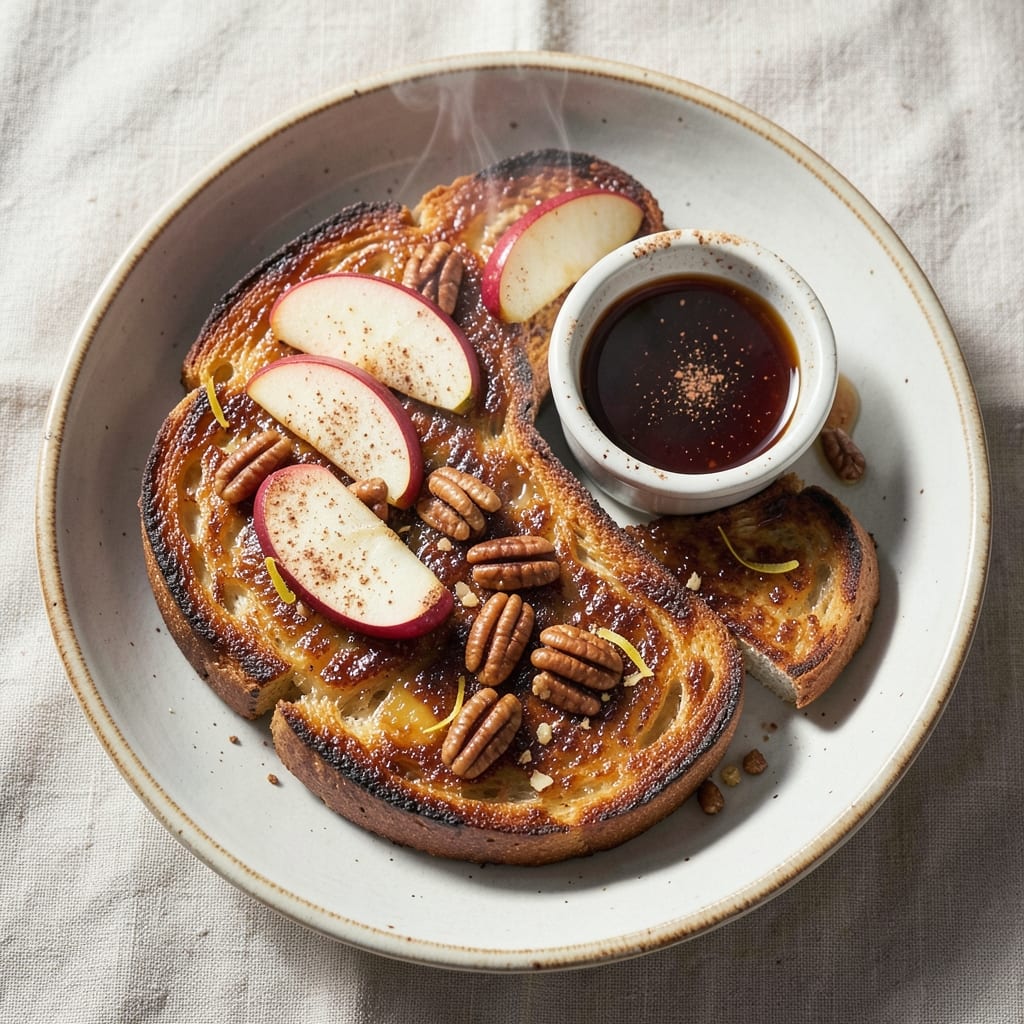
This apple cider French toast recipe transforms a classic breakfast into a fall-inspired masterpiece with warm spice notes and caramelized crunch. The secret lies in the apple cider-infused batter, which adds depth beyond vanilla, while a crispy breading delivers that coveted texture. I developed this after years of perfecting the balance between tender interiors and golden exteriors—no more soggy or burnt results.
The process is straightforward but precise: soak thick-cut bread in a spiced cider mixture, coat in a light, crispy batter, then cook on medium-low heat until perfectly golden. The apple cider doesn’t just flavor the batter—it caramelizes slightly in the pan, creating pockets of sweetness that pair beautifully with maple syrup or whipped cream. This isn’t your grandmother’s French toast; it’s a restaurant-worthy dish with a cozy, autumnal twist.
What makes this recipe stand out is the caramelized crunch—achieved by cooking the bread just until the edges are deep golden and the centers remain soft. The spices in the batter (cinnamon, nutmeg, and a pinch of clove) complement the cider’s natural sweetness, while the breading ensures each bite has that satisfying crunch. It’s the kind of breakfast that feels like a treat, even on a weekday morning.
Serve with warm maple syrup, a sprinkle of cinnamon, or even a drizzle of bourbon caramel for an adult twist. The leftovers reheat beautifully, making this an ideal make-ahead option for brunch gatherings. Here’s how to create this spiced, caramelized French toast that’ll have everyone asking for seconds.
Ingredients for apple cider french toast
Thick-cut sourdough soaks in spiced cider while warm spices caramelize for restaurant-quality French toast.
| Ingredient | Amount | Notes |
|---|---|---|
| Thick-Cut Sourdough Bread 🍞 | 8 slices | Day-old for best texture, crust removed |
| Apple Cider 🍎 | 1 ½ cups | Unpasteurized for depth, room temperature |
| Large Eggs 🥚 | 4 whole | Room temperature for even cooking |
| Granulated Sugar 🍚 | ½ cup | Light brown preferred for caramel notes |
| Ground Cinnamon 🌿 | 2 tsp | Freshly ground for aromatic punch |
| Ground Nutmeg 🌿 | ½ tsp | Freshly grated preferred |
| Ground Cloves 🌶️ | ¼ tsp | Lightly toasted for warmth |
| Vanilla Extract 🌸 | 1 tsp | Pure Madagascar preferred |
| All-Purpose Flour 🌾 | ½ cup | For crispy batter coating |
| Unsalted Butter 🧈 | 2 tbsp | Melted, cooled slightly for frying |
| Pure Maple Syrup 🍁 | ¼ cup | Grade B for robust flavor |
| Diamond Crystal Kosher Salt 🧂 | ½ tsp | For seasoning and caramelization |
| Heavy Whipping Cream 🥛 | ¼ cup | Optional for serving, lightly whipped |
The bread is non-negotiable—thick-cut sourdough with a sturdy crust holds up to soaking without turning mushy. Day-old slices absorb the cider perfectly, while fresh bread risks sogginess. For the cider, unpasteurized varieties from local orchards have the most complex flavor profile, but store-bought brands like Mott's or Woodchuck work in a pinch. The spices? Freshly ground cinnamon and nutmeg from Penzeys or bulk bins elevate the dish, while cloves add subtle warmth—don't skip this pinch. Pro tip: Toast your whole spices briefly in a dry pan before grinding for deeper flavor.
No sourdough? Brioche or challah work beautifully—their richness complements the cider's acidity. Substituting vanilla? Almond extract at half the amount adds nutty depth, but stick with pure vanilla for authenticity. The butter matters here—European-style unsalted has higher fat content for perfect browning. For a vegan twist, replace eggs with flax eggs (4 tbsp ground flaxseed + 10 tbsp water), though texture will differ slightly. The maple syrup should be Grade B for its robust caramel notes—Wilder or Whitetail brands are my go-tos, but any pure maple works.
Prep the batter and cider mixture the night before for overnight soaking—this enhances flavor dramatically. Store leftovers in an airtight container for 3 days, reheating in a dry skillet over medium heat until golden. The batter keeps for 2 days in the fridge, while the cider mixture can be refrigerated for 5 days. For make-ahead brunch gatherings, assemble everything except the breading the evening before—just soak and fry in the morning. The breading mixture stays fresh for 3 days covered in the fridge, making this a stress-free weekend project.
Why You'll Love This Recipe
- Fewer Ingredients, Bigger Flavor: I swear by this combo—just eggs, cider, sugar, and cinnamon. That sourdough soaks up the spiced cider like a dream, turning into something rich and caramelized without needing a dozen mix-ins.
- Weeknight Hero: Honestly, I make this when I’m too tired to think. Toss in the bread, pour the cider-egg mix, and let it sit while I make coffee. The only real work is flipping—and even that’s forgivable.
- Leftovers That Don’t Suck: Most French toast gets sad after day two, but this holds up. I reheat slices in a dry pan with a splash of cider, and they’re still tender with that warm spice kick. Packs lunches like a champ.
- Autumn in a Plate: Between us, this is my go-to for cozy mornings or lazy Sundays. The cinnamon and cider smell like a farm stand in October, and it’s way more impressive than cereal. (Yes, even on a Tuesday night.)
Step-by-step instructions for apple cider French toast
Here's the method—simple yet precise—to create French toast with a spiced caramelized crust and rich apple cider-infused center.
Prepare the Spiced Apple Cider Batter
In a large bowl, whisk together the 4 whole Large Eggs until the yolks and whites are fully combined and the mixture is pale yellow. Add the 0.5 cup Granulated Sugar, 2 tsp Ground Cinnamon, 0.5 tsp Ground Nutmeg, 0.25 tsp Ground Cloves, 1 tsp Vanilla Extract, and 0.5 tsp Diamond Crystal Kosher Salt. Whisk until the sugar dissolves completely and the spices are evenly distributed.
Next, pour in the 1.5 cups Apple Cider and whisk again until fully incorporated. The batter should be smooth and slightly frothy. Here's the thing—this spiced apple cider mixture is what gives the French toast its signature depth of flavor. Let the batter rest for 5 minutes at room temperature while you prepare the bread. This resting period allows the spices to fully infuse and the batter to reach the perfect consistency.
Create the Crispy Coating
In a separate shallow bowl, combine the 0.5 cup All-Purpose Flour with an additional 1 tsp Granulated Sugar if you prefer extra caramelization. This coating will create the signature crispy exterior of the French toast. I like to add a pinch more cinnamon here for an extra aromatic punch—just a sprinkle, about ½ tsp Ground Cinnamon. Stir gently to avoid clumping.
Dip each slice of the 8 slices Thick-Cut Sourdough Bread into the batter, coating both sides completely. Let any excess drip off before transferring to the flour mixture. Press each slice gently into the flour, ensuring an even coating on both sides. This double-dipping technique creates that perfect balance of crispy exterior and tender interior. If the batter starts to thicken while you're working, whisk in a splash of apple cider to maintain the right consistency.
Cook the French Toast to Golden Perfection
Heat a large skillet over medium-low heat and melt the 2 tbsp Unsalted Butter until it's fully liquid but not smoking. You want the butter to coat the pan evenly without burning—this prevents bitter flavors and ensures proper browning. Add the coated bread slices and cook for 2-3 minutes per side, pressing down gently with a spatula during the first minute. This prevents curling and ensures even contact with the pan.
You'll know it's ready when the edges are deep golden brown and the underside has developed a crispy crust. The center should still feel slightly soft when you press gently with your finger—it will continue cooking as it rests. Work in batches to avoid overcrowding the pan, which can lower the temperature and result in soggy toast. Keep the cooked slices warm in a 200°F oven while you finish the rest.
Finish with Maple Syrup and Optional Cream
While the French toast is still warm, drizzle each piece with 0.25 cup Pure Maple Syrup, allowing it to soak into the crispy exterior and caramelize slightly. The syrup should pool in the crevices of the toast, creating pockets of rich, buttery sweetness with every bite. For an elevated presentation, lightly whip the 0.25 cup Heavy Whipping Cream and dollop it alongside the toast or drizzle it over the top.
Serve immediately while the interior remains tender and the exterior stays crisp. The combination of warm spiced apple cider French toast with maple syrup creates a symphony of flavors—warm cinnamon, subtle clove warmth, and the bright acidity of the apple cider cutting through the richness. Each bite should deliver that perfect balance of textures: crispy crust, tender interior, and gooey syrup-soaked pockets.
Pro Tips For Making Apple Cider French Toast
- Soak Slices Longer: I used to rush the soak—big mistake. Let those thick sourdough slices sit in the egg-cider mix for at least 30 seconds per side, closer to 45 if you can wait. The bread’s dense structure needs time to absorb the flavor, not just the liquid. (Yes, it feels like forever, but trust me.)
- Warm the Cider First: Cold apple cider makes for a watery, sad batter. Heat it gently until it’s just warm to the touch—about 90 seconds in the microwave or off the stove. Warm cider blends better with the eggs and caramelizes faster when cooking, giving you that deep, toasty flavor.
- Skip the Overcrowded Pan: I learned this the hard way—piling slices too close steals heat and leaves you with soggy edges. Cook two at a time max, and resist the urge to flip too soon. The first side should develop a golden crust before you flip, or you’ll end up with a mushy mess.
- Toast the Bread First: My grandmother swore by this, and she was right: lightly toast the sourdough slices in a dry pan for 30 seconds per side before soaking. It crisps the exterior just enough to hold up to the wet batter, so your French toast stays sturdy instead of falling apart. (I know, it’s an extra step—but it’s worth it.)
Serving suggestions for leftovers
Classic Maple Syrup
Start with the essential: a generous drizzle of Grade B maple syrup—about 2 tbsp per slice—to complement the apple cider’s warmth. Warm the syrup slightly in a small saucepan over low heat to enhance its caramel notes, then pour it over the toast while still hot. The contrast of cool syrup and warm toast creates that perfect sensory experience. For extra decadence, add a pinch of freshly ground cinnamon to the syrup before drizzling. 🍁
Spiced Whipped Cream
Lightly whip ½ cup heavy whipping cream with 1 tsp vanilla extract and ½ tsp cinnamon until soft peaks form. Dollop this fragrant cream alongside the toast or pipe it directly onto the plate for a restaurant-worthy finish. The cream’s cool texture balances the toast’s warmth, while the spices echo the flavors in the batter. I like to add a few drops of apple cider reduction (simmered until syrupy) to the whipped cream for an extra layer of depth.
Caramelized Apple Compote
Sauté 1 cup thinly sliced apples (like Honeycrisp or Fuji) with 1 tbsp butter, 1 tbsp brown sugar, and a pinch of salt over medium heat for 8-10 minutes until tender and golden. Stir in 1 tsp apple cider vinegar at the end to brighten the flavors. Spoon this compote over the toast or serve it on the side for dipping. The natural sweetness of the apples harmonizes beautifully with the spiced cider in the batter.
Crunchy Toppings
For texture contrast, sprinkle the toast with toasted pecans or walnuts (about 2 tbsp total) while still warm. Toast them in a dry skillet over medium heat for 3-4 minutes until fragrant, then chop roughly. Alternatively, crush ½ cup graham crackers into fine crumbs and toast them lightly for a buttery crunch. These toppings add a satisfying bite that cuts through the richness of the syrup and cream.
Bourbon or Rum Infusion
For an adult twist, stir 1 tbsp bourbon or dark rum into the maple syrup while warming it, then reduce by half over low heat to concentrate the flavors. The alcohol burns off, leaving behind a deep, caramelized aroma. This works especially well with the clove and cinnamon notes in the French toast. Use 1 tsp of the reduced syrup per slice—it’s a game-changer for brunch gatherings. 🍸
Fresh Fruit Pairings
Balance the richness with bright, fresh flavors by serving the toast with sliced pear or apple wedges on the side. The crisp acidity of the fruit cleanses the palate between bites. For a tropical twist, add mandarin orange segments or a few raspberries. The contrast of temperatures and textures makes every bite feel special. I also love pairing it with a cup of chai tea or spiced apple cider to complete the autumnal experience.
Nutrition facts
Frequently asked questions
Can I use store-bought apple cider instead of fresh?
Store-bought cider like Mott's or Woodchuck works perfectly—just ensure it's unpasteurized for the best flavor. For extra depth, simmer it briefly with a cinnamon stick before using in the batter. The key is avoiding overly sweet or artificial varieties that can throw off the balance.
Why does my French toast turn out soggy?
Soggy French toast usually means one of three things: over-soaking the bread, too much liquid in the batter, or undercooking. Soak bread for 30-60 seconds max—just until saturated. If the batter feels too thin, whisk in 1 extra egg yolk for structure. Cook on medium-low heat until golden brown (not steaming).
What's the best bread for this recipe?
Thick-cut sourdough is ideal for its sturdy texture, but brioche or challah work beautifully too. Avoid soft white bread—it absorbs too much liquid and falls apart. For a rustic twist, try day-old rye or whole wheat (adjust soaking time to 20-30 seconds). The crust should hold its shape while soaking but still become tender when cooked.
Can I make this ahead of time?
Yes! Assemble the batter and cider mixture the night before, then refrigerate. Soak the bread in the cold batter for 1-2 hours before cooking (no need to warm the batter). Cooked toast reheats best in a 350°F oven for 5-10 minutes—it'll crisp up beautifully. For make-ahead brunch, prep everything except the breading the evening before.
How do I prevent burning while cooking?
Use medium-low heat and butter (not oil)—it browns more gently. Keep the pan temperature steady by cooking 1-2 slices at a time. If the edges brown too quickly, reduce heat to low or cover the pan for 30 seconds to finish cooking. The center should be warm but not steaming when done.