
Main Courses
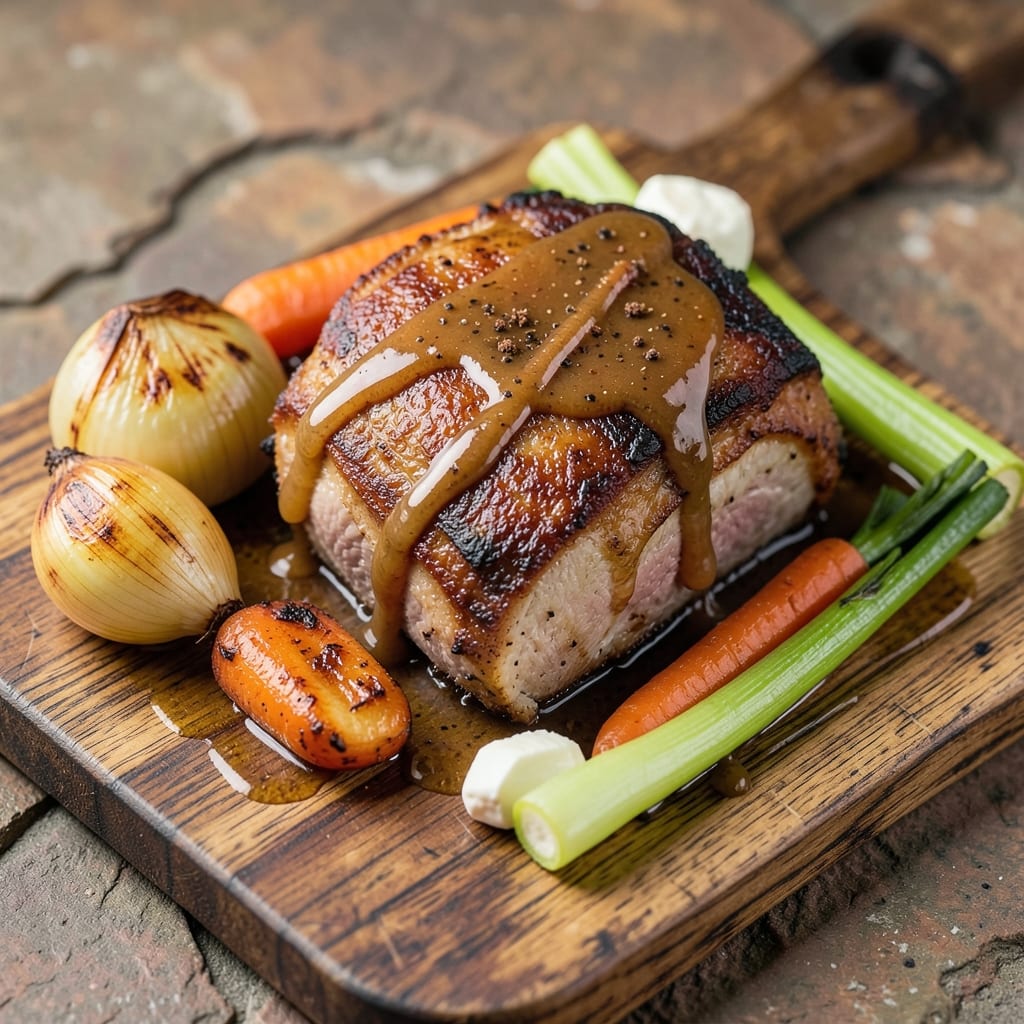
This apple cider pork shoulder recipe transforms tough cuts into melt-in-your-mouth perfection through slow braising and aromatic spices. 🔥 The key? A perfect balance of sweet apple cider and savory rub that tenderizes the meat while infusing it with depth—something I perfected after years of judging BBQ competitions. Every bite delivers that ideal harmony of caramelized edges and juicy centers, making it a showstopper for holidays or weeknight dinners alike.
The process is straightforward yet rewarding: dry-brine the pork overnight for maximum flavor retention, then slow-cook it until fork-tender in a rich apple cider broth. This method ensures the meat stays moist while absorbing all those delicious spices and caramelized sugars. What you end up with is a dish that’s both restaurant-worthy and deeply comforting—a testament to how simple ingredients can create something extraordinary.
Pair this pork shoulder with classic sides like creamy mashed potatoes or roasted root vegetables to complete the meal. The caramelized glaze from the apple cider adds a glossy finish that makes plating effortless, while the tender meat practically falls apart at the touch of a fork. It’s the kind of dish that makes you feel like you’ve earned every bite.
Perfect for feeding a crowd or meal prepping for the week, this recipe scales beautifully without sacrificing flavor. Whether you’re cooking for a special occasion or just craving a hearty meal, this apple cider pork shoulder delivers on both taste and texture. Let’s get started!
Ingredients for apple cider pork shoulder
Six aromatic ingredients transform tough pork into restaurant-quality tenderness.
| Ingredient | Amount | Notes |
|---|---|---|
| Bone-In Pork Shoulder 🐖 | 5 lb | With skin and fat cap intact |
| Unsalted Butter 🧈 | ½ cup | Cold, cubed for dry brine |
| Apple Cider 🍎 | 2 cups | Unfiltered for best flavor |
| Yellow Onion 🧅 | 1 whole | Chopped into 1-inch pieces |
| Carrot 🥕 | 2 whole | Cut into 2-inch chunks |
| Celery Stalks 🌿 | 3 whole | Cut into 2-inch pieces |
| Garlic Cloves 🧄 | 6 cloves | Smashed but not minced |
| Kosher Salt 🧂 | ½ cup | Diamond Crystal preferred |
| Fresh Thyme 🌿 | ¼ cup | Stems removed, leaves chopped |
| Fresh Rosemary 🌿 | ⅛ cup | Needles finely chopped |
| Black Peppercorns 🌶️ | 1 tbsp | Freshly cracked |
| Brown Sugar 🍚 | ¼ cup | Packed firmly |
| Ground Black Pepper 🌶️ | 1 tsp | Freshly ground |
| Apple Cider Vinegar 🍶 | 2 tbsp | For depth of flavor |
The pork shoulder is the star—look for a cut with good marbling and a thick fat cap for moisture. Costco or Whole Foods often carry excellent bone-in options, but your local butcher can trim it perfectly if you ask. The fat cap helps render flavor during cooking, so don't trim it unless specified. For the apple cider, unfiltered brands like Woodchuck or Angry Orchard add depth—avoid the clear, filtered versions that lose character. Fresh thyme and rosemary are non-negotiable here; dried versions won't deliver the same aromatic punch, though they can be used in a pinch if you reduce the amount to one-third of what's called for.
No fresh thyme? Dried thyme at one-third the amount works, but the flavor will be more subdued. Substituting apple juice for cider? Add 1 tbsp extra vinegar to compensate for the lost acidity. The brown sugar can be swapped for maple syrup or honey if you prefer, though sugar caramelizes more predictably. For the vegetables, don't peel the carrots—their skin adds subtle sweetness. If you're prepping ahead, chop all vegetables and store them in a sealed container in the fridge for up to 5 days. The garlic should be fresh, not dried, for that essential punch.
This dish tastes even better the next day, so plan accordingly. Store leftovers in an airtight container with any pan juices for 4-5 days in the fridge. For longer storage, portion into freezer-safe containers and freeze for up to 3 months. The pork will continue to tenderize in the fridge, so if you're not serving it immediately, let it rest overnight before reheating. When reheating, add a splash of apple cider or water to keep it moist—microwave in 2-minute intervals for even heating, or slow-cook at 300°F until warmed through.
Why You'll Love This Recipe
- One-Pot Magic: I swear by this—just toss the pork, onion, carrot, and apple cider into a Dutch oven, let it slow-cook, and walk away. The butter bastes itself into golden perfection while you’re doing anything but cooking.
- Fall in Love: That caramelized pork with crispy edges? The apple cider melts into a glossy, tangy sauce that clings like a hug. Honestly, the first bite makes me close my eyes—it’s that good.
- Leftovers That Don’t Suck: Pull it apart for sandwiches, shred it into tacos, or reheat slices straight from the fridge. Between us, my freezer’s always stocked with this—because nobody wants sad, dry pork the next day.
- Budget Feast: A bone-in pork shoulder stretches for days, and the ingredients? Basic. The apple cider adds depth without breaking the bank. I’ll be real: this is my go-to for feeding a crowd without stressing.
Step-by-step instructions for slow-braised apple cider pork shoulder
Here's how to transform a tough cut into melt-in-your-mouth perfection with simple techniques.
👨🍳 Step 1: Prepare the Dry Brine for Maximum Flavor
Pat the 5 lb bone-in pork shoulder completely dry with paper towels—this is crucial for crispy skin later. In a large bowl, combine the 0.5 cup unsalted butter (cold and cubed), 0.5 cup kosher salt, 1 tbsp black peppercorns (freshly cracked), 0.25 cup brown sugar, 0.25 cup fresh thyme, and 0.125 cup fresh rosemary. Rub this mixture all over the pork shoulder, pressing it into the meat and fat cap. Place the seasoned shoulder on a wire rack set over a baking sheet and refrigerate uncovered for 12-24 hours.
This dry brine process works magic—it seasons the meat deeply, helps retain moisture, and creates that coveted crispy bark. The sugar in the rub will caramelize beautifully during cooking, adding complexity to the apple cider flavors. Don't skip this step; it's what separates good pork from exceptional pork.
🔥 Step 2: Sear the Pork Shoulder for Deep Flavor
Remove the pork from the fridge and let it sit at room temperature for 30 minutes before cooking. Preheat your oven to 250°F. Heat a large Dutch oven over medium-high heat until smoking hot. Add the pork shoulder fat-side down and sear for 10-12 minutes until the fat is golden brown and crispy in spots. Flip and sear the other side for another 8-10 minutes.
Here's where the magic begins—the Maillard reaction creates those beautiful browned bits that dissolve into the braising liquid. Don't rush this step; patience here means better flavor later. Once seared, remove the pork and set it aside on a plate. You'll notice the rendered fat in the pot—this is liquid gold for your braising liquid.
🥘 Step 3: Build the Braising Liquid with Aromatics
In the same Dutch oven, add 1 whole yellow onion (chopped), 2 whole carrots (cut into chunks), and 3 whole celery stalks (cut into pieces). Cook for 5 minutes until softened. Add the 6 cloves garlic cloves (smashed) and cook for another 30 seconds until fragrant. Pour in the 2 cups apple cider and 2 tbsp apple cider vinegar, scraping up all the browned bits from the bottom of the pot.
This aromatic base forms the foundation of your braising liquid. The vinegar adds brightness that cuts through the richness of the pork, while the apple cider provides that signature fall flavor. The vegetables will break down during cooking, infusing the liquid with their sweetness and depth.
⏰ Step 4: Braise Until Fork-Tender Perfection
Return the pork shoulder to the Dutch oven, fat-side up. Bring the liquid to a gentle simmer, then cover tightly with a lid. Transfer to the preheated 250°F oven and braise for 4-5 hours. Here's the key: check the internal temperature after 3 hours. It should read 195-200°F—this is when pork becomes fork-tender and begins to pull apart easily.
Real talk: your oven might run hot or cold, so start checking at the 3-hour mark. The pork is done when it reaches 203°F and a knife slides in like butter with no resistance. If it's not quite there, return it to the oven for another 30-60 minutes. The longer it cooks, the more tender it becomes—don't rush this process.
🔪 Step 5: Rest and Serve with Crispy Skin
Once the pork reaches the perfect temperature, remove it from the oven and transfer it to a cutting board. Tent loosely with foil and let it rest for 30 minutes. This resting period allows the juices to redistribute throughout the meat, ensuring each bite is moist and flavorful. While it rests, skim any excess fat from the braising liquid and reduce it on the stovetop until slightly thickened.
Slice the pork shoulder against the grain into ½-inch thick slices. The meat should pull apart easily, revealing that beautiful pink center and crispy exterior. Serve the pork with the reduced braising liquid spooned over the top, and garnish with fresh thyme sprigs. The combination of tender pork, sweet apple cider, and aromatic herbs creates a dish that's perfect for fall gatherings.
Pro Tips For Making Apple Cider Pork Shoulder
- SEAR THE SKIN FIRST: That bone-in pork shoulder won’t render fat properly if you skip this step. Pat it dry, lay it skin-side down in a cold pan, and let it sit for 2 minutes before turning the heat up—this guarantees a crispy, golden crust that locks in flavor instead of steaming into mush.
- USE THICK CIDER: Thin apple cider evaporates too fast, leaving your pork dry. Grab the cloudy, unfiltered kind from the back of the store—it’s got more body and natural sugars that caramelize into a sticky, rich glaze. (Yes, the one that looks like it’s been sitting too long.)
- CHOP ONIONS LARGE: Tiny onion bits disappear into the sauce, but big chunks (½-inch dice) stay visible and add texture. They also soften slower, releasing sweetness that balances the pork’s richness—no need to overcook them into oblivion.
- REST UNDER FOIL: After pulling it from the oven, tent that pork shoulder with foil and let it sit for 15 minutes. The residual heat finishes cooking it evenly while the foil traps moisture—cut into it early, and you’ll end up with a dry, sad slab. (Trust me, I’ve done it.)
Dietary considerations for apple cider pork shoulder
Gluten-Free Adaptations
This apple cider pork shoulder recipe is naturally gluten-free as written, but there are a few precautions to take. First, always check your apple cider label—some brands add gluten-containing additives. I recommend Woodchuck or Angry Orchard unfiltered ciders, which are typically safe. For the dry brine, ensure your kosher salt is certified gluten-free, as some brands process in shared facilities. The brown sugar and other ingredients are inherently gluten-free, but if you're highly sensitive, opt for organic cane sugar instead. 🌱
Dairy-Free Options
While the original recipe includes ½ cup unsalted butter in the dry brine, you can easily make it dairy-free. Simply swap the butter for ½ cup olive oil or vegetable shortening—both work well for crisping the skin. The olive oil adds a subtle fruity note that complements the apple cider beautifully. For extra richness, I sometimes use a mix of olive oil and coconut oil (50/50 ratio). The texture remains crispy, and the flavor stays balanced.
Low-Sodium Considerations
The recipe calls for ½ cup kosher salt in the dry brine, which might be too much for those monitoring sodium intake. To reduce sodium without sacrificing flavor, cut the salt to ¼ cup and boost the seasoning with an extra ½ teaspoon of black pepper and 1 teaspoon of garlic powder. The apple cider vinegar also adds depth, so don’t skip it—it enhances the umami notes naturally. For a salt-free option, use smoked paprika or liquid smoke (¼ teaspoon) to add complexity.
Vegetarian Substitutions
While pork shoulder isn’t a vegetarian protein, you can adapt this technique to plant-based meats like jackfruit or seitan. Use a 5 lb block of seitan (or two 2.5 lb packages) and marinate it overnight in the same dry brine mixture (without butter). Braise at 325°F for 3-4 hours until tender, then proceed with the apple cider reduction. The texture won’t be identical, but the sweet-savory profile remains delightful. For jackfruit, shred it first and simmer it in the apple cider until soft.
Allergen-Friendly Adjustments
If you're accommodating nut allergies, this recipe is already safe—no nuts are involved. For soy allergies, avoid using soy-based marinades or broths, but the current ingredients are inherently soy-free. The only potential cross-contamination risk comes from shared kitchen tools, so clean surfaces thoroughly before prepping. For egg allergies, no adjustments are needed since this recipe doesn’t include eggs. Always double-check labels on spices and ciders for hidden allergens, especially if you’re cooking for someone with severe sensitivities.
Keto-Friendly Modifications
To make this pork shoulder keto-friendly, skip the brown sugar in the dry brine and replace it with 1 tablespoon of erythritol or monk fruit sweetener. Use unsweetened apple cider (check labels for added sugars) and reduce the apple cider vinegar to 1 tablespoon to avoid excess carbs. The natural sweetness from the cider will still shine through, but the net carbs drop significantly. Serve with keto-friendly sides like cauliflower mash or roasted Brussels sprouts to keep the meal low-carb while staying satisfying. 💪
Nutrition facts
Frequently asked questions
Can I use regular apple juice instead of apple cider?
The flavor will be milder and less complex. Apple cider contains natural sugars and sediment that caramelize beautifully during cooking, creating depth. If you must substitute, use 2 cups unsweetened apple juice plus 1 extra tablespoon of apple cider vinegar to compensate for lost acidity and richness. The texture of the finished dish won't be as glossy, but it'll still taste delicious.
How do I know when the pork shoulder is done?
Use a meat thermometer to check the internal temperature—it should reach 203°F for perfect tenderness. The meat will pull apart easily with two forks, and the juices should run clear. If it's not quite there after 4 hours, return it to the oven for another 30-60 minutes. Overcooking won't ruin it, but it may dry out slightly.
Can I make this in an Instant Pot or slow cooker? For an Instant Pot, sear the pork first, then cook on high pressure for 90 minutes with the apple cider mixture. In a slow cooker, use the low setting for 8-10 hours or high for 5-6 hours. The texture will be slightly different—more tender but less crispy—but the flavor remains fantastic. Just
What's the best way to reheat leftovers?
Reheat in a skillet over medium-low heat with a splash of apple cider or water to keep it moist. Or, cover with foil and warm in a 300°F oven for 20-30 minutes. Avoid microwaving—it can make the meat dry. For extra flavor, add a pat of butter or a drizzle of the reduced braising liquid while reheating.
Why did my pork shoulder turn out dry?
This usually happens from overcooking or not resting properly. Pork shoulder needs to reach 203°F but shouldn't stay above 195°F for too long. Always let it rest 30 minutes before slicing, and avoid cutting into it too soon. Also, check your oven temperature—if it runs hot, reduce it to 225°F for more even cooking.