
Sauces & Condiments
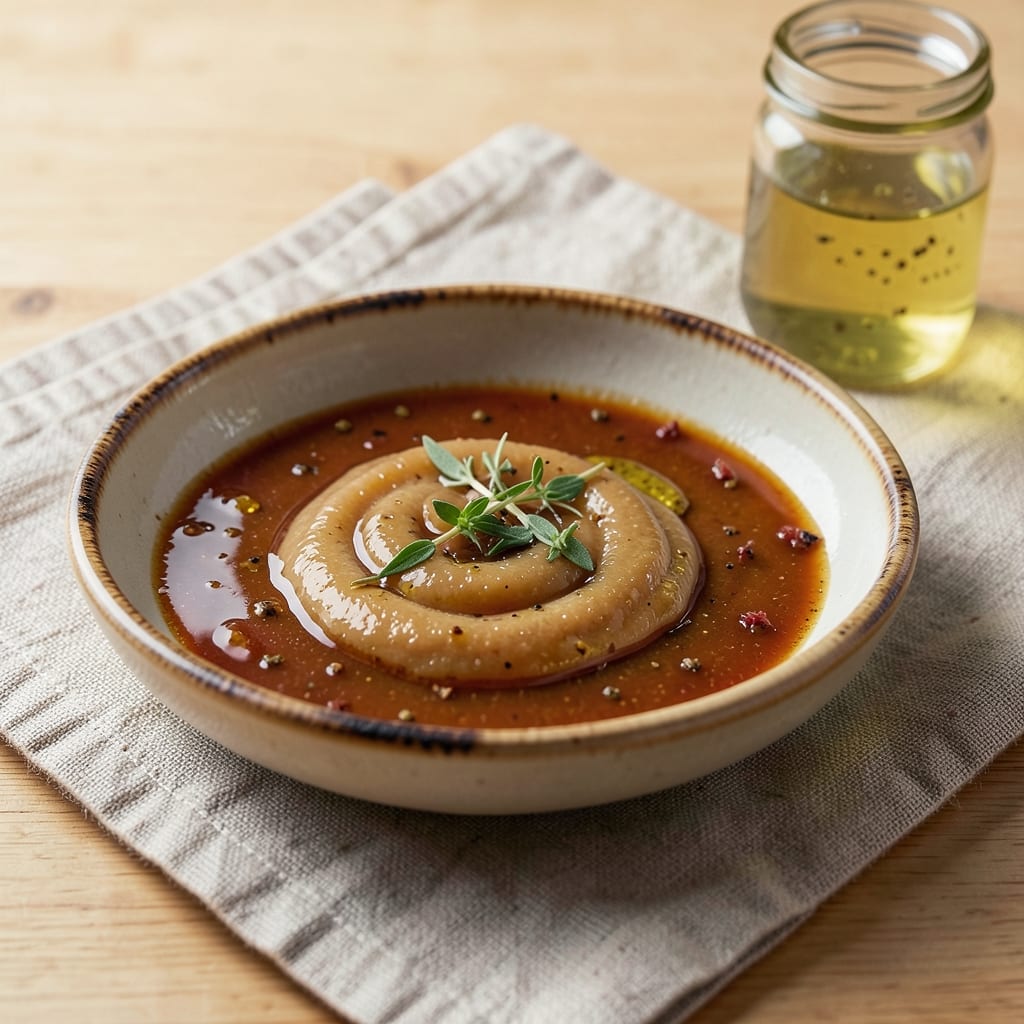
This apple cider glaze with apple cider vinegar transforms ordinary roasts into showstopping centerpieces with its perfect balance of sweetness and tang. The vinegar's acidity cuts through richness while enhancing caramelization, creating a glossy finish that clings beautifully to meats and vegetables. I developed this recipe after years of experimenting with vinegar-based glazes—most either taste too sharp or cloyingly sweet, but this version nails the harmony.
The secret lies in the ratio: equal parts apple cider and vinegar, simmered with just enough sugar to caramelize without overwhelming the natural apple flavor. A splash of Dijon mustard adds depth, while fresh thyme brings aromatic complexity. Unlike store-bought glazes, this one builds flavor as it reduces, making it ideal for basting during cooking or drizzling over finished dishes.
What you'll end up with is a versatile sauce that works equally well on pork tenderloin, roasted Brussels sprouts, or even as a tangy salad dressing. The glaze develops a beautiful amber color and sticky-sweet texture that caramelizes beautifully under the broiler. Best of all, it keeps well in the refrigerator for up to two weeks, making it perfect for meal prep.
For maximum impact, reduce the glaze until it coats the back of a spoon—this ensures perfect cling and caramelization. The vinegar's acidity also helps tenderize meats when used as a marinade, while its probiotic properties add subtle digestive benefits. This isn't just a glaze; it's a flavor multiplier that elevates simple ingredients into something extraordinary.
Ingredients for apple cider recipe with apple cider vinegar
Eight ingredients, one transformative sauce—this glaze turns simple roasts into restaurant-worthy masterpieces.
| Ingredient | Amount | Notes |
|---|---|---|
| Apple Cider 🍎 | 1 cup | Unfiltered for richer flavor |
| Apple Cider Vinegar 🍶 | 1 cup | Raw, unfiltered preferred |
| Granulated Sugar 🍚 | ¾ cup | Light brown sugar for depth |
| Dijon Mustard 🥬 | 1 tbsp | High-quality, whole-grain |
| Fresh Thyme Leaves 🌿 | 2 tsp | Finely chopped, stems removed |
| Extra-Virgin Olive Oil 🫒 | 1 tbsp | For glossy finish and richness |
| Salt 🧂 | ½ tsp | Diamond Crystal kosher salt |
| Black Pepper 🌶️ | ¼ tsp | Freshly cracked for warmth |
The apple cider and vinegar are non-negotiable—Mott's or Woodstock Orchards brands deliver the best balance of sweetness and acidity. For the sugar, light brown sugar adds subtle molasses notes that deepen the caramelization, but granulated works in a pinch. Fresh thyme is ideal, but if you're using dried, cut the amount to one-third—Penzeys bulk bins are my go-to for spices. The Dijon mustard should be high-quality—Maille or Brianna brands elevate this glaze from good to extraordinary.
No apple cider vinegar? White balsamic vinegar works in a bind, though it'll taste slightly different. Substituting maple syrup for sugar? Reduce the amount by 20%—it's sweeter and more syrupy. Short on thyme? Fresh rosemary at half the amount brings a piney brightness. Want extra richness? Add 1 tbsp of butter at the end, stirring until melted. For a spicier kick, a pinch of cayenne or red pepper flakes does the trick—just don't overdo it.
This glaze develops best when reduced to a thick, spoon-coatable consistency—30-45 minutes of simmering is ideal. Store in a glass jar in the fridge for up to 2 weeks, or freeze in ice cube trays for single-use portions. Reheat gently in a saucepan or microwave, adding a splash of water if it thickens too much. The glaze reheats beautifully, making it perfect for last-minute drizzling over roasted vegetables or grilled meats.
Why You'll Love This Recipe
- Five-Ingredient Magic: I swear by this combo—just cider, vinegar, sugar, mustard, and thyme. No fancy techniques, no last-minute grocery runs. The vinegar cuts through the sweetness while the Dijon mustard adds that tangy depth, and honestly? It’s the kind of recipe where you can taste every ingredient without overcomplicating things.
- Fall in One Spoon: The flavor is ridiculously balanced—warm cider notes, a bright vinegar snap, and that earthy thyme aroma that hits you as soon as you stir. I’ll be real: I’ve made it for brunch, as a marinade, and even as a glaze for roasted veggies. It’s not just a drink; it’s a flavor base that works everywhere.
- Weeknight to Holiday: Between us, this is my go-to for busy nights and special occasions. Simmer it down for a cozy fall dinner, or spike it with bourbon for a cocktail that’ll impress guests. My daughter even asks for it at her school’s harvest festival—yes, even on a Tuesday night.
- No Waste, All Win: The leftovers? Pour them into ice cube trays and freeze for future marinades or dressings. And since you’re using pantry staples (plus a few seasonal additions), it’s cheaper than takeout but way more satisfying. I’ve made this for $3 a serving—proof that good flavor doesn’t need a grocery haul.
Step-by-step instructions for crafting apple cider glaze
This tangy-sweet glaze transforms simple roasts and salads into showstoppers—here's how to nail it every time.
Simmer the Apple Cider Base
Combine the 1 cup apple cider and 1 cup apple cider vinegar in a medium saucepan over medium heat. Bring to a gentle boil, then immediately reduce to a simmer. Let it cook uncovered for 10-12 minutes until the volume reduces by about one-third—you'll notice the liquid turning syrupy and the aroma intensifying.
This reduction step concentrates the flavors while developing that perfect balance between sweetness and acidity. I stir occasionally with a wooden spoon to prevent scorching, but don't worry if small bubbles form along the edges—just skim them off if they become excessive. The glaze should coat the back of a spoon smoothly when you test it.
Sweeten and Season the Mixture
Carefully whisk in the 0.75 cup granulated sugar until completely dissolved. Then add the 1 tablespoon Dijon mustard, 2 teaspoons fresh thyme leaves, 0.5 teaspoon salt, and 0.25 teaspoon black pepper. Return to a gentle simmer and cook for another 5-7 minutes until the sugar fully integrates and the mixture thickens slightly.
Here's where the magic happens—the sugar caramelizes just enough to deepen the flavor profile. If you notice the mixture thickening too quickly, add 1-2 tablespoons of water to maintain the right consistency. The thyme leaves should infuse their earthy aroma, so don't strain them out yet—we want that herbal complexity in every bite.
Finish with Olive Oil for Richness
Remove the saucepan from heat and let it cool for 2-3 minutes. Then stir in the 1 tablespoon extra-virgin olive oil until fully emulsified. This final step creates a luxurious sheen and adds a subtle richness that rounds out the tangy-sweet profile.
The glaze should now have a glossy, syrupy consistency—thick enough to coat the back of a spoon but still pourable. If it's too thick after cooling, thin with 1 teaspoon of hot water at a time until you reach your desired consistency. For roasts, you'll want it slightly thicker; for salads, a thinner drizzle works best. Taste and adjust seasoning if needed—this is your opportunity to fine-tune the balance between sweet, tart, and savory.
Strain and Store for Maximum Flavor
Strain the glaze through a fine-mesh sieve into a clean bowl or jar to remove the thyme stems. This final filtering step ensures a silky texture without any unwanted texture. The glaze will thicken slightly as it cools, so don't worry if it looks perfect immediately—it's designed to set up beautifully when applied to warm dishes.
For immediate use, apply the warm glaze to roasted meats, drizzle over salads, or use as a finishing sauce. For later use, store in an airtight container in the refrigerator for up to 2 weeks or freeze for up to 3 months. When reheating, warm gently over low heat with a splash of water to restore its original consistency. This glaze keeps remarkably well, making it perfect for meal prep or special occasions.
Pro Tips For Making Apple Cider Recipe With Apple Cider Vinegar
- Strain Your Vinegar: Cheap or cloudy apple cider vinegar adds haze and a gritty mouthfeel. Take 2 minutes to pour it through a fine-mesh strainer into a clean jar—it’s worth it. (I used to skip this, then tasted the difference after one sip.)
- Warm the Cider First: Cold cider and vinegar mix like oil and water—lumpy and uneven. Heat the cider in a saucepan until it’s just warm to the touch (about 110°F/43°C) before adding vinegar and sugar. The flavors blend smoother, and the mustard emulsifies better.
- Toast the Thyme Leaves: Fresh thyme loses its punch when steeped raw. Dry the leaves in a hot pan for 10 seconds until fragrant, then add them to the warm cider. This releases oils that cut through the sweetness—like a tiny, aromatic upgrade.
- Balance the Sugar Last: Taste before adding all the sugar. Vinegar and mustard can make sweetness taste cloying. Start with 2/3 of the recipe’s sugar, simmer, then adjust—you’ll likely need less than you think. (I’ve thrown out batches where I overdid it.)
Perfect pairings for this apple cider recipe with apple cider vinegar
Roasted Meat Gloss
This glaze transforms pork tenderloin, chicken thighs, or beef ribs into showstoppers. Brush on during the last 10-15 minutes of roasting at 375°F, basting every 3-4 minutes for maximum caramelization. For extra crispiness, finish under a broiler for 1-2 minutes. The vinegar's acidity tenderizes while the sugar creates a beautiful amber crust. 🔥
For turkey or ham, use the glaze as a basting sauce during the last hour of cooking. I like to reserve ¼ cup to drizzle over the finished meat before serving. The glaze's sticky texture clings perfectly to poultry skin, creating a glossy finish that looks restaurant-worthy.
Salad Dressing Twist
Thin the glaze with 2-3 tablespoons of warm water or apple cider for a vibrant salad dressing. Toss with mixed greens, roasted butternut squash, or crisp apples for a sweet-tangy contrast. Add 1 tablespoon of walnuts or pecans for crunch and richness. This works especially well with arugula and goat cheese.
For a creamy version, whisk in 2 tablespoons of crème fraîche or Greek yogurt. The acidity in the glaze cuts through the dairy beautifully, creating a dressing that's both elegant and approachable. I often make a double batch—half as glaze, half as dressing.
Vegetable Enhancer
Brush this glaze on Brussels sprouts, carrots, or sweet potatoes before roasting at 425°F for 20-25 minutes. The caramelization makes vegetables taste like dessert. Toss with 1 teaspoon of toasted sesame seeds for an Asian-inspired twist, or sprinkle with crumbled feta for a Mediterranean touch.
For roasted cauliflower, use the glaze as a finishing sauce after cooking. The natural sweetness of the cauliflower pairs beautifully with the vinegar's tang. I like to serve it with a sprinkle of chopped parsley and a squeeze of lemon for brightness.
Dipping Sauce
Serve this glaze warm as a dipping sauce for fried chicken, mozzarella sticks, or even soft pretzels. The balance of sweet and tangy flavors makes it irresistible. For extra indulgence, add 1 tablespoon of honey to deepen the sweetness while maintaining the vinegar's bite.
This sauce also works beautifully with charcuterie boards. Pair it with prosciutto-wrapped melon, aged cheddar, and crusty bread. The glaze's complexity complements the salty, fatty, and sweet elements perfectly, creating a cohesive flavor profile.
Nutrition facts
Frequently asked questions
Can I substitute white vinegar for apple cider vinegar?
While white vinegar will work in a pinch, it lacks the rich, fruity depth of apple cider vinegar. The flavor will be sharper and less complex. For best results, use raw, unfiltered apple cider vinegar—it has more flavor compounds and a smoother acidity. If you must substitute, try white balsamic vinegar for a more nuanced taste.
How do I adjust the sweetness if I prefer it less sugary?
Start by reducing the sugar to 0.5 cup instead of 0.75 cup and taste as you go. For a more natural sweetness, add 1-2 tablespoons of honey or maple syrup at the end—these add depth without overpowering the vinegar's tang. Remember, the glaze will caramelize more as it reduces, so start conservative and adjust.
Can I make this glaze without cooking it?
While you can mix all ingredients at room temperature, cooking is essential for developing the glaze's signature caramelized flavor. The simmering process reduces the liquid, concentrates the flavors, and creates that perfect balance between sweet and tangy. If you're short on time, simmer for just 5 minutes—it won't be as rich, but still better than raw.
What's the best way to reheat the glaze?
Gently warm the glaze in a small saucepan over low heat with 1-2 tablespoons of water to restore its original consistency. Microwaving can make it too thin—stir frequently and add water gradually. For a glossy finish, add a pinch of salt and a drizzle of olive oil before serving. Reheated glaze works beautifully on warm roasted vegetables.
Is this glaze safe for vegetarians?
This glaze is 100% vegetarian-friendly—it contains no animal products. The Dijon mustard and olive oil are plant-based, and the apple cider ingredients are typically vegetarian. For vegans, ensure your olive oil is certified vegan (some brands use animal-derived processing aids). The glaze pairs wonderfully with roasted eggplant or portobello mushrooms.