
Main Courses
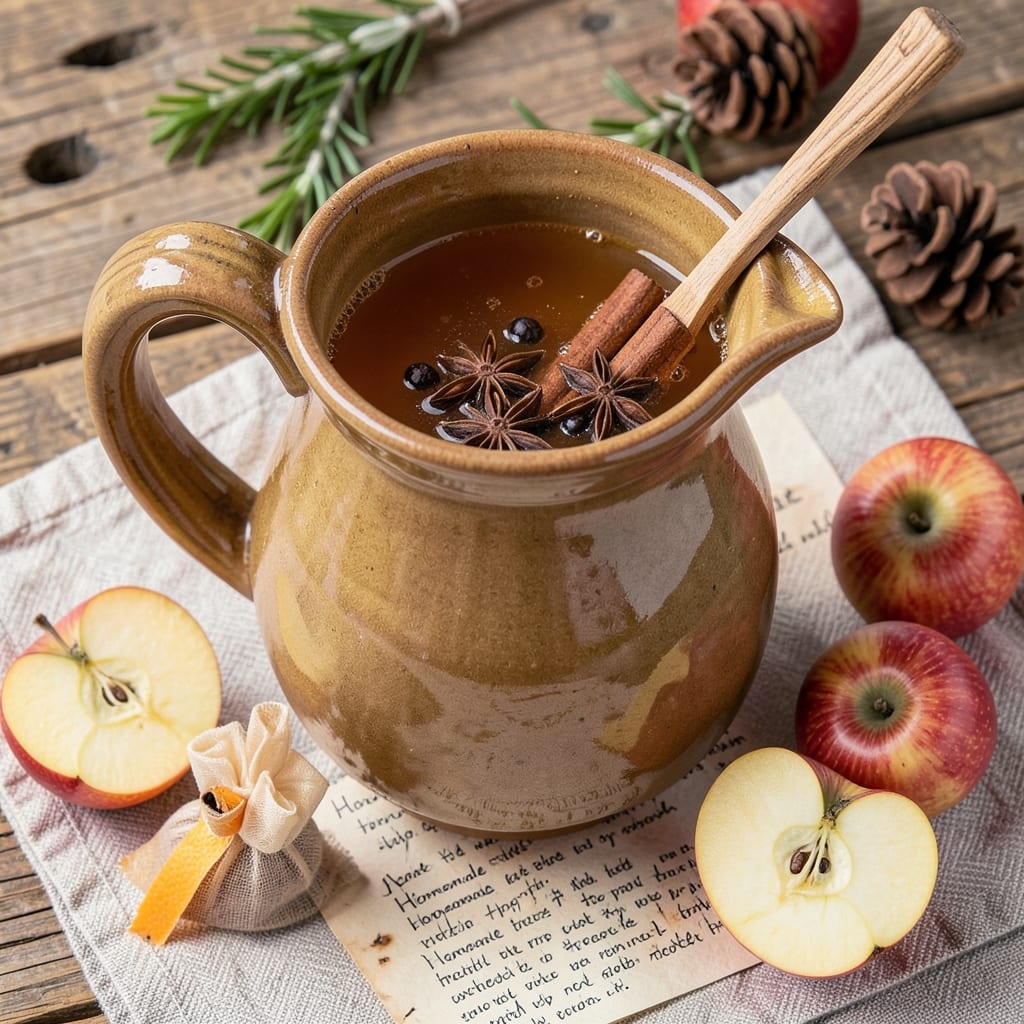
This apple cider recipe with cinnamon sticks transforms simple ingredients into a fragrant, warming beverage that captures autumn's essence in every sip. The slow simmer of apples, cinnamon, and warm spices creates a drink that's both comforting and sophisticated—perfect for chilly evenings or holiday gatherings. I developed this version after years of perfecting the balance between sweetness and spice, ensuring each batch delivers rich, complex flavors without being overly sweet.
The secret lies in using whole spices—cinnamon sticks, star anise, and cloves—rather than pre-ground versions, which release their aromatic oils more gradually. Simmering the mixture for 30 minutes allows the flavors to meld beautifully, creating a warm, spiced cider that's ideal served at 185°F. The recipe scales effortlessly, making it perfect for everything from intimate family dinners to festive parties.
What you'll end up with is a fragrant, golden-hued cider that's fragrant with cinnamon and warm spices, yet balanced with natural apple sweetness. The cinnamon sticks can be removed before serving, or left in for an even more rustic presentation. This isn't just a drink—it's an experience that transforms any gathering into a cozy autumn celebration.
Serve warm with a sprinkle of cinnamon on top, or chill slightly for a refreshing variation. The possibilities for customization are endless—add orange slices for brightness, a splash of bourbon for depth, or even a dash of nutmeg for extra warmth. Let's create this comforting classic that tastes like fall in a mug.
Ingredients for apple cider recipe with cinnamon sticks
Whole spices and seasonal fruit combine for a fragrant, warming cider that captures autumn's essence in every sip.
| Ingredient | Amount | Notes |
|---|---|---|
| Apples (mixed varieties) 🍎 | 6 whole | Peeled, cored, sliced thin |
| Cinnamon Sticks 🌿 | 4 whole | High-quality, aromatic variety |
| Star Anise Pods 🌟 | 3 whole | Whole, not ground |
| Whole Cloves 🌶️ | 6 whole | Freshly picked for best flavor |
| Orange Peel 🍊 | 1 whole | Unwaxed, organic preferred |
| Water 💧 | 8 cups | Filtered preferred |
| Brown Sugar 🍚 | ½ cup | Light or dark variety |
| Vanilla Extract 🌸 | 1 tsp | Pure, high-quality |
| Salt 🧂 | ½ tsp | Fine sea salt preferred |
| Fresh Nutmeg 🌿 | ¼ tsp | Freshly grated |
| Lemon Juice 🍋 | 1 tbsp | Freshly squeezed |
| Cinnamon Powder 🌶️ | 1 tsp | For garnish |
The apples are the foundation—mixed varieties like Honeycrisp and Granny Smith give you the perfect balance of sweetness and tartness. Local farmers markets often have the freshest selections, but any crisp, firm apples work. Avoid anything mealy or bruised. For the spices, Whole Foods or specialty spice shops carry the best quality star anise and cloves, but bulk bins at regular grocery stores are fine too. Look for whole spices—they release flavor more gradually during simmering, creating that rich, complex aroma. The orange peel adds brightness, so choose unwaxed organic if possible, or just scrub it well if conventional.
No star anise? Anise seeds at double the amount work in a pinch, but the flavor won't be identical. Running short on cloves? Allspice berries are a great substitute, though they have a slightly different profile. The brown sugar can be swapped for maple syrup or coconut sugar for a more natural sweetener. Need to make this ahead? Double the spices and reduce the simmer time to 20 minutes—the flavors intensify as it sits. For a boozy twist, add 1/2 cup bourbon or apple brandy at the end of simmering. The lemon juice is crucial for balance, so don't skip it unless you're adding extra sweetener.
This cider keeps beautifully—simmered for 30 minutes and then reheated, it actually tastes better the next day as the flavors meld. Store in the fridge for up to 5 days or freeze in ice cube trays for 3 months. To serve, simply reheat on the stove over medium-low, stirring occasionally. For a festive touch, strain through a fine-mesh sieve to remove spices, then garnish with a sprinkle of cinnamon powder and a cinnamon stick. The apple peels can be composted—no waste here.
Why You'll Love This Recipe
- No Chopping Needed: I swear by this—just toss in whole apples, peel, and spices. No dicing, no peeling, no fuss. The slow simmer does all the work while I sip tea and pretend I’m not cooking.
- Spice Magic Unlocked: That first sip? Warm cinnamon sticks unfurling like a hug, star anise whispering licorice depth, and orange peel cutting through with bright sunshine. It’s cozy without trying too hard—like a hug from autumn itself.
- Leftovers That Shine: This cider only gets better after day two. I freeze batches for quick hot drinks later, or use it to deglaze pans for sauces. (Yes, even my burnt toast gets redeemed with a splash.)
- Pantry Staple Power: Between us, you’ve got these ingredients already—apples, cinnamon, maybe even forgotten star anise in your spice drawer. No last-minute grocery runs, no overpriced specialty items. Just pure, reliable comfort.
Step-by-step instructions for spiced apple cider
Transform simple ingredients into aromatic, golden cider with this precise simmering method.
Prepare the Spice Package
In a small cheesecloth or spice bag, combine the 4 whole Cinnamon Sticks, 3 whole Star Anise Pods, 6 whole Whole Cloves, and the 1 whole Orange Peel (cut into thin strips). Tie securely to prevent spices from escaping into the cider. This bundle creates layers of warm, complex flavor without bitterness.
If you don't have cheesecloth, wrap the spices tightly in aluminum foil with small holes poked in it. The key is keeping the spices contained while allowing their oils to infuse the liquid. Avoid using ground spices—they'll make the cider cloudy and bitter.
Simmer Apples and Water
In a large stockpot, combine the 6 whole Apples (peeled, cored, sliced thin) with the 8 cups Water. Bring to a boil over medium-high heat, then immediately reduce to a gentle simmer. You want small bubbles breaking the surface but no vigorous boiling that would make the cider cloudy.
Simmer uncovered for 20 minutes, stirring occasionally to prevent the apples from sticking to the bottom. The apples should soften but not completely disintegrate—you're extracting their natural sweetness and acidity, not making applesauce. This initial simmer builds the cider's foundation.
Add Spices and Sugar
Add the spice package to the pot and stir gently to submerge it. Then add the 0.5 cup Brown Sugar, 0.5 tsp Salt, and 0.25 tsp Fresh Nutmeg. Stir well to dissolve the sugar completely. The nutmeg adds a subtle warmth that complements the cinnamon's sweetness.
Continue simmering for another 25-30 minutes until the apples are fork-tender and the cider has reduced slightly, creating a more concentrated flavor. You'll notice the aroma filling your kitchen—this is when the spices really begin to work their magic. The cider should smell like a cozy autumn morning.
Finish and Strain
Remove the pot from heat and let it sit for 5 minutes to allow the flavors to meld. Then carefully remove the spice package and discard it (or save the spices for future batches). Using a fine-mesh strainer lined with cheesecloth, strain the cider into a large bowl, pressing gently on the apples to extract all the liquid.
Return the strained cider to the pot and stir in the 1 tbsp Lemon Juice and 1 tsp Vanilla Extract. The lemon brightens the flavors while the vanilla adds depth. Taste and adjust sweetness if needed—you can add more brown sugar if the cider tastes tart, but typically this amount balances perfectly.
Serve Warm and Garnish
Return the cider to low heat just to keep it warm (do not boil again). Ladle into mugs and dust each serving with 1 tsp Cinnamon Powder for a finishing touch. The powder adds visual appeal and a subtle cinnamon aroma that enhances the drinking experience.
For best results, serve immediately while the cider is steaming hot. The spices will continue to infuse slightly as it sits, but the freshest flavor comes from this just-simmered version. Store any leftovers in the refrigerator for up to 5 days—the flavors actually deepen overnight.
Pro Tips For Making Apple Cider Recipe With Cinnamon Sticks
- Peel Apples Thinly, Not Shredded: I learned this the hard way—thick peels turn to mush and cloud your cider. Use a sharp paring knife to slice just the skin off in long, paper-thin strips (about 1/16-inch thick), then chop them into tiny pieces. This keeps the texture clean and lets the spices shine without bitterness.
- Simmer Low and Slow: Cranking the heat to boil this off fast makes bitter, astringent cider. Once everything’s in the pot, reduce to a gentle simmer—barely a bubble at the edges—and let it cook uncovered. If it’s too aggressive, the apples release tannins faster than flavor, and your cider turns harsh.
- Toast Spices First: Skip this, and your cinnamon sticks and star anise will just float there like decorative twigs. Dry-toast the whole spices (cloves, star anise) and cinnamon sticks in a separate pan over medium-low for 2–3 minutes until fragrant. Then add them to the cider—this unlocks their oils and aroma way more than just dropping them in cold.
- Strain Twice for Clarity: One strain through a fine-mesh sieve leaves behind gummy apple bits that clog your pitcher. After the first strain, press the pulp with a wooden spoon or ladle, then strain again through a clean cheesecloth or coffee filter for that restaurant-quality smoothness. (Yes, it’s extra work, but your cider will look and taste polished.)
Flavor customization for these flavors
Spice Level Control
Adjust the heat by modifying the spices—reduce cloves or star anise for a milder sip, or double them for bold warmth. For a gentle kick, add ¼ tsp cayenne at the end of simmering. I often halve the cloves when serving kids or sensitive palates, but keep the cinnamon sticks for aroma. 🌶️
Sweetness Balance
Swap brown sugar for maple syrup or honey to reduce refined sugar. For extra depth, add ½ cup apple cider vinegar (simmered with the apples) to enhance natural sweetness. Taste as you go—adjust sweetness before straining, not after. I find ½ cup maple syrup works beautifully for a more natural profile.
Citrus Variations
Boost brightness with lemon slices (instead of peel) or add ½ cup orange juice for a tangier twist. For a tropical note, simmer with ½ cup pineapple juice during the last 10 minutes. The acidity cuts through the spices beautifully. I love adding both lemon and orange for a festive citrus medley.
Boozy Upgrades
Infuse with ½ cup bourbon or apple brandy during the final 5 minutes of simmering. For a non-alcoholic version, add 1 tsp vanilla bean paste instead of extract. The alcohol enhances the spice aroma while adding warmth. I recommend Woodford Reserve bourbon for its smooth caramel notes.
Herbal Infusions
Add 2 sprigs fresh rosemary or 1 bay leaf with the spices for an earthy depth. For floral notes, steep 1 chamomile tea bag in the hot cider before serving. These herbal touches elevate the drink into a sophisticated sipper. I often pair rosemary with the cinnamon for a savory-sweet contrast.
Seasonal Twists
In summer, chill the cider and serve over ice with a splash of sparkling water. For winter, add ½ cup pomegranate juice and serve with a cinnamon stick stirrer. The contrast between seasons makes this recipe endlessly adaptable. I love the summer version with mint leaves for a refreshing twist.
Nutrition facts
Frequently asked questions
Can I use store-bought apple juice instead of fresh apples?
Yes, but the flavor will be different! For best results, use 100% pure apple juice (no added sugar)—about 6 cups—and simmer it with the spices for 20-25 minutes instead of starting with whole apples. The texture will be smoother, but you'll miss the natural depth from fresh apple slices. I recommend adding 1 extra cinnamon stick to compensate for the reduced complexity.
How do I prevent my cider from getting too bitter?
Bitterness usually comes from over-simmering or using too many spices. To avoid this, never boil vigorously—keep it at a gentle simmer. Remove the spice package after 25 minutes (even if the recipe says 30) and taste before straining. If it's too strong, add 1 tbsp lemon juice to brighten it. For future batches, reduce cloves by half or skip star anise if you're sensitive to its flavor.
Can I make this cider ahead of time for a party?
This cider actually tastes better the next day as flavors meld. Prepare it up to 2 days ahead and store in the fridge. Reheat gently on the stove, stirring occasionally, until steaming hot. For a crowd, double the spices and simmer for 45 minutes—the longer cook time intensifies the aroma. Keep it warm in a slow cooker on "low" setting while serving to maintain temperature.
What's the best way to serve this cider?
For maximum coziness, serve in pre-warmed mugs with a cinnamon stick stirrer and a sprinkle of cinnamon powder on top. For a festive touch, add a dollop of whipped cream or a dash of nutmeg. Chill slightly (1 hour) for a refreshing afternoon drink, or serve warm with a side of apple crisp. Pro tip: Use amber glass mugs to enhance the golden color and spiced aroma.
Can I make this cider without alcohol?
This recipe is naturally non-alcoholic. For extra depth, add 1 tsp vanilla bean paste (instead of extract) or infuse with 2 cinnamon sticks during simmering. To make it feel more special, serve with a side of spiced apple slices or a scoop of vanilla ice cream. The warm spices create a comforting, alcohol-free treat that's perfect for all ages.