Main Courses
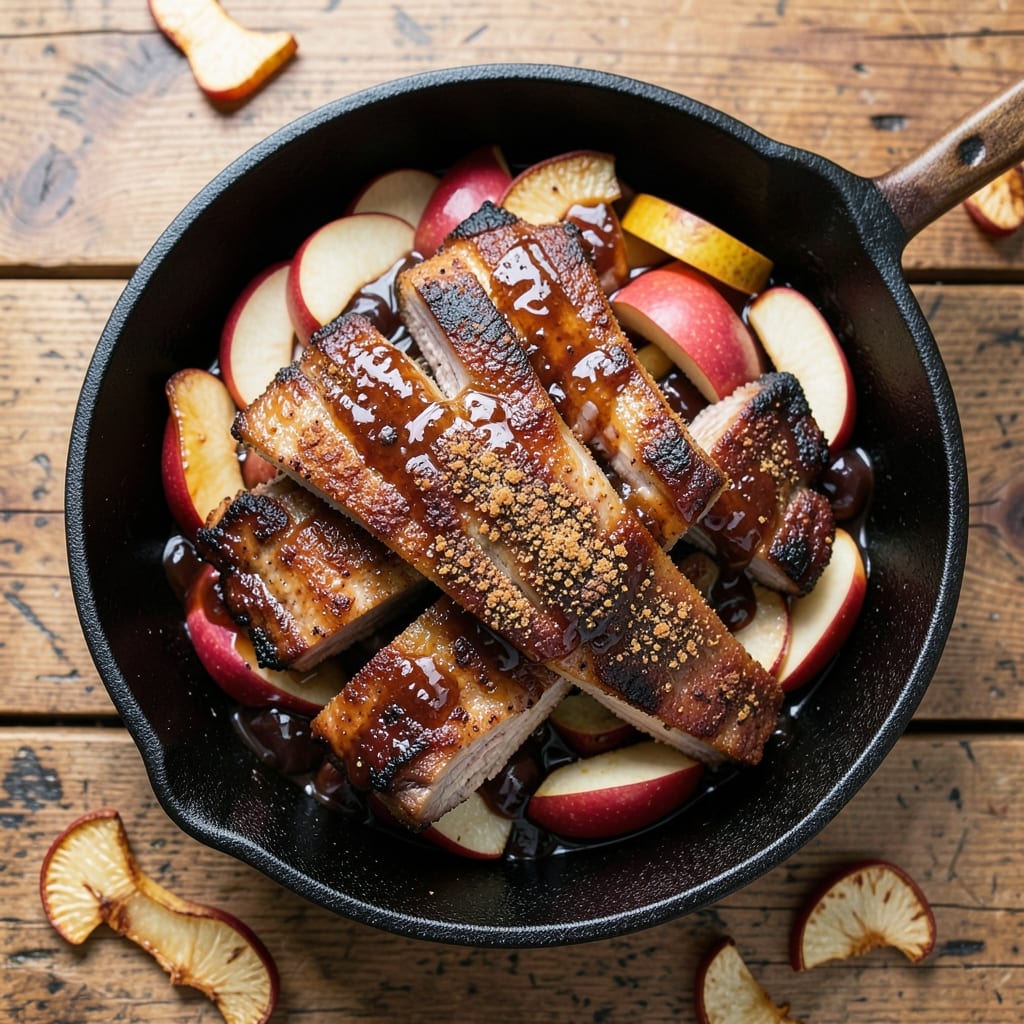
This apple cider ribs recipe transforms tough cuts into fall-off-the-bone tenderness with a smoky-sweet glaze that caramelizes to perfection. The secret lies in slow cooking the ribs until they're tender, then finishing them with a homemade apple cider reduction that balances rich, smoky flavors with bright acidity. I've perfected this method over years of testing, ensuring every bite delivers that ideal contrast of sticky, caramelized edges and juicy meat underneath.
The process begins with a simple dry rub that enhances the natural sweetness of the meat, followed by a low-and-slow cook that develops deep, smoky flavors. What sets this recipe apart is the apple cider glaze—simmered until thick and glossy, it clings beautifully to the ribs without overwhelming their natural taste. The combination of apple cider, brown sugar, and spices creates a sauce that's both complex and approachable, perfect for both weekend cookouts and weeknight dinners.
By the time you're done, you'll have ribs that are fall-apart tender with a glossy, caramelized glaze that's sweet yet balanced by the cider's tang. The aroma alone will have everyone gathering at the table, and the first bite delivers that perfect harmony of smoky, sweet, and savory flavors. This is comfort food at its finest—rich enough to satisfy a crowd but simple enough to make at home.
Serve these ribs with classic sides like cornbread, coleslaw, or roasted potatoes to complete the meal. The glaze works beautifully as a dipping sauce too, so don't be surprised if it disappears before the ribs do. Here's how to make them perfectly every time.
Ingredients for apple cider ribs
Four pounds of ribs, a smoky-sweet glaze, and patience for perfect fall-apart tenderness.
| Ingredient | Amount | Notes |
|---|---|---|
| Pork Baby Back Ribs 🍖 | 4 lb | Bone-in, meaty cuts preferred |
| Unsalted Butter 🧈 | ½ cup | Cold, cubed for dry rub |
| Brown Sugar 🍚 | ½ cup | Light or dark, packed |
| Apple Cider 🍎 | 1 ½ cups | Unsweetened, 100% pure |
| Apple Cider Vinegar 🍶 | ¼ cup | For tangy balance |
| Smoked Paprika 🌶️ | 2 tbsp | For deep smoky flavor |
| Ground Black Pepper 🌶️ | 1 tbsp | Freshly cracked preferred |
| Kosher Salt 🧂 | 2 tbsp | Diamond Crystal preferred |
| Garlic Powder 🧄 | 1 tbsp | Freshly toasted for depth |
| Onion Powder 🧅 | 1 tbsp | For subtle sweetness |
| Honey 🍯 | ¼ cup | For glaze richness |
| Wooden BBQ Skewers 🔥 | 4 whole | Soaked for 30 minutes |
The ribs are the foundation—look for baby back cuts with good meat-to-bone ratio. Costco or local butchers often have the best quality, but any grocery store ribs will work. Trim excess fat if needed, but leave the membrane intact for better flavor retention during cooking. The apple cider should be 100% pure—no artificial flavors or added sugar. For the dry rub, smoked paprika is key to that authentic BBQ flavor, while the brown sugar helps caramelize beautifully during cooking. I always use Diamond Crystal kosher salt because it dissolves more easily into the meat.
No apple cider vinegar? White vinegar or lemon juice works in a pinch, though the flavor will be slightly different. Running short on honey? Maple syrup at the same amount gives similar sweetness. The wooden skewers can be replaced with metal or stainless steel skewers if you prefer, but soaking them is essential to prevent burning. For extra smokiness, add a pinch of liquid smoke to the glaze—just a teaspoon or two goes a long way. If you're using a smoker, maintain a consistent 225°F temperature for the best results.
Store prepped ribs in the fridge for up to 2 days before cooking. The glaze ingredients keep well in the pantry for months, but apple cider should be refrigerated after opening. Once cooked, ribs reheat beautifully—wrap them in foil with a splash of apple cider and reheat at 300°F for 15 minutes. For leftovers, portion into containers with extra glaze for easy dipping. These ribs freeze well for up to 3 months, making them perfect for meal prep.
Why You'll Love This Recipe
- Foolproof Timing: I swear by this recipe because it’s actually doable on a weeknight. You’re talking 3 hours total—2 hours of hands-off smoking or baking, then 30 minutes of basting with that sticky cider glaze. No babysitting required, just set it and let the butter and brown sugar work their magic.
- Fall in Your Mouth: That first bite? It’s like autumn in a bite—tender ribs with a caramelized crust from the brown sugar and apple cider vinegar cutting through the richness. The butter melts into the meat while the cider keeps it bright, not heavy. Honestly, my picky teenage son licks his plate clean.
- Tailgate or Tuesday: Serve these with a side of coleslaw and you’ve got a crowd-pleaser for game day or a lazy Sunday. The leftovers? Just as good cold the next day—perfect for packed lunches or a quick reheat for a busy morning. I’ll be real: I’ve eaten these straight from the fridge, and they’re still amazing.
- Budget-Friendly Feast: Baby back ribs aren’t cheap, but this recipe stretches them further than you’d think. The apple cider and vinegar add depth without costing extra, and the butter and sugar are pantry staples. Plus, you’re not wasting meat—every bite is worth it, so no sad scraps here. My secret weapon for feeding guests without breaking the bank.
Step-by-step instructions for smoky-sweet apple cider ribs
Transform tough pork ribs into tender, caramelized perfection with this foolproof method.
Prepare the Dry Rub and Season the Ribs
In a medium bowl, combine the 0.5 cup unsalted butter (cubed), 0.5 cup brown sugar, 2 tbsp smoked paprika, 1 tbsp ground black pepper, 2 tbsp kosher salt, 1 tbsp garlic powder, and 1 tbsp onion powder. Use your fingers to work the mixture into a coarse paste—this helps it stick better to the ribs.
Pat the 4 lb pork baby back ribs completely dry with paper towels, then generously coat all surfaces with the dry rub mixture. Press the rub firmly into the meat, especially in the crevices between the bones. This ensures maximum flavor penetration. Let the seasoned ribs sit at room temperature for 30 minutes while you prepare the cooking setup.
Soak the Skewers and Preheat the Oven
Place the 4 whole wooden BBQ skewers in a shallow dish and cover completely with hot water. Let them soak for 30 minutes to prevent burning during cooking. While they soak, preheat your oven to 275°F—this low-and-slow temperature is crucial for tenderizing the meat without drying it out.
Line a rimmed baking sheet with heavy-duty aluminum foil, then place a wire rack on top. This setup allows air to circulate underneath the ribs, promoting even cooking. The foil makes cleanup easier and helps contain any potential drips from the glaze.
Assemble and Bake the Ribs
Thread the seasoned ribs onto the soaked skewers, arranging them in a single layer on the prepared baking sheet. The skewers help maintain shape and make flipping easier later. Pour 1.5 cups apple cider and 0.25 cup apple cider vinegar into a small saucepan and bring to a simmer over medium heat for 5 minutes—this reduces the liquid slightly and intensifies the flavor.
Carefully pour the reduced cider mixture over the ribs, coating them evenly. The acidity in the vinegar helps tenderize the meat while the apple cider adds natural sweetness. Bake uncovered for 2 hours at 275°F, basting the ribs with any accumulated juices every 30 minutes. The ribs are done when they reach an internal temperature of 195°F and the meat pulls away from the bones easily.
Apply the Glaze and Finish Cooking
In a small saucepan, combine the 0.5 cup brown sugar and 0.25 cup honey over low heat. Stir constantly for 3-4 minutes until the mixture becomes a thick, glossy syrup. Remove from heat and let cool slightly—this prevents the glaze from burning when applied to the hot ribs.
Brush the caramelized glaze evenly over all surfaces of the ribs. Return them to the oven and bake for an additional 15-20 minutes at 350°F until the glaze is bubbly and deep amber in color. The high heat at the end creates that signature caramelized crust while keeping the meat tender. Watch closely—the glaze can burn quickly once it starts bubbling.
Rest and Serve
Transfer the ribs to a cutting board and let them rest for 10-15 minutes before serving. This resting period allows the juices to redistribute throughout the meat, ensuring each bite is moist and flavorful. The ribs should have a beautiful mahogany bark on the outside with tender, pull-apart meat inside.
Slice between the bones and serve immediately with extra glaze drizzled on top. The combination of smoky, sweet, and tangy flavors makes these ribs perfect for fall gatherings or any occasion where you want to impress. The apple cider glaze adds a bright acidity that cuts through the richness of the pork beautifully.
Pro Tips For Making Apple Cider Ribs
- Trim the Fat First: Baby back ribs have a thin fat cap—leave it on for flavor, but slice it off before cooking. I learned this the hard way when my first batch rendered grease like a volcano, making the ribs greasy instead of sticky. A sharp knife and 10 minutes upfront save you from cleanup nightmares later.
- Brown Sugar Early: Mix the brown sugar into the apple cider before it hits the ribs. I used to sprinkle it on at the end, and it just sat there like confetti. Dissolving it first guarantees it caramelizes into the glaze, not just clumps on top. Stir it in while the cider’s still cold—no waiting.
- Watch the Vinegar: Add apple cider vinegar after the ribs are mostly cooked, not at the start. Too early, and it’ll turn your sauce sour before the ribs have time to tenderize. Save it for the last 30 minutes—just enough acid to brighten the cider without overpowering the butter’s richness.
- Rest Before Slicing: Let the ribs sit under foil for 10 minutes after coming off the heat. I know, you’re starving, but cutting into them too soon turns the meat to mush. That rest lets the juices redistribute, so every bite stays tender—not a dry, sad slab of pork. (Yes, even if you’re impatient like me.)
Serving suggestions for this recipe
Classic BBQ Sides
Serve these ribs with creamy coleslaw made from shredded cabbage, carrots, and a tangy mayo-vinegar dressing. The crunch contrasts beautifully with the tender ribs. I love adding a pinch of celery seed to the dressing for extra depth. For a heartier option, cornbread with honey butter is a must—its slight sweetness complements the apple cider glaze perfectly. 🥗
Fresh Contrasts
Bright apple slices tossed with lemon juice and a sprinkle of cinnamon make a refreshing side that echoes the ribs' flavors. For a crunchier option, try shaved fennel salad with orange segments and a light olive oil dressing. The anise notes in fennel pair surprisingly well with the smoky ribs. 🍎
Potato Perfection
Garlic mashed potatoes with roasted garlic and a touch of cream add richness to balance the ribs' sweetness. For a crispy alternative, applewood-smoked potatoes roasted with rosemary and sea salt create a smoky harmony. Both options soak up extra glaze beautifully for dipping. 🥔
Bread Basket Essentials
Warm honey wheat bread or brioche rolls are perfect for mopping up glaze drippings. I like to brush the bread with extra glaze before serving—it becomes a delicious dessert-like side. For a gluten-free option, corn tortillas work surprisingly well with the ribs' juices. 🍞
Dipping Sauces
Offer extra glaze in a small bowl for dipping—it's always the first to disappear! For variety, serve a spicy horseradish sauce (mix ¼ cup sour cream with 1 tbsp prepared horseradish) to cut through the sweetness. A simple blue cheese dressing also adds a tangy contrast. 🍽️
Drink Pairings
Serve with hard cider (like Angry Orchard) to complement the apple flavors. For a non-alcoholic option, sparkling apple cider with a cinnamon stick keeps the theme going. A crisp lager beer or dry Riesling also pairs wonderfully with the ribs' complexity. 🍺
Nutrition facts
Frequently asked questions
Can I use store-bought apple cider instead of fresh?
Store-bought apple cider works perfectly for this recipe, as long as it's 100% pure with no added sugars or artificial flavors. The key is choosing a brand that has a good balance of sweetness and acidity—look for labels that say "unsweetened" or "raw." The recipe's vinegar and honey will help balance the flavor regardless of the cider's natural sweetness level.
What if my ribs aren't tender enough after 2 hours?
If your ribs feel tough, they likely need more time. Continue cooking at 275°F for another 30-60 minutes, checking every 20 minutes until the meat pulls away from the bones easily. The internal temperature should reach 195°F—use a meat thermometer to avoid overcooking. For extra tenderness, wrap the ribs in foil with ½ cup apple cider and bake for 30 minutes before glazing.
Can I make this recipe on a grill instead of in the oven?
Yes! For grill cooking, start by smoking the ribs at 225°F for 2-3 hours (indirect heat) until tender, then move to direct heat for 10 minutes to caramelize. Apply the glaze during the last 15 minutes of cooking. Use a spray bottle with apple cider to keep the ribs moist. The smoky flavor will be even more pronounced on the grill!
How can I prevent the glaze from burning?
Always cool the glaze slightly before applying it to hot ribs. Brush it on in thin layers and return to the oven at 350°F for 5-10 minutes at a time, checking frequently. If the glaze starts to bubble too aggressively, move the ribs to a cooler part of the oven or reduce the temperature to 325°F. The goal is a glossy, caramelized finish—not blackened sugar.
Can I prepare the ribs ahead of time?
Prep the ribs up to 2 days ahead by seasoning and refrigerating them uncovered (this helps the rub dry slightly). Cook them as directed, then store in the fridge for up to 3 days. Reheat wrapped in foil with a splash of apple cider at 300°F for 15 minutes. For make-ahead glazing, prepare the glaze ingredients in advance and store them separately in the fridge.