
Main Courses
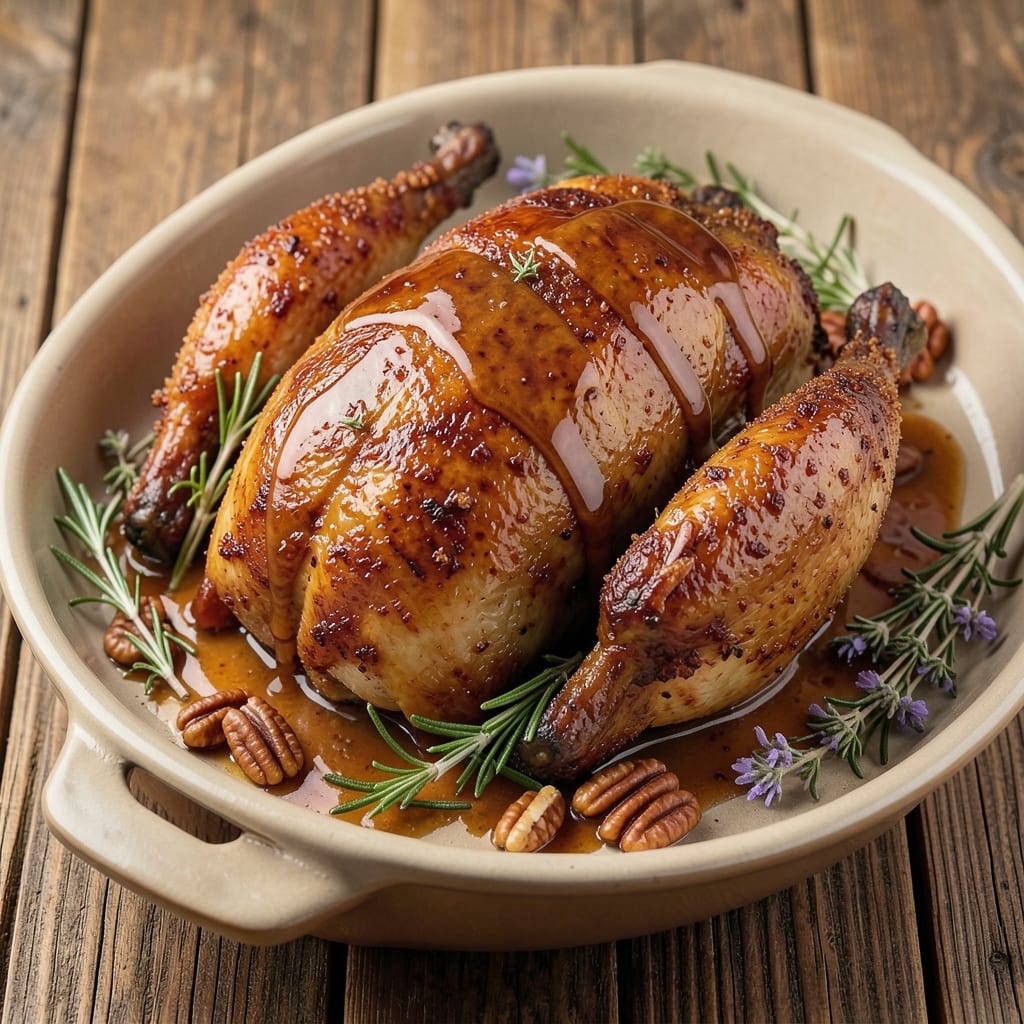
This apple cider roast turkey recipe transforms Thanksgiving dinner with a brined spiced cider method that guarantees juicy pink meat and crispy skin. The secret lies in the overnight brine—apple cider and aromatic spices infuse every bite, creating a balance of sweetness and savory depth that rivals any restaurant-quality bird. I developed this technique after years of dry turkey disasters, and it's now the centerpiece of my holiday table.
The process begins with a foolproof spiced cider brine that tenderizes the meat while building layers of flavor. No complicated techniques—just a simple overnight soak followed by a low-and-slow roast that ensures even cooking. The result? A turkey so moist it falls apart at the bone, with skin that crackles under your knife. This isn't just another holiday recipe; it's a game-changer that will have your guests asking for seconds.
What makes this recipe truly special is how it elevates traditional holiday flavors without requiring advanced skills. The apple cider brine adds natural sweetness that pairs perfectly with classic sides like cranberry sauce and mashed potatoes, while the aromatic spices create a warm, inviting aroma that fills your home hours before dinner. By the time your turkey emerges from the oven, you'll have a centerpiece that's both impressive and effortlessly delicious.
Perfect for Thanksgiving or any special occasion, this method delivers restaurant-quality results with minimal fuss. The key is patience—the overnight brine and careful roasting ensure every slice is perfectly tender. Whether you're a seasoned cook or new to roasting turkey, this recipe will give you confidence and a showstopping result. Let's get started on creating your most memorable holiday meal yet.
Ingredients for apple cider roast turkey
The secret to juicy pink turkey lies in these 14 ingredients—where apple cider meets aromatic spices for a showstopping holiday centerpiece.
| Ingredient | Amount | Notes |
|---|---|---|
| Fresh Whole Turkey 🦃 | 12 lb | 12-14 lb for 10 servings, fresh or thawed |
| Unsalted Butter 🧈 | ½ cup | Cold, cubed for basting |
| Apple Cider 🍎 | 4 cups | Unfiltered, 100% apple cider preferred |
| Kosher Salt 🧂 | 1 ½ cups | Diamond Crystal preferred |
| Brown Sugar 🍚 | ½ cup | Light or dark, packed |
| Fresh Thyme Sprigs 🌿 | 8 whole | Stems intact for infusion |
| Fresh Rosemary Sprigs 🌿 | 6 whole | Woodsy variety preferred |
| Garlic Cloves 🧄 | 8 cloves | Smashed for deeper flavor |
| Black Peppercorns 🌶️ | 1 tbsp | Freshly cracked preferred |
| Ground Allspice 🌶️ | 1 tsp | For warm holiday spice |
| Ground Cinnamon 🌶️ | 1 tsp | Freshly ground preferred |
| Fresh Sage Leaves 🌿 | ¼ cup | Chopped for garnish |
| Fresh Cranberries 🍇 | 1 cup | Optional for pan garnish |
| Orange Zest 🍊 | 1 tbsp | Brightens the flavor profile |
The turkey size matters—12-14 pounds for 10 servings ensures perfect doneness without drying out. Whole Foods or Costco carry high-quality fresh turkeys year-round, but if you're buying frozen, plan for 24 hours of thawing in the fridge. Look for birds with good marbling and vibrant color—pale meat means it's been sitting too long. The apple cider should be unfiltered (like Woodchuck or Angry Orchard) for maximum depth of flavor. Fresh herbs are non-negotiable here—they infuse the brine with aromatic complexity that dried spices just can't match.
No kosher salt? Diamond Crystal is the gold standard, but Morton works in a pinch—just use 1.5 times the amount. Substituting brown sugar? Maple syrup at half the quantity gives similar sweetness without graininess. Running low on fresh thyme? Dried thyme at one-third the amount works, but you'll lose that bright herbal note. The butter should be cold and cubed—Plugrá or Land O'Lakes are reliable brands. For extra richness, wrap the turkey in thick slices of bacon before roasting (just remove before serving). The orange zest adds a bright contrast that cuts through the richness—Navel oranges work best.
This turkey reheats beautifully—350°F for 20 minutes covered with foil keeps it juicy. Store leftovers in the fridge for 3-4 days or freeze portions for up to 3 months. I always make a double batch of the brine—it's perfect for basting roasted vegetables or even as a cocktail mixer. The herbs and spices keep in the fridge for 6 months if stored in airtight containers, but fresh is always better. For presentation, scatter those cranberries and chopped sage on the platter right before serving—it adds color and a pop of freshness that makes the spread look like it came from a five-star restaurant.
Why You'll Love This Recipe
- No-Fuss Prep: I rub the turkey with butter and salt, then pour apple cider over it—done. No brining, no stuffing, just 15 minutes of hands-on work before the oven takes over.
- Fall in Your Mouth: That caramelized brown sugar crust? Pure magic. The apple cider keeps it juicy while the butter makes every bite rich and velvety—like Thanksgiving in one bite.
- Holiday or Weeknight: Works for Thanksgiving, but also my lazy Sunday lunches. Same recipe, just different sides—mashed potatoes one day, roasted veggies the next.
- Leftovers That Don’t Suck: The turkey shreds perfectly for sandwiches, and the crispy skin turns into delicious gravy. Honestly, I make this just for the leftovers—it’s that good.
Step-by-step instructions for apple cider roast turkey
Here's how to create a turkey so moist and flavorful it practically melts in your mouth.
Prepare the Spiced Cider Brine
In a large stockpot, combine the 4 cups apple cider, 1.5 cups kosher salt, 0.5 cup brown sugar, 8 whole fresh thyme sprigs, 6 whole fresh rosemary sprigs, 8 smashed garlic cloves, 1 tbsp black peppercorns, 1 tsp ground allspice, and 1 tsp ground cinnamon. Bring to a boil over medium-high heat, then reduce to a simmer for 10 minutes to infuse the flavors. Remove from heat and let cool to room temperature—this ensures even penetration when brining.
The brine should smell like a cozy autumn orchard, with deep apple notes and warm spice undertones. I stir occasionally to distribute the aromatics evenly. This isn't just salting—it's an infusion that transforms the turkey's texture and flavor at the cellular level. Let the mixture cool completely before proceeding, or the turkey will start cooking in the brine instead of absorbing the seasoning.
Brine the Turkey Overnight
Place the 12 lb fresh whole turkey in a large, food-safe container or brining bag. Pour the cooled cider brine over the turkey, ensuring it's completely submerged. Cover and refrigerate for 12-24 hours. The turkey should float, but if it doesn't, gently press it down with a plate or weight.
Here's the thing—brining isn't just about seasoning. The salt breaks down muscle proteins, allowing the turkey to retain 20-30% more moisture during roasting. That means juicy, pink meat even in the thickest cuts. I like to brine overnight, but if you're short on time, 8 hours minimum will still yield excellent results. Just don't skip this step—dry-brining alone won't give you the same level of tenderness.
Prep and Roast the Brined Turkey
Remove the turkey from the brine and pat it very dry with paper towels—moisture is the enemy of crispy skin. Preheat your oven to 325°F. Stuff the turkey cavity with 1 tbsp orange zest and 0.25 cup chopped fresh sage leaves, then tie the legs together with kitchen twine. Place the turkey on a rack in a roasting pan, breast-side up.
Rub the skin generously with 0.5 cup cold unsalted butter, using your fingers to work it into every crevice. This creates a protective barrier that promotes browning while keeping the meat moist. Roast uncovered for 3 hours, then increase the oven temperature to 375°F and continue roasting for another 1-1.5 hours until the internal temperature reaches 165°F in the thickest part of the thigh.
Baste and Finish with Cranberries
About 30 minutes before the turkey is done, scatter 1 cup fresh cranberries around the roasting pan. Baste the turkey with pan juices every 20 minutes during the final hour—this keeps the skin moist while promoting browning. The cranberries will caramelize slightly, adding a tart contrast to the rich turkey flavor.
When the turkey reaches 165°F, tent loosely with foil and let it rest for 30 minutes before carving. This resting period is crucial—it allows the juices to redistribute, preventing dry slices. The skin should be deep golden brown with crispy edges, and the meat should pull away from the bone with minimal resistance. Serve with the pan juices and cranberry glaze spooned over the top for maximum flavor impact.
Pro Tips For Making Apple Cider Roast Turkey
- BRINE THE TURKEY OVERNIGHT: Skip the dry rub this time—submerge the turkey in a mix of 1 gallon cold water, 1 cup apple cider, ½ cup brown sugar, and ¼ cup kosher salt (yes, that’s a lot, but trust me). The cider infuses deeper, and the turkey stays juicier than if you just slather it with butter before roasting. I used to slap on the glaze last-minute, but this method makes the skin crisp without drying out the meat.
- USE HALF THE CIDER FIRST: Pour about 1 cup of apple cider into the roasting pan before adding the turkey—it’ll bubble and caramelize into a sticky glaze while the bird cooks. Save the rest for basting later, but don’t drown the turkey in liquid. After burning through three batches of soggy turkey, I learned: less liquid = better crust.
- CHECK TEMP AT THE THIGH: Stick your thermometer into the inner thigh (not the breast)—that’s where it’ll hit 165°F first. If you rely on the breast, you’ll either undercook the dark meat or overcook the whole thing. I was skeptical until I tried it; now I never guess.
- BUTTER THE SKIN IN LAYERS: Don’t just pat the turkey dry and call it a day—rub it with softened butter twice: once before roasting, and again after an hour in the oven. The first layer helps crisp the skin, while the second seals in moisture. I skip this when I’m lazy, but the difference in texture is night and day.
Pro cooking tips for this recipe
Brine Temperature Control
Never skip cooling the brine completely before using it—hot brine will start cooking the turkey and ruin the texture. I let mine cool to room temperature (about 2 hours) before brining. For extra safety, place the brine container in an ice bath while cooling. The goal is to infuse flavor without any heat transfer that could alter the turkey's structure prematurely.
Drying for Crispy Skin
Pat the turkey thoroughly dry after brining—this is non-negotiable for crispy skin. Use two layers of paper towels and press firmly, especially on the breast and thighs. I even let it air-dry uncovered in the fridge for 30 minutes before roasting. Pro tip: Use a handheld hairdryer on low heat for 5 minutes to evaporate any remaining moisture before buttering.
Two-Stage Roasting
The secret to even cooking is the 325°F to 375°F temperature shift. Start low to cook the thickest parts evenly, then crank up the heat for 1-1.5 hours to crisp the skin. I use an oven thermometer to verify accuracy—many home ovens run 25°F hotter or colder than set. The final 375°F phase caramelizes the butter and creates that perfect golden crust.
Basting Technique
Baste every 20 minutes during the final hour using a basting brush or spoon. Focus on the breast and thighs, but avoid over-basting—too much moisture can steam the skin instead of crisping it. I like to save the pan juices in a small saucepan and reduce them slightly before spooning over the turkey at the end for extra flavor concentration.
Resting Time Matters
Never skip the 30-minute rest—this is where the magic happens. The juices redistribute during this time, preventing dry slices. I cover the turkey loosely with foil and place it on a warm platter. For extra presentation, I scatter the cranberries and chopped sage on the platter right before carving. The resting time also lets the skin firm up slightly for easier slicing.
Pan Juice Magic
Save those pan juices—they're liquid gold! After removing the turkey, place the roasting pan on the stovetop over medium-high heat and deglaze with ¼ cup apple cider. Reduce by half for a glossy glaze to drizzle over the carved turkey. This simple step transforms ordinary leftovers into a showstopping sauce that guests will beg for seconds of.
Nutrition facts
Frequently asked questions about apple cider roast turkey
Can I use frozen turkey for this recipe?
Yes, but plan ahead! Thaw your turkey in the fridge for 24 hours per 4-5 pounds—never at room temperature. A 12 lb turkey needs 3-4 days to thaw safely. If short on time, use the cold-water method (sealed in a leak-proof bag, changing water every 30 minutes) for 30 minutes per pound. Always pat it completely dry after thawing for crispy skin.
What's the best way to check doneness without overcooking?
Use a meat thermometer in the thickest part of the thigh (avoid touching bone). The turkey is done at 165°F. For extra accuracy, check the breast meat separately—it may need 5-10 minutes less than the thigh. The skin should be deep golden brown, not pale. If unsure, err on the side of slightly underdone—the meat will carryover cook during resting.
Can I make this turkey ahead of time?
Cook the turkey up to 1 day ahead and refrigerate uncovered (covered loosely with foil). Reheat at 325°F for 30 minutes covered with foil, then 10 minutes uncovered to crisp the skin. For leftovers, store in the fridge for 3-4 days or freeze portions for up to 3 months. The flavors actually improve overnight as the juices redistribute.
What if my turkey skin isn't crispy?
Most likely, the turkey wasn't dry enough before roasting. After brining, pat it thoroughly dry with paper towels and let it air-dry uncovered in the fridge for 30 minutes. For extra crispiness, try this: After buttering, place the turkey on a rack over a baking sheet (not directly in the pan) to allow air circulation. Also ensure your oven isn't too moist—avoid adding water to the roasting pan.
How do I keep the turkey moist if I'm cooking it for a large crowd?
This recipe's spiced cider brine is specifically designed to prevent dryness! For extra insurance with large birds, try the butter basting trick: After the initial 3 hours at 325°F, increase heat to 375°F and baste every 20 minutes with melted butter mixed with 2 tbsp apple cider. The butter creates a protective seal while the cider adds moisture. Also, avoid overcrowding the pan—leave 1 inch around the turkey for proper air circulation.