
Beverages
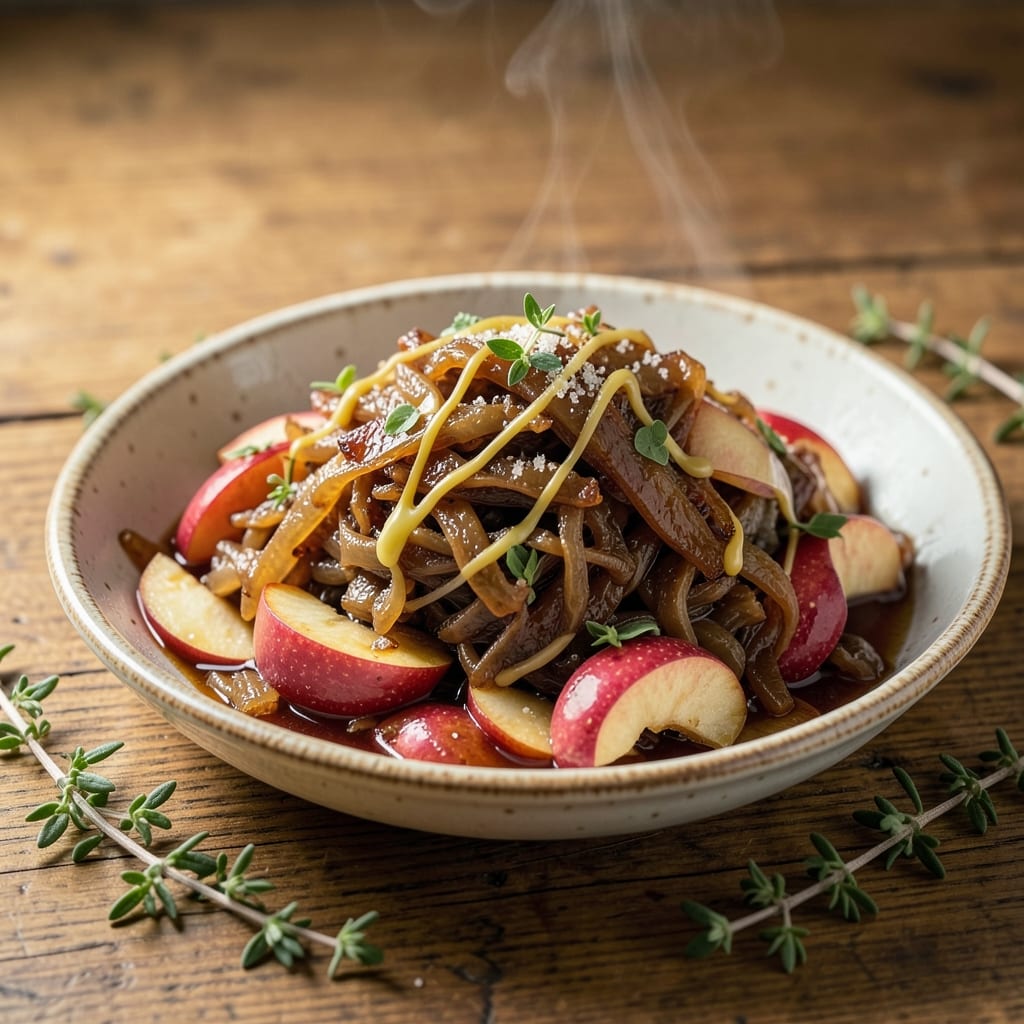
This apple cider sauerkraut recipe transforms a classic fermented side into a game-day star with warm, sweet-tangy depth that pairs perfectly with pork, roasted meats, or even sandwiches. The secret lies in balancing the sharpness of sauerkraut with the mellow sweetness of apple cider, creating a side that’s both complex and crowd-pleasing. It’s a dish that feels special without requiring hours of prep—just 15 minutes of sautéing and a few pantry staples.
The beauty of this recipe is its versatility. Whether you’re serving it alongside crispy pork chops, using it as a tangy topping for roasted vegetables, or packing it into sandwiches for a picnic, the flavors shine. The apple cider infuses the sauerkraut with a subtle sweetness that softens its natural tang, while a touch of mustard and thyme adds warmth and depth. It’s the kind of side that turns a simple meal into something memorable.
What makes this recipe stand out is how it elevates humble ingredients into something extraordinary. The sauerkraut retains its signature crunch, while the apple cider and spices create a sauce-like coating that clings to every bite. It’s a dish that’s as easy to make as it is impressive, proving that fermented foods don’t have to be intimidating. Plus, it’s a great way to use up homemade or store-bought sauerkraut—no waste, just flavor.
Perfect for game day, holiday feasts, or even a cozy weeknight dinner, this apple cider sauerkraut brings a touch of sophistication to any table. The best part? It’s ready in under 20 minutes, so you can spend more time enjoying the meal and less time in the kitchen. Let’s get started!
Ingredients for apple cider sauerkraut
Six ingredients transform tangy sauerkraut into a sweet-tart game-day sensation perfect alongside pork or roasted meats.
| Ingredient | Amount | Notes |
|---|---|---|
| Unpasteurized Sauerkraut 🥬 | 4 cups | Drained, store-bought or homemade |
| Apple Cider 🍎 | 1 cup | Unfiltered, preferably organic |
| Dijon Mustard 🍯 | 1 tbsp | High-quality, sharp variety |
| Fresh Thyme Leaves 🌿 | 1 tbsp | Finely chopped, stems removed |
| Granulated Sugar 🍚 | 1 tbsp | Light brown preferred for depth |
| Olive Oil 🫒 | 2 tbsp | Extra-virgin, fruity variety |
| Apple Cider Vinegar 🍶 | 1 tsp | For acidity balance |
| Salt 🧂 | ½ tsp | Diamond Crystal preferred |
| Black Peppercorns 🌶️ | ¼ tsp | Freshly cracked for texture |
| Fresh Parsley 🌿 | 2 tbsp | Chopped, for garnish |
| Butter 🧈 | 1 tbsp | Unsalted, for richness |
The sauerkraut is the foundation—look for unpasteurized for maximum flavor, though pasteurized works in a pinch. Trader Joe's and Whole Foods carry excellent brands, or make your own for superior quality. The apple cider should be unfiltered to preserve its natural depth; Mott's or local orchard varieties work best. Fresh thyme and parsley elevate the dish, so avoid dried unless absolutely necessary—farmers markets often have better quality than grocery stores. For the mustard, Grey Poupon delivers that signature sharpness, but any high-quality Dijon will do.
No unpasteurized sauerkraut? Store-bought pasteurized works, though it lacks the same fermented complexity. Substitute apple cider with white grape juice if needed, though the flavor will be slightly less nuanced. Dried thyme can replace fresh at one-third the amount, but fresh is ideal. Running low on butter? Olive oil maintains richness without altering the flavor profile significantly. For a sweeter profile, maple syrup replaces sugar one-to-one, though it adds a distinct caramel note. The vinegar can be omitted if you prefer less acidity, but it helps balance the sweetness beautifully.
This dish reheats exceptionally well—simply warm through in a skillet with a splash of apple cider. Store leftovers in an airtight container for up to 5 days, though the flavors deepen overnight. For meal prep, portion into small jars with a drizzle of olive oil on top to preserve freshness. The sauerkraut can be prepped ahead and stored in the fridge for up to 2 weeks before cooking, making this a perfect make-ahead side. Garnish with parsley just before serving to maintain vibrant color.
Why You'll Love This Recipe
- Five-Ingredient Magic: I swear, this recipe lives up to its name—just sauerkraut, apple cider, mustard, thyme, and sugar. No chopping, no fuss, and the tangy-sweet balance happens automatically when you simmer it down.
- Tangy-Sweet Obsession: That first bite? Pure contrast—sharp from the unpasteurized kraut, bright from the apple cider, and a whisper of warmth from the sugar. Honestly, it’s the kind of flavor that makes you reach for the jar again before the meal’s even over.
- Weeknight & Holiday Star: Slather it on grilled cheese when you’re too tired to plan dinner. Or serve it as a side at your Thanksgiving table—it’ll disappear faster than the mashed potatoes. (Yes, even on a Tuesday night.)
- Leftovers That Beg for More: This stuff keeps for days in the fridge, and the flavor only deepens. I’ve used it to top hot dogs, mix into scrambled eggs, and even drizzle over roasted Brussels sprouts. Budget-friendly? Absolutely. Versatile? Ridiculously so.
Step-by-step instructions for apple cider sauerkraut
Transform simple fermented cabbage into a vibrant, flavorful side that pairs perfectly with game day favorites.
Drain and Prepare the Sauerkraut
Transfer the 4 cups unpasteurized sauerkraut to a colander and drain thoroughly for 5-10 minutes. I press down gently with a clean kitchen towel to remove excess liquid—this prevents a watery final dish. The sauerkraut should retain its tangy flavor but lose most of its brine. If using homemade sauerkraut, taste it first; store-bought varieties may need more seasoning adjustments.
Once drained, transfer the sauerkraut to a medium mixing bowl. I like to break up any large chunks with my hands to ensure even distribution of the dressing. The texture should be slightly coarse but uniform—this creates better surface area for flavor absorption. Set aside while you prepare the dressing ingredients.
Create the Apple Cider Dressing
In a small saucepan, combine the 1 cup apple cider, 1 tbsp Dijon mustard, 1 tbsp granulated sugar, 1 tsp apple cider vinegar, 0.5 tsp salt, and 0.25 tsp freshly cracked black peppercorns. Bring to a gentle simmer over medium-low heat, stirring constantly for 3-4 minutes until the sugar dissolves completely and the mixture thickens slightly. You'll notice the aroma intensify—this is where the sauce develops its signature depth.
Remove the pan from heat and whisk in the 2 tbsp olive oil and 1 tbsp butter. The butter should melt completely, creating a silky emulsion. If the mixture separates, simply whisk vigorously for another 30 seconds—this ensures a smooth, cohesive dressing. Let it cool for 2 minutes while you prepare the thyme infusion.
Infuse with Thyme and Combine
In a small skillet, heat 1 tbsp olive oil over low heat and add the 1 tbsp finely chopped fresh thyme leaves. Sauté for 30 seconds until fragrant—this releases the essential oils that will elevate the dish. Immediately remove from heat and let steep for 1 minute while covered.
Pour the thyme-infused oil into the cooled apple cider mixture and whisk until fully combined. Then, transfer this dressing to the bowl with the prepared sauerkraut. Using clean hands or a wooden spoon, gently toss everything together until the sauerkraut is evenly coated. The mixture should glisten slightly from the oil and butter—this indicates proper emulsification. If it looks dry, add 1-2 teaspoons of reserved sauerkraut liquid to restore moisture.
Rest and Garnish for Serving
Cover the bowl and let the sauerkraut marinate at room temperature for 15-20 minutes. This resting period allows all the flavors to meld together—you'll notice the tanginess mellow slightly while the sweet and savory notes develop. I like to give it a final taste test at this stage to adjust seasoning if needed, though the initial measurements should be balanced.
Before serving, transfer the sauerkraut to a platter and garnish with 2 tbsp chopped fresh parsley. The parsley adds a bright contrast to the deep flavors and creates visual appeal. Serve immediately as a side dish for roasted meats, sandwiches, or as a topping for pretzels. The texture should be tender yet slightly crisp, with a perfect balance of sweet, tangy, and herby flavors in every bite.
Pro Tips For Making Apple Cider Sauerkraut
- Drain and Rinse First: Unpasteurized sauerkraut is packed with juice—skip draining it first and you’ll end up with a watery, diluted sauce. Give it a quick rinse under cold water, then drain thoroughly in a colander for 10 minutes. This keeps the tang sharp and the texture right where it should be.
- Simmer Low and Slow: High heat turns apple cider sauerkraut into a sad, mushy mess. Once everything’s combined, reduce to a bare simmer and let it cook uncovered for 15-20 minutes. You’re not making jam here—just enough time for the flavors to meld without breaking down the kraut.
- Use Real Apple Cider: Store-bought "apple cider" syrup is just corn syrup with a splash of flavor. Track down actual unpasteurized cider (the cloudy kind) for depth—its natural acidity cuts through the mustard and balances the sugar. If you can’t find it, reduce apple juice by half first, but it won’t be the same.
- Toast the Thyme: Fresh thyme leaves add aroma, but dry them first in a small pan over medium heat for 30 seconds until fragrant. This concentrates their flavor and prevents them from turning the sauce into a muddy, herb-heavy sludge. Add them last, right before serving.
Flavor customization for these flavors
Sweet-Tart Balance
Adjust the sugar-to-acid ratio to suit your taste. For a more pronounced tang, reduce the 1 tbsp granulated sugar to ½ tbsp and add ½ tsp extra apple cider vinegar. If you prefer deeper sweetness, increase the sugar to 2 tbsp and swap ½ cup apple cider with ½ cup apple cider reduction (simmered until syrupy). I often test the balance by tasting the dressing before combining it with the sauerkraut—this ensures harmony from the start. 🍎
Herb Variations
Swap or add fresh herbs to complement different dishes. For earthy depth, infuse with 1 tbsp chopped rosemary alongside the thyme. For bright citrus notes, stir in 1 tbsp finely chopped lemon zest with the parsley garnish. If you love garlicky flavors, sauté 1 minced garlic clove in the thyme oil—just don’t overcook it to avoid bitterness. These tweaks elevate the dish for specific pairings, like pork with rosemary or seafood with lemon. 🌿
Spicy Kick Options
Add heat to match bold flavors. For mild warmth, stir in ½ tsp smoked paprika with the thyme. For fiery contrast, mix ½ tsp cayenne pepper into the dressing or top with 2 tbsp diced jalapeños before serving. I love pairing this with spicy sausages or BBQ ribs—the heat cuts through the richness beautifully. Always taste first, as sauerkraut’s tang can mask spice intensity. 🌶️
Umami Boosts
Deepen the savory profile with umami-rich ingredients. Stir 1 tsp soy sauce or 1 tsp Worcestershire sauce into the dressing for a meaty, complex note. For nutty depth, toast 1 tsp sesame seeds in the thyme oil or sprinkle 1 tbsp crumbled bacon on top. These additions work especially well with grilled meats or cheesy dishes like mac and cheese. 🧀
Dairy-Free Adaptations
Replace butter with plant-based alternatives for a vegan version. Use 1 tbsp vegan butter or 1 tbsp coconut oil in place of the butter, and ensure your mustard is dairy-free. For extra richness, stir in 1 tbsp tahini or 1 tbsp nutritional yeast—both add creaminess without dairy. The texture remains luscious, and the flavor stays balanced. 🌱
Smoky Char Depth
Infuse smoky notes for a BBQ-inspired twist. Add ½ tsp liquid smoke to the dressing or swap ½ cup apple cider with ½ cup smoked apple cider (simmer cider with 1 smoked chip for 10 minutes). For a grilled touch, char 1 tbsp apple slices in a dry skillet until caramelized, then blend into the dressing. This pairs perfectly with smoked meats or grilled corn. 🔥
Nutrition facts
Frequently asked questions
Can I use pasteurized sauerkraut in this recipe?
Yes, but expect slightly less tangy flavor since pasteurized sauerkraut lacks live cultures. For best results, add ½ tsp extra apple cider vinegar to compensate. The texture will be similar, though homemade or unpasteurized versions develop deeper complexity during fermentation.
How long will this apple cider sauerkraut keep?
Store in an airtight container in the fridge for 5-7 days. The flavors actually improve overnight! For longer storage, freeze portions for up to 3 months. Thaw in the fridge before reheating—never microwave directly from frozen to preserve texture.
What's the best way to reheat leftovers?
Gently warm in a skillet over low heat with 1 tbsp apple cider for 3-4 minutes. Add a splash of water if it looks dry. Avoid high heat to prevent the thyme from burning—just until everything is heated through and slightly glossy again.
Can I make this without butter?
Replace the butter with 1 tbsp olive oil or 1 tbsp vegan butter for a dairy-free version. The dish will still be rich and flavorful—just omit the butter entirely from the dressing and use the extra olive oil in the thyme infusion. For extra creaminess, stir in 1 tbsp tahini at the end.
Why does my sauerkraut look watery after mixing?
This happens when excess brine isn't fully drained. Press the sauerkraut through a clean kitchen towel before mixing to remove moisture. If it's too late, stir in 1-2 tsp apple cider vinegar to help absorb the liquid. For next time, drain for 10-15 minutes before using.