
Breakfast & Brunch
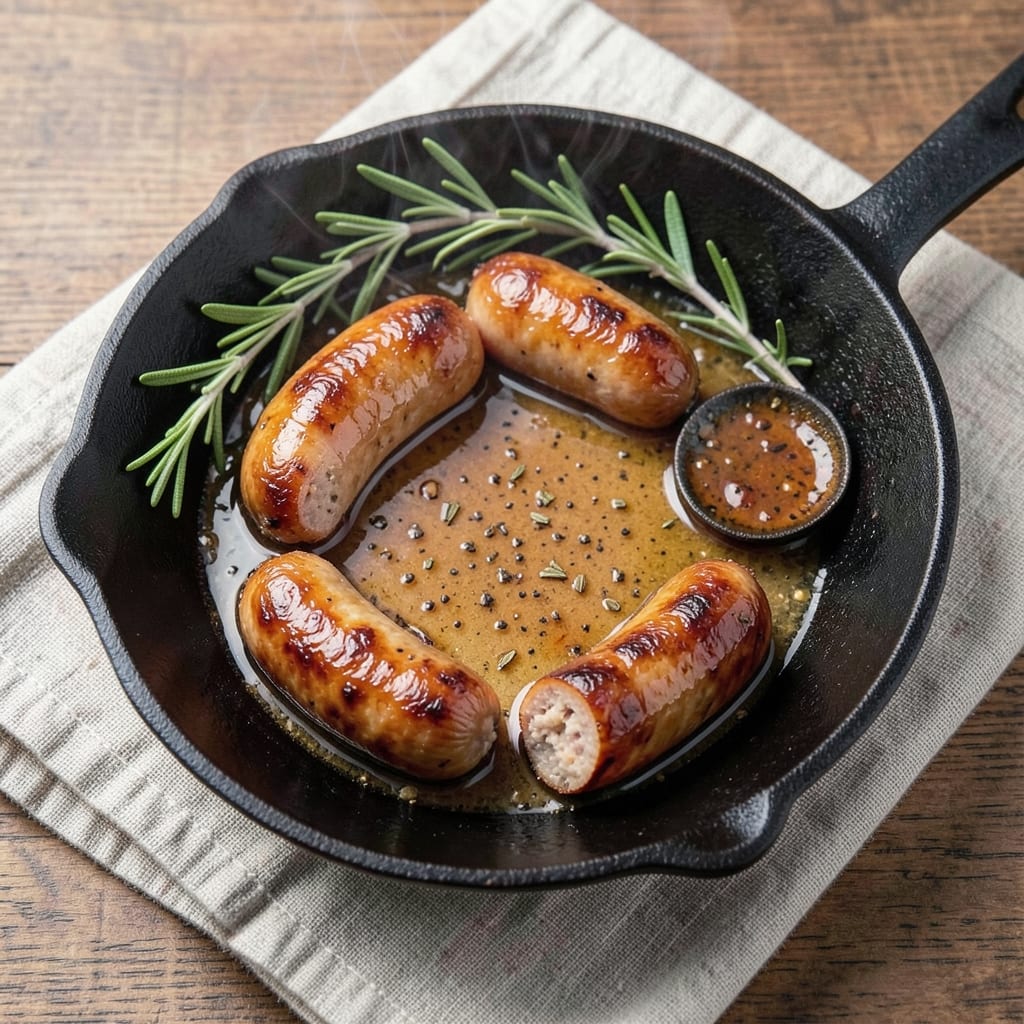
This apple cider sausage recipe transforms a simple breakfast into a cozy, flavor-packed meal with just 15 minutes of hands-on time. The secret lies in blending sweet apple cider with savory pork, creating a sausage that’s tender, aromatic, and perfectly balanced between spice and sweetness. I developed this recipe after craving something heartier than typical breakfast meats—something that tastes like autumn in every bite.
The magic happens in the pan-frying, where the sausage develops a golden crust while the apple cider reduction caramelizes into a glossy glaze. You’ll need just 5 simple ingredients (plus pantry staples) to craft these breakfast bites, and the process is straightforward: mix, shape, and cook. The result? Juicy, spiced sausage with a sticky-sweet finish that pairs beautifully with roasted potatoes or crusty bread.
What makes this recipe stand out is how it elevates a classic breakfast staple with unexpected depth. The apple cider isn’t just an afterthought—it’s the star, infusing the sausage with a warm, spiced sweetness that cuts through the richness of the pork. Serve these sausage bites alongside a simple arugula salad or buttery hash browns for a meal that’s both comforting and impressive.
Perfect for weekend brunches or a quick weeknight dinner, this recipe delivers restaurant-quality flavor without the fuss. The best part? Leftovers reheat beautifully, making it ideal for meal prep. Let’s get cooking!
Ingredients for apple cider sausage
Five core ingredients plus pantry staples craft these autumn-inspired breakfast bites.
| Ingredient | Amount | Notes |
|---|---|---|
| Pork Shoulder 🥓 | 1 lb | Ground or finely chopped for even cooking |
| Apple Cider 🍎 | ½ cup | Unfiltered for deeper flavor |
| Dried Sage 🌿 | 1 tbsp | Crushed leaves for aromatic release |
| Ground Black Pepper 🌶️ | 1 tsp | Freshly cracked for maximum heat |
| Kosher Salt 🧂 | 1 ½ tsp | Diamond Crystal preferred for purity |
| Olive Oil 🫒 | 1 tbsp | Extra-virgin for high smoke point |
| Brown Sugar 🍚 | 1 tbsp | Light or dark variety for caramelization |
| Ground Cinnamon 🌶️ | ½ tsp | Warmth without overpowering |
| All-Purpose Flour 🌾 | 2 tbsp | For binding and texture |
| Fresh Thyme Leaves 🌿 | 1 tsp | Chopped finely for subtle herbal note |
| Onion Powder 🧅 | ½ tsp | Enhances savory depth |
| Garlic Powder 🧄 | ½ tsp | Freshly ground preferred |
The pork shoulder is non-negotiable for authentic sausage texture. Ask your butcher to grind it fine—pre-ground pork blends work in a pinch, but freshly ground delivers superior tenderness. For apple cider, Muller's or Woodchuck brands from the cider section offer that perfect balance of sweetness and acidity. The dried sage should be organic if possible, as conventional varieties often lose potency quickly. I always double-check the expiration date on spices—if your sage smells like dust, toss it and start fresh. The brown sugar matters here too; Domino brand is my go-to for consistent caramelization without grit.
No fresh thyme? Dried thyme at one-third the amount works, though it lacks the bright herbal note. Running low on apple cider? Substitute with unsweetened apple juice plus 1 tsp maple syrup for similar sweetness. The flour is purely functional—if you're gluten-free, almond flour or oat flour can replace it, though texture will differ slightly. For the spices, Penzeys Spices or bulk bins at Whole Foods offer the freshest options. Quick tip: Toast your cinnamon and spices in a dry pan for 30 seconds before mixing—they'll release their aromatic oils immediately, intensifying the final flavor.
These sausages reheat beautifully—350°F for 8-10 minutes in a skillet with a splash of apple cider revives that caramelized crust. Store cooked portions in an airtight container for 4 days in the fridge or 3 months frozen. For meal prep, I shape them into small patties before freezing—just thaw and pan-fry straight from frozen. The apple cider reduction left in your pan? Strain and reduce it further to make a quick glaze for roasted vegetables or drizzle over pancakes. Every bit of this recipe becomes something delicious.
Why You'll Love This Recipe
- One-Pan Magic: The pork shoulder and apple cider simmer together until the meat falls apart—no flipping, no fuss. Just brown the sausage, add the cider and herbs, and let the oven do the work while you sip your coffee.
- Fall in Love Fast: That first bite—juicy pork with sweet-tart cider and earthy sage? It’s like autumn wrapped in a hug. The black pepper gives it just enough kick to keep it interesting, not overpowering.
- Leftovers That Beg for More: This recipe actually tastes better the next day. I’ve reheated slices straight from the fridge for breakfast sandwiches, and no one ever complains. (Yes, even my picky teenager.)
- Budget-Friendly Feast: Pork shoulder stretches across multiple meals, and apple cider is cheaper than you’d think. Honestly, I’ve made this for $3 a serving—plus, the leftovers freeze like a dream for lazy winter nights.
Step-by-step instructions for apple cider sausage
Master these precise techniques for tender, flavorful breakfast bites with perfect texture.
Prepare the Pork Mixture
In a food processor, pulse the 1 lb pork shoulder until it reaches a coarse, crumbly texture—about the consistency of breadcrumbs. Avoid over-processing or the meat will turn greasy. Transfer the processed pork to a large mixing bowl.
Add the 0.5 cup apple cider, 1 tbsp dried sage, 1 tsp ground black pepper, 1.5 tsp kosher salt, 1 tbsp brown sugar, 0.5 tsp ground cinnamon, 1 tsp fresh thyme leaves, 0.5 tsp onion powder, and 0.5 tsp garlic powder to the bowl. Mix thoroughly with your hands until the spices are evenly distributed throughout the pork mixture. The apple cider will begin to hydrate the meat, creating a sticky, workable paste.
Bind and Chill the Sausage
In a separate small bowl, whisk together the 2 tbsp all-purpose flour and 1 tbsp olive oil. Add this mixture to the pork and fold gently with your hands until fully incorporated. The flour acts as a binder, helping the sausage maintain its shape during cooking.
Form the mixture into 1-inch diameter logs and place them on a parchment-lined baking sheet. Cover with plastic wrap and refrigerate for at least 30 minutes—this chilling step is crucial for firming up the sausage and preventing it from falling apart during cooking. For best results, chill for up to 2 hours to allow flavors to meld.
Cook to Golden Perfection
Preheat your oven to 375°F. Line a second baking sheet with parchment paper and lightly brush the sausage logs with any remaining olive oil to promote browning. Arrange the chilled sausage logs on the prepared baking sheet, spacing them about 1 inch apart to allow for even browning.
Bake for 20-25 minutes, flipping the sausage logs halfway through cooking time, until they reach an internal temperature of 160°F and develop a deep golden brown crust. The apple cider will caramelize slightly, adding a subtle sweetness to the sausage. For extra crispiness, broil for 1-2 minutes at the end of cooking time, watching closely to prevent burning.
Rest and Serve
Transfer the cooked sausage to a cutting board and let rest for 5 minutes before slicing. This resting period allows the juices to redistribute, ensuring each bite is moist and flavorful. Cut the sausage into ½-inch thick rounds for serving.
Serve the apple cider sausage warm with your favorite breakfast accompaniments, such as scrambled eggs, hash browns, or a fresh apple compote. The combination of savory pork, sweet apple cider, and warm spices creates a breakfast bite that's both comforting and sophisticated.
Pro Tips For Making Apple Cider Sausage
- Brown the Shoulder First: Skip the slow cooker shortcut—sear the pork shoulder in a hot Dutch oven for 5 minutes per side before adding liquid. The crust locks in flavor and prevents the sausage from turning into mushy pork. (Yes, even if you’re using pre-made sausage links, a quick pan sear makes a difference.)
- Deglaze with Apple Cider: After browning the meat, immediately pour in the apple cider instead of water or broth. The natural sugars caramelize faster, creating a deeper, richer base for the sauce. I learned this the hard way—watery apple cider braises taste bland.
- Salt the Meat Twice: Generously salt the pork shoulder before cooking, then add another pinch of kosher salt to the braising liquid. The first layer seasons the meat, while the second boosts the cider’s flavor. (Your future self will notice the difference.)
- Use a Splatter Screen: Apple cider boils over—a lot. Cover the pot with a splatter screen (or a wire rack with foil) to let steam escape without losing liquid. I skipped this once and spent 10 minutes mopping up my oven floor. Not worth it.
Essential equipment for perfect results
Must-Have Kitchen Tools
Start with a food processor—I use my Cuisinart DLC-2BC—to pulse the pork shoulder into perfect crumbly texture. A high-quality meat grinder (like Weston Pro 20) is ideal if you prefer freshly ground pork, but a food processor works in a pinch. For shaping, a parchment-lined baking sheet prevents sticking, and a sharp chef's knife helps slice the sausage cleanly after cooking. 🔪
Pan-Frying Essentials
If you prefer pan-frying over baking, a heavy-bottomed cast-iron skillet (I love my Lodge 10.25-inch) distributes heat evenly and creates that coveted crust. Keep a wire cooling rack nearby to drain excess grease after cooking. A meat thermometer (like Thermoworks Smoke) ensures your sausage reaches 160°F safely—no more guessing! For extra crispiness, a pair of tongs helps flip the sausages without breaking them.
Oven and Broiler Setup
For baking, a standard home oven works perfectly, but a convection setting speeds up cooking time by 10-15% for even browning. If you love that extra-crispy finish, your broiler is your best friend—just watch closely to avoid burning. A baking stone (like Lodge Prep and Serve) adds a professional touch by creating a crispier exterior. For cleanup, keep paper towels and a long-handled spatula handy to scrape up any caramelized bits from the pan.
Storage and Reheating Gear
Store cooked sausage in airtight glass containers (I prefer Pyrex) to maintain freshness for up to 4 days in the fridge. For freezing, quart-sized freezer bags save space and prevent freezer burn. When reheating, a non-stick skillet (like All-Clad Stainless Steel) prevents sticking, and a small saucepan helps reduce leftover apple cider into a glaze for future use. A fine-mesh strainer catches any impurities if you decide to repurpose the cider reduction.
Pro Tips for Equipment Use
Preheat your cast-iron skillet over medium heat for 5 minutes before adding sausage to ensure even cooking. If using the oven, rotate the baking sheet halfway through cooking for uniform browning. For the broiler, position the rack 4-5 inches from the heat source and keep a spray bottle of water nearby to quickly cool the pan if needed. A kitchen timer (or your phone) ensures you don’t overcook—20-25 minutes is perfect for golden, juicy sausage. 💡
Nutrition facts
Frequently asked questions
Can I make this sausage with chicken or turkey instead of pork?
You can substitute ground chicken or turkey, but the texture and flavor will differ. Chicken sausage will be leaner and less rich, while turkey may become drier. If using poultry, reduce cooking time to 15-18 minutes and avoid broiling—it can dry out quickly. For best results, add 1 extra tablespoon of olive oil to the mixture to compensate for the lack of pork fat.
What if I don't have apple cider? Can I use apple juice?
Yes, but the flavor won't be identical. Use ½ cup unsweetened apple juice plus 1 teaspoon maple syrup to mimic the depth of apple cider. For a closer match, add ¼ teaspoon cinnamon and ¼ teaspoon vanilla extract to the juice. Avoid sweetened apple juice—it can make the sausage overly sugary and affect the caramelization.
How do I fix sausage that fell apart while cooking?
Don't panic—it's salvageable! Drain excess fat from the pan, then stir in 1 tablespoon flour and 2 tablespoons water to create a quick slurry. Cook for 2-3 minutes until thickened. For serving, shape the mixture into small patties or use it as a filling for breakfast sandwiches. The texture will be softer, but the flavor will still shine.
Can I make these sausages ahead of time?
Shape the raw sausage logs and refrigerate them for up to 24 hours before cooking. For longer storage, freeze the shaped logs on a tray (uncovered) for 1 hour3 months. Thaw overnight in the fridge before cooking. Pro tip: Cook frozen sausages directly from the freezer—just add 5-7 extra minutes to the baking time.
What's the best way to reheat leftover apple cider sausage?
For crispy results, reheat in a skillet over medium heat for 3-4 minutes, adding a splash of apple cider or water to deglaze. For softer texture, bake at 350°F for 8-10 minutes. Avoid microwaving—it makes the sausage rubbery. To revive the caramelized crust, broil for 1-2 minutes at the very end of reheating.