
Side Dishes
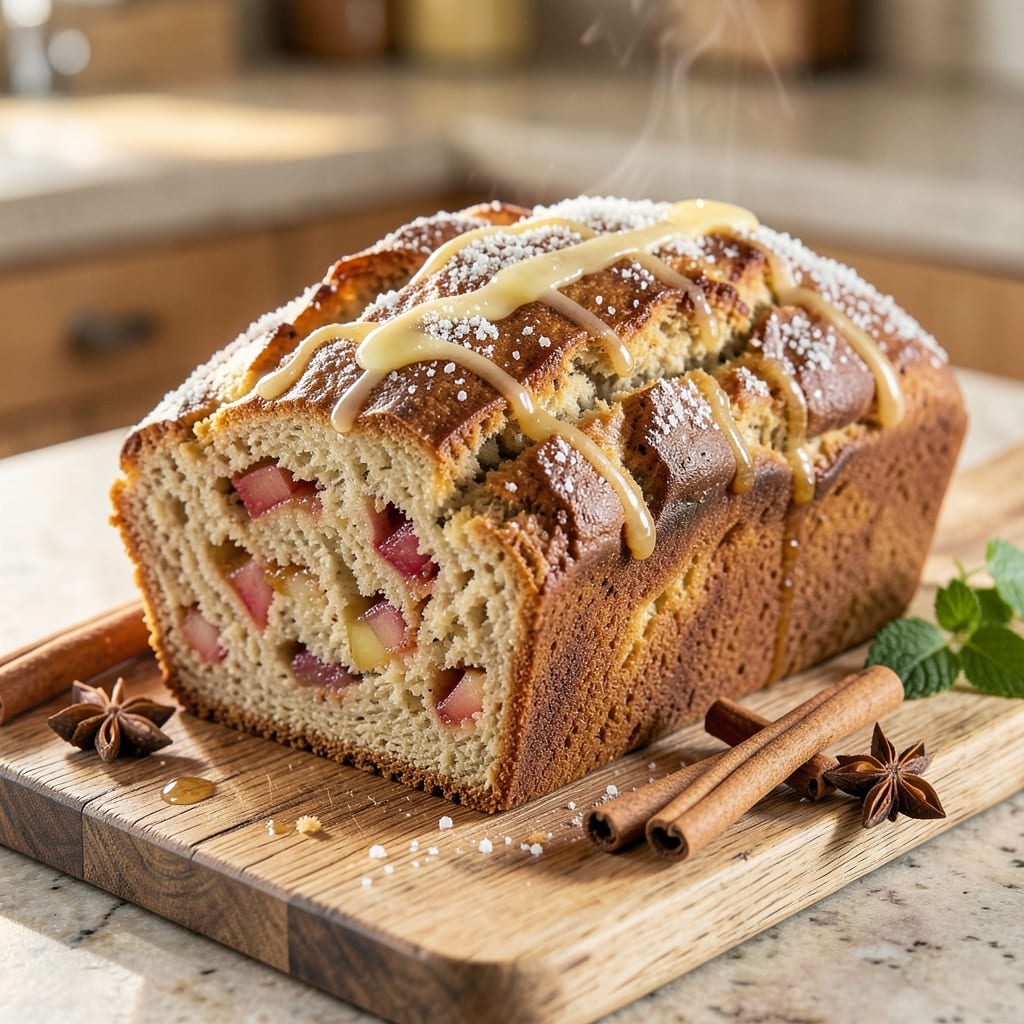
This apple cider spice bread recipe transforms your kitchen into a cozy autumn haven with every warm, spiced slice. 🍂 The secret lies in blending apple cider's natural sweetness with classic fall spices—cinnamon, nutmeg, and cloves—creating a loaf that's moist, fragrant, and packed with homestyle flavor. I've perfected this recipe over years of baking, ensuring the dough rises just right and the crust develops that perfect golden-brown crunch.
The beauty of this recipe is its simplicity—just six basic ingredients come together to create a bread that tastes like a hug from your favorite bakery. You'll mix, knead, let the dough rise twice (once for maximum flavor development), then shape it into a classic loaf before baking at 350°F for about 35-40 minutes. The optional apple cider glaze adds an extra layer of moisture and that signature autumnal aroma that makes this bread irresistible.
What you'll end up with is a loaf that smells like fall in every slice—warm, spiced, and perfectly balanced between sweet and aromatic. The texture is ideal: tender crumb with a crisp crust, and that apple cider essence infuses every bite. This bread is perfect for breakfast, dessert, or as a special treat alongside holiday meals.
For an extra touch, try adding a cinnamon-sugar swirl before baking or brushing with melted butter after it comes out of the oven. The possibilities are endless, but the result is always the same: a bread so delicious, you'll want to bake it all year round. Let's get started on creating this autumn classic!
Ingredients for apple cider spice bread
Six simple staples plus a few autumn spices create this cozy apple cider bread—moist, fragrant, and perfect for fall.
| Ingredient | Amount | Notes |
|---|---|---|
| All-Purpose Flour 🌾 | 4 cups | Spooned and leveled for accuracy |
| Unsalted Butter 🧈 | ½ cup | Cold, cubed for easier mixing |
| Granulated Sugar 🍚 | ½ cup | Light brown sugar for depth |
| Apple Cider 🍎 | 1 cup | Unfiltered for best flavor |
| Large Eggs 🥚 | 1 whole | Room temperature for even mixing |
| Active Dry Yeast 🍞 | 2 ¼ tsp | Freshly opened for potency |
| Ground Cinnamon 🌿 | 2 tsp | Freshly ground for aroma |
| Ground Nutmeg 🌶️ | ½ tsp | Freshly grated for warmth |
| Ground Cloves 🌿 | ¼ tsp | Whole cloves ground finely |
| Salt 🧂 | 1 tsp | Diamond Crystal preferred |
| Apple Cider Glaze (optional) 🍯 | ½ cup | For finishing touch (equal parts cider + powdered sugar) |
The apple cider is the star here—Muller's or Woodchuck brand from the store's seasonal section delivers the best flavor. For the spices, Penzeys or bulk bins give you the freshest grind, but honestly, the stuff in your spice rack works fine if it's not ancient. I always double-check the yeast expiration date (it's the little thing that makes or breaks bread), and I keep my Diamond Crystal salt in a sealed jar to preserve its flavor. The flour? King Arthur or Gold Medal are my go-tos—they're reliable and give that perfect tender crumb.
No apple cider? Substitute with unsweetened applesauce—it adds moisture but lacks that signature aroma. Running low on cinnamon? Pumpkin pie spice at half the amount works in a pinch. The cloves can be skipped if you're sensitive to their boldness, but trust me, they're what makes this bread smell like fall. For the glaze, if you can't find apple cider, orange juice works too—just add a pinch of cinnamon. And if you're feeling fancy, swap the granulated sugar for turbinado or coconut sugar for a subtle caramel note.
This dough needs time—let it rise in a warm spot (like your oven with the light on) for about 1-2 hours until doubled. Shape it gently to avoid deflating. For storage, wrap the cooled loaf in plastic wrap and keep at room temperature for 2-3 days or freeze for up to 3 months. To reheat, wrap in foil and warm at 300°F for 10 minutes. The glaze? Brush it on right after baking while the bread is still warm—it sets beautifully and adds that glossy finish.
Why You'll Love This Recipe
- No-Yeast Hassle: Mix, bake, done. That’s it. No waiting for dough to rise—just fold in the warm apple cider and butter, shape it quick, and let the oven work its magic. My kids think it’s "magic bread" because it’s ready faster than takeout.
- Cider-Kissed Magic: That first bite? Warm, buttery, with a whisper of spice and the deep, caramelized sweetness of reduced apple cider. Honestly, the sugar and cider combo makes it taste like autumn in every slice—no fancy ingredients, just pure comfort.
- Breakfast or Snack Star: Slice it thick for French toast with a drizzle of maple syrup, or pack it in lunchboxes for a no-muss snack. I’ve even used it as a base for grilled cheese (yes, really). Works just as well cold as it does fresh out of the oven.
- Budget-Friendly Staple: Uses pantry basics—flour, butter, sugar—and stretches into multiple meals. A single batch feeds my family for days, and the cider adds coziness without breaking the bank. (Yes, even on a Tuesday night.)
Step-by-step instructions for apple cider spice bread
Here's how to create a fragrant, moist loaf with that perfect apple cider aroma baked right in.
👨🍳 Step 1: Activate the Yeast for Maximum Rise
In a small bowl, combine the 1 cup apple cider with the 0.5 cup granulated sugar and warm it to 110°F (just warm to the touch). Sprinkle the 2.25 tsp active dry yeast over the liquid and let sit for 5-10 minutes until foamy. You'll see tiny bubbles forming—this means your yeast is alive and ready to work.
If it doesn't foam after 10 minutes, your yeast might be old. Toss it and start fresh. The warm cider should feel cozy to your wrist—not hot, just comfortably warm. This step is crucial for a light, airy loaf with that signature apple cider aroma infused throughout.
🍳 Step 2: Mix the Dough Until Just Combined
In a large bowl, whisk together the 4 cups all-purpose flour, 2 tsp ground cinnamon, 0.5 tsp ground nutmeg, 0.25 tsp ground cloves, and 1 tsp salt. Make a well in the center and add the yeast mixture, 0.5 cup cold cubed butter, and 1 whole large egg.
Using a wooden spoon or dough whisk, mix until just combined—you should still see some dry flour spots. Overmixing develops gluten and makes the bread tough. Once the dough comes together, turn it out onto a lightly floured surface and knead gently for 2-3 minutes until smooth. The dough should be soft but not sticky.
⏰ Step 3: Let the Dough Rise Until Doubled
Place the dough in a lightly greased bowl, cover with a damp kitchen towel, and let rise in a warm spot for 1-1.5 hours until doubled in size. You'll know it's ready when the dough springs back slowly when poked with a finger. The warm environment helps the yeast work efficiently, creating that perfect rise.
I like to place the bowl near the oven with the light on for gentle warmth. Avoid direct heat—this can kill the yeast. The dough should puff up noticeably and smell like fresh apple cider and warm spices. Patience here pays off with a light, tender crumb.
🔥 Step 4: Shape and Proof the Loaf
Punch down the risen dough and shape it into a loaf pan (about 9x5 inches). Brush the top with a little more of the apple cider for extra flavor and moisture. Cover again and let proof for another 30-45 minutes until the dough rises about an inch above the pan.
This second rise ensures the bread will be light and airy. Tap the pan gently—if the dough springs back slowly, it's ready. If it springs back quickly, give it another 10 minutes. Preheat your oven to 375°F while the dough proofs for that perfect baking temperature.
🔥 Step 5: Bake Until Golden and Fragrant
Bake the loaf for 30-35 minutes until the top is deep golden brown and smells heavenly. The internal temperature should reach 190-200°F. Tap the bottom—it should sound hollow.
For the optional glaze, mix 0.5 cup apple cider glaze (equal parts cider and powdered sugar) and brush it over the warm loaf immediately after baking. Let the bread cool for 10 minutes before slicing—this helps it set properly. The aroma filling your kitchen will make every slice worth the wait!
Pro Tips For Making Apple Cider Spice Bread
- STIR THE CIDER FIRST: Warm your apple cider to room temperature before mixing it into the dough—cold liquid slows yeast activation and makes the bread dense. I used to pour it straight from the fridge, and the result was a sad, heavy loaf. Two minutes in the microwave (or just sitting out) makes all the difference.
- MEASURE THE BUTTER RIGHT: Pack the unsalted butter into the measuring cup and press it down firmly—this ensures you’re using the full ¼ cup (or whatever your recipe calls for). I learned this the hard way when my first batch turned out dry because I scooped it loosely. A quick tap with a spoon fixes it.
- DON’T OVERMIX THE DOUGH: Stop folding in the flour as soon as it comes together—overworking it develops gluten and makes the bread tough. My grandmother’s rule was to “give it a few turns, then let it be.” A few lumps are fine; the yeast will handle the rest.
- PROOF IT UNTIL DOUBLED: Place the dough in a warm spot (like a turned-off oven with a bowl of hot water inside) and wait until it’s fully doubled—not just puffy, but nearly twice its original size. I rushed it once and ended up with a dense, gummy loaf. Patience here guarantees a light, airy crumb.
Troubleshooting this dish
Dough Too Sticky
If your dough feels overly sticky, you likely need more flour—but don’t overdo it. Sprinkle 1 tablespoon flour at a time onto your work surface while kneading, just until the dough stops sticking to your fingers. Over-flouring can make the bread dense. I’ve found that King Arthur or Gold Medal flour absorbs moisture better than some budget brands, so if you’re struggling, try swapping flours. 🌾
Yeast Not Activating
If your yeast doesn’t foam within 10 minutes in warm cider, it’s likely dead. Test freshness by sprinkling a pinch of yeast into ¼ cup warm water with 1 tsp sugar—if it bubbles within 5 minutes, it’s good. Always store yeast in the fridge and check expiration dates. Pro tip: Warm your cider to 110°F (like bathwater) for optimal activation.
Bread Too Dense
A dense loaf usually means overmixing or insufficient rising time. Knead gently for just 2-3 minutes—you’re not making pasta! Also, ensure your dough doubles in size during both rises. If your kitchen is cold, place the bowl near the oven with the light on for warmth. For extra lift, add ½ tsp baking powder to the flour mix.
Glaze Not Setting
If your apple cider glaze pools instead of sticking, it’s likely too runny or the bread wasn’t warm enough. Brush the glaze onto warm bread (right after baking) for best adhesion. For a thicker glaze, reduce the cider slightly—try ¼ cup cider + ¼ cup powdered sugar instead of equal parts. Let the bread cool for 10 minutes before slicing to prevent a gummy texture.
Uneven Baking
Dark spots or pale patches mean uneven heat distribution. Rotate your pan halfway through baking (around 17-18 minutes) for even browning. Use a light-colored metal pan if your dark pan causes hot spots. If the top browns too fast, tent loosely with foil after 20 minutes to prevent over-browning while the center cooks through.
Weak Apple Cider Flavor
If your bread lacks that signature cider aroma, boost the flavor by brushing the dough with an extra 1-2 tablespoons of cider before the final proof. For deeper flavor, reduce the cider in the dough by 2 tablespoons and replace it with 2 tablespoons of apple cider vinegar—the acidity enhances the spice profile. Store-bought cider can vary in strength, so Muller’s or Woodchuck brands deliver the best results.
Nutrition facts
Frequently asked questions
Can I make this apple cider spice bread without a loaf pan?
Shape the dough into a free-form boule or batard for an artisanal look. Place it on a parchment-lined baking sheet, cover with a damp towel, and let proof until doubled. Bake at 375°F for 30-35 minutes, rotating halfway for even browning. For extra flavor, brush with melted butter before baking.
How do I store leftover apple cider spice bread?
Wrap the cooled loaf tightly in plastic wrap and store at room temperature for 2-3 days or freeze for up to 3 months. To reheat, wrap in foil and warm at 300°F for 10 minutes. For freshness, slice only what you need—exposed surfaces dry out faster.
What makes this bread different from regular spice bread?
The apple cider adds natural sweetness and moisture while infusing that signature autumnal aroma. Unlike plain spice bread, this version stays tender longer due to the cider's acidity balancing the spices. The glaze also creates a glossy finish that's uniquely aromatic—think warm cider and cinnamon in every bite!
Can I add dried fruit to this recipe?
Yes! Fold in ½ cup chopped dried apples or cranberries with the yeast mixture. For extra moisture, reduce the cider by 2 tablespoons. Soak dried fruit in warm cider for 10 minutes before adding to the dough. The fruit adds chewy texture and complements the spice blend beautifully.
Why does my bread smell amazing but taste bland?
This usually means the spices need freshening up. Replace ground spices with freshly grated cinnamon, nutmeg, and whole cloves ground in a spice grinder. Also check your yeast—old yeast loses potency. For deeper flavor, brush the baked loaf with extra cider mixed with melted butter while still warm.