
Salads
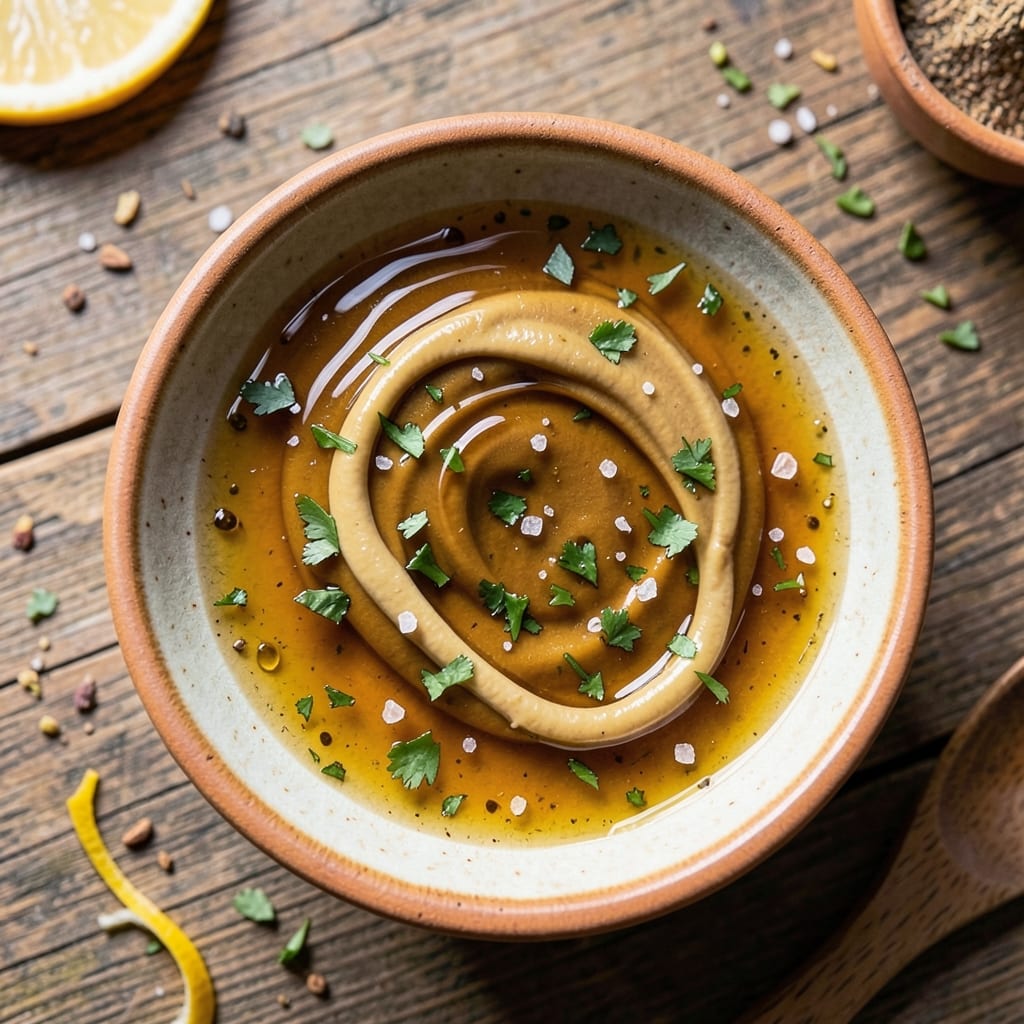
This apple cider vinegar and oil salad dressing transforms simple greens into vibrant, tangy bites that wake up every salad. The secret lies in balancing sharp vinegar with smooth oil, creating a dressing that clings perfectly to leaves while adding layers of herby brightness. I developed this recipe after realizing most store-bought versions lacked the depth of homemade ingredients—just five simple components deliver restaurant-quality flavor.
The foundation is a 1:3 ratio of apple cider vinegar to oil, which creates the perfect balance between tang and richness. Adding Dijon mustard introduces subtle depth, while fresh herbs (like parsley or dill) bring freshness that lasts beyond the first pour. A touch of maple syrup or honey substitute rounds out the sharpness, ensuring the dressing is versatile enough for both crisp greens and heartier salads.
What makes this dressing truly special is its versatility and longevity—it stays fresh in the fridge for up to two weeks, making it ideal for meal prep. The bright tang cuts through rich ingredients like avocado or roasted vegetables, while the herby notes elevate simple arugula or mixed greens. Whether you're dressing a lunch salad or drizzling over roasted Brussels sprouts, this dressing delivers consistent, professional-quality results.
For best results, whisk all ingredients together thoroughly before using, and let the dressing sit for 10 minutes to allow flavors to meld. Store in an airtight container, and give it a quick shake before each use to maintain that signature emulsified texture. This is the kind of dressing that turns a basic salad into a standout dish—simple to make, but impossible to ignore.
Ingredients for apple cider vinegar and oil salad dressing
Five ingredients, balanced ratios, and restaurant-quality flavor in minutes.
| Ingredient | Amount | Notes |
|---|---|---|
| Apple Cider Vinegar 🍏 | ¼ cup | Raw, unfiltered preferred |
| Extra-Virgin Olive Oil 🫒 | ¾ cup | Light or fruity variety |
| Dijon Mustard 🌶️ | 1 tbsp | High-quality, whole-grain preferred |
| Fresh Parsley Leaves 🌿 | ¼ cup | Finely chopped, stems removed |
| Maple Syrup 🍁 | 1 tbsp | Grade B for depth of flavor |
| Sea Salt 🧂 | ½ tsp | Diamond Crystal preferred |
| Freshly Ground Black Pepper 🌶️ | ¼ tsp | Freshly cracked for maximum aroma |
| Garlic Cloves 🧄 | 1 clove | Minced for subtle depth |
The apple cider vinegar is the heart of this dressing—raw, unfiltered varieties from brands like Bragg or Texas Pete add depth and complexity that pasteurized versions lack. For olive oil, Italian extra-virgin like Colavita or California light oils from Trader Joe's provide the perfect smoothness without overpowering the vinegar's brightness. Dijon mustard should be whole-grain—Maille is the gold standard, but any quality brand works. Fresh parsley is non-negotiable; dried loses its vibrant freshness and can make the dressing taste bitter. If you must use dried, reduce to one-third the amount, but honestly, it's worth the extra minute to chop fresh.
No Dijon mustard? Whole-grain mustard from a squeeze tube works in a pinch, though texture may vary. Short on fresh parsley? Fresh dill or chives at the same quantity add a different but equally bright note. The maple syrup can be swapped for agave nectar or date syrup—just use the same amount. For a sweeter dressing, increase to 1.5 tablespoons, but the 1:3 ratio of vinegar to oil is sacred—this creates the perfect emulsification. The garlic clove is optional but adds subtle complexity; skip if you prefer a cleaner flavor profile. Always taste before serving—adjust sweetness or salt as needed.
This dressing keeps beautifully in an airtight glass jar for up to 2 weeks in the fridge. The oil layer will separate, but a quick shake before use restores the perfect emulsion. For longer storage, transfer to a sterilized jar and refrigerate for up to 3 months. The flavor actually improves over time as the ingredients meld. For meal prep, make a double batch—it's perfect for drizzling over roasted vegetables, grain bowls, or even as a marinade for tofu or tempeh. Always store it in a cool, dark place away from direct sunlight to preserve its vibrant color and freshness.
Why You'll Love This Recipe
- Five-Ingredient Magic: I swear by this combo—just shake, pour, done. No fancy gadgets, no measuring spoons that vanish halfway through. That tangy-sweet balance from the apple cider vinegar and maple syrup? It’s foolproof, even when I forget to chop the parsley finely.
- Tangy-Sweet Obsession: The Dijon mustard gives it that little kick, but the maple syrup softens it just enough to make it ridiculously good on everything. Honestly, I’ve drizzled it over grilled chicken, tossed it with roasted veggies, and even used it as a marinade—it’s that versatile.
- Meal-Prep MVP: This dressing lasts in my fridge for weeks without turning weird. I make a big batch on Sundays, and by Wednesday, I’m still finding excuses to use it. Plus, it’s the perfect ratio for salads, wraps, or even as a quick glaze for roasted potatoes.
- Budget Brightener: Extra-virgin olive oil and apple cider vinegar are pantry staples, and fresh parsley stretches further than you’d think. Between us, this is how I keep my grocery bill low while still feeling fancy. A little goes a long way, and I never regret making extra.
Step-by-step instructions for apple cider vinegar and oil salad dressing
This bright, balanced dressing comes together in minutes with precise technique and quality ingredients.
Whisk Vinegar and Sweetener Together
In a small mixing bowl, combine the 0.25 cup apple cider vinegar and 1 tablespoon maple syrup. I always use a whisk for this step—it creates a smooth emulsion right from the start. Stir vigorously for 30 seconds until the maple syrup fully dissolves and the mixture becomes uniform in color.
The vinegar's acidity will begin breaking down the syrup's sugars immediately, creating a subtle caramelized depth. This initial mixture should be completely smooth—no visible streaks of syrup remaining. If you notice any separation later, this is where you'll want to return and whisk more thoroughly. The goal is a perfectly balanced foundation before adding the oil.
Incorporate Mustard and Aromatics
Add the 1 tablespoon Dijon mustard, 1 minced garlic clove, 0.5 teaspoon sea salt, and 0.25 teaspoon freshly ground black pepper to the vinegar mixture. Using the whisk, combine everything until fully integrated—about 20-30 seconds of steady whisking. The mustard will begin to emulsify immediately, creating a thick, paste-like consistency.
Here's the thing—don't rush this step. The mustard needs time to fully blend with the vinegar mixture to create the proper emulsion base. You'll know it's ready when the mixture holds its shape when you lift the whisk and there are no visible streaks of mustard. The garlic should be completely dispersed, not clumped. This aromatic foundation is what gives the dressing its complex flavor profile.
Gradually Add Olive Oil for Emulsion
With the whisk still in the bowl, very slowly drizzle in the 0.75 cup extra-virgin olive oil while whisking continuously. This gradual addition is critical—adding oil too quickly will cause separation. I like to pour in small streams, whisking vigorously between each addition until the mixture begins to thicken noticeably.
The emulsion will start forming when the oil begins to incorporate rather than float on top. You'll see the mixture transform from a thin liquid to a thick, creamy dressing. If you notice any oil separating, simply whisk more vigorously for another 10-15 seconds. The key is patience—the more you whisk at this stage, the more stable your final dressing will be. This step typically takes about 1-2 minutes of continuous whisking.
Fold in Fresh Herbs
Remove the whisk and gently fold in the 0.25 cup finely chopped fresh parsley leaves using a silicone spatula. Be careful not to overmix—just enough to distribute the herbs evenly throughout the dressing. The parsley should be visible as flecks throughout, adding both color and freshness.
This is where the dressing comes together visually. The bright green parsley contrasts beautifully with the golden olive oil, creating an appealing presentation. The herbs add a fresh, slightly peppery note that balances the sweetness and acidity. Taste the dressing at this point—you may want to adjust the seasoning slightly. If it needs more acidity, add a splash of additional vinegar. If it needs more sweetness, add a tiny amount of maple syrup.
Rest and Adjust for Perfect Texture
Cover the bowl with plastic wrap and let the dressing rest at room temperature for 10-15 minutes. This resting period allows all the flavors to meld together and the emulsion to fully stabilize. I've found that this step makes a significant difference in the final texture and flavor balance.
After resting, give the dressing one final taste and whisk. If it has thickened too much, add 1-2 teaspoons of water to reach your desired consistency. If it's too thin, whisk in an additional 1 tablespoon of olive oil. The dressing should coat the back of a spoon but still pour easily. This dressing keeps well in the refrigerator for up to 1 week, maintaining its bright flavor and creamy texture. The longer it rests, the more complex the flavors become—trust the process and let it develop before serving.
Pro Tips For Making Apple Cider Vinegar And Oil Salad Dressing
- STIR GENTLY AFTER MIXING: Whisk the vinegar, mustard, and maple syrup first—then slowly drizzle in the olive oil while stirring. Pouring it all at once creates a thick, clumpy mess that won’t emulsify properly, no matter how much you shake it after. I learned this the hard way when my dressing split into two layers like a bad divorce settlement.
- USE COLD OIL, NOT ROOM TEMP: Chill your extra-virgin olive oil in the fridge for 10 minutes before mixing. Cold oil blends more smoothly with the vinegar and mustard, giving you a dressing that stays emulsified longer. Room-temperature oil can turn the whole thing greasy and unstable—like trying to hold together a relationship over text.
- CHOP PARSLEY SMALLER THAN YOU THINK: Tiny parsley bits (almost confetti-sized) distribute flavor evenly without overpowering the dressing. Big chunks sink to the bottom and turn your salad into a parsley lottery—some bites get all the herb, others get none. My grandmother swore by this, and she was right: "Small leaves, big flavor."
- SWAP MAPLE SYRUP FOR HONEY IF NEEDED: If you’re in a pinch, honey works in a 1:1 ratio and adds a slightly different depth. But if you’re using maple, don’t sub with store-brand syrup—real maple’s complexity makes a real difference. (And yes, I know, but trust the process.)
Make-ahead tips for apple cider vinegar and oil salad dressing
Batch Prep Basics
Make a double batch of this dressing—it’s perfect for meal prep! Simply multiply all ingredients by two and store in a quart-sized glass jar with an airtight lid. The dressing will separate naturally, but a quick shake before use restores its creamy texture. I love prepping this on Sunday nights so I can grab it ready-to-use for salads all week. 💫
Fridge Storage Secrets
Store your dressing in the fridge for up to 2 weeks in an airtight container. The oil will rise to the top, but don’t worry—just shake vigorously before using. For longer storage, transfer to a sterilized jar and refrigerate for up to 3 months. Keep it in the back of the fridge where it’s coolest to preserve freshness and color.
Freezing for Later
This dressing freezes beautifully for up to 3 months if you plan ahead. Use a freezer-safe glass jar or silicone ice cube tray for portion control. Thaw in the fridge overnight—never microwave it, as heat can break the emulsion. Once thawed, shake well and adjust consistency with a splash of water if needed.
Portion Control Hacks
For easy single-serving use, freeze the dressing in 1-tablespoon portions in silicone molds. Pop them out and store in a ziplock bag. Perfect for packing lunches or adding to salads on the go. I keep these in my office fridge for quick flavor boosts during busy weeks.
Flavor Development
The longer this dressing sits, the better it tastes! Let it rest in the fridge for 24 hours before using to allow flavors to meld. The vinegar’s acidity softens, the herbs brighten, and the sweetness balances perfectly. This is why I always make a big batch—it just gets better with time. 🌿
Reusing Leftovers
Use any leftover dressing as a marinade for tofu, tempeh, or grilled vegetables. Its tangy brightness tenderizes proteins while adding flavor. I also love drizzling it over roasted Brussels sprouts or grain bowls for extra zing. Never waste a drop—this dressing is too good to go unused! 🔥
Nutrition facts
Frequently asked questions
Can I substitute apple cider vinegar with another vinegar?
While you can use white wine vinegar or balsamic vinegar, apple cider vinegar's unique depth and slight sweetness make it ideal. For a similar tang, try white wine vinegar (1:1 ratio), but expect a cleaner, sharper flavor. Balsamic adds richness but may overpower the dressing's brightness—use sparingly if substituting.
Why did my dressing separate after storing?
Oil and vinegar naturally separate when stored—this is normal! Just give it a vigorous shake before using. For a more stable dressing, whisk in an extra ½ teaspoon of Dijon mustard or 1 teaspoon of cornstarch (whisked into the vinegar first) to help emulsify. Always store in an airtight container to prevent oxidation.
How can I make this dressing spicier?
Add a pinch of red pepper flakes or ½ teaspoon of cayenne pepper while whisking the mustard and aromatics. For a smoky kick, swap the garlic for 1 teaspoon of smoked paprika. Start with small amounts—you can always adjust later. If using dried herbs, reduce to half the fresh amount to avoid bitterness.
Is this dressing safe for people with mustard allergies?
No, this recipe contains Dijon mustard, which is a common allergen. For an alternative, replace it with 1 teaspoon of lemon juice or 1 tablespoon of tahini (thinned with water) to help emulsify the oil. Always check labels if using store-bought substitutes, as cross-contamination is possible.
What’s the best way to use up leftover dressing?
Beyond salads, this dressing excels as a marinade for tofu, tempeh, or grilled chicken. Drizzle it over roasted vegetables, grain bowls, or even use it as a dip for crudités. For extra flavor, add 1 teaspoon of soy sauce or ½ teaspoon of miso paste when repurposing. Store leftovers in the fridge for up to 1 week for best results.