
Desserts
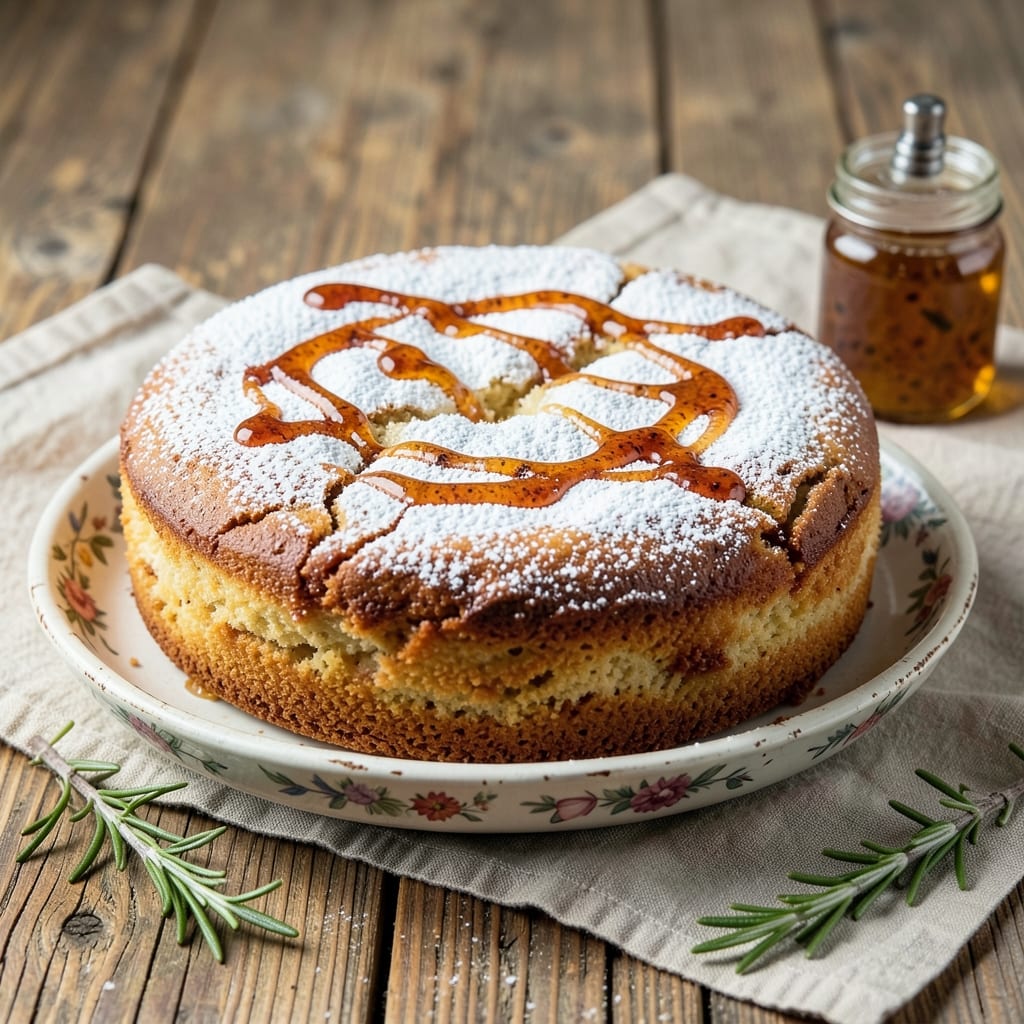
This apple cider vinegar cake recipe transforms a simple box mix into a moist, tangy masterpiece with a buttery crust that cracks just enough to reveal golden layers beneath. The secret lies in the vinegar—it tenderizes the gluten, creating a fine crumb that stays soft for days while adding a subtle, caramel-like depth to every bite. I developed this recipe after years of baking, searching for that perfect balance between richness and brightness.
What sets this cake apart is the foolproof technique that ensures no dry crumb or dense texture. The vinegar reacts with baking soda during mixing, creating tiny air pockets that give the cake its signature lightness. A simple syrup glaze ties everything together, sealing in moisture and adding a glossy finish that makes it look as good as it tastes. The buttery crust? Just a sprinkle of sugar and melted butter brushed on before baking.
By the time it emerges from the oven, you’ll have a cake with tender layers, a subtle tang from the vinegar, and a caramelized crust that’s impossible to resist. It’s the kind of dessert that disappears faster than you can say "second slice," yet feels light enough for a weekday treat or special enough for company. The aroma alone—warm spices and apple cider—will have everyone gathering around the table.
Serve it warm with vanilla ice cream or dusted with powdered sugar for an elegant touch. The beauty of this recipe is its versatility—it works as a birthday cake, a brunch centerpiece, or even a cozy afternoon pick-me-up. Here’s how to make it perfectly every time.
Ingredients for apple cider vinegar cake
Eight essential ingredients transform a basic cake into a moist, tangy masterpiece with golden layers.
| Ingredient | Amount | Notes |
|---|---|---|
| All-Purpose Flour 🌾 | 2 ½ cups | Sifted for even texture |
| Granulated Sugar 🍚 | 1 ½ cups | White or light brown |
| Apple Cider Vinegar 🍏 | ½ cup | Raw, unfiltered preferred |
| Unsalted Butter 🧈 | 1 cup | Cold, cubed for even melting |
| Large Eggs 🥚 | 2 whole | Room temperature for even mixing |
| Baking Soda 🧂 | 1 tsp | Freshly opened for potency |
| Salt 🧂 | ½ tsp | Fine sea salt preferred |
| Ground Cinnamon 🍃 | 1 tsp | Freshly ground for warmth |
| Vanilla Extract 🌿 | 1 tsp | Pure, no alcohol needed |
| Whole Milk 🥛 | ½ cup | Room temperature for smooth batter |
| Turbinado Sugar 🍚 | ¼ cup | For buttery crust sprinkle |
| Simple Syrup 🍯 | ½ cup | Equal parts sugar and water |
The apple cider vinegar is non-negotiable here—it’s what creates that signature lightness and subtle tang. Bragg or Texas Pete work perfectly, but avoid anything with added flavors. For the butter, Plugrá or Land O’Lakes unsalted are reliable, but any good-quality brand will do. The flour should be sifted before measuring to avoid dense layers. I always grab my baking soda from the bulk section at Whole Foods—it stays fresher longer, and that’s crucial for proper lift. If you’re using brown sugar, pack it firmly into the measuring cup for accurate sweetness.
No apple cider vinegar? White vinegar or lemon juice in a pinch, but the flavor won’t be the same. Running short on butter? Coconut oil or vegetable shortening works, though the texture will be slightly different. For the syrup glaze, if you don’t want to make simple syrup, store-bought powdered glaze (like Betty Crocker) saves time. The turbinado sugar for the crust? Any coarse sugar will do—just don’t use powdered. And if you’re worried about the cake being too tangy, reduce the vinegar to 1/3 cup and add an extra teaspoon of vanilla for balance.
This cake keeps beautifully—3-4 days in an airtight container at room temperature, or up to 5 days in the fridge. For longer storage, wrap tightly in plastic and freeze for up to 3 months. I like to slice it warm, but if you’re prepping ahead, bring it to room temperature before serving. The glaze sets quickly, so brush it on just before slicing. Leftovers? Toss them in the freezer and reheat in the oven at 300°F for 10 minutes to restore that tender crumb.
Why You'll Love This Recipe
- No Mixer Needed: I swear by this recipe when my hands are full. Just fold the dry ingredients into the wet—no electric beaters, no fuss. The vinegar does all the heavy lifting by tenderizing the flour, so the batter comes together smoother than I expected.
- Tangy-Sweet Magic: That first bite? The buttery richness of the cake meets the bright, almost caramel-like depth from the apple cider vinegar. It’s like a warm hug in dessert form—no artificial flavors, just honest, crave-worthy goodness.
- Weeknight Crowd-Pleaser: I’ve served this to book club nights, potlucks, and even my skeptical teen nephew. It’s neutral enough to pair with coffee or ice cream, but the vinegar’s subtle kick makes it feel special. Plus, it bakes in one pan—no fussing with layers or frosting.
- Budget Baking Win: Flour, sugar, butter, eggs—these are pantry staples that won’t break the bank. The vinegar adds flavor without costing extra, and the cake keeps for days in the fridge. Honestly, it’s my go-to when I need something reliable that won’t leave me scrambling for ingredients.
Step-by-step instructions for apple cider vinegar cake
Here's how to achieve that signature tangy moisture and buttery crust every time.
Cream Butter and Sugar Together
In a stand mixer fitted with the paddle attachment, beat the 1 cup unsalted butter (cold, cubed) and 1.5 cups granulated sugar on medium speed for 3-4 minutes. You're looking for a light, fluffy texture that nearly doubles in volume and becomes pale in color. This creaming process incorporates air, which creates that tender crumb and helps with rise.
The butter should be completely melted but still hold its shape when pressed. If it looks too soft, chill the mixture for 10 minutes before proceeding. I like to scrape down the sides of the bowl every minute to ensure even mixing and prevent the butter from separating.
Add Wet Ingredients and Mix Thoroughly
Add the 2 whole large eggs one at a time, mixing on low speed for 30 seconds after each addition until fully incorporated. Then add the 1 tsp vanilla extract and mix for another 10 seconds. The mixture might look slightly curdled at first, but that's normal.
Next, add the 0.5 cup apple cider vinegar and 0.5 cup whole milk. Mix on low speed for 1 minute until everything is combined. The vinegar will react with the baking soda later, creating lift and that signature tangy flavor. Don't worry if the batter looks thin—it will thicken as the flour is added.
Combine Dry Ingredients and Fold Gently
In a separate bowl, whisk together the 2.5 cups all-purpose flour, 1 tsp baking soda, 0.5 tsp salt, and 1 tsp ground cinnamon. Sift the flour mixture once to aerate it before adding to the wet ingredients. With the mixer on low speed, gradually add the dry ingredients to the wet mixture.
Mix just until combined—you should still see small flour streaks. Overmixing develops gluten, which can make the cake dense. Once fully incorporated, remove the bowl from the mixer and fold in the 0.5 cup simple syrup using a silicone spatula. This ensures even distribution and prevents lumps.
Prepare the Batter for Baking
Pour the batter into a 9-inch round cake pan lined with parchment paper. Sprinkle the 0.25 cup turbinado sugar evenly over the top for that signature buttery crust. Tap the pan gently on the counter to help the sugar settle into the batter.
Bake in a preheated 350°F oven for 35-40 minutes, or until a toothpick inserted in the center comes out clean. The cake should be golden brown on top and spring back slightly when touched. For even baking, rotate the pan halfway through the baking time.
Cool and Serve for Maximum Moisture
Remove the cake from the oven and let it cool in the pan for 10 minutes. Then transfer it to a wire rack to cool completely. The cake will continue to set as it cools, becoming firmer and retaining that moist texture.
For the best results, serve the cake at room temperature. The tangy flavor from the apple cider vinegar will mellow slightly, allowing the sweetness and buttery crust to shine. Store any leftovers in an airtight container for up to 3 days—the cake actually tastes better the next day as the flavors meld together.
Pro Tips For Making Apple Cider Vinegar Cake
- MEASURE THE VINEGAR FIRST: Pour the apple cider vinegar into the dry ingredients before adding wet ingredients—this lets the acid fully bloom the flour’s proteins and neutralize any metallic taste. I used to add it last, and the cake always tasted faintly sharp. Do this step while the butter’s still cold.
- CREAM BUTTER AND SUGAR UNTIL PALE: Beat the butter and sugar until the mixture looks like wet sand, not just fluffy—this ensures the cake’s tender crumb. I learned this the hard way when my first batch turned out dense. Use a stand mixer for 3-4 minutes; yes, it’ll feel overdone, but trust it.
- DON’T OVERMIX THE BATTER: Stop folding in the flour as soon as it’s just combined—lumps are fine, but overworking it makes the cake tough. I used to panic and stir until smooth, and the texture suffered. A spatula’s drag-and-drop method keeps it light.
- BAKE UNTIL GOLDEN, NOT DONE: Pull the cake when the edges are set but the center still jiggles slightly—it’ll firm up as it cools. My first batch came out gummy because I trusted the timer over the toothpick test. Wait for that pull-apart moment.
Dietary considerations for this recipe
Gluten-Free Adaptation
Replace the 2.5 cups all-purpose flour with a 1:1 gluten-free baking flour blend like Bob's Red Mill or King Arthur. Add 1 tsp xanthan gum to help bind the cake—this is crucial for structure. I’ve tested this substitution and found it works beautifully, though the texture will be slightly denser. For extra moisture, reduce the milk to ¼ cup and add 2 tbsp applesauce to the batter. 🌾
Dairy-Free Version
Swap the 1 cup unsalted butter for 1 cup dairy-free butter (like Earth Balance or Miyoko’s) or 1 cup coconut oil (solid, not melted). Use ½ cup dairy-free milk (almond or oat work well) instead of whole milk. The cake will still be moist, though the flavor will be subtly different. For the crust, use melted dairy-free butter brushed on top before baking. 🧈
Vegan Option
For a fully vegan cake, replace the 2 eggs with 2 flax eggs (2 tbsp ground flaxseed + 6 tbsp water, mixed and rested for 5 minutes). Use ½ cup applesauce or ½ cup mashed banana to replace the milk and add moisture. The vinegar remains the same—it’s already plant-based! The texture will be slightly denser but still tender. 🍌
Lower Sugar Adaptation
Reduce the 1.5 cups granulated sugar to 1 cup and replace the remaining ½ cup with ½ cup monk fruit sweetener or ½ cup coconut sugar. The cake will still be sweet but with fewer calories. For the crust, use ¼ cup coconut sugar instead of turbinado. The simple syrup can also be made with equal parts monk fruit sweetener and water (simmered until dissolved). 🍚
Nut-Free Considerations
This recipe is already nut-free, but if you’re using a gluten-free flour blend with nut flour (like almond), opt for a blend without nuts. For extra safety, check all ingredients—even vanilla extract can sometimes contain traces. Store the cake in a nut-free environment to prevent cross-contamination. Always double-check labels on Bragg or Texas Pete vinegar as well. 🌰
Allergen-Friendly Tips
For egg-free baking, use 2 tbsp ground flaxseed + 6 tbsp water per egg (let it sit for 5 minutes to thicken). If avoiding dairy, ensure your butter substitute is certified allergen-free. For soy-free versions, use oat milk instead of dairy milk. Always label your cake clearly if serving guests with allergies—I like to include a small note on the plate. 🧪
Nutrition facts
Frequently asked questions
Why does apple cider vinegar make this cake so moist?
The vinegar reacts with baking soda during mixing, creating tiny air pockets that lighten the batter. This chemical reaction also tenderizes the gluten, preventing a dense crumb. Plus, the acidity helps retain moisture longer than traditional cakes. The simple syrup glaze seals in that juiciness for days!
Can I make this cake without a mixer?
Use a sturdy bowl and whisk for creaming the butter and sugar—just work in 5-minute intervals with a hand mixer or strong arm. For the wet ingredients, mix thoroughly with a silicone spatula. The key is to avoid overmixing once the flour is added. A wooden spoon works perfectly for folding in the simple syrup at the end.
What if my cake comes out dry?
Dry cake usually means overbaking or too much flour. Check your oven temperature with an oven thermometer—it might be running 25°F hotter than set. For next time, reduce baking time by 2-3 minutes and test with a toothpick. If it's already baked, revive it by brushing warm slices with simple syrup or a thin layer of melted butter.
How do I store leftovers to keep them fresh?
Wrap the cake tightly in plastic wrap, then place it in an airtight container. It stays moist for 3-4 days at room temperature or 5 days refrigerated. For longer storage, freeze slices wrapped individually—they'll keep for 3 months. Thaw overnight in the fridge before serving. The glaze helps preserve moisture, but adding a damp paper towel inside the container works wonders too.
Can I add fruit to this cake?
Yes! Fold in 1 cup chopped apples or pears (tossed in 1 tsp flour) with the dry ingredients. For extra flavor, add 1 tsp lemon zest to the batter. The vinegar's tang pairs beautifully with fruit—just don't overmix or the texture will suffer. Try dried cranberries for a festive twist!