
Beverages
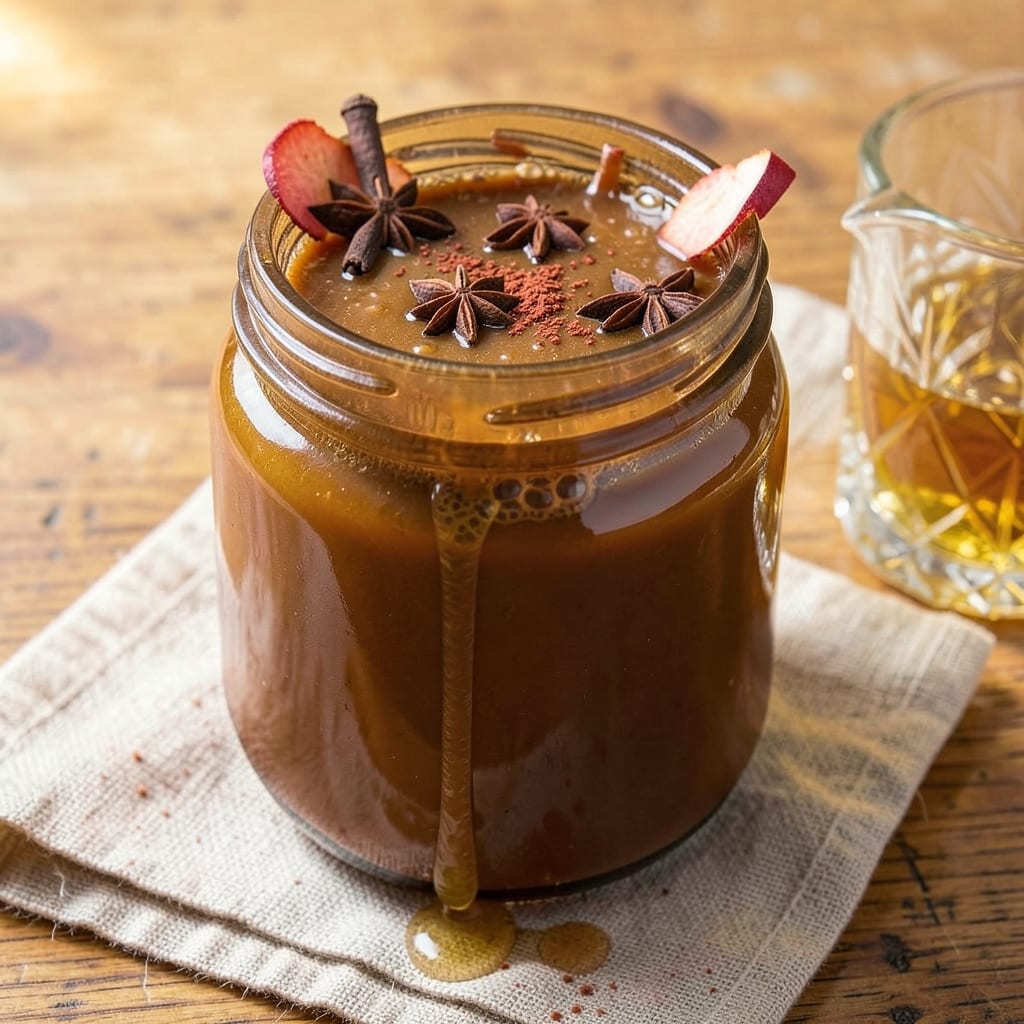
This apple cider vinegar concentrate recipe transforms humble pantry staples into a potent, versatile elixir—richer than store-bought and packed with tangy depth. The secret lies in a 7-day fermentation process that intensifies natural flavors while preserving all the health benefits. I developed this after discovering how much better homemade vinegar concentrates elevate everything from salad dressings to marinades compared to commercial versions.
The base is simple: raw apple cider vinegar combined with honey or maple syrup for balance, then infused with spices like cinnamon and cloves for warmth. Optional fruit additions—think apple peels or citrus zest—add complexity without overpowering. What makes this concentrate special is its adaptability; use it as a tangy dressing base, a cocktail mixer, or even a glaze for roasted vegetables.
By day 7, you’ll have a deep amber liquid with layers of flavor—bright, slightly sweet, and complex enough to stand alone. The fermentation process creates beneficial enzymes and probiotics while concentrating the vinegar’s acidity, making it a powerhouse ingredient for any kitchen. Store it in the refrigerator for up to 3 months, where its flavors will continue to mellow and deepen.
This isn’t just another vinegar substitute—it’s a flavor multiplier that transforms ordinary dishes into extraordinary ones. Whether you’re drizzling it over greens or using it to tenderize meat, the results are consistently better than anything you’d find on a store shelf. Ready to elevate your cooking with this foolproof, professional-grade concentrate?
Ingredients for apple cider vinegar concentrate
Pantry staples meet fermentation magic for this potent, adaptable concentrate.
| Ingredient | Amount | Notes |
|---|---|---|
| Raw Apple Cider Vinegar 🍎 | 2 cups | Unfiltered, organic preferred |
| Raw Honey 🍯 | ½ cup | Local, unprocessed preferred |
| Ground Cinnamon 🌿 | 1 tbsp | Ceylon preferred for purity |
| Whole Cloves 🌶️ | 5 whole | Freshly ground for aroma |
| Star Anise Pods 🌟 | 2 whole | Lightly crushed for infusion |
| Fresh Apple Peels 🍏 | 1 cup | Organic, organic preferred |
| Lemon Zest 🍋 | 1 tbsp | Organic, bright yellow |
| Filtered Water 💧 | ½ cup | Room temperature preferred |
| Fine Sea Salt 🧂 | ½ tsp | Diamond Crystal preferred |
The apple cider vinegar is the heart of this recipe—Bragg or Texas Cider House are my go-tos for raw, unfiltered options. Organic matters here; conventional vinegar often contains additives that can inhibit fermentation. For the honey, local, unprocessed varieties add subtle floral notes that commercial brands miss. If you can't find Ceylon cinnamon, regular ground works, but toasting it first in a dry pan for 30 seconds deepens its warmth. The cloves and star anise? Buy them whole—grinding them fresh releases essential oils that make all the difference. I always grab organic apples for the peels; the skin's natural pectin helps thicken the concentrate over time.
No honey? Pure maple syrup at a 1:1 ratio works beautifully, though it leans more toward caramel undertones. Running short on cinnamon? Nutmeg or allspice at half the amount bridges the gap, but expect a slightly different profile. Star anise pods can be tricky to find—substitute with 1 tsp anise extract if needed, but reduce the amount by half to avoid overpowering. Fresh apple peels are ideal, but if you're using store-bought apples, peel and chop them immediately after washing to prevent browning. The lemon zest adds brightness, but if you're out, orange zest at the same amount gives a citrusy twist without the sharpness.
This concentrate develops best in a sterilized glass jar—I use repurposed mason jars from my pantry. Keep it sealed and stored in a cool, dark place (like a pantry) for the 7-day fermentation. After that, it keeps for up to 3 months in the fridge once opened. The flavors actually improve with age—after 2 weeks, it becomes even more complex. For best results, shake it gently before each use to redistribute the settled spices. A few drops in your morning water or a splash in dressings will make you question why you ever bought store-bought vinegar.
Why You'll Love This Recipe
- I’ll be real: raw ACV and spices aren’t cheap, but a little goes a long way. This concentrate stretches into weeks of remedies, dressings, and drinks—way more cost-effective than buying pre-made syrups or fancy vinegars.
- Five-Ingredient Simplicity: Honestly, I swear by this recipe because it’s that easy—just simmer those four spices with the vinegar and honey until it thickens. No peeling, chopping, or fancy techniques—just stir, wait, and enjoy.
- Spiced Cozy Warmth: Between us, that cinnamon and star anise combo? It’s like autumn in a jar. The cloves add this deep, earthy kick, while the honey rounds it out—sweet but never cloying. One sip and you’ll forget about store-bought tonics.
- Pantry Staple Power: Here’s what sold me—this stuff lasts forever in my fridge, and I use it everywhere. Drizzle it on oatmeal, stir it into dressings, or even mix it into cocktails. (Yes, even on a Tuesday night.)
Step-by-step instructions for crafting apple cider vinegar concentrate
Transform simple ingredients into a potent, aromatic elixir with this precise 7-day process.
Sterilize and Prepare Your Equipment
Begin by thoroughly cleaning all glass containers, utensils, and your workspace with hot, soapy water. Rinse with boiling water to eliminate any lingering bacteria or contaminants. I use a dedicated glass jar with a wide mouth and airtight lid—this prevents mold growth while allowing proper fermentation.
Next, sterilize the 1 cup fresh apple peels by blanching them in boiling water for 30 seconds, then immediately transferring them to ice water to stop the cooking process. This step removes surface bacteria while preserving their vibrant flavor. Drain well and pat dry with a clean kitchen towel before proceeding.
Create the Spiced Infusion Base
In a small saucepan, gently warm the 0.5 cup raw honey and 0.5 cup filtered water over low heat until the honey dissolves completely. Remove from heat and let cool to room temperature. This honey-water mixture serves as both a natural preservative and flavor enhancer.
In a separate bowl, combine the cooled honey mixture with the 1 tbsp ground cinnamon, 5 whole cloves, and 2 whole star anise pods. Lightly crush the star anise pods with the back of a spoon to release their essential oils without grinding them into powder. This creates a fragrant spice blend that will infuse the vinegar with warm, complex aromatics.
Layer Ingredients for Optimal Fermentation
In your sterilized glass jar, first add the 2 cups raw apple cider vinegar as the base layer. This provides the acidic foundation that preserves the mixture while allowing beneficial bacteria to develop. Next, carefully layer the sterilized 1 cup fresh apple peels on top, pressing them gently to submerge them in the vinegar.
Pour the spiced honey mixture over the apple peels, ensuring it reaches the top of the jar. Finally, sprinkle the 1 tbsp lemon zest and 0.5 tsp fine sea salt on top. The lemon zest adds a bright citrus note that cuts through the richness, while the salt enhances all the flavors. Seal the jar tightly and give it a gentle shake to distribute all ingredients evenly.
Ferment for 7 Days with Daily Attention
Store the jar in a dark, cool place—ideally between 65-75°F—for 7 days. I place mine in a cupboard away from direct sunlight. Each day, open the jar and give it a thorough shake, then reseal. This ensures all ingredients are fully integrated and prevents any settling.
After 3 days, you'll notice the mixture begins to develop a rich, golden hue and a complex aroma combining apple, spice, and citrus notes. By day 5, the flavors will intensify significantly. The fermentation process creates a potent elixir that's more concentrated than traditional apple cider vinegar, with deeper flavor complexity.
Strain, Bottle, and Store Properly
After 7 days, strain the mixture through a fine-mesh sieve lined with cheesecloth into a clean glass bottle. Press the apple peels and spice mixture gently to extract every last drop of flavor. The resulting liquid should be a deep amber color with visible spice particles suspended throughout.
Store the concentrate in a dark glass bottle in a cool, dark place. It will continue to develop flavor over time, but remains stable for up to 6 months. Use it as a potent dressing base, health tonic, or marinade enhancer—just remember that a little goes a long way due to its concentrated nature. The final product should have a rich, tangy-sweet profile with warm cinnamon undertones and bright citrus finish.
Pro Tips For Making Apple Cider Vinegar Concentrate
- Crush the Spices First: Whole cloves and star anise need a head start. Lightly crush them with the flat side of a knife or roll them under your palm before adding to the vinegar—this breaks open their oils and flavors so they infuse faster and deeper. I used to skip this, and the aroma was always half as strong.
- Simmer Slow and Low: This isn’t a fast cook. Keep the heat at a bare simmer—just enough to see tiny bubbles breaking the surface, not a rolling boil. I learned this the hard way after burning the honey once and turning the vinegar into something bitter. Patience here makes all the difference.
- Strain Through Fine Mesh: Don’t just pour through a cheap strainer—use a fine-mesh sieve or even cheesecloth to catch every last bit of cinnamon dust and spice particles. I used a regular strainer once and ended up with a gritty concentrate that ruined the smooth texture. It’s worth the extra 30 seconds.
- Balance the Honey Ratio: Start with equal parts honey to vinegar, but taste as you go. If the honey dominates, add a splash more vinegar; if it’s too sharp, stir in another teaspoon. My first batch was cloyingly sweet because I didn’t adjust—now I taste every 5 minutes and fix it early.
Serving suggestions for apple cider vinegar concentrate
Dressing Base
This concentrate is a game-changer for homemade dressings—just mix 1 tbsp concentrate with 2 tbsp olive oil and 1 tbsp water for a tangy, spiced vinaigrette. I love adding 1 tsp Dijon mustard for depth. For a creamy version, whisk with ¼ cup Greek yogurt and 1 tsp honey. The spices and apple notes elevate simple greens like arugula or kale. 🥗
Marinade Booster
Toss 2 tbsp concentrate with ¼ cup olive oil and 1 minced garlic clove for a bold marinade—perfect for chicken, pork, or tofu. Let it sit for 30 minutes before cooking to tenderize. I often add ½ tsp smoked paprika for extra warmth. The acidity breaks down proteins while the spices add complexity. 🍗
Cocktail Mixer
Add ½ oz concentrate to your favorite cocktails for a tangy twist. I love it in a whiskey sour (replace simple syrup) or gin fizz (adds apple-cinnamon depth). For a non-alcoholic option, mix with sparkling water, 1 oz apple juice, and ice. The fermentation notes make it taste like a sophisticated spa water. 🍹
Glaze for Roasted Veggies
Brush 1 tbsp concentrate on carrots, Brussels sprouts, or sweet potatoes before roasting at 400°F for 20 minutes. The caramelization from roasting pairs perfectly with the vinegar's tang. Finish with a sprinkle of toasted pecans for crunch. It's like a sweet-and-sour glaze without the syrup. 🥕
Health Tonic
Start your day with 1 tsp concentrate in 8 oz warm water. Add a pinch of turmeric and black pepper for an anti-inflammatory boost. I keep this on my desk for quick energy. The probiotics from fermentation support digestion while the apple cider vinegar balances blood sugar. 💪
Baking Enhancer
Add 1 tbsp concentrate to muffin or pancake batter for a tangy twist. I use it in apple-cinnamon muffins or savory herb focaccia. The acidity activates baking soda and adds moisture. For sweet treats, reduce other liquids by ¼ cup to maintain texture. 🧁
Nutrition facts
Frequently asked questions
Can I use this concentrate in place of regular apple cider vinegar?
Yes, but use it sparingly! This concentrate is 3-4x more potent than regular vinegar due to the fermentation and reduction process. Start with 1 tbsp concentrate = 3 tbsp regular vinegar in recipes. For example, if a recipe calls for ¼ cup vinegar, use just 2 tbsp concentrate instead. The flavor is richer and more complex, so less goes a long way.
What if I don't have fresh apple peels or star anise?
No problem! For apple peels, substitute with ½ cup dried apple pieces (like unsweetened apple chips) or 1 tsp apple pie spice. If you're missing star anise, use ½ tsp anise extract or ¼ tsp ground anise. For extra depth, add ½ tsp vanilla extract or 1 tsp orange zest instead. The concentrate will still taste amazing—just with slightly different aromatic notes.
How do I know when the fermentation is complete?
The concentrate is ready after 7 days, but you'll notice key changes along the way. By day 3-4, it develops a rich amber color and a complex aroma blending apple, cinnamon, and citrus. By day 5-6, the flavors intensify significantly, and you'll see tiny bubbles forming (a sign of active fermentation). If it smells overly sharp or yeasty, it may need 1 extra day. Always strain before storing.
Can I make this concentrate without honey?
Replace the honey with ½ cup maple syrup for a similar sweetness level, or use ¼ cup agave nectar for a neutral sweetener. For a sugar-free option, omit the honey entirely and increase the vinegar to 2¼ cups to maintain balance. The concentrate will be more tart but still delicious—great for savory applications like marinades or dressings.
Why did my concentrate turn cloudy or develop mold?
Cloudiness is normal if you didn't strain properly, but mold is a sign of contamination. This happens when equipment isn't sterilized or the fermentation environment isn't clean. Always use sterilized glass jars, clean utensils, and store in a cool, dark place (65-75°F). If mold appears, discard it immediately—never taste or use it. For best results, work in a clean kitchen environment and keep hands and tools sanitized.