
Beverages
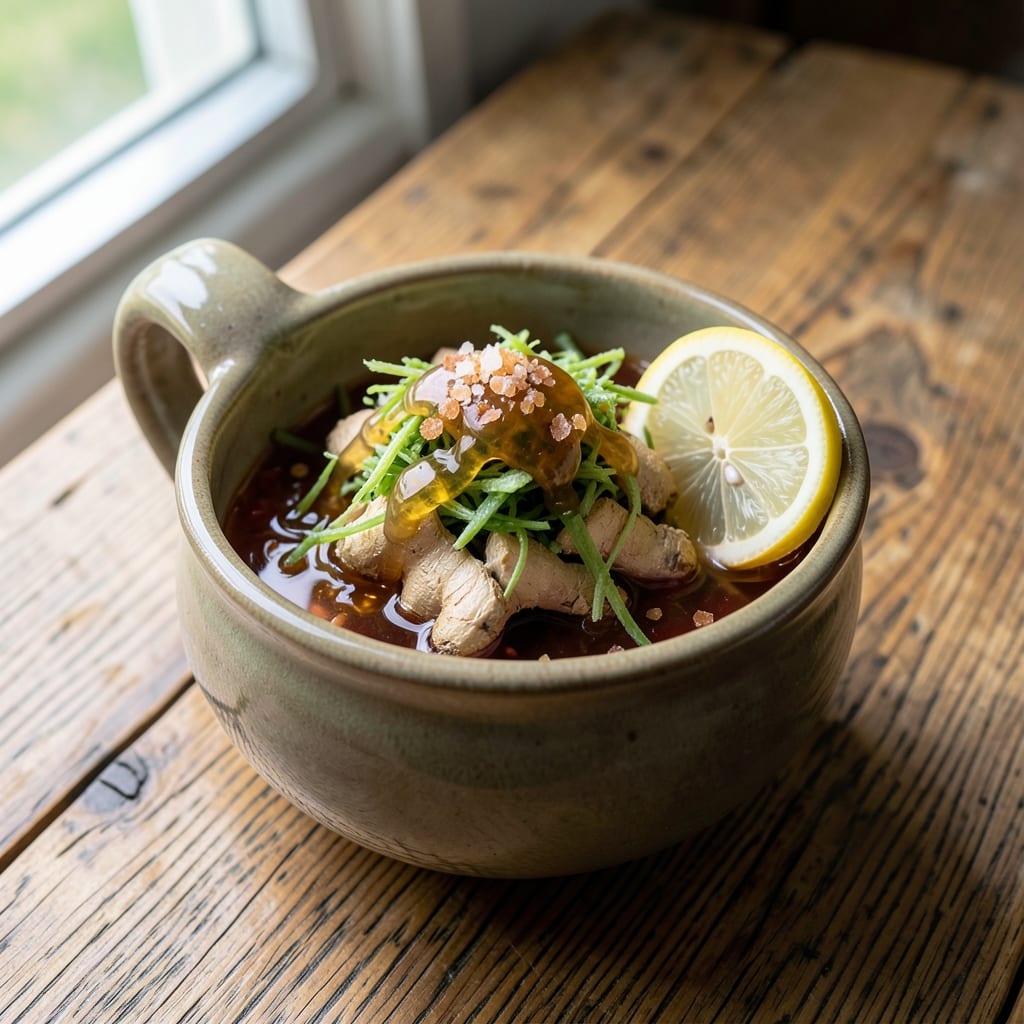
This apple cider vinegar immune booster recipe transforms simple pantry staples into a potent, zesty tonic that supports wellness while tasting refreshingly bold. 💛 The magic lies in balancing tangy apple cider vinegar with honey's natural sweetness and ginger's fiery kick—creating a drink that's both functional and delicious. I developed this after years of experimenting with immune-boosting elixirs, and it's become my go-to for cold season or whenever I need an energy lift.
The beauty of this recipe is its simplicity: just four core ingredients (plus optional add-ins) come together in minutes with no cooking required. Apple cider vinegar provides probiotics and antioxidants, while raw honey adds antibacterial properties and soothes the throat. Fresh ginger delivers anti-inflammatory benefits, and lemon juice brightens the flavor while adding vitamin C. The result is a drink that's as nourishing as it is satisfying.
What you'll end up with is a vibrant, golden-hued tonic that's perfect sipped warm or chilled—ideal for morning routines, post-workout recovery, or as a comforting evening beverage. The ginger's heat mellows slightly when mixed with honey, creating a smooth, slightly spicy profile that's surprisingly addictive. This isn't your grandma's vinegar remedy; it's a sophisticated, health-forward drink that actually tastes good.
Use it as a daily wellness tonic or as a remedy when you first feel a cold coming on. The recipe scales easily, so you can make a small batch for personal use or double it for sharing. Here's how to create this immune-boosting elixir that's as practical as it is powerful.
Ingredients for apple cider vinegar immune booster
Four core ingredients plus optional add-ins transform into a vibrant, golden wellness elixir.
| Ingredient | Amount | Notes |
|---|---|---|
| Organic Apple Cider Vinegar 🍏 | ½ cup | Raw, unfiltered for mother culture |
| Raw Honey 🍯 | ½ cup | Local preferred for floral notes |
| Fresh Ginger Root 🧄 | ¼ cup | Organic, peeled and grated |
| Lemon Juice 🍋 | ¼ cup | Freshly squeezed, no pulp |
| Filtered Water 💧 | 1 cup | Room temperature preferred |
| Turbinado Sugar 🍚 | 2 tbsp | Optional for extra sweetness |
| Cayenne Pepper 🌶️ | ¼ tsp | Adjust for heat preference |
| Ground Cinnamon 🌿 | ½ tsp | Ceylon cinnamon preferred |
| Fresh Turmeric Root 🧡 | 1 tsp | Grated, for anti-inflammatory boost |
| Sea Salt 🧂 | ¼ tsp | Fine grain preferred |
The apple cider vinegar is non-negotiable here—Bragg's or Wholesome! organic brands are my go-tos, but any raw, unfiltered version with the mother culture works. Look for labels that say 'with the mother'—that's where all the probiotics live. Trader Joe's carries a great organic option if you're shopping there. For honey, local is ideal (check farmers markets), but Manuka honey from Costco is a solid backup. The ginger should be fresh—it's the heart of this recipe, delivering that fiery kick that mellows beautifully with the honey. If you're using pre-grated ginger from the jar, rinse it well to remove excess starch.
No fresh ginger? Powdered ginger at half the amount works, but you'll lose some of that bright flavor. Short on honey? Maple syrup or agave nectar are good swaps, though they'll change the flavor profile slightly. The turmeric is optional but worth it—it adds a lovely golden hue and anti-inflammatory benefits. Penzeys sells pre-ground turmeric if you don't want to grate fresh. For the lemon juice, I always use fresh—bottled just doesn't cut it here. If you're making this for a crowd, double the recipe but use a mason jar with a tight seal to preserve freshness. The cayenne is where you can play—start with a pinch if you're sensitive to heat.
This keeps beautifully in the fridge for up to 2 weeks in a sealed glass jar. I like to make a big batch and store it in the door shelf where I'll grab it daily. For longer storage, freeze individual portions in ice cube trays—just add a splash of water when thawing. The flavor actually improves over time as everything melds together. If you're using the turmeric, store the jar away from light to prevent it from losing its vibrant color. And trust me, the first sip after a few days in the fridge is pure magic—smooth, balanced, and still zesty.
Why You'll Love This Recipe
- Five-Ingredient Magic: I swear by this combo—just peel, slice, and mix. No fancy gadgets, no waiting for ingredients to "come to room temp." The ginger’s ready in seconds, the honey drizzles like butter, and the ACV’s tang cuts through everything.
- Zingy Warmth: That first sip? Like a hug for your throat. The honey softens the vinegar’s bite, the lemon brightens it up, and the ginger? Oh, it’s the star—spicy, fresh, and lingering in the best way.
- Morning or Midnight Fix: I keep a jar in the fridge for when I’m dragging. A splash in warm water first thing? Instant pick-me-up. Need a quick remedy before bed? Same thing, but colder. Works for my toddler’s sniffles or my post-workout slump.
- Pennies and Patience: Honestly, this costs less than a fancy tea bag. A bottle of ACV lasts forever, ginger’s cheap, and honey? You’ll use it up before it spoils. Plus, it’s ready in under five minutes—no waiting for the kettle to boil.
Step-by-step instructions for zesty-lemon fire cider
Here's how to craft this vibrant immune-boosting elixir with perfect balance and depth.
👨🍳 Step 1: Grate and Measure the Fresh Roots
Start by peeling the fresh ginger root and fresh turmeric root using a microplane or fine grater. You'll need ¼ cup of finely grated ginger and 1 teaspoon of grated turmeric. The ginger should look like tiny yellow strands, while the turmeric will add a bright orange hue—this is your visual cue that you've grated them properly.
Place both grated roots in a medium saucepan. I like to use a heavy-bottomed pan for even heating. Add the ½ cup raw honey and 2 tablespoons turbinado sugar to the pan. Stir gently to combine—this helps the honey coat the ginger and turmeric, preserving their potent compounds. The mixture will look thick and pasty at this stage, but that's exactly what we want.
🍳 Step 2: Warm the Spiced Honey Mixture
Place the saucepan over low heat and warm the mixture for 5-7 minutes, stirring occasionally. You're not trying to cook this—just gently infuse the flavors. Watch for the mixture to become slightly translucent around the edges, which means the honey is beginning to soften and release its natural enzymes.
After 5 minutes, remove the pan from heat and let it cool for 10 minutes. This cooling step is crucial—it prevents the apple cider vinegar from cooking off its beneficial enzymes when we add it later. While it cools, measure out the ½ cup organic apple cider vinegar and ½ teaspoon ground cinnamon into a separate bowl.
🥘 Step 3: Combine All Ingredients
Once the honey mixture has cooled slightly, return it to the saucepan and add the ½ cup apple cider vinegar and ½ teaspoon cinnamon. Stir well to combine, then add the ¼ cup lemon juice, ¼ teaspoon cayenne pepper, and ¼ teaspoon sea salt. The lemon juice should brighten the mixture instantly, and the cayenne will add a subtle warmth that balances the sweetness.
Pour in 1 cup filtered water and stir again. The mixture should look like a vibrant golden-orange syrup. Taste it now—it'll be intensely sweet and tangy. This is your flavor baseline before we let it steep and develop deeper complexity.
⏰ Step 4: Simmer and Infuse
Return the saucepan to low heat and bring the mixture to a gentle simmer. Let it bubble softly for 10-12 minutes, stirring occasionally to prevent sticking. You're looking for the flavors to meld together—watch as the turmeric deepens in color and the ginger releases its fiery aroma.
After 10 minutes, remove from heat and let it cool completely to room temperature. This cooling period allows the spices to fully infuse without losing their volatile oils to heat. Once cool, transfer the mixture to a clean glass jar. The syrup should have a thick, syrupy consistency with visible flecks of ginger and turmeric suspended throughout.
🧊 Step 5: Chill and Store
Refrigerate the fire cider for at least 2 hours before using. This chilling time is essential—it allows the flavors to fully meld and the spices to settle. After chilling, give it a final taste. The heat from the cayenne should be more pronounced, the honey's sweetness should be balanced by the vinegar's tang, and the turmeric's earthiness should round out the flavors.
Store in an airtight jar in the refrigerator for up to 2 weeks. For best results, shake well before each use. This elixir is perfect for adding to warm water with lemon for a soothing immune-boosting drink, or drizzling over salads and roasted vegetables for a zesty kick.
Pro Tips For Making Apple Cider Vinegar Immune Booster
- GRATE GINGER FINE: A box grater works, but a microplane gives you that ultra-fine, potent ginger flavor without the fibrous texture—just rub the root in one direction for 30 seconds, then wipe off the excess. I used to overdo it and end up with a mouthful of pulp; stick to about 1 teaspoon of fresh ginger per serving, no more.
- STRAIN THE LEMON: Skip the strainer? You’ll end up with a gritty drink. Use a fine-mesh sieve or cheesecloth to remove seeds and pulp from the lemon juice—trust me, you don’t want to swallow that stuff. If you’re lazy, at least press the juice through a clean towel folded into a pouch.
- DILUTE THE VINEGAR: Straight apple cider vinegar is harsh—always mix it with water first (1:1 ratio) before adding honey or ginger. I learned this the hard way after chugging a shot of undiluted ACV and regretting it immediately. Your throat (and stomach) will thank you.
- WARM THE HONEY: Stir the honey into warm—not hot—water first (just enough to liquefy it). Cold honey clumps and makes the drink taste cloying. A quick 10-second dip in warm water (not boiling) does the trick—no microwave mess, just a spoon and a mug.
Pro cooking tips for great apple cider vinegar immune booster
Ginger Grating Mastery
Use a microplane or fine grater for ginger—it creates tiny, even strands that infuse better than chopped pieces. I find the OXO Good Grips microplane works best because it’s easy to control. Grate directly into your saucepan to avoid transferring precious ginger oils. For turmeric, the same tool works, but you only need 1 teaspoon—too much can make the drink bitter. 🧄
Heat Control Secrets
Low heat is your friend here—medium-low or less prevents the honey from burning while still activating its enzymes. I watch for tiny bubbles forming at the edges of the pan as my cue to stir. If you see smoke, you’ve gone too far! The goal is to warm, not cook, the mixture. This gentle approach preserves the probiotics in the apple cider vinegar.
Infusion Timing
The 10-minute simmer is where the magic happens. Stir every 2-3 minutes to prevent sticking and ensure even flavor distribution. After simmering, let it cool completely before adding vinegar—this prevents the ACV’s beneficial bacteria from being killed by residual heat. Patience here makes all the difference in flavor development. ⏰
Flavor Balancing
Taste as you go! The initial mix will be intensely sweet and tangy. The cayenne and cinnamon should add warmth without overpowering. If it’s too sharp, add a pinch more honey. Too sweet? A splash of lemon juice cuts through. I like to adjust the cayenne last—it’s easy to add more heat but hard to take away. Aim for a 70% sweet, 20% tangy, 10% spicy ratio for balance.
Storage Hacks
Use amber glass jars to store your fire cider—they block light and preserve the turmeric’s vibrant color longer. Label with the date! I store mine in the fridge door for easy access, but keep it away from strong-smelling foods. For longer shelf life, freeze in 1-tablespoon portions in ice cube trays. Thaw overnight in the fridge before using—no microwave needed!
Serving Flexibility
This elixir works in three ways: 1) Stir 1 tablespoon into warm water with lemon for a soothing drink, 2) Drizzle over roasted Brussels sprouts or kale salads for a tangy kick, or 3) Mix into homemade salad dressings (start with 2 tablespoons per ½ cup olive oil). The possibilities are endless—let your creativity guide you! ✨
Nutrition facts
Frequently asked questions
Can I make this immune-boosting drink without honey?
Yes, but the flavor will be much sharper and less balanced. Honey not only sweetens but also soothes the throat and adds antibacterial properties. Try substituting with maple syrup or agave nectar at a 1:1 ratio, though the texture and flavor will differ slightly. If you're avoiding sugar entirely, you could use a pinch of stevia, but the taste will be more tart.
How much should I drink daily for immune support?
Start with 1 tablespoon per day, mixed into warm water with lemon. This amount provides beneficial compounds without overpowering your system. For cold prevention, you can increase to 2 tablespoons daily during high-risk seasons. Always dilute it—never consume straight vinegar. Listen to your body; some people notice digestive benefits while others prefer smaller amounts.
What's the best way to use this if I don't like spicy drinks?
Simply reduce or omit the cayenne pepper entirely! The recipe still delivers immune benefits without the heat. For extra warmth without spice, add a pinch of ground cloves or nutmeg instead. The ginger and turmeric will still provide anti-inflammatory benefits, and the honey will maintain the soothing sweetness you prefer.
Can I make this with white vinegar instead of apple cider vinegar?
I don't recommend it for health benefits. Apple cider vinegar contains beneficial enzymes, probiotics, and trace minerals that white vinegar lacks. For this specific recipe, the flavor will also be noticeably different—white vinegar has a sharper, harsher taste. If you must use white vinegar, reduce the amount by 25% to compensate for its stronger acidity, but you'll miss out on the wellness benefits.
How do I know if my fire cider has gone bad?
Check for these signs: an off smell (sour or fermented), mold growth, or a slimy texture. Fresh fire cider should have a bright, slightly tangy aroma with hints of ginger and honey. If it smells like vinegar alone or looks cloudy, it's time to discard it. The 2-week shelf life is your best guide—when in doubt, throw it out. Always store in a clean, airtight glass jar.