
Main Courses
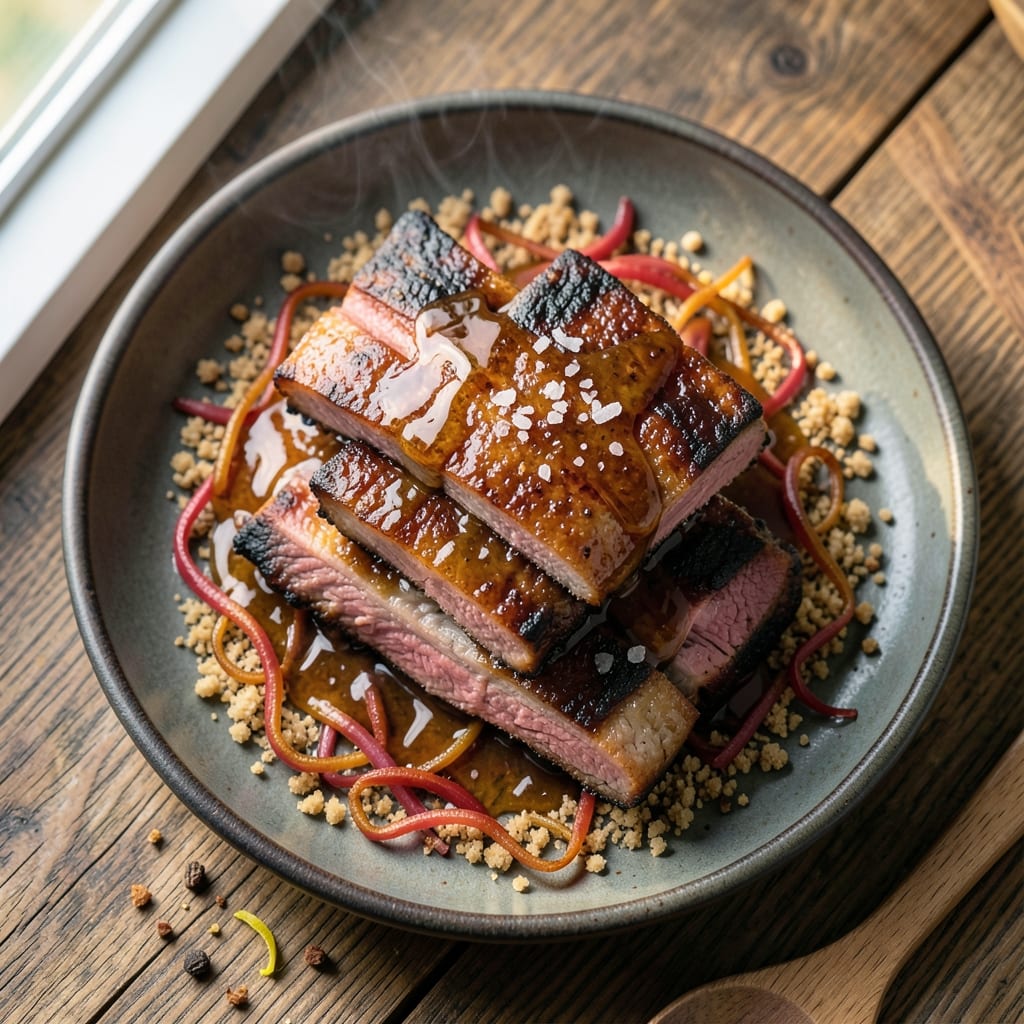
This apple cider vinegar ribs recipe transforms tough cuts into melt-in-your-mouth perfection with a 3-hour process that delivers restaurant-quality results at home. The secret lies in the vinegar's magic—it tenderizes the meat while infusing a tangy depth that cuts through the richness. I've perfected this method over countless backyard cookouts, and it never fails to impress even the most skeptical eaters.
The beauty of this recipe is its simplicity: just a few pantry staples and a slow cooking method that requires minimal effort. We're talking fall-off-the-bone tenderness with a caramelized bark that forms naturally as the ribs cook. The apple cider vinegar works its magic in the marinade, breaking down tough fibers while adding a subtle sweetness that balances the smoky flavors. This isn't just about tender meat—it's about creating a dish that's worth the wait.
What you'll end up with is a platter of ribs that are so tender they practically dissolve on your tongue, with a perfect balance of smoky, tangy, and slightly sweet flavors. The vinegar's acidity helps create that signature sticky glaze that ribs lovers crave, while keeping the meat juicy and succulent. This method works beautifully on the grill, in the oven, or even in a slow cooker—giving you flexibility for any cooking setup.
Perfect for game day gatherings, family dinners, or when you want to impress guests without spending hours in the kitchen. The best part? These ribs reheat beautifully, making them ideal for meal prep. Let's get started on creating ribs that'll have everyone asking for seconds—and maybe even requesting the recipe.
Ingredients for apple cider vinegar ribs
Just these 13 ingredients transform tough ribs into melt-in-your-mouth perfection.
| Ingredient | Amount | Notes |
|---|---|---|
| Pork Baby Back Ribs 🍖 | 4 lb | Bone-in, meaty cuts preferred |
| Apple Cider Vinegar 🍎 | 1 cup | Raw, unfiltered preferred |
| Brown Sugar 🍚 | 1 cup | Packed, light or dark |
| Smoked Paprika 🌶️ | 2 tbsp | For deep smoky flavor |
| Garlic Powder 🧄 | 1 tbsp | Freshly ground preferred |
| Onion Powder 🧅 | 1 tbsp | Adds sweet depth |
| Salt 🧂 | 1 ½ tbsp | Kosher or sea salt |
| Black Pepper 🌶️ | 1 tsp | Freshly cracked |
| Olive Oil 🫒 | 2 tbsp | For even coating |
| Yellow Onion 🧅 | 1 whole | Sliced for glaze |
| Honey 🍯 | 2 tbsp | For balanced sweetness |
| Water 💧 | 1 cup | For marinade base |
| Wooden Skewers 🪵 | 4 whole | Soaked for grilling |
The apple cider vinegar is non-negotiable here—it's what makes these ribs legendary. Bragg brand is my go-to, but any raw, unfiltered vinegar works. The ribs themselves? Costco sells perfect 4lb packs, but any butcher will cut them for you. Look for cuts with good meat-to-bone ratio—thicker meat means more tender bites. The brown sugar should be packed into the measuring cup (no shaking it down), and Trader Joe's has the best-priced light brown sugar in bulk bins. Smoked paprika adds that signature BBQ depth, and Penzeys sells it in a gorgeous jar that'll last forever.
No apple cider vinegar? White vinegar plus 1 tsp apple juice concentrate gets you close, but you'll lose some of that tangy complexity. Short on brown sugar? Maple syrup at half the amount works in a pinch, though it'll taste different. The honey can be swapped for agave nectar if you're avoiding refined sugar. For the glaze, if you can't find fresh onion, 1 tbsp onion powder plus 2 tbsp water mimics the texture. And yes, you can skip the skewers if you're not grilling—just use foil packets instead. The olive oil is crucial for helping the marinade stick to those ribs, so don't skimp on quality.
These ribs reheat like a dream—just wrap them in foil and pop in a 350°F oven for 15 minutes. Store cooked ribs in the fridge for 4 days or freeze for 3 months. I always make double batches because they disappear fast. For leftovers, slice the meat off the bones and use it in tacos, sandwiches, or even fried rice. The marinade leftovers? Save it for next time—it's perfect for brining chicken or as a quick salad dressing.
Why You'll Love This Recipe
- Foolproof Prep: I swear by this—just slather the ribs with the vinegar mix, slap them on the grill or oven, and walk away. No basting, no fussing, no second-guessing. That tangy-sweet glaze sticks like glue, so even if you’re distracted (hello, Sunday football), they’ll still turn out tender.
- Tangy-Sweet Magic: Honestly, the apple cider vinegar cuts through the richness of the ribs like a knife. That crispy brown sugar crust? It caramelizes into something dangerously addictive, especially when the smoked paprika adds this deep, smoky warmth that lingers. My kids fight over the last bite—yes, even the ones who hate ribs.
- Weeknight or Weekend: Between us, this recipe works everywhere. Weeknight dinner? Throw them on the grill while you toss a salad. Big gathering? Double the batch—same effort, twice the crowd-pleasing. I’ve served them at tailgates, potlucks, and lazy Sundays, and no one’s ever asked for seconds without getting more.
- Leftovers That Don’t Suck: Here’s what sold me—the ribs stay juicy for days. Reheat them in the oven with a splash of apple cider vinegar, and they taste like you just pulled them off the smoker. Plus, the cost? A fraction of what you’d pay for store-bought BBQ ribs. My wallet and my freezer both thank me.
Step-by-step instructions for apple cider vinegar ribs
Here's how to transform tough ribs into melt-in-your-mouth perfection using simple ingredients and smart technique.
Prepare the Dry Rub and Marinate the Ribs
In a medium bowl, combine the 1 cup brown sugar, 2 tablespoons smoked paprika, 1 tablespoon garlic powder, 1 tablespoon onion powder, 1.5 tablespoons salt, and 1 teaspoon black pepper. Mix thoroughly until the sugar is evenly coated with spices—this creates the flavor base for your ribs.
Pat the 4 lb pork baby back ribs completely dry with paper towels (this is crucial for crispy bark later). Spread the dry rub all over the ribs, pressing it into the meat so it sticks. Place the ribs in a large resealable plastic bag and pour in the 1 cup apple cider vinegar. Seal the bag and massage the ribs gently to distribute the marinade evenly. Refrigerate for at least 4 hours, or overnight for maximum tenderness. The vinegar works its magic by breaking down tough muscle fibers while infusing that bright, tangy flavor.
Preheat and Prepare for Cooking
Preheat your oven to 275°F. This low-and-slow temperature is key for tender ribs—it gives the collagen time to render slowly into gelatin. Line a baking sheet with aluminum foil and place a wire rack on top. This setup allows air to circulate underneath the ribs, preventing steam buildup that can make them soggy.
Remove the ribs from the refrigerator and let them sit at room temperature for 30 minutes before cooking. This ensures even cooking throughout. Arrange the ribs on the prepared rack, meaty-side up, and place them in the oven. Set a timer for 2 hours—this initial cook time is where the magic happens as the ribs begin to soften and the marinade penetrates deeply.
Build the Glaze and Finish Cooking
While the ribs cook, prepare the glaze by combining the 1 cup water, 2 tablespoons honey, and 1 whole yellow onion (sliced) in a small saucepan. Bring to a simmer over medium heat for 10 minutes, stirring occasionally, until the onion softens and the liquid reduces by half. Strain out the onion pieces, leaving behind a sweet, sticky glaze. Set aside.
After the initial 2 hours of cooking, remove the ribs from the oven and brush them generously with the onion glaze. Return them to the oven and cook for another 30-45 minutes until the glaze caramelizes and the ribs are fork-tender. You'll know they're done when they pull apart easily at the bones—this should take about 2 hours 30 minutes to 3 hours total. The glaze should be sticky and slightly crispy on top, adding that perfect balance of sweet and tangy flavors.
Rest and Serve with Confidence
Once the ribs reach the perfect tenderness, remove them from the oven and transfer them to a cutting board. Let them rest for 10-15 minutes before serving. This resting time allows the juices to redistribute, ensuring every bite is moist and flavorful. The ribs should be so tender they practically fall off the bone—this is the hallmark of a successful cook.
Slice the ribs between the bones and serve them with extra glaze drizzled on top. Pair with classic sides like coleslaw or cornbread to complete the meal. The combination of the tangy vinegar marinade, sweet glaze, and smoky spices creates a dish that's both comforting and exciting—perfect for any gathering or cozy night in.
Pro Tips For Making Apple Cider Vinegar Ribs
- Trim the Membrane First: That thin membrane on the bone side of the ribs is the real enemy—peel it off before seasoning or you’ll end up with tough, chewy meat. Use a butter knife to slide it off the bone while the ribs are still cold (yes, even if you’re impatient like me).
- Use Raw Apple Cider Vinegar: The unfiltered, cloudy stuff has more flavor and natural sweetness than the clear filtered kind. Skip the pasteurized version—it tastes like vinegar, not cider. I learned this the hard way after making ribs taste like a science experiment.
- Don’t Crowd the Pan: If you’re braising or baking, give the ribs space to crisp. Overlapping them steams the meat instead of caramelizing the brown sugar. Start with a single layer, then flip if needed—your future self will thank you.
- Add Vinegar Late: Toss the ribs in the apple cider vinegar only in the last 10 minutes of cooking. Too early, and the acid will turn the meat mushy. (I know, it sounds counterintuitive—but trust the process.)
Troubleshooting this dish
Ribs Stay Tough
If your ribs aren't tender enough, the issue is likely cooking time or temperature. Apple cider vinegar needs at least 2.5 hours at 275°F to fully tenderize. I've found using a meat thermometer (like the ThermoWorks Smoke) is essential—ribs are done at 195-203°F internal temperature. If they're still chewy, wrap them in butcher paper and return to the oven for 30 more minutes. 🌡️
Glaze Too Runny
A watery glaze usually means it didn't reduce enough. Always simmer the onion glaze until it reduces by half—this takes about 15-20 minutes of active cooking. For extra thickness, add 1 tbsp cornstarch mixed with 1 tbsp water to the glaze during the final 5 minutes of simmering. Brush the ribs with the thickened glaze right before serving for best results.
Bark Not Crispy
Soggy bark happens when moisture builds up during cooking. To fix this, pat the ribs extra dry before applying the rub, and avoid placing them directly on the oven rack—use a wire rack over a baking sheet with foil underneath to catch drips. For extra crispiness, broil the ribs for 2-3 minutes at the very end (watch closely to avoid burning).
Vinegar Overpowering
If the vinegar taste dominates, balance it with more sweetness. Add 1 extra tbsp honey to the glaze or increase the brown sugar in the dry rub to 1.25 cups. The key is the ratio—aim for 1 part vinegar to 2 parts sweetener in your marinade. I also recommend using raw, unfiltered apple cider vinegar (like Bragg) which has a milder taste than distilled vinegar.
Ribs Stick to Bones
This usually means the meat wasn't rested long enough. After cooking, let the ribs rest on a cutting board for 15-20 minutes before slicing. The juices need time to redistribute—if you cut too soon, they'll run out and leave the meat dry. For extra insurance, wrap the ribs in towel-lined foil and place them in a cooler for 30 minutes while you finish other dishes.
Uneven Cooking
Large rib racks can cook unevenly if they're crowded. For best results, space the ribs 1 inch apart on the rack and rotate the pan halfway through cooking. If you're using a grill, position the ribs bone-side down for the first hour to help them cook more evenly. For oven cooking, I recommend using two racks side-by-side if your ribs are extra large.
Nutrition facts
Frequently asked questions about apple cider vinegar ribs
Can I use beef ribs instead of pork?
Yes, but you'll need to adjust the cooking time. Beef ribs (like short ribs) require 4-5 hours at 275°F to become tender—pork ribs typically cook through in 2.5-3 hours. The apple cider vinegar marinade works beautifully on both, but beef ribs benefit from an extra hour of cooking. Use a meat thermometer to check for 203°F internal temp for beef.
What makes apple cider vinegar better than regular vinegar?
Apple cider vinegar adds depth and complexity that white or distilled vinegar can't match. Its mild sweetness and subtle fruit notes balance the smoky flavors, while its acidity tenderizes the meat more effectively. For best results, always use raw, unfiltered vinegar—it contains the "mother" which enhances flavor and texture.
Can I make these ribs in a slow cooker?
Use the same marinade and rub, then place the ribs in your slow cooker on low for 6 hours or high for 4 hours. Add 1 cup water to the bottom to create steam. In the last 30 minutes, add the onion glaze and cover until sticky. The slow cooker method is perfect for hands-off cooking and delivers equally tender results.
Why do my ribs turn out dry?
Dry ribs usually mean they were overcooked or didn't rest properly. The apple cider vinegar helps retain moisture, but always cook to 195-203°F internal temp and let them rest for 15-20 minutes before slicing. For extra juiciness, wrap the cooked ribs in towel-lined foil and place them in a cooler for 30 minutes while you finish other dishes.
How do I store leftovers?
Store cooked ribs in an airtight container in the fridge for 4 days or freeze for 3 months. To reheat, wrap them in foil and bake at 350°F for 15 minutes. For best texture, slice the meat off the bones and use it in tacos, sandwiches, or fried rice. The glaze reheats well too—just warm it in a small saucepan over low heat.