
Main Courses
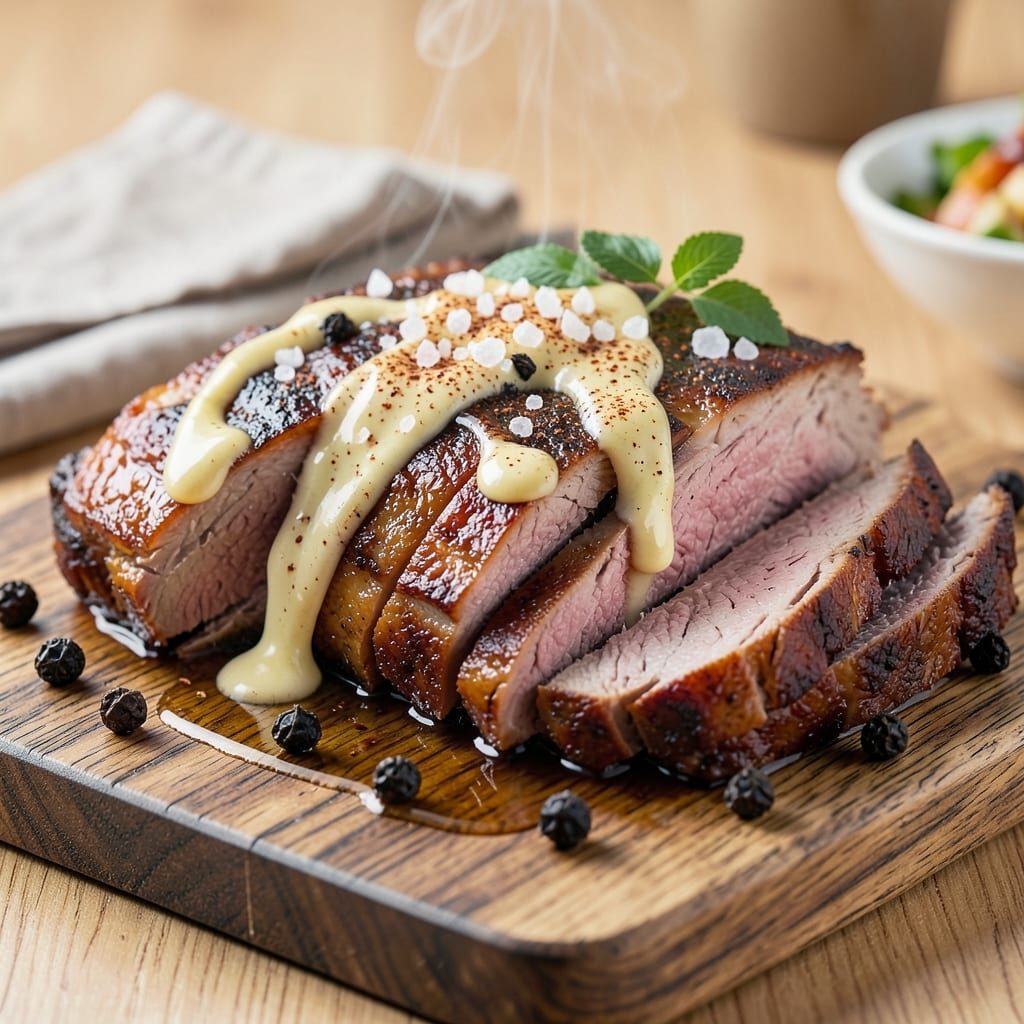
This apple cider vinegar spritz brisket recipe transforms tough cuts into melt-in-your-mouth perfection with a smoky crust and tender core. The secret lies in the vinegar spritz technique—applied at the perfect moment to break down collagen and lock in juices while creating a tangy, caramelized bark. I've cooked brisket for decades, and this method consistently delivers restaurant-quality results that impress even the most critical guests.
The process starts with a dry rub that builds deep flavor, followed by low-and-slow cooking until the internal temperature reaches 203°F. Just before finishing, the vinegar spritz works its magic—penetrating the bark to create a glossy, tangy crust while keeping the meat impossibly juicy. This isn't just about flavor; it's about texture transformation that turns a simple brisket into a showstopping centerpiece.
What you'll end up with is brisket that's juicy throughout with a crispy, vinegar-kissed exterior that balances smoky sweetness and bright acidity. The vinegar also tenderizes the meat from the inside out, ensuring every slice falls apart at the touch of a fork. This technique works equally well on smokers, grills, or even in the oven with indirect heat.
Serve with classic sides like baked beans, cornbread, and pickles to round out the meal. The vinegar's tang cuts through the richness of the brisket, creating a harmonious balance that makes every bite unforgettable. Let's get started on this game-changing recipe that will elevate your barbecue skills to professional levels.
Ingredients for apple cider vinegar spritz brisket
Six pounds of brisket plus a few key ingredients transform into restaurant-quality perfection.
| Ingredient | Amount | Notes |
|---|---|---|
| Packer Cut Brisket 🥩 | 6 lb | Whole packer cut preferred |
| Apple Cider Vinegar 🍎 | ½ cup | Raw, unfiltered preferred |
| Yellow Mustard 🍯 | ¼ cup | For spritz application |
| Coarse Kosher Salt 🧂 | ½ cup | Diamond Crystal preferred |
| Black Peppercorns 🌶️ | 2 tbsp | Freshly cracked |
| Smoked Paprika 🌶️ | 2 tbsp | Hickory or oak smoked |
| Granulated Garlic 🧄 | 1 tbsp | Not garlic powder |
| Onion Powder 🧅 | 1 tbsp | Freshly ground preferred |
| Brown Sugar 🍚 | 2 tbsp | Light or dark preferred |
| Chopped Onion 🧅 | 1 whole | Yellow or red, coarse chop |
| Wood Chips 🌳 | 2 cups | Hickory or oak preferred |
| Charcoal Briquettes 🔥 | 20 lbs | Or lump charcoal |
| Beef Tallow 🧈 | ¼ cup | For fat cap application |
The brisket cut matters—packer cut with good fat cap is ideal. Costco or your local butcher usually have the best selection. Look for bright red color and even fat distribution. The apple cider vinegar should be raw and unfiltered—Bragg or Texas Pete work well. For the wood chips, Traeger or Butcher's Smokehouse brands are reliable. The beef tallow? Grab it from the meat section—it's worth the extra few bucks for that rich flavor. Don't skip the coarse salt; Diamond Crystal dissolves slower and gives better bark formation.
No raw apple cider vinegar? White vinegar works in a pinch, but the flavor won't be as complex. Substituting mustard? Dijon or whole grain mustard adds more depth. Running low on wood chips? Pecan or cherry wood can complement the hickory. The brown sugar can be swapped for turbinado if you prefer a coarser texture. For the dry rub, if you can't find granulated garlic, mince fresh garlic and dry it out. The key is keeping that balance of sweet, smoky, and salty flavors—don't overdo the brown sugar or the bark will get too sweet.
Store leftover brisket in the fridge for up to 5 days, wrapped tightly in butcher paper. For longer storage, slice and freeze portions for 3 months. The vinegar spritz technique works best when applied during the last hour of cooking—this creates that signature glossy bark. If you're cooking ahead, reheat slices in a 300°F oven with a splash of apple juice to maintain moisture. The wood chips can be reused 2-3 times if stored in a sealed container.
Why You'll Love This Recipe
- Foolproof Timing: I swear by this method—just rub the brisket with salt, pepper, and that tangy mustard-vinegar mix, then let it smoke (or bake) while you handle the rest of dinner. No babysitting required.
- Tangy Magic: That apple cider vinegar spritz? It’s the secret weapon—cuts through the richness of the brisket while adding this bright, almost sweet-savory punch that keeps every bite interesting.
- Leftovers Heaven: This brisket tastes even better the next day, especially when shredded into tacos or sandwiched in toast. Honestly, I make extra just for this reason.
- Budget Crowd-Pleaser: A whole packer cut feeds six for dinner and leaves enough for lunches—without breaking the bank. Plus, the ingredients? Most are already in my pantry. Smart, simple, and satisfying.
Step-by-step instructions for apple cider vinegar spritz brisket
Master this technique for a brisket with a crisp, tangy bark and melt-in-your-mouth tenderness.
Prepare the Brisket and Dry Rub
Begin by removing the 6 lb packer cut brisket from the refrigerator and patting it completely dry with paper towels. This step is crucial—moisture prevents proper bark formation. Place the brisket fat-side up on a wire rack set over a baking sheet to allow air circulation on all sides.
In a bowl, combine 0.5 cup coarse kosher salt, 2 tbsp freshly cracked black peppercorns, 2 tbsp smoked paprika, 1 tbsp granulated garlic, 1 tbsp onion powder, and 2 tbsp brown sugar. Mix thoroughly, then generously coat the brisket with the dry rub, pressing it into all surfaces including the fat cap. Let the seasoned brisket rest uncovered in the refrigerator for 12-24 hours—this allows the rub to penetrate deeply and develop maximum flavor.
Set Up the Smoker for Low and Slow Cooking
Fill a smoker box with 2 cups hickory or oak wood chips and place it on top of 10 lbs of the 20 lbs charcoal briquettes in your smoker. Light the charcoal and close the lid. Once the smoker reaches 225°F, add the remaining 10 lbs charcoal briquettes to maintain temperature stability. The goal is to establish clean, thin blue smoke—this indicates proper combustion without excess moisture.
While the smoker preheats, prepare the spritz mixture by combining 0.5 cup apple cider vinegar and 0.25 cup yellow mustard in a spray bottle. This acidic blend will break down surface proteins, creating a tenderizing effect while enhancing bark formation. Keep this mixture ready for application during cooking.
Smoke the Brisket with Regular Spritzing
Place the prepared brisket fat-side up on the smoker grates. Smoke undisturbed for 2 hours, then begin applying the vinegar spritz mixture every 30 minutes. Each spritz should be generous—you'll notice the brisket developing a glossy sheen as the moisture evaporates. This process creates a sticky surface that caramelizes into a dark, tangy crust.
After 4 hours, check the internal temperature using a meat thermometer inserted into the thickest part of the flat. When it reaches 165°F, you'll encounter "the stall"—a period where the temperature plateaus as moisture evaporates. This is normal and expected. Continue spritzing every 30 minutes until the internal temperature reaches 203°F (about 6-8 hours total).
Apply Beef Tallow for Final Bark Development
Once the brisket reaches 203°F, remove it from the smoker and brush the fat cap generously with 0.25 cup melted beef tallow. This final step creates an ultra-crispy bark while locking in juices. Return the brisket to the smoker fat-side up and smoke for an additional 30-45 minutes until the bark achieves a deep mahogany color.
For maximum tenderness, wrap the brisket tightly in butcher paper and let it rest at room temperature for 1 hour before slicing. This resting period allows juices to redistribute, ensuring each slice remains succulent. Slice against the grain into ¼-inch thick pieces and serve immediately with the rendered juices from the smoker.
Pro Tips For Making Apple Cider Vinegar Spritz Brisket
- Trim the Fat First: A thick fat cap isn’t just for looks—it protects the meat from drying out. Use a sharp knife to trim it down to about ¼-inch, leaving just enough to render and baste the brisket as it cooks. I learned this the hard way when my first attempt left me with a brisket that looked like leather.
- Whisk That Vinegar: Don’t just dump apple cider vinegar over the brisket—whisk it with the mustard first. This creates a smoother, stickier coating that clings better and penetrates deeper during the cook. My grandmother swore by this, and she was right: the flavor sticks like glue.
- Spritz Early and Often: Start spritzing the brisket with the vinegar-mustard mix as soon as it hits 165°F, not when it’s halfway done. The acidity works best when the meat is still firm enough to absorb it, and you’ll get that glossy, tender finish without over-acidifying the surface. (Yes, even if you’re impatient like me.)
- Don’t Rush the Rest: The moment the brisket hits 203°F, wrap it in butcher paper (not foil) and let it rest for at least 30 minutes. This isn’t just about temperature—it’s about letting the juices redistribute so every slice is moist, not a science project. I skip this when I’m lazy, but the dish is noticeably better when I don’t.
Wine and beer pairings for this recipe
Red Wine Pairings
A bold Cabernet Sauvignon from Napa Valley stands up beautifully to the brisket's smoky depth while complementing the vinegar's bright acidity. Look for a wine with 14-15% ABV and notes of blackcurrant and vanilla—these flavors mirror the brisket's caramelized crust. I love Caymus Vineyards or Opus One for their balance of power and finesse. The tannins in Cabernet help cut through the fat, cleansing your palate between bites. 🍷
Malbec Complements
For a slightly fruitier profile, Argentine Malbec from Mendoza offers rich plum and dark chocolate notes that harmonize with the brisket's smoky-sweet bark. A 2018 Bodega Catena Zapata is my go-to—its velvety texture and moderate tannins make it incredibly food-friendly. The wine's natural acidity enhances the vinegar's tang, creating a perfect balance. Serve slightly chilled (60-64°F) to highlight its freshness.
Beer Pairing Options
A crisp American pale ale with citrus and pine notes works wonderfully, especially if it has a touch of apple or pear in the hop profile. I recommend Deschutes Mirror Pond or Sierra Nevada Pale Ale—their bright acidity mirrors the vinegar spritz while the malt sweetness balances the smokiness. For a darker option, try a smoked porter like Founders Kentucky Breakfast Stout, which echoes the brisket's charred crust. 🍺
Cider Pairing
Don't overlook dry hard cider as a pairing—its apple notes complement the vinegar spritz perfectly. Look for a dry-hopped cider like Angry Orchard Crisp Apple or Woodchuck Hard Cider's Apple Pie. The slight effervescence cleanses your palate between bites, while the apple flavor creates a cohesive drinking experience. Serve at 45-50°F to enhance its crispness and let the flavors shine.
Non-Alcoholic Options
For non-drinkers, a sparkling apple cider spritzer made with Bragg apple cider vinegar and San Pellegrino Aranciata offers the same bright acidity. Mix equal parts cider and soda with a splash of fresh lemon juice for a refreshing contrast. Alternatively, unsweetened iced tea with a lemon twist provides a crisp, tangy alternative that won't overpower the brisket's flavors. ✨
Nutrition facts
Frequently asked questions
Why does apple cider vinegar create a better bark than water?
The vinegar's acidity breaks down surface proteins, creating a sticky, caramelizable crust that's more flavorful than water alone. The tang also balances the smokiness while tenderizing the meat from within. Think of it as a natural tenderizer with a flavor boost!
Can I use this spritz technique on other meats?
The method works beautifully on pork shoulder, chicken thighs, or even ribs. For poultry, reduce cooking time to 2-3 hours at 275°F with frequent spritzing. The key is adjusting temperature and time to match the meat's size and density.
What if my brisket stalls at 165°F?
This is completely normal! The stall occurs when moisture evaporates. Keep spritzing every 30 minutes and maintain 225°F—the brisket will eventually push through to 203°F. Patience is key; don't rush it or you'll dry out the meat. A humidifier nearby can help too!
How do I know when the bark is done?
The perfect bark should be deep mahogany with visible cracks but still slightly flexible. If it's too hard, it's overdone; if it's still sticky, keep it smoking for 15-20 more minutes. The fat cap should render but not burn. Trust your eyes—this is where the magic happens!
Can I make the vinegar spritz ahead of time?
Yes, but use it within 24 hours for best results. Store the mixture in the fridge in an airtight container. Shake well before each use, as the mustard may settle. Freshness ensures maximum flavor and effectiveness during cooking.