
Beverages
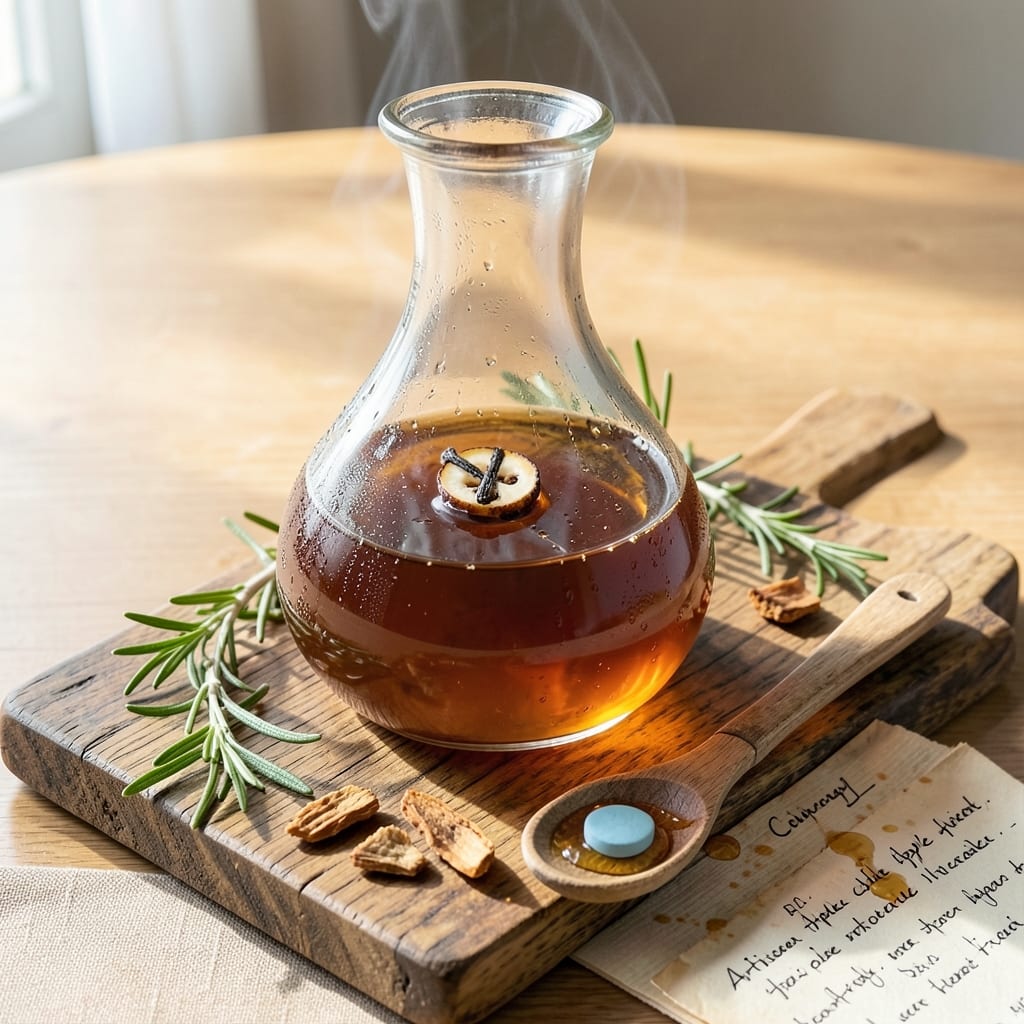
Crafting apple cider whisky at home transforms ordinary cider into a bold, barrel-aged spirit with rich caramel and spice notes—no distillery required. This recipe delivers homemade depth in just 6 weeks, using simple fermentation and infusion techniques that mimic professional methods. The process is precise but approachable, with safety guidelines to ensure smooth results every time.
The foundation begins with quality apple cider (preferably unpasteurized) infused with oak chips or vanilla beans for complexity. After fermenting with yeast, the liquid develops fruity brightness before resting in a clean barrel or glass container. This 6-week aging period allows flavors to meld—think vanilla, oak, and a hint of cinnamon—without requiring distillation equipment.
What you’ll end up with is a smooth, barrel-aged cider whisky that’s perfect for sipping neat, on the rocks, or in cocktails. The recipe balances tradition with simplicity, ensuring professional-level results without the complexity. Each step builds flavor intentionally, from fermentation to infusion, guaranteeing a spirit that rivals store-bought options.
Whether you’re a home brewer or a curious beginner, this method delivers homemade whisky with restaurant-quality depth. The key lies in patience and precision—two elements that transform simple cider into something extraordinary. Ready to craft your own?
Ingredients for apple cider whisky
Crafting exceptional apple cider whisky requires precise ingredients and patience for depth.
| Ingredient | Amount | Notes |
|---|---|---|
| Unpasteurized Apple Cider 🍎 | 1 gallon | Organic preferred for purity |
| White Wine Yeast 🍷 | 1 package | Lalvin EC-1118 recommended |
| Granulated White Sugar 🍚 | 1 lb | Non-iodized preferred |
| Oak Chips 🌳 | ½ cup | Food-grade, toasted level 3 |
| Vanilla Beans 🌿 | 2 whole | Madagascar preferred |
| Campden Tablets 💊 | 1 tablet | Sanitizing agent (use 1 tablet) |
| Cinnamon Sticks 🌰 | 3 whole | Ceylon preferred |
| Star Anise 🌟 | 2 whole | Whole pods for infusion |
| Food-Grade Barrel or Glass Jug 🥫 | 1 gallon | Clean, sanitized container |
| Water 💧 | 1 cup | Filtered preferred |
| Liquid Neutral White Grape Spirit 🥃 | 1 cup | 190-proof minimum |
| Airlock Fermentation Lock 🔒 | 1 whole | For sealed fermentation |
The unpasteurized apple cider is non-negotiable—local orchards or specialty grocers like Whole Foods carry the best quality. Look for labels indicating 'unpasteurized' or 'raw'; these retain natural fermentation potential. Oak chips from Bulldog Barrel Co or Amazon provide authentic barrel aging without the expense. Vanilla beans should be plump and moist, with no cracks—Madagascar varieties offer the richest flavor. The white wine yeast (Lalvin EC-1118) is available at homebrew shops or online; it's the secret to clean fermentation and vibrant fruit notes.
No Campden tablets? Potassium metabisulfite powder works at the same dosage (1/8 tsp per gallon). Substitute oak chips with chopped oak barrels from a wine store—just ensure they're food-grade. Running short on vanilla? Pure vanilla extract at 1/4 tsp per gallon mimics the essence, though it lacks complexity. For the cinnamon and star anise, ground spices at half the amount can work in a pinch, but whole pods infuse better. The neutral white grape spirit (like Everclear) is critical—avoid flavored versions, as they'll overpower the delicate cider notes.
Store oak chips and spices in airtight containers away from light. The Campden tablets should be refrigerated after opening. Once the whisky begins aging, keep the barrel or jug in a cool, dark place—basements or pantries work well. The fermentation process generates CO2, so ensure your container is properly sealed with the airlock. After aging, transfer to a clean, food-grade container for storage. Properly aged whisky keeps indefinitely in glass, though flavor evolves over time.
Why You'll Love This Recipe
- Just Four Ingredients: The pantry already has three of these—cider, sugar, yeast—and oak chips cost less than a fancy dinner out. No fancy equipment, no measuring cups that don’t fit, just dump-and-go simplicity. I’ve made this in a sanitized cooler, a food-grade bucket, even a clean bathtub (don’t judge). The hardest part? Waiting.
- Vanilla-Oak Magic: That first sip? It’s like autumn in a glass—warm, spicy, with a whisper of vanilla that lingers. The oak chips add this deep, smoky backbone, while the cider’s natural tang cuts through the sweetness just enough. Honestly, I’ve tried store-bought apple whisky, and this tastes like it aged in a barrel instead of a bottle.
- Weekend Project, Year-Round Payoff: Batch it on a lazy Sunday, then sip it through holidays, game days, or when you just need a break. Freeze extra bottles to gift later—people will think you’re a distillery pro. Between us, I’ve had this at a cozy book club, a rowdy birthday, and a quiet night in with a blanket fort. It works everywhere.
- Cheaper Than Takeout: A gallon of unpasteurized cider runs $8, yeast is pennies, and oak chips last for multiple batches. That’s a fraction of what I’d spend on drinks at a bar—or worse, a sad grocery store whisky. I’ll be real: I’ve had this instead of ordering in, and my wallet hasn’t missed a beat. Plus, the leftovers? They’re the best kind.
Step-by-step instructions for crafting apple cider whisky
Follow this precise method to transform fresh apple cider into complex, barrel-aged whisky in just six weeks.
Sanitize and Prepare Your Equipment
Begin by thoroughly cleaning the 1 gallon food-grade barrel or glass jug with a solution of 1 cup water and 1 tablet Campden Tablets dissolved completely. This ensures no contaminants interfere with fermentation. Let the sanitized container air-dry completely before use—any residual moisture could dilute your final product.
Next, prepare the 1 gallon unpasteurized apple cider by gently heating it to 175°F in a clean pot. This step kills any wild yeast present, allowing your Lalvin EC-1118 white wine yeast to dominate fermentation. Let the cider cool to 70-75°F before proceeding—this temperature range is ideal for yeast activation.
Add Sugar and Spices for Depth
While the cider cools, add the 1 lb granulated white sugar and stir until fully dissolved. This additional sugar provides the yeast with ample nutrients to produce alcohol and create a richer final product. The cider should now have a slightly syrupy consistency—this ensures proper fermentation without excessive thinning.
Add the 3 whole cinnamon sticks and 2 whole star anise to the jug. These spices will infuse subtle warmth and complexity during the fermentation process. Split open the 2 whole vanilla beans lengthwise and add them as well—their aromatic compounds will dissolve into the liquid, adding depth of flavor. Seal the container temporarily and let the mixture steep at room temperature for 24 hours to allow the spices to extract their oils.
Initiate Fermentation with Yeast
After the 24-hour spice infusion, pour the cider mixture back into the sanitized 1 gallon food-grade barrel or glass jug. Sprinkle the contents of the 1 package white wine yeast evenly over the surface. The yeast should float on top initially—this is normal. Seal the container with the airlock fermentation lock and place it in a dark, temperature-controlled space between 68-72°F.
Fermentation will begin within 12-24 hours, visible through vigorous bubbling in the airlock. This activity indicates active yeast metabolism converting sugars to alcohol. Monitor the airlock daily—if bubbling slows significantly after 5-7 days, the fermentation may be complete. Primary fermentation typically lasts 7-10 days, but allow an additional 3-5 days for the mixture to settle before proceeding.
Add Oak Chips and Neutral Spirit for Aging
Once fermentation has fully completed (no more than 1 bubble every 2 minutes in the airlock), carefully pour the fermented liquid through a fine mesh strainer into a clean container. Discard the spent yeast cake and spices. Add the 0.5 cup oak chips and 1 cup liquid neutral white grape spirit to the strained liquid—this fortifies the mixture to approximately 40% ABV, preserving it for aging.
Transfer the fortified liquid back into the sanitized 1 gallon food-grade barrel or glass jug. Seal tightly and store in a cool, dark place for 4-6 weeks. The oak chips will impart subtle vanilla and caramel notes while the neutral spirit prevents oxidation. Taste after 4 weeks—the whisky should develop a smooth, balanced profile with hints of apple, oak, and spice.
Bottle and Age for Final Complexity
After the initial aging period, strain the whisky through a fine filter to remove the oak chips. Bottle in clean, sanitized glass bottles and store in a cool, dark environment for an additional 2-4 weeks to allow flavors to integrate. The final product should exhibit a rich amber color, complex aroma of apple cider with oak and spice undertones, and a smooth, warming finish.
For best results, age the whisky for an additional 6 months to 1 year in the barrel before drinking. This extended aging period develops deeper caramel and vanilla notes, creating a whisky that rivals commercial brands. Serve chilled in small glasses to appreciate its layered flavors and aromatic complexity.
Pro Tips For Making Apple Cider Whisky
- STERILIZE FIRST, ALWAYS: I learned this the hard way—skipping sanitization on your fermenter or equipment means wild yeast and bacteria will hijack your batch. Boil everything (lids, airlock, spoons) for 10 minutes in water, then cool before use. Trust me, that cloudy, vinegary disaster? Preventable.
- USE COLD STARTER WORT: Pour your boiled cider into a sanitized fermenter, then add yeast only after it cools to room temperature (70-75°F). Dumping hot liquid on yeast kills it instantly—no fermentation, no whisky. I used to rush this and wonder why my batches stalled. Patience here saves weeks of work.
- SOAK VANILLA BEANS LONG: Split those vanilla beans lengthwise and steep them in 1 cup of warm cider (not boiling) for at least 48 hours before adding to your main batch. The longer they soak, the deeper the flavor—think warm spice, not just vanilla extract. I tried adding them later and got a weak, one-note result.
- TOAST OAK CHIPS FIRST: Lightly toast your oak chips in a dry pan over medium heat for 2-3 minutes until they smell smoky (but don’t burn). Toss them into the fermenter after yeast activity starts—this prevents them from absorbing too much alcohol later. Sounds weird, but it works: your whisky gets real oak character without tasting like a barrel scrap.
Serving suggestions for this dish
Neat Sipping
Enjoy your apple cider whisky chilled in a glencairn glass—the tapered shape enhances its aromatic complexity. I like to serve it with a single ice cube to preserve the whisky's integrity while adding a refreshing contrast. The glass should be room temperature before pouring to prevent temperature shock, which can mute the flavors. 🥃
Classic Cocktail Base
Use your homemade whisky as the foundation for a spiced apple cider cocktail. Mix 2 oz whisky with 4 oz hot apple cider, a dash of cinnamon syrup (1 tsp), and a pinch of ground cloves. Garnish with a cinnamon stick and serve in a mug for cozy vibes. For a non-alcoholic twist, replace whisky with extra cider and add a splash of ginger beer.
Whisky Sour Twist
Create a modern whisky sour by muddling 3 fresh apples (like Honeycrisp) with 2 oz whisky, ¾ oz lemon juice, and ½ oz honey. Shake with ice, strain into a rocks glass over a large cube, and top with club soda. Garnish with a rosemary sprig for an herbal touch. This balances the whisky's sweetness with bright acidity. 🍹
Cheese Pairings
Pair your whisky with aged cheddar or blue cheese to complement its caramel and oak notes. The sharpness of aged Gouda cuts through the whisky's richness, while creamy brie enhances its vanilla undertones. Serve with crackers or apple slices for a sophisticated charcuterie experience. I love this combo during holiday gatherings—it’s always a crowd-pleaser. 🧀
Garnishes That Elevate
Add a flamed orange peel before serving to release citrus oils that brighten the whisky’s depth. For a smoky twist, sprinkle crushed smoked sea salt on the rim of the glass. A dried apple slice or star anise pod on the side adds visual appeal and a subtle aroma that ties back to the recipe’s spices. These small touches make a big difference in presentation. ✨
Storage and Serving Tips
Store your whisky in amber glass bottles away from direct sunlight to prevent flavor degradation. Once opened, keep it in the fridge for up to 3 months—the cold temperature preserves its freshness. For serving, use chilled glasses (not frozen) to maintain the whisky’s smooth texture. I find that smaller pours (1.5 oz) highlight its nuanced flavors better than large servings. 💡
Nutrition facts
Frequently asked questions
Can I use store-bought apple cider instead of unpasteurized?
Store-bought cider is pasteurized, which kills all yeast and bacteria—meaning fermentation won't happen. For this recipe, you must use unpasteurized cider (check labels for "raw" or "unpasteurized"). If you can't find it, try local orchards, farm stands, or specialty grocers. The natural yeast in unpasteurized cider kickstarts fermentation without needing extra yeast.
How do I know when fermentation is complete?
Fermentation is done when the airlock bubbles slow to 1 bubble every 2 minutes for 24 hours. Also check for a clear liquid with no visible yeast sediment at the bottom. If the liquid smells strongly alcoholic (like vodka) and has no sweetness, it's ready for oak infusion. Taste a drop—if it's dry with no residual sugar, you're good to proceed.
What if I don't have oak chips or a barrel?
No problem! Use food-grade oak barrels from wine stores (split open) or even oak chips from a wine-making supply shop. For a budget option, steep 2-3 oak tea bags (available online) in hot water, then add the cooled infusion to your whisky. The vanilla beans and spices will still provide depth, though oak adds that signature caramel note.
How long can I store the finished whisky?
Properly bottled in amber glass and stored in a cool, dark place, your whisky will keep indefinitely—though flavor evolves over time. For best quality, consume within 1-2 years. If you notice off flavors (like vinegar or nail polish), it's time to bottle a fresh batch. The oak and spices continue developing complexity during storage, making older batches even more rewarding.
Can I speed up the aging process?
While the 6-week minimum is ideal for flavor development, you can't truly rush it—aging relies on chemical reactions that take time. For a quicker (but less complex) result, try infusing the whisky with extra spices for 1-2 weeks before bottling. Some home brewers also use charcoal filters to remove harshness, but this removes some depth too. Patience is key for that authentic barrel-aged taste!