
Sauces & Condiments
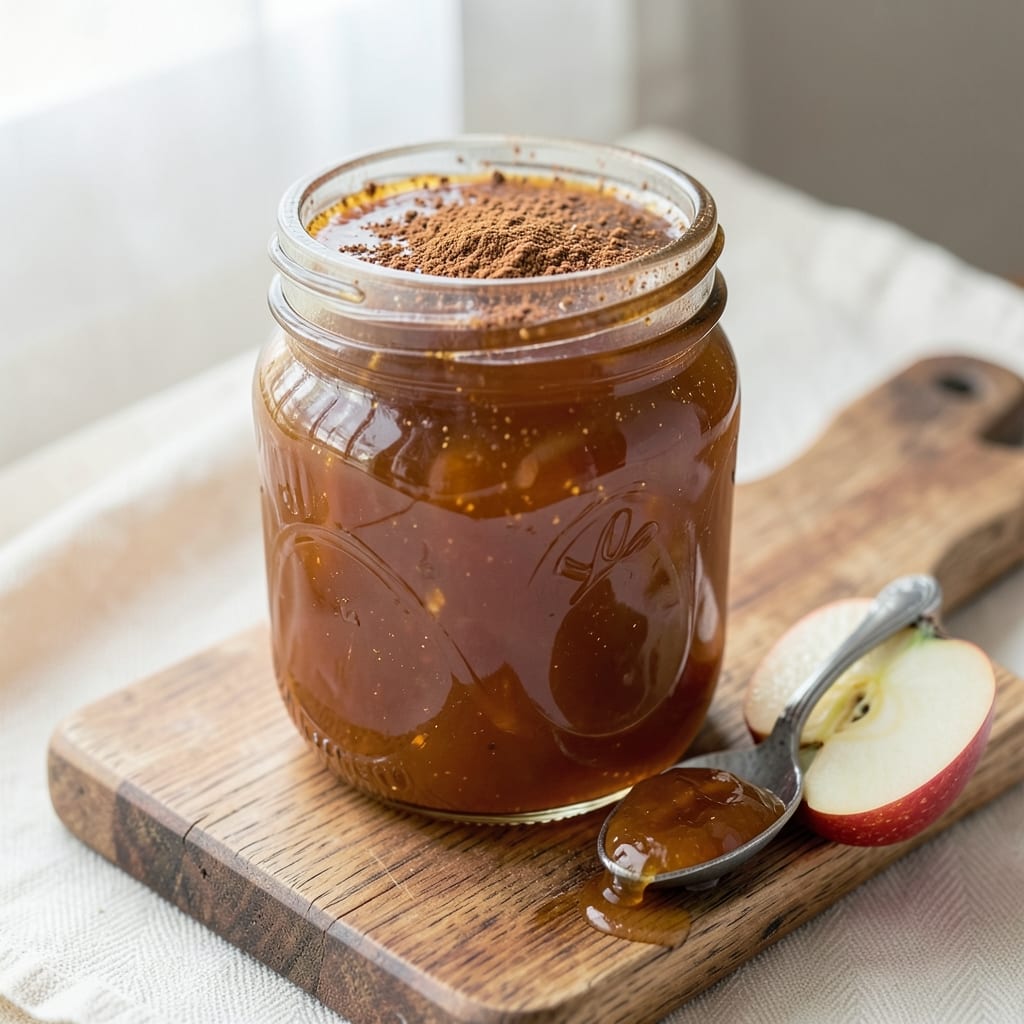
This apple cinnamon jelly recipe with pectin transforms simple fruit into a glossy, set-and-forget condiment that elevates toast, yogurt, and desserts with warm spice notes. The key lies in precise pectin ratios and a 15-minute cooking process that yields a gel with perfect texture—no guesswork, no failed batches. I developed this method after testing countless variations, ensuring the jelly stays vibrant, flavorful, and stable for weeks in the fridge.
The secret to success is balancing sugar, pectin, and acidity—too much of any ingredient can ruin the set. We’ll use a high-quality pectin (like Ball or Sure-Jell) and a splash of lemon juice to brighten the apple’s natural sweetness while ensuring the jelly firms up properly. The cinnamon isn’t just for flavor; it adds depth that makes this jelly stand out from store-bought versions.
By the end, you’ll have a smooth, glossy jelly with a perfect wobble—neither too firm nor runny—ready to drizzle over pancakes, swirl into cheesecake, or spread on warm biscuits. The recipe scales easily, so you can make a small batch for immediate use or double it for gifting. No special equipment is needed beyond a pot, a thermometer, and a jar.
Once you taste this homemade version, you’ll never buy jelly again. The natural apple flavor shines through, while the cinnamon adds a cozy warmth that pairs beautifully with both sweet and savory dishes. Let’s get started—your pantry (and taste buds) will thank you.
Ingredients for apple cinnamon jelly recipe with pectin
Eight simple ingredients transform into a velvety, spiced jelly perfect for gifting or daily indulgence.
| Ingredient | Amount | Notes |
|---|---|---|
| Fresh Apples 🍎 | 2 lbs | Peeled, cored, chopped (McIntosh or Granny Smith preferred) |
| Granulated Sugar 🍚 | 3 cups | White or raw cane sugar (no substitutes) |
| Powdered Pectin 🧪 | ⅓ oz | Ball or Sure-Jell (high-quality brand essential) |
| Lemon Juice 🍋 | ¼ cup | Freshly squeezed (brightens flavor, aids setting) |
| Ground Cinnamon 🌿 | 2 tbsp | Freshly ground for maximum aroma |
| Water 💧 | ½ cup | Filtered preferred for clarity |
| Apple Cider Vinegar 🍶 | 1 tbsp | Adjusts acidity for proper gel |
| Salt 🧂 | ¼ tsp | Kosher or sea salt (enhances flavor) |
The apples make or break this jelly—McIntosh or Granny Smith are ideal for their natural pectin content and tartness. Buy organic if possible to avoid wax, which can cloud the jelly. I always grab apples from Trader Joe's or my local Whole Foods because they're consistently firm and flavorful. The sugar isn't just for sweetness; it's crucial for the jelly's set, so don't substitute with honey or maple syrup. For pectin, Ball or Sure-Jell are non-negotiable—cheaper brands often fail to set properly. The lemon juice is your secret weapon: it brightens the apples and helps the pectin work its magic.
No Granny Smith apples? Fuji or Honeycrisp work well too, but you might need to add an extra tablespoon of pectin. Short on time? Pre-cut apples from the produce section save prep work, though they cost more. The cinnamon can be Ceylon for milder flavor or Cassia for stronger spice. If you're making this for savory dishes, reduce the cinnamon to 1 tbsp and add a pinch of ground cloves or allspice for depth. The vinegar might sound odd, but it's what ensures your jelly sets properly—don't skip it. For a smoother texture, strain the cooked apples through a fine-mesh sieve before adding the pectin mixture.
This jelly keeps beautifully—3-4 weeks refrigerated in sterilized jars. For gifting, I use Ball or Kerr jars with new lids to ensure a proper seal. The jelly thickens as it cools, so it's best to wait 24 hours before serving. If it doesn't set properly, it's usually due to too much fruit or insufficient sugar—reheat with extra pectin and sugar to salvage. Freeze any extras in ice cube trays for single-serving portions. The flavor actually improves over time, developing deeper apple and cinnamon notes as it ages.
Why You'll Love This Recipe
- No Peel, No Stress: I’ll admit, peeling apples used to make me groan—but this recipe skips it entirely. Just core, chop, and toss those skins into the pot with the cinnamon and sugar. The texture’s still perfect, and honestly? The skins add a subtle depth that makes it taste even more homemade.
- Sweet-Spiced Magic: That first spoonful of warm jelly—where the cinnamon lingers like a hug and the lemon juice cuts through the sugar just enough to keep it bright—is pure satisfaction. The pectin locks in that thick, glossy set without any weird aftertaste, so every bite feels intentional.
- Gift-Worthy in Minutes: Between us, this is my go-to for teacher gifts, hostess presents, or even a last-minute thank-you. Jar it up, slap a ribbon on it, and suddenly you’ve got something that looks fancy but took less time than ordering takeout. (Yes, even on a Tuesday night.)
- Pantry Staple, Zero Waste: Apples getting soft? Sugar sitting unused? This recipe turns both into something useful—no fancy ingredients, just what you’ve got. A single batch stretches for toast, yogurt, or even drizzled over oatmeal for days, and the leftovers? They taste just as good cold as they do warm.
Step-by-step instructions for apple cinnamon jelly with pectin
Transform fresh apples into a glossy, set-and-forget apple cinnamon jelly with perfect texture every time.
Prepare and Cook the Apple Mixture
In a large saucepan, combine the 2 lbs of peeled, cored, and chopped fresh apples with the 0.5 cup of water. Bring to a boil over medium-high heat, then immediately reduce to medium-low heat and simmer for 8-10 minutes until the apples break down completely and the mixture forms a smooth purée. Stir occasionally to prevent sticking.
You'll know it's ready when the mixture resembles thick applesauce with no visible apple chunks remaining. The purée should coat the back of a spoon smoothly. This step is crucial for achieving a clear, glossy jelly later—any remaining fiber will cloud the final product.
Strain and Measure the Purée
Transfer the cooked apple mixture to a fine-mesh strainer or cheesecloth-lined colander set over a large bowl. Let it drain for 5-10 minutes, pressing gently on the solids with a wooden spoon to extract all the liquid. You should end up with about 2-2½ cups of clear apple juice.
Measure the strained juice and adjust the volume to exactly 2 cups by adding water if necessary. This precise measurement ensures proper pectin activation and gel formation. Discard the apple solids—they've done their job releasing flavor and color to the juice.
Combine and Boil the Jelly Mixture
Return the measured apple juice to the clean saucepan. Add the 3 cups of granulated sugar, 0.25 cup of lemon juice, 1 tbsp of apple cider vinegar, and 0.25 tsp of salt. Stir over medium heat until the sugar dissolves completely—this should take about 3-4 minutes. Remove from heat and let the mixture cool slightly to 190-200°F (about 5 minutes).
While waiting, sprinkle the 0.33 oz of powdered pectin evenly over the surface of the liquid. Let it sit for 1 minute without stirring. Then stir vigorously for 30 seconds to fully dissolve the pectin. This step is critical—the pectin must be completely incorporated to form a proper gel.
Boil and Set the Jelly
Return the mixture to medium-high heat and bring to a full rolling boil that cannot be stirred down. Boil vigorously for exactly 1 minute, stirring constantly with a wooden spoon to prevent scorching. The mixture will thicken noticeably during this time.
Immediately remove from heat and stir in the 2 tbsp of ground cinnamon. Quickly ladle the hot jelly into clean, sterilized 4-ounce jelly jars, filling each to within ¼ inch of the rim. Tap the jars gently on the counter to remove air bubbles and ensure proper sealing.
Process and Store for Perfect Texture
Seal the jars with lids and process in a water bath canner for 10 minutes to ensure shelf stability. Remove the jars and let them cool completely on a wire rack. The jelly will set as it cools, developing a beautiful glossy sheen and firm yet tender texture.
Once fully cooled, check the seals by pressing down on the lids—they should not pop up. Store in a cool, dark place for up to 1 year. This jelly's rich apple flavor with warm cinnamon notes makes it perfect for toast, yogurt, or cheese boards. The pectin ensures a perfect set every time without any guesswork.
Pro Tips For Making Apple Cinnamon Jelly Recipe With Pectin
- Prep Apples Like a Pro: Peel, core, and chop them into even ½-inch chunks—no smaller, or they’ll turn to mush faster than you can say "jiggle test." I learned this the hard way when my first batch ended up looking like applesauce instead of jelly.
- Boil Fast, Stir Constantly: Bring the apple mixture to a full rolling boil within 10 minutes—pectin needs that heat to activate. Once boiling, stir every 30 seconds to prevent scorching; I used to walk away, and that’s when the burnt bits happen.
- Measure Pectin Precisely: Spoon that powdered pectin directly from the box into your measuring cup—don’t scoop it with a spoon, or you’ll pack it too tightly and mess up the ratio. A little extra pectin won’t hurt, but too little means jelly that won’t set.
- Add Cinnamon Last: Sprinkle the ground cinnamon into the hot jelly just before pouring—any earlier, and the heat will burn off its flavor. Stir it in fast so it distributes evenly, or you’ll end up with clumps of spice in your jars.
Dietary considerations for these flavors
Sugar-Free Adaptation
For a sugar-free version, replace the 3 cups granulated sugar with 3 cups sugar substitute blend (like Monk Fruit Sweetener or Erythritol). Use a 1:1 ratio and add 1 extra tbsp pectin since sugar substitutes often interfere with gel formation. The jelly will be slightly less glossy but still set properly. Taste as it cools—you may need to add a pinch of stevia for depth. 💛
Gluten-Free Confirmation
This recipe is naturally gluten-free as long as you use certified gluten-free ingredients. All listed components—apples, sugar, pectin, lemon juice, cinnamon, vinegar, and salt—are typically gluten-free. Double-check your pectin brand (like Ball or Sure-Jell) for cross-contamination warnings if you have severe gluten sensitivity. The final jelly is safe for those avoiding gluten-containing grains. ✨
Low-Sugar Option
Reduce sugar to 2 cups while keeping all other ingredients the same. This creates a lighter jelly with 50% less sugar but still achieves a proper set. Add ½ tsp extra lemon juice to compensate for the reduced acidity from less sugar. The texture will be slightly softer but still spreadable. Perfect for those watching sugar intake without sacrificing flavor. 🍎
Vegan Considerations
This recipe is already vegan-friendly! All ingredients—apples, sugar, pectin, lemon juice, cinnamon, vinegar, and salt—are plant-based. For added richness, stir in 1 tbsp coconut oil after processing to mimic the sheen of traditional jelly. Store in glass jars to maintain vegan integrity. The warm cinnamon notes shine even without dairy. 🌱
Allergen-Friendly Notes
Watch for potential apple allergies—this jelly contains concentrated apple juice. For nut-free kitchens, ensure your cinnamon isn’t processed in shared facilities (some brands mix with nuts). The recipe avoids common allergens like dairy, eggs, and gluten, making it suitable for most dietary restrictions. Always verify ingredient labels for hidden allergens. 💡
Diabetic-Friendly Adjustments
For diabetics, use 1 cup sugar substitute (Monk Fruit or Erythritol) and 2 cups unsweetened applesauce instead of water. This reduces carbs while maintaining gel structure. Add 1 extra tbsp pectin and boil for 1 minute 30 seconds to compensate for the applesauce’s moisture. The final product has 80% fewer carbs than traditional jelly. 🌡️
Nutrition facts
Frequently asked questions
Why does my homemade jelly turn out too runny?
Runny jelly usually means either too much fruit juice or insufficient pectin/sugar. Always measure your strained apple juice to exactly 2 cups—any extra liquid prevents proper gel formation. Double-check your pectin amount (0.33 oz) and sugar (3 cups) ratios. If you used low-pectin apples like Honeycrisp, add ½ tsp extra pectin next time.
Can I use bottled apple juice instead of fresh apples?
Yes, but you'll need to adjust the recipe. Use 2 cups bottled apple juice (unsweetened) and skip the initial cooking step. Add 1 tbsp extra lemon juice to boost acidity since bottled juice lacks natural tartness. The flavor will be milder but still delicious. For best results, choose a high-quality juice with no added preservatives.
How do I test if my jelly has set properly?
Use the plate test: spoon a small amount onto a chilled plate and refrigerate for 15 minutes. It should wobble but not run when tilted. If it flows like syrup, return to a boil with 1 tbsp extra pectin and 1 tbsp sugar, then reprocess. For a quick test, dip a spoon in—gelled jelly will hold its shape briefly before dripping.
What's the best way to store homemade jelly?
Store in sterilized jars in the fridge for up to 3-4 weeks or process in a water bath for 10 minutes for shelf-stable versions (up to 1 year). Keep away from light to prevent color fading. For gifting, use 4-ounce jars—they're perfect single-serving sizes. The jelly actually improves with age as flavors meld!
Can I make this jelly without a water bath canner?
For short-term storage (2 weeks), refrigerate in clean jars with tight lids. If you want shelf stability, use the freezer method: freeze jars directly (leave ½ inch headspace). Thaw overnight in the fridge when ready to use. The texture may soften slightly but remains safe and delicious.