
Desserts
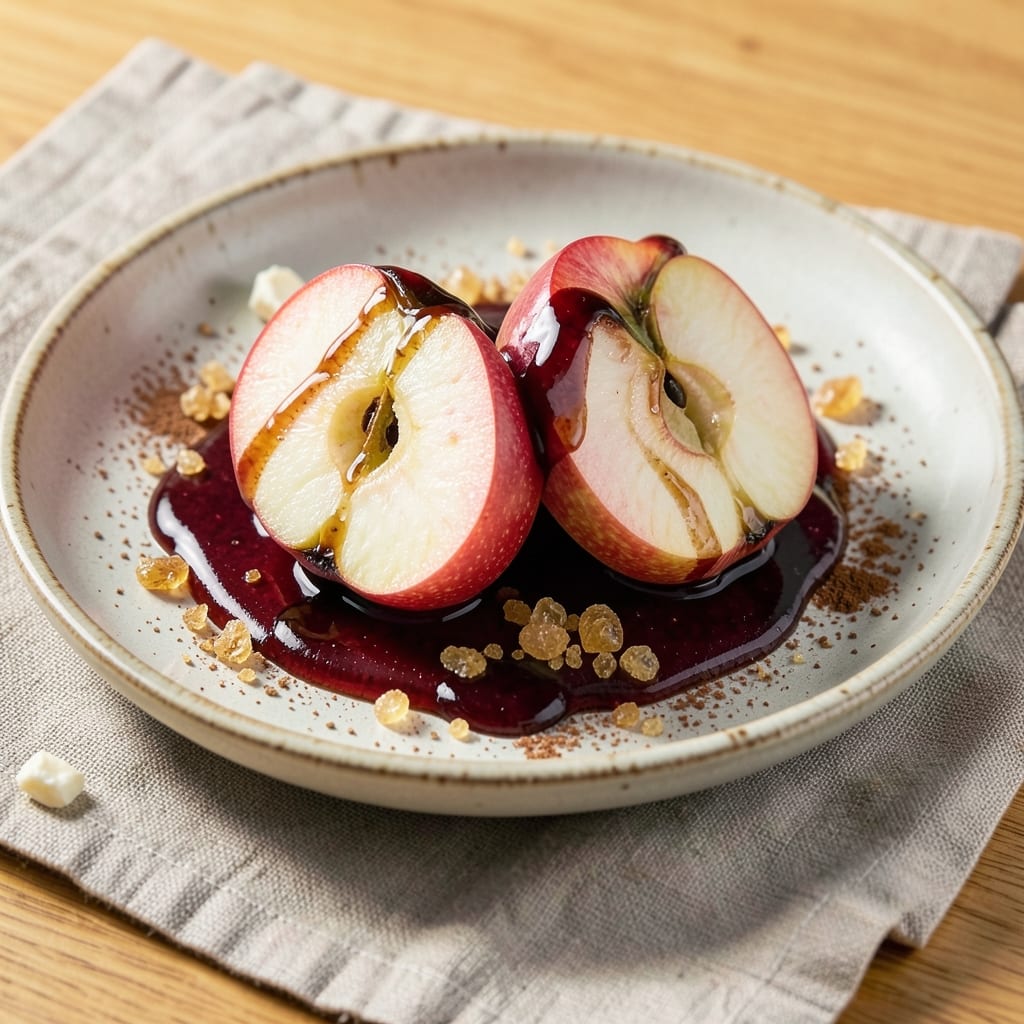
This apple balsamic glaze recipe transforms simple ingredients into a velvety-sweet sauce with a bright tangy finish—perfect for elevating everything from pork chops to cheese boards. The secret lies in simmering apples, balsamic vinegar, and sugar until they reduce into a glossy, caramelized syrup that clings beautifully to any dish. I developed this glaze after years of experimenting with fruit reductions, and it’s become a staple in my kitchen for adding depth and richness without overpowering flavors.
What makes this recipe special is its versatility and simplicity. With just five core ingredients—apples, balsamic vinegar, sugar, butter, and a pinch of cinnamon—you’ll create a sauce that’s richer than store-bought versions but requires minimal effort. The process involves a 15-minute simmer, during which the apples soften and the liquid reduces into a thick, syrupy consistency. The result? A glaze that’s sweet enough to satisfy a dessert craving but balanced with enough acidity to cut through rich meats.
The glaze’s caramelized edges and glossy sheen come from careful reduction, which concentrates the flavors into every spoonful. It’s the kind of sauce that turns an ordinary meal into something restaurant-worthy—think crispy roasted pork drizzled with this glaze, or a simple salad given an unexpected gourmet touch. The cinnamon adds warmth, while the balsamic vinegar ensures it’s never cloyingly sweet.
Once you’ve mastered the glaze, the possibilities are endless. Use it to glaze roasted chicken, drizzle over fresh fruit, or even swirl it into yogurt for a breakfast upgrade. The best part? It keeps well in the fridge for up to two weeks, so you can make a big batch and use it throughout the week. Let’s get started on creating this versatile, crowd-pleasing sauce.
Ingredients for apple balsamic glaze
Five simple ingredients transform into a restaurant-worthy glaze that adds depth to any dish.
| Ingredient | Amount | Notes |
|---|---|---|
| Honeycrisp Apples 🍎 | 2 medium | Peeled, cored, chopped into chunks |
| Balsamic Vinegar 🍷 | ½ cup | Aged, high-quality preferred |
| Granulated Sugar 🍚 | ½ cup | Light or dark brown for depth |
| Unsalted Butter 🧈 | 2 tbsp | Cold, cubed for easy stirring |
| Ground Cinnamon 🌿 | ½ tsp | Freshly ground for warmth |
| Lemon Juice 🍋 | 1 tbsp | Freshly squeezed, for brightness |
| Sea Salt 🧂 | ¼ tsp | Diamond Crystal preferred |
The apples are the heart of this glaze—Honeycrisp or Fuji work best for their balance of sweetness and tartness. If you can't find them, Gala or Braeburn are solid backups. The balsamic vinegar should be aged at least 12 years for deeper flavor, but Trader Joe's or Whole Foods carry good options if you're not sure. Sugar is where you can play—brown sugar adds caramel notes, while white keeps it clean. I always grab the Domino brand for consistency, but any granulated will do. The butter? Cold cubes stir in better than melted, so keep it chilled until the very end.
No balsamic vinegar? Apple cider vinegar plus 1 tsp maple syrup mimics the tang. Swapping sugar? Maple syrup or agave works at a 1:1 ratio, but the texture might be slightly thinner. The cinnamon is non-negotiable for warmth—Ceylon cinnamon is my go-to, but regular works too. If you're making this ahead, add the lemon juice last to preserve brightness. For a richer glaze, add 1 tbsp apple cider to the simmering mix. And if you're feeling fancy, a pinch of vanilla bean (½ tsp extract) adds complexity without overpowering.
This glaze thickens as it cools, so stir occasionally while simmering to prevent sticking. Store in a glass jar in the fridge for up to 2 weeks—the flavors actually improve over time. For easy reheating, transfer to a small saucepan with 1 tbsp water and warm gently. Freezes beautifully for 3 months—just thaw in the fridge overnight. I always make double batches because it disappears faster than you'd think, especially when drizzled over roasted pork or brie boards.
Why You'll Love This Recipe
- Foolproof Simplicity: I swear by this recipe—just slice the apples, toss them in a pan, and let the heat do the work. No peeling, no fancy techniques, just 15 minutes of hands-off magic while you stir in that rich balsamic and butter.
- Sweet-Tart Magic: That balance of Honeycrisp’s crisp bite and balsamic’s deep tang? Chef’s kiss. A pinch of cinnamon ties it all together—like a hug for your taste buds, but better because it pairs with everything.
- Weeknight Superstar: Drizzle it over grilled chicken, toss it with roasted pork, or spoon it onto pancakes—this glaze is my go-to when I’m too tired to think. Honestly, I’ve even used it as a salad dressing (don’t judge).
- Make-Ahead Treasure: Double the batch and store it in the fridge for up to a week—perfect for when you’re prepping meals or need a quick flavor boost. The flavors only get richer over time, and it’s cheaper than buying fancy sauces. Win-win.
Step-by-step instructions for apple balsamic glaze
Here's how to create this perfect balance of caramelized apples and tangy balsamic—simple steps for big flavor.
Caramelize the Apples
In a medium saucepan, combine the chopped 2 medium Honeycrisp Apples with the 0.5 cup Granulated Sugar and 1 tbsp Lemon Juice. Stir gently to coat the apple pieces evenly. Place the saucepan over medium heat and let the mixture cook undisturbed for 5-7 minutes—this allows the sugar to begin melting and the apples to soften slightly.
Here's the thing—you want to see the sugar dissolve and start forming a light syrup around the apples, but don't stir constantly. Occasional gentle stirs prevent burning while promoting even caramelization. The apples should release their juices and begin to soften, but they shouldn't break down completely yet.
Add Butter and Cinnamon
Once the apples are softened and the sugar has mostly dissolved (you'll see a glossy sheen forming), reduce the heat to low and stir in the 2 tbsp Unsalted Butter and 0.5 tsp Ground Cinnamon. The butter will melt quickly, creating a rich, velvety base for your glaze. Keep stirring gently to combine everything smoothly.
This is where the warmth develops. The cinnamon will bloom beautifully, adding depth to the sweetness. If the mixture starts to stick, add 1-2 tablespoons of water to loosen it—just enough to create a pourable consistency while maintaining thickness. The goal is a glossy, syrupy texture that coats the back of a spoon.
Incorporate the Balsamic Vinegar
Pour in the 0.5 cup Balsamic Vinegar all at once and increase the heat to medium. Bring the mixture to a gentle simmer, then reduce the heat to low again. Let it cook uncovered for 10-12 minutes, stirring occasionally. You're looking for the liquid to reduce by about half, creating a thick, glossy glaze.
Watch for the color transformation—it should deepen from a light amber to a rich, caramel hue. The balsamic will mellow out as it reduces, losing its sharp acidity and developing complex, almost wine-like notes. If the glaze starts to darken too quickly, reduce the heat slightly to prevent over-browning.
Finish with Salt and Adjust Consistency
Once the glaze has thickened to your desired consistency (it should coat the back of a spoon but still be pourable), remove the pan from heat. Stir in the 0.25 tsp Sea Salt and let the mixture sit for 2-3 minutes—this allows the flavors to meld completely. Taste and adjust the balance: if it needs more sweetness, add a pinch more sugar; if it's too sharp, add a splash more balsamic.
For a smoother texture, strain the glaze through a fine-mesh sieve to remove any apple chunks. If you prefer a rustic look, leave the chunks in for texture. Either way, let the glaze cool slightly before using—this helps it thicken further and develop its full flavor profile. Store any leftovers in an airtight container in the refrigerator for up to 2 weeks.
Pro Tips For Making Apple Balsamic Glaze
- USE LOW HEAT FOR REDUCTION: I learned this the hard way—boiling balsamic vinegar hard turns it bitter. Simmer it gently at 150°F (65°C) or lower, stirring every 2-3 minutes. You’ll end up with a glossy, rich glaze instead of a burnt syrup.
- PEEL AND GRATE APPLES FIRST: Skip chopping raw apples—they oxidize and turn brown before you even start. Peel, core, and grate them into a bowl of cold water (to stop browning), then drain and pat dry before cooking. The texture stays smooth, and the glaze won’t look like mud.
- STOP WHEN IT’S THICK: The glaze will keep thickening as it cools. Pull it off heat when it coats the back of a spoon like syrup, not when it’s jammy. If you overcook it, add a splash of warm water or apple juice to loosen—just enough to drizzle, not dilute.
- SWAP BUTTER FOR CHEESE: No butter? Use 1 tablespoon softened cream cheese or mascarpone instead. It blends in seamlessly, adds a velvety finish, and cuts through the acidity of the balsamic. (I was skeptical until I tried it—now I keep it on hand for lazy days.)
Perfect pairings for these flavors
Sweet & Savory Dishes
This glaze transforms roasted pork tenderloin into a showstopper—drizzle it over the meat in the last 5 minutes of roasting at 400°F. The caramelized apples and balsamic create a sticky, flavorful crust that pairs perfectly with apple cider mashed potatoes. For a vegetarian option, brush it on grilled halloumi cheese or portobello mushrooms before serving. 🍖
Cheese Boards
Elevate any cheese board by drizzling this glaze over brie, gouda, or aged cheddar—the sweetness complements creamy textures while the tang cuts through richness. I love pairing it with walnuts, dried apricots, and honey for a balanced mix of flavors. For a festive touch, add cranberries to the board alongside the glaze. The contrast of textures makes every bite exciting!
Salads & Bowls
Add depth to spinach salads or grain bowls by drizzling this glaze over roasted beets, butternut squash, or warm quinoa. Toss it with arugula, pomegranate seeds, and crumbled feta for a restaurant-worthy salad. The glaze’s tangy-sweet balance enhances earthy flavors beautifully. For extra richness, top with toasted pecans or crumbled bacon.
Breakfast Upgrades
Start your day with a drizzle of this glaze over French toast or pancakes—the cinnamon and apple flavors make it taste like dessert. Swirl it into Greek yogurt with granola for a breakfast bowl that feels indulgent. Even avocado toast gets a gourmet upgrade with this glaze. Keep a small jar in your fridge for quick morning inspiration!
Dessert Finishes
Use this glaze to drizzle over vanilla ice cream, warm apple crisp, or cheesecake slices for a sophisticated finish. The tangy-sweet balance cuts through the richness of desserts beautifully. For a showstopper, drizzle it over baked pears or sautéed strawberries before serving. It’s a crowd-pleaser that feels fancy but takes minutes to prepare. 🍰
Nutrition facts
Frequently asked questions
Can I substitute regular vinegar for balsamic vinegar?
While you can use apple cider vinegar as a substitute, it won't provide the same depth of flavor. For every ½ cup of balsamic vinegar called for, use ½ cup apple cider vinegar plus 1 teaspoon maple syrup to mimic the sweetness and complexity. The glaze will still work, but the tang won't be as rich or mellow.
Why did my glaze turn out too thick or too thin?
If your glaze is too thick, stir in 1 teaspoon water at a time while reheating gently. For a thinner consistency, add 1 tablespoon water or apple juice and simmer for 2-3 minutes to reduce again. The key is reducing the liquid by about half—aim for a consistency that coats the back of a spoon but remains pourable. Stirring occasionally while simmering helps maintain the right balance.
How do I store and reheat leftover glaze?
Transfer the cooled glaze to an airtight glass jar and store it in the fridge for up to 2 weeks. To reheat, transfer 1-2 tablespoons to a small saucepan with 1 tablespoon water and warm over low heat for 1-2 minutes, stirring until smooth. Avoid microwaving—it can make the glaze grainy. For longer storage, freeze in ice cube trays and thaw as needed.
Can I make this glaze without apples?
Yes! For a fruit-free version, replace the apples with ½ cup apple juice or unsweetened applesauce. Simmer with the sugar and lemon juice as directed, then proceed with the butter, balsamic, and cinnamon. The texture will be smoother, but you'll lose the rustic apple chunks. If you want extra depth, add ½ teaspoon vanilla extract or a pinch of cardamom for warmth.
Is this glaze vegan-friendly?
Almost! Simply replace the 2 tablespoons unsalted butter with 2 tablespoons vegan butter or coconut oil. The flavor will still be rich and glossy, though coconut oil adds a slight tropical note. For a dairy-free finish, ensure your sugar is vegan-certified (like organic cane sugar). The rest of the ingredients are naturally vegan.