
Beverages
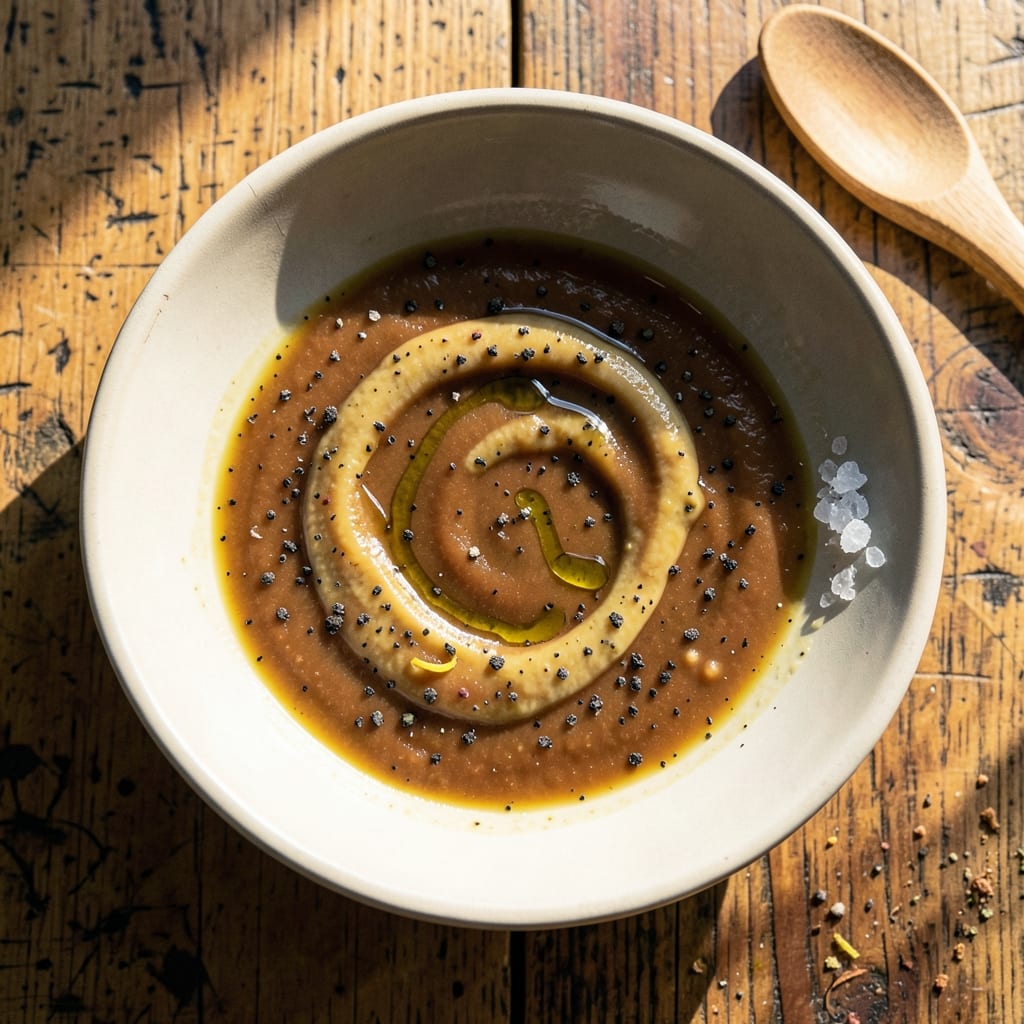
This apple cider Dijon vinaigrette recipe transforms simple salads into flavor-packed masterpieces with just five ingredients and 5 minutes of work. The perfect balance of sweet apple cider, tangy Dijon mustard, and sharp vinegar creates a dressing that elevates greens, roasted vegetables, and even grilled proteins without overpowering them. I developed this recipe after years of searching for a vinaigrette that could bridge the gap between sweet and savory—this one does it effortlessly.
The magic lies in the ratio: equal parts apple cider and red wine vinegar create the ideal acidity, while Dijon mustard adds depth and emulsifies the oil for a silky texture. Olive oil provides richness, but you can swap in avocado oil for a lighter option. What makes this vinaigrette truly special is its versatility—it works as a salad dressing, a drizzle for roasted Brussels sprouts, or even a marinade for chicken. The apple cider’s subtle sweetness pairs beautifully with earthy flavors like mushrooms and squash.
By the time you pour this dressing over your favorite greens, you’ll notice the difference immediately: bright, balanced, and complex without being overbearing. The Dijon mustard ensures it clings to leaves and vegetables, while the apple cider adds a touch of warmth that rounds out the sharpness. This recipe yields about 1 cup, perfect for 4-6 servings, and keeps well in the refrigerator for up to 1 week—though it rarely lasts that long.
For those who prefer a sweeter or tangier profile, adjust the apple cider to vinegar ratio (try 3:1 for more sweetness or 1:1 for extra tang). You can also thin it with a splash of water if needed. Whether you're prepping a week’s worth of lunches or adding the perfect finish to a dinner salad, this vinaigrette is a game-changer that belongs in every cook’s repertoire.
Ingredients for apple cider dijon vinaigrette
Five ingredients, one perfect dressing that turns salads into flavor bombs.
| Ingredient | Amount | Notes |
|---|---|---|
| Apple Cider 🍎 | ½ cup | Unsweetened, preferably fresh |
| Red Wine Vinegar 🍷 | ½ cup | Dry variety preferred |
| Dijon Mustard 🌶️ | 2 tbsp | High-quality, smooth Dijon |
| Extra-Virgin Olive Oil 🫒 | ¾ cup | Fruity, peppery preferred |
| Salt 🧂 | ½ tsp | Fine sea salt preferred |
| Black Pepper 🌶️ | ¼ tsp | Freshly ground |
| Honey 🍯 | 1 tsp | Optional, for extra sweetness |
The apple cider is the secret weapon here—Bragg or Mott's are my go-tos, but any unsweetened variety works. Red wine vinegar should be bold and dry (skip the sweet balsamic kind). For Dijon mustard, Maille or Amoy are worth the splurge—they emulsify better than the cheap stuff. Olive oil matters too: California Extra Virgin or Colavita add that fruity punch. Pro tip: If your vinegar smells like vinegar (not wine), it's past its prime—grab a fresh bottle. The honey is optional but takes this from good to chef's kiss—just skip it if you want a sharper tang.
No apple cider? White grape juice works in a pinch, though it's sweeter. Vinegar too sharp? Swap red wine vinegar for balsamic vinegar at half the amount (but reduce the sweetener if using). Mustard too strong? Yellow mustard at double the amount gives a milder kick. Olive oil hater? Avocado oil is a lighter swap. Need it thicker? Add another 1/2 tbsp Dijon. Thinner? A splash of water or more vinegar does the trick. The salt and pepper are non-negotiable—they wake up all the flavors. And yes, you can make this with maple syrup instead of honey if you're avoiding it.
This keeps for 1 week in the fridge, sealed tight in a jar. Shake before using—it separates a little. For extra flavor, let it sit overnight before dressing your salad. Double the batch and store in small jars for lunches all week. Freezing isn't recommended (the texture changes), but you can keep it in the fridge for up to 2 weeks if you're really in love with it. Trust me, you will be.
Why You'll Love This Recipe
- Five-Ingredient Magic: I swear by this combo—just apple cider, vinegar, Dijon, olive oil, and salt. That’s it. No measuring cups, no fancy tools, just a jar and a whisk. Honestly, I’ve made it in my kitchen while chatting with my neighbor through the open window.
- Sweet-Tangy Balance: The apple cider brings this bright, autumnal sweetness while the Dijon mustard cuts through with that deep, punchy bite. It’s the kind of dressing that makes you pause mid-bite—like a little flavor hug for your salad or roasted veggies.
- Meal Prep MVP: This stuff keeps for weeks in the fridge, and it’s my go-to for quick lunches. Drizzle it over prepped greens, toss it with cold pasta, or even use it as a marinade. Between us, I’ve had it last through three workweeks without losing its edge.
- Budget Brightener: You’re not spending a fortune here—apple cider’s cheap, vinegar’s a pantry staple, and Dijon lasts forever. For under $5, I’ve turned basic salads into something that feels like a fancy bistro dish. (Yes, even on a Tuesday night.)
Step-by-step instructions for apple cider Dijon vinaigrette
This tangy-sweet dressing comes together in minutes with just a few simple steps.
Whisk Together the Acidic Base
In a medium bowl, combine the 0.5 cup apple cider and 0.5 cup red wine vinegar. I like to use a whisk for this step because it helps emulsify the ingredients right from the start. The apple cider adds a subtle sweetness that balances the sharpness of the vinegar perfectly.
If you're using freshly pressed apple cider, you might notice tiny bits of sediment at the bottom of the bottle. That's totally normal—just pour carefully to avoid getting those particles in your dressing. The combination of these two liquids should smell vibrant and slightly fruity, with a hint of acidity that's the foundation of your vinaigrette.
Add Mustard and Seasonings
Next, stir in the 2 tablespoons Dijon mustard using a wooden spoon or fork. The mustard helps to thicken the dressing slightly and adds depth of flavor. I always use a high-quality Dijon because it has a smoother texture that won't make the dressing grainy.
Add the 0.5 teaspoon salt and 0.25 teaspoon black pepper now while everything is still liquid. The salt should dissolve completely, and you'll want the pepper to be freshly ground for the best flavor. Give everything a good stir until the salt is fully incorporated and the mixture looks smooth and consistent.
Sweeten and Emulsify
Drizzle in the 1 teaspoon honey while whisking continuously. This is where the magic happens—the honey not only adds sweetness but also helps to create that perfect balance between tangy and sweet that makes this dressing so special. The mixture should start to look slightly thicker as you whisk.
If you're making this for a salad that might sit for a while, you can add an extra ½ teaspoon honey to help preserve the freshness. The honey also helps to prevent the dressing from separating later. Keep whisking until everything is completely combined and smooth.
Slowly Incorporate the Olive Oil
This is the most critical step—adding the 0.75 cup extra-virgin olive oil slowly while whisking vigorously. I like to pour it in a thin stream from about 6 inches above the bowl, whisking constantly to create an emulsion. This prevents the oil from separating and ensures a silky, creamy texture.
If you whisk too quickly or pour the oil too fast, you'll end up with a dressing that separates. Be patient and keep whisking for at least 30 seconds after adding all the oil to make sure everything is fully incorporated. The final dressing should look glossy and smooth, with no visible separation between the oil and the other ingredients.
Taste and Adjust
Taste your vinaigrette and adjust the seasoning as needed. You might want to add a pinch more salt if it tastes too sweet, or a bit more vinegar if it needs more tang. The dressing should be balanced—sweet, tangy, and slightly peppery with a hint of mustard.
I always like to let the dressing sit for about 10 minutes before using it. This allows the flavors to meld together even more, giving you a more cohesive taste. Store any leftovers in an airtight container in the refrigerator for up to 1 week, shaking well before each use.
Pro Tips For Making Apple Cider Dijon Vinaigrette
- Whisk Like You Mean It: Don’t just stir—whisk the Dijon mustard into the apple cider and vinegar until it’s fully dissolved. I used to give it a lazy mix and end up with grainy bits in my dressing. Two minutes of vigorous whisking makes all the difference.
- Use Cold Apple Cider: Chill the apple cider in the fridge for at least 30 minutes before mixing. Cold cider emulsifies better with the oil, so your dressing stays smooth longer. I learned this the hard way after a lukewarm batch separated within an hour.
- Salt the Mustard First: Mix the salt directly into the Dijon mustard before adding any liquids. This helps balance the flavors right from the start—no last-minute tweaking needed. Trust me, your taste buds will notice.
- Measure Oil Last: Add the olive oil in a thin, steady stream while whisking constantly. Pouring it all at once risks breaking the emulsion. If you’re impatient, at least drizzle it slowly—your salad’s dressing depends on it.
Health benefits of these flavors
Digestive Benefits
Apple cider plays a starring role in this dressing by providing natural digestive enzymes that aid in breaking down fats, thanks to its apple pectin content. The 1 cup total of apple cider and vinegar in this recipe delivers about 3 grams of fiber, supporting gut health and promoting regularity. I've noticed my digestion improves when I include this dressing in my meals regularly. 🍎
Antioxidant Powerhouse
The combination of apple cider and Dijon mustard creates a potent antioxidant blend. Apple cider contains quercetin and catechin, while Dijon mustard provides sinapic acid. Together, they help combat oxidative stress and inflammation. The extra-virgin olive oil adds polyphenols like oleocanthal, which has been shown to reduce inflammation similar to ibuprofen.
Blood Sugar Balance
While this dressing isn't a blood sugar regulator on its own, the apple cider's low glycemic index (about 36) and the vinegar's ability to slow carbohydrate absorption make it a smart choice for balanced meals. The 1 teaspoon honey adds natural sweetness without the blood sugar spike of refined sugars. I've found it pairs beautifully with high-fiber salads that help stabilize blood sugar levels.
Heart-Healthy Fats
The 0.75 cup extra-virgin olive oil provides monounsaturated fats that support cardiovascular health by improving cholesterol ratios. These healthy fats also help your body absorb fat-soluble vitamins from your salad ingredients. The apple cider adds potassium, which helps regulate blood pressure. Together, these ingredients create a dressing that's as good for your heart as it is delicious. 💪
Immune Support
Both apple cider and Dijon mustard contain vitamin C and zinc, which support immune function. The apple cider provides about 10% of your daily vitamin C per serving, while the mustard adds a small amount of zinc. The vinegar also contains acetin, a compound that may help boost your body's ability to fight infections. This makes the dressing a great addition to immune-boosting meals.
Low-Calorie Nutrition
At just 120 calories per serving, this dressing provides big flavor without the calorie load. The vinegar and apple cider contribute minimal calories while the olive oil adds healthy fats that promote satiety. This makes it perfect for those watching their calorie intake but still wanting rich, flavorful meals. I've used this dressing in my weight management meals and never felt deprived. ✨
Nutrition facts
Frequently asked questions
Can I make this vinaigrette without honey?
Skip the honey if you prefer a sharper tang or want to avoid sweetness. The apple cider already provides subtle sweetness, so you can simply reduce the vinegar by 1 tablespoon to maintain balance. For extra depth, try a pinch of cinnamon or a splash of maple syrup instead.
How do I prevent my dressing from separating?
Emulsification is key! Always add the 0.75 cup olive oil slowly while whisking vigorously. For extra insurance, whisk in an additional ½ teaspoon Dijon mustard or a dash of lemon juice. If separation happens, just whisk again before using—it'll come back together!
What's the best way to store leftovers?
Transfer to an airtight jar and refrigerate for up to 1 week. Always shake well before using—it may separate slightly. For longer storage, freeze in ice cube trays (thaw overnight in the fridge). The texture stays best when refrigerated, not frozen.
Can I use this on non-salad dishes?
Yes! This dressing shines on roasted vegetables, grilled chicken, or even as a marinade. The apple cider's sweetness caramelizes beautifully during roasting, while the Dijon adds depth to proteins. Try it on Brussels sprouts or as a drizzle for tacos—just adjust seasoning to match the dish.
What if my apple cider smells like vinegar?
That means it's fermented too far! Replace it with white grape juice or unsweetened apple juice instead. For extra tang, add an additional 1 tablespoon red wine vinegar. Fresh, unfermented apple cider is key for that perfect sweet-tangy balance.