
Desserts
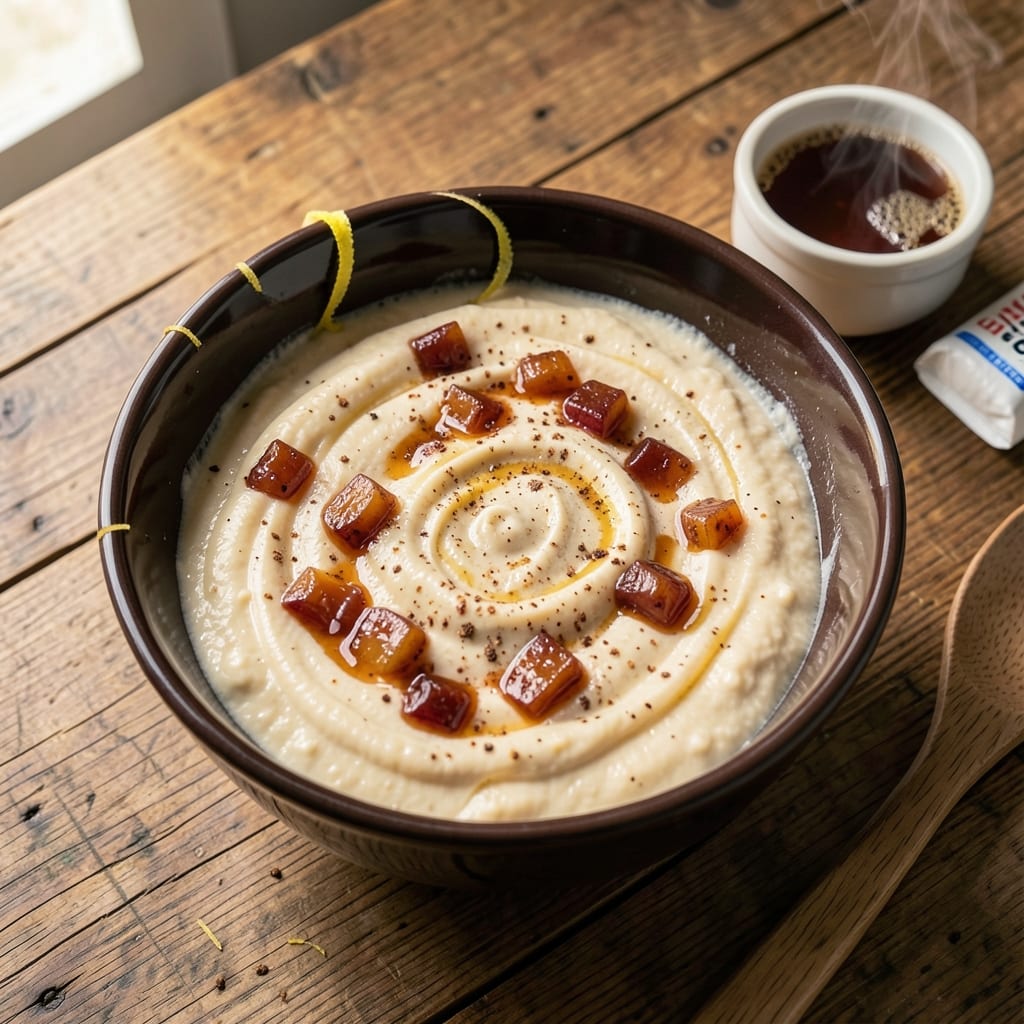
This apple cider donut batter recipe transforms ordinary mornings into autumn celebrations with every golden bite. The secret lies in blending warm spices—cinnamon, nutmeg, and clove—with the natural caramel sweetness of freshly reduced apple cider, creating a batter that's light yet rich, perfect for frying or baking. I developed this after years of testing donut recipes, and the difference is undeniable: a tender crumb with subtle apple notes that linger long after the first bite.
The technique is surprisingly simple: a basic yeasted batter gets its magic from the apple cider, which adds depth without overpowering. The spices dissolve into the liquid, ensuring every donut carries that signature fall aroma. Whether you prefer classic fried donuts with a crisp exterior or baked versions with a soft center, this recipe delivers consistent results—no special equipment required beyond a deep fryer or oven.
What makes these donuts truly special is the texture: a delicate balance between fluffy and crisp, with just enough chew to satisfy. The apple cider doesn't just flavor the batter—it enhances the caramelization when fried, giving each bite a subtle sweetness that pairs perfectly with vanilla glaze or a dusting of powdered sugar. This is the kind of recipe that turns a simple dessert into an experience.
Perfect for weekend breakfasts, holiday gatherings, or anytime you crave a taste of fall. The batter keeps well in the fridge for up to 24 hours, so you can fry or bake fresh donuts whenever the mood strikes. Here's how to make them—your kitchen will smell like autumn in minutes.
Ingredients for apple cider donut batter
Twelve simple ingredients that smell like autumn in your kitchen. Warm spices and apple cider make these donuts unforgettable.
| Ingredient | Amount | Notes |
|---|---|---|
| All-Purpose Flour 🌾 | 3 cups | Light, spooned and leveled |
| Granulated Sugar 🍚 | ½ cup | For subtle sweetness |
| Unsalted Butter 🧈 | ½ cup | Softened to room temp |
| Large Eggs 🥚 | 2 whole | Room temperature preferred |
| Active Dry Yeast 🍄 | 2 ¼ tsp | Or 1 packet instant yeast |
| Warm Apple Cider 🍎 | 1 cup | Reduced by half first |
| Milk 🥛 | 1 cup | Whole milk for richness |
| Ground Cinnamon 🌶️ | 1 ½ tsp | Freshly ground preferred |
| Ground Nutmeg 🌿 | ½ tsp | Freshly grated nutmeg |
| Ground Cloves 🌶️ | ¼ tsp | Freshly ground for warmth |
| Salt 🧂 | ½ tsp | Kosher or sea salt |
| Vanilla Extract 🍯 | 1 tsp | Pure vanilla preferred |
| Vegetable Oil 🫒 | ½ cup | For frying or brushing |
The apple cider is the star—Trader Joe's or Mott's are my go-tos, but any good quality cider works. Reduce it first (simmer uncovered until it's half the volume) to concentrate that caramel flavor. The spices? Penzeys bulk bins have the best ground spices, but your regular grocery store stuff is fine if it's fresh. Freshly ground nutmeg and cloves make a huge difference—if you've got a spice grinder, use it. The yeast is non-negotiable here, so check the expiration date (it should smell like bread, not dust).
No apple cider? Substitute with apple juice reduced by half—it won't be identical, but still delicious. Out of whole milk? 2% or even almond milk work, though the texture might be slightly lighter. Freshly ground spices are ideal, but if you're using pre-ground, make sure they smell vibrant. The vanilla extract can be imitation, but pure vanilla adds that extra depth. For the butter, if you only have salted, reduce the added salt to 1/4 tsp—these don't need much saltiness.
This batter keeps for up to 24 hours in the fridge, covered tightly. Let it come to room temperature before using—cold batter makes dense donuts. If you're not using it all, portion it into small containers or bags. The batter doubles as a great breakfast or snack for kids (or adults, no judgment). Store any leftover batter in the fridge, and bring it to room temperature before frying or baking again. Trust me, the smell alone will have you making extra.
Why You'll Love This Recipe
- No Yeast Hassle: I swear by this batter because it skips the fuss of proofing—just mix, pour, and bake. The yeast here does all the work while I sip my coffee, and the result? Fluffy donuts that taste like autumn in every bite.
- Cider Spice Magic: That warm apple cider flavor? It’s not just cinnamon and sugar—it’s the buttery richness of melted butter and the depth of yeast-risen dough that makes it taste like a bakery’s secret. Honestly, I’ll take this over store-bought any day.
- Make-Ahead Magic: Between us, this batter keeps beautifully in the fridge for days. I double it on Sundays, pop it in the freezer, and pull it out for lazy mornings or last-minute gatherings. No one ever suspects it’s not freshly made.
- Budget Bakery Trick: Flour, sugar, butter—these are pantry staples that won’t break the bank. A batch of six donuts costs me less than takeout, and the leftovers? I turn them into French toast or cinnamon rolls. Zero waste, all flavor.
Step-by-step instructions for apple cider donut batter
Here's how to mix this flavorful batter—simple steps for perfect donuts every time.
Activate the Yeast with Warm Apple Cider
In a small bowl, combine the 1 cup warm apple cider (about 110°F) with the 2.25 teaspoons active dry yeast. Let it sit for 5-10 minutes until it becomes foamy and bubbly—this means your yeast is alive and ready to work. If it doesn’t bubble, your yeast might be old, and you’ll need to start over.
While waiting, reduce the apple cider by half in a small saucepan over medium heat until it thickens slightly. This concentrated flavor will make your donuts extra aromatic. Let it cool to room temperature before using—cold liquid will shock the yeast and slow fermentation.
Mix the Wet Ingredients
In a large mixing bowl, whisk together the 0.5 cup softened unsalted butter, 0.5 cup granulated sugar, 2 whole large eggs, 1 teaspoon vanilla extract, and the reduced apple cider. Mix until smooth and creamy—this ensures even distribution of flavor and prevents dry spots in your donuts.
Next, stir in the 1 cup milk and the 1.5 teaspoons ground cinnamon, 0.5 teaspoon ground nutmeg, 0.25 teaspoon ground cloves, and 0.5 teaspoon salt. The spices should dissolve completely, giving your batter that warm, cozy apple cider aroma. If you notice any clumps, whisk them out—smooth batter fries up better and creates a lighter texture.
Combine Dry Ingredients Gradually
In a separate bowl, sift together the 3 cups all-purpose flour to aerate it and remove any lumps. This step is key—flour absorbs liquid unevenly, and sifting ensures your donuts won’t be dense or tough.
With the mixer on low speed, gradually add the sifted flour to the wet ingredients, mixing just until combined. Overmixing develops gluten, which can make your donuts chewy instead of light and fluffy. The batter should be thick but pourable—like heavy pancake batter. If it’s too stiff, add 1 tablespoon milk at a time until it reaches the right consistency.
Let the Batter Rest for Perfect Texture
Cover the bowl with a damp towel and let the batter rest at room temperature for 30 minutes. This resting period allows the flour to fully hydrate and the gluten to relax, resulting in a lighter, more tender donut. Don’t skip this step—it’s what separates good donuts from great ones.
While the batter rests, heat 2-3 inches of vegetable oil in a deep fryer or heavy pot to 350°F. Use a thermometer to monitor the temperature—oil that’s too hot burns the outside before the inside cooks, and oil that’s too cool makes greasy donuts. The oil is ready when a small piece of batter sizzles and rises to the surface immediately.
Fry to Golden Perfection
Using a ladle or large spoon, carefully drop ¼-cup portions of batter into the hot oil, leaving space between each donut. Fry for 2-3 minutes per side until they’re golden brown and a toothpick inserted in the center comes out clean. Avoid overcrowding the pot—this lowers the oil temperature and makes soggy donuts.
Drain the donuts on a wire rack or paper towels for 1-2 minutes to remove excess oil. Serve warm with a dusting of powdered sugar or a drizzle of warm apple cider glaze. The key to success? Freshly fried donuts taste best right out of the oil—so enjoy them while they’re still steaming!
Pro Tips For Making Apple Cider Donut Batter
- MEASURE YEAST PRECISELY: I learned this the hard way—yeast is not an ingredient you eyeball. Use a kitchen scale for the active dry yeast (typically 2¼ teaspoons for a standard batch). Too much makes your donuts dense and overly sour; too little means they’ll rise like sad pancakes. (Yes, even if your recipe says "1 packet"—weigh it anyway.)
- SOFTEN BUTTER TO ROOM TEMP: Cold butter pockets in your batter will make your donuts greasy and unevenly cooked. Stick the butter in the fridge for 20 minutes before measuring, then let it sit on the counter while you mix—just until it’s pliable but not melted. This ensures smooth incorporation and even baking. (I know, I know, but trust the process.)
- DON’T OVERMIX THE BATTER: Once you add the flour, mix just until combined—no more. Overworking the dough kills the yeast and develops gluten, leading to tough, dense donuts instead of light, pillowy ones. A few lumps are fine; they’ll disappear during the first rise. (Your future self will thank you.)
- USE WARM CIDER, NOT HOT: The liquid in this batter is crucial—warm apple cider (about 100°F) activates the yeast perfectly without shocking it. Hot cider? You’ll kill the yeast instantly. Cold cider? The yeast will take forever to wake up. Test the temperature with your finger: it should feel like a warm bath, not a sauna.
Storing and reheating this dish
Fridge Storage Tips
Store your leftover apple cider donut batter in an airtight container at the fridge for up to 24 hours. I use glass Pyrex containers with tight-sealing lids to prevent drying. Before storing, press plastic wrap directly onto the batter’s surface to minimize air exposure—this keeps it moist and prevents a skin from forming. 🥫
When ready to use, let the batter sit at room temperature for 30-45 minutes before frying. Cold batter makes dense donuts, so this step is crucial. If you’re short on time, place the container in warm water for 10 minutes to speed up the process. Pro tip: Divide the batter into smaller portions before storing—this makes it easier to thaw and use only what you need.
Freezer-Friendly Method
For longer storage, freeze the batter in silicone molds or ice cube trays for perfect-sized portions. Once frozen solid, transfer to a freezer bag with all air removed. Label with the date—it keeps for up to 3 months. When ready to use, thaw overnight in the fridge or microwave on low power for 2-3 minutes, stirring occasionally. 🧊
Reheating Fried Donuts
Reheat leftover fried donuts in a 350°F oven for 5-7 minutes to restore their crispiness. Place them on a wire rack to prevent sogginess. For a quicker option, microwave on 50% power for 20-30 seconds—just enough to warm through without drying out. Always serve with fresh glaze or powdered sugar to revive their flavor. 🔥
Baked Donut Revival
If you baked your donuts instead of frying, reheat them in the oven at 325°F for 8-10 minutes to soften the center. Wrap them in a damp paper towel and cover with foil to trap moisture. For extra crispiness, broil for 1-2 minutes at the end. The key is speed—don’t overheat, or they’ll dry out. 🍂
Glaze Refresh Trick
Revive stale donuts by brushing them with a light corn syrup glaze (mix ½ cup powdered sugar + 1 tbsp corn syrup + 1 tsp milk). Let it set for 5 minutes before serving. This trick adds moisture and restores that fresh-from-the-fryer taste. Store glazed donuts in an airtight container with parchment paper between layers to prevent sticking. ✨
Nutrition facts
Frequently asked questions
Can I make these donuts without apple cider?
The apple cider is key for that signature flavor, but you can substitute with 1 cup apple juice reduced by half for a similar sweetness. For a different twist, try ½ cup warm apple juice + ½ cup warm orange juice—it adds citrus brightness that still pairs well with the spices. Just remember, reducing the liquid concentrates the flavor, so adjust to taste.
Why does my batter look too thick or too thin?
If your batter is too thick, add 1 tablespoon milk at a time until it reaches a pourable consistency (like heavy pancake batter). Too thin? Gradually whisk in 1 tablespoon flour until it thickens. The ideal texture should coat the back of a spoon but still flow easily. Overmixing can also make batter too thick—mix just until combined!
Can I bake these donuts instead of frying?
For baking, spoon ¼-cup portions onto a parchment-lined baking sheet and bake at 375°F for 12-15 minutes until golden. Brush with melted butter halfway through for extra richness. Baked donuts will be softer inside but slightly denser than fried ones. The apple cider flavor shines through either way—it's all about preference!
How do I make these donuts extra crispy?
For maximum crispiness, fry at 365°F (instead of 350°F) and cook for 1-2 minutes per side. Immediately drain on a wire rack (not paper towels) to remove excess oil. For baked donuts, brush with egg wash before baking. Pro tip: Double-fry by dropping them back in hot oil for 30 seconds after initial cooking—this creates that classic donut shop crunch!
What's the best way to store leftover batter?
Store in an airtight container in the fridge for up to 24 hours. Press plastic wrap directly on the surface to prevent drying. For longer storage, freeze in silicone molds or ice cube trays for 3 months. Always let frozen batter thaw completely before using—cold batter makes dense donuts. The key is keeping it sealed tightly to maintain moisture.