
Sauces & Condiments
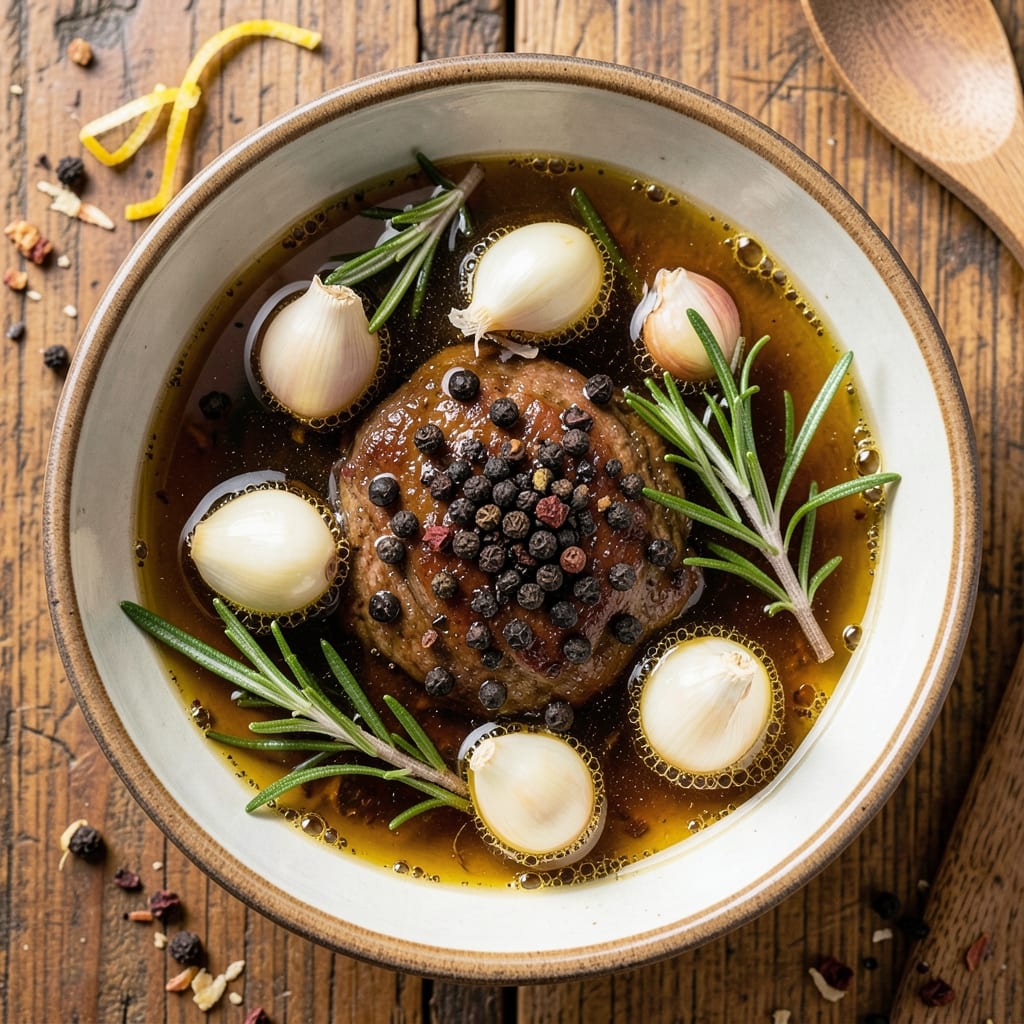
This apple cider vinegar steak marinade recipe transforms tough cuts into melt-in-your-mouth perfection with just 30 minutes of prep and 4-24 hours of marinating. The acidity breaks down fibers while infusing bold flavors—no fancy equipment needed. I developed this after years of grilling, and it's now my go-to for everything from ribeye to flank steak.
What makes this marinade special is the balance of acidity, fat, and herbs. Apple cider vinegar tenderizes while olive oil carries flavors deep into the meat. Garlic, rosemary, and black pepper create a fragrant profile that enhances rather than overpowers the natural beef taste. The recipe uses simple pantry staples but delivers restaurant-quality results.
By the time you grill, your steak will be tender with a caramelized crust and juicy interior. The marinade's acidity also helps sear the meat perfectly, preventing dryness. This works equally well for quick 4-hour marinades or overnight flavor development—ideal for busy weeknights or special occasions.
Store leftovers in the fridge for up to 1 week, making it perfect for meal prep. The marinade doubles easily, so you'll always have tender steak ready. Here's exactly what you'll need to get started.
Ingredients for apple cider vinegar steak marinade
Nine simple ingredients blend into this game-changing marinade that transforms tough steaks into melt-in-your-mouth perfection.
| Ingredient | Amount | Notes |
|---|---|---|
| Apple Cider Vinegar 🍏 | ½ cup | Raw, unfiltered preferred |
| Extra-Virgin Olive Oil 🫒 | ½ cup | Fruity, high-quality preferred |
| Garlic Cloves 🧄 | 6 cloves | Freshly minced, vibrant color |
| Fresh Rosemary 🌿 | ¼ cup | Finely chopped, woody stems removed |
| Black Peppercorns 🌶️ | 1 tbsp | Freshly cracked, coarse grind |
| Granulated Garlic 🧄 | 1 tbsp | For consistent texture |
| Diamond Crystal Kosher Salt 🧂 | 1 ½ tsp | Fine grain preferred |
| Honey 🍯 | 1 tbsp | Wildflower or clover preferred |
| Worcestershire Sauce 🍶 | 1 tbsp | Vegan if needed |
The apple cider vinegar is non-negotiable here—it's where the magic happens. Bragg or local orchard brands work best, not that watered-down stuff. I always grab the raw, unfiltered kind from Whole Foods or my local farmers market. The olive oil should be fruity and peppery—California Olive Ranch or Colavita are my go-tos. Fresh rosemary matters too; the dried stuff lacks that piney punch. If you're using dried, double the amount, but honestly, it's not the same. The garlic? Six cloves gives you that perfect balance—too much and it overpowers the beef. For the peppercorns, a mortar and pestle makes all the difference—freshly cracked is the only way to go.
No Worcestershire? Soy sauce plus a splash of balsamic covers it. Short on honey? Maple syrup at 1:1 ratio works perfectly. The kosher salt is crucial—Diamond Crystal is my standard, but any fine grain will do. If you're avoiding honey, agave nectar keeps the sweetness balanced. For a deeper flavor, add a dash of smoked paprika. The marinade doubles easily, so make extra—it keeps beautifully in the fridge. And trust me, the Worcestershire adds that umami depth that makes this marinade restaurant-quality.
Store leftovers in a sealed glass jar in the fridge for up to 1 week. The acidity actually preserves it better than most marinades. I always make a double batch—half goes on the steak, the other half gets frozen in ice cube trays for quick future use. Thaw overnight in the fridge before using. The honey and olive oil combo makes this marinade shelf-stable for 3 months in the freezer if you're prepping ahead. Just give it a shake before using—it'll be thick, but stir in a splash of water to loosen it up.
Why You'll Love This Recipe
- Five-Ingredient Magic: I swear by this marinade because it’s that simple—just toss everything in a bowl, stir, and let the vinegar do its thing. No fancy equipment, no stress, and honestly? The steak practically marinates itself while you handle the rest of dinner.
- Tangy Crispy Perfection: That apple cider vinegar isn’t just for dressings—it cuts through the richness of the steak, leaving you with a crispy edge and juicy center. The rosemary and peppercorns add a bright, herby punch that makes every bite feel like a little flavor victory.
- Weeknight to Weekend: Between us, this marinade works for everything—quick weeknight dinners, summer BBQs, or even a fancy-ish date night. Use it on flank steak for tacos, ribeye for a steakhouse vibe, or even chicken if you’re feeling experimental. It’s my go-to for any occasion.
- Leftovers? Better Leftovers: The best part? The marinade doubles as a sauce—just reduce it slightly after cooking and drizzle it over your steak. It keeps well in the fridge, so you can prep ahead and still have a restaurant-worthy meal with minimal effort. Budget-friendly? Absolutely. Time-saving? Even more so.
Step-by-step instructions for apple cider vinegar steak marinade
Here's how to create a marinade that transforms tough cuts into melt-in-your-mouth perfection.
Combine the Acidic Base
In a medium mixing bowl, pour in the 0.5 cup apple cider vinegar and 0.5 cup extra-virgin olive oil. Whisk vigorously for 30 seconds until the two ingredients emulsify slightly—the vinegar should break down the oil just enough to create a smooth but slightly textured marinade. The acidity in the vinegar will begin tenderizing the steak immediately, breaking down tough muscle fibers while the olive oil carries flavor deep into the meat.
I always use a whisk for this step because it creates tiny air pockets that help distribute the marinade more evenly. If you notice the mixture separating after a few minutes, simply whisk again before using. The raw, unfiltered vinegar adds depth of flavor that bottled versions can't match, so don't substitute if possible.
Add Aromatics and Seasonings
To the vinegar-oil mixture, add the 6 cloves minced garlic cloves, 0.25 cup finely chopped fresh rosemary, 1 tbsp freshly cracked black peppercorns, and 1 tbsp granulated garlic. Stir well to combine, pressing down on the rosemary stems to release their essential oils. The combination of fresh and granulated garlic gives you both immediate flavor and consistent texture throughout the marinade.
This is where the magic happens—the rosemary's piney notes complement the vinegar's tang, while the peppercorns add a subtle heat that wakes up the steak's natural flavors. I like to let this mixture sit for 5 minutes before adding the remaining ingredients, allowing the garlic and rosemary to infuse the base. The black peppercorns should be coarsely cracked to maintain texture contrast in the final marinade.
Balance with Sweet and Savory Elements
Add the 1.5 tsp Diamond Crystal kosher salt, 1 tbsp honey, and 1 tbsp Worcestershire sauce to the bowl. Stir thoroughly until the honey dissolves completely and all ingredients are uniformly distributed. The honey acts as a natural tenderizer while adding a subtle sweetness that balances the acidity, and the Worcestershire sauce brings umami depth that elevates the entire marinade.
Here's the thing—taste the marinade now. It should be tangy with a touch of sweetness, aromatic from the rosemary, and just slightly spicy from the pepper. If it needs more salt, add a pinch at a time until it's perfectly balanced. The Worcestershire sauce should be fully incorporated, giving the marinade its signature savory complexity. This is your flavor baseline before it works its magic on the steak.
Marinate for Maximum Tenderization
Pour the completed marinade into a resealable plastic bag or shallow glass dish. Add your steak (about 1.5 pounds total for 4 servings) and coat it thoroughly, massaging the marinade into all surfaces. Seal the bag or cover the dish and refrigerate for at least 4 hours, though I recommend 8-12 hours for best results. The acid in the vinegar needs time to work its tenderizing magic without overcooking the meat.
Don't skip this step—even 4 hours makes a noticeable difference in tenderness. I've found that thicker cuts (like ribeye or New York strip) benefit most from the longer marinating time. Flip the steak occasionally during marinating to ensure even exposure to the acid. When ready to cook, pat the steak dry with paper towels before grilling or searing—this ensures a perfect crust rather than steaming.
Pro Tips For Making Apple Cider Vinegar Steak Marinade
- Mince That Garlic: I used to crush the cloves with my palm like a caveman—now I mince them fine enough to see through. The vinegar and oil will otherwise leave whole cloves tasting like bitter, underused garnishes. A sharp knife and 30 seconds of effort make all the difference when the steak hits the pan.
- Balance the Vinegar: Skip the "eyeball it" approach—measure the apple cider vinegar (¼ cup per pound of steak) and let it sit in the marinade for 10 minutes before adding the oil. The acid needs time to break down the meat’s surface; dumping everything in at once makes the marinade taste like salad dressing instead of flavor bomb.
- Toast the Rosemary: Dry the rosemary sprigs in a hot pan for 20 seconds until fragrant—it intensifies the piney notes without burning. Toss the leaves off after topping the steak, so you’re not chewing on crispy stems. (Yes, even if you’re impatient like me.)
- Double the Oil: The marinade’s job isn’t just flavor—it’s a sear shield. Use 3 tablespoons olive oil per ¼ cup vinegar to create a protective layer when the steak hits the heat. Less oil means more sticking, and that’s a fast track to dry, sad meat. Trust the process.
Storing and reheating your apple cider vinegar steak marinade
Marinade Storage Basics
The completed apple cider vinegar marinade stores beautifully in an airtight glass jar in your fridge for up to 1 week. I always use glass because it preserves the flavors better than plastic. The acidity actually helps prevent bacterial growth, making this marinade more shelf-stable than many others. Just give it a good stir before using—it might separate slightly over time. 💡
Freezing for Later Use
For long-term storage, freeze the marinade in ice cube trays—each cube makes one perfect steak marinade. Once frozen, transfer cubes to a ziplock freezer bag and flatten to save space. This method works perfectly for 3 months without losing potency. When ready to use, thaw overnight in the fridge and give it a shake—it'll be thick but stir in 1 tablespoon water to loosen it up.
Steak Prep After Marinating
After marinating, always pat your steak very dry with paper towels before cooking. This creates that perfect crust when searing. I like to let the steaks sit at room temperature for 20-30 minutes before grilling—this ensures even cooking. The marinade will have already tenderized the meat, so you're just finishing with a perfect sear now. 🔥
Reusing Leftover Marinade
Never waste the leftover marinade! Simmer it in a saucepan for 5-10 minutes to kill any bacteria (since it's been in contact with raw meat), then use it as a dipping sauce or pan sauce for your steak. The reduced version has concentrated flavor and works beautifully with grilled vegetables. Just remember—never reuse marinade that hasn't been cooked.
Marinating Different Cuts
Thinner cuts like flank steak only need 2-4 hours in the marinade, while thicker cuts like ribeye benefit from 8-12 hours. For quick weeknight meals, I often use a 1-hour marinade for sirloin—it still makes a noticeable difference. Just remember, longer marinating equals more tender meat, but don't exceed 24 hours or the acid can start breaking down the meat fibers too much.
Nutrition facts
Frequently asked questions
Can I use this marinade on other meats besides steak?
This apple cider vinegar marinade works wonderfully on chicken thighs, pork chops, and even salmon fillets. The acidity tenderizes proteins beautifully, though fish only needs 30-60 minutes to avoid overcooking. For chicken, marinate for 4-8 hours and pork chops benefit from 6-12 hours—just adjust based on thickness.
What's the shortest time I can marinate steak for noticeable results?
Even 1 hour makes a difference, especially for thinner cuts like sirloin. For maximum tenderness with thicker cuts, aim for 4 hours. The key is letting the acid work—never skip this step entirely, as it's what creates that melt-in-your-mouth texture. Pro tip: Pat dry after marinating for the best sear.
Can I substitute apple cider vinegar with white vinegar?
While white vinegar works in a pinch, it lacks the complex flavors and depth of apple cider vinegar. The natural sweetness and subtle fruit notes in apple cider vinegar balance the marinade perfectly. If you must substitute, use 1/4 cup extra honey to compensate for the missing sweetness. For best results, stick with raw, unfiltered apple cider vinegar.
Why does my steak turn out mushy after marinating?
This usually happens from over-marinating (24+ hours) or using too much acid. The vinegar breaks down meat fibers—beyond 24 hours, it can become mushy. Also, pat the steak dry before cooking to create a proper crust. For tough cuts, 8-12 hours is ideal; thinner cuts only need 2-4 hours. Always use a meat thermometer to check doneness.
How do I make this marinade spicier?
Add 1/2 teaspoon cayenne pepper or 1 tablespoon hot sauce to the base before marinating. For a smoky kick, include 1 teaspoon smoked paprika with the other spices. Start with small amounts—you can always add more later. The rosemary and garlic already provide depth, so balance carefully to avoid overpowering the steak's natural flavor.