
Sauces & Condiments
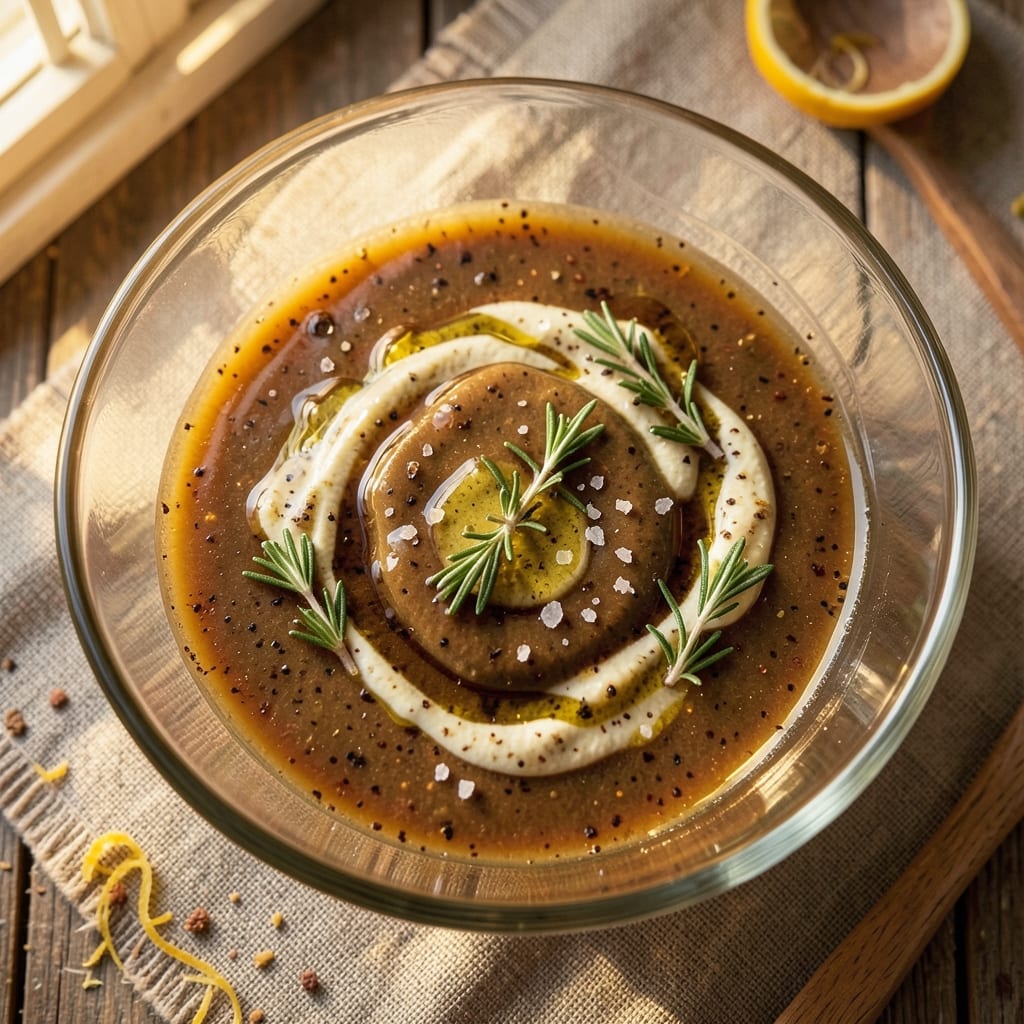
This apple cider vinegar vinaigrette dressing recipe transforms simple salads into vibrant, tangy masterpieces with just five ingredients. The secret lies in balancing bold apple cider vinegar with smooth olive oil, creating a dressing that clings perfectly to greens while adding a bright, crisp finish. I developed this recipe after realizing store-bought options lacked that fresh, homemade depth—now it’s my go-to for everything from crisp winter salads to hearty grain bowls.
The magic happens when you whisk together the vinegar, oil, and a touch of Dijon mustard, which acts as an emulsifier for that signature silky texture. A drizzle of honey or maple syrup rounds out the sharpness, while fresh herbs like thyme or rosemary add aromatic complexity. What you’ll end up with is a dressing that’s tangy yet balanced, rich enough to stand up to bold flavors but light enough to elevate delicate greens.
This vinaigrette stays fresh for up to a week in the refrigerator, making it the ultimate pantry staple for quick meals. Whether you’re dressing a simple arugula salad or drizzling it over roasted vegetables, the bright acidity cuts through richness while enhancing every bite. The best part? It takes less than 5 minutes to make and requires no special equipment—just a jar and a whisk.
For extra depth, try infusing the oil with garlic or shallots before combining, or swap in balsamic vinegar for a sweeter twist. The possibilities are endless, but the foundation remains the same: a perfectly balanced, restaurant-quality dressing that costs pennies to make. Let’s get started!
Ingredients for apple cider vinegar vinaigrette dressing
Five simple ingredients create this bright, tangy dressing that elevates every salad.
| Ingredient | Amount | Notes |
|---|---|---|
| Apple Cider Vinegar 🍏 | ½ cup | Raw, unfiltered preferred |
| Extra-Virgin Olive Oil 🫒 | ¾ cup | Light or fruity variety |
| Dijon Mustard 🍯 | 1 tbsp | Whole grain preferred |
| Honey 🍯 | 1 ½ tbsp | Wildflower or clover |
| Fresh Thyme Leaves 🌿 | 1 tbsp | Or 1 tsp dried thyme |
| Salt 🧂 | ½ tsp | Kosher or sea salt |
| Black Pepper 🌶️ | ¼ tsp | Freshly ground preferred |
The apple cider vinegar makes this dressing shine—raw, unfiltered has more depth than pasteurized. Grab a bottle from Trader Joe's or Whole Foods for the best flavor. Olive oil matters too: light or fruity varieties balance the acidity better than robust ones. I always check the label for extra-virgin—it’s worth the extra penny. Fresh thyme adds a subtle herbal note, but dried works in a pinch if you’re in a hurry.
No Dijon mustard? Yellow mustard at half the amount works, though it’s less refined. Honey too expensive? Maple syrup or agave nectar keep it vegan-friendly. Want extra richness? Add a splash of balsamic vinegar or a pinch of garlic powder. The salt and pepper are simple but essential—measure them carefully. This dressing keeps for a week in the fridge, so it’s perfect for meal prep.
Store in an airtight jar with a tight lid to preserve freshness. The flavors meld beautifully after 24 hours, making it even better the next day. I always double the batch—one for salads, one for dipping roasted veggies. If it separates, just whisk it back together. The magic is in the balance, so taste as you go!
Why You'll Love This Recipe
- Five-Ingredient Magic: I swear by this combo—just shake and pour. The Dijon mustard and honey blend so smoothly, you’ll forget how little effort it takes to make something taste this rich.
- Bright & Balanced: That tangy apple cider vinegar cuts through rich greens or hearty salads, while the thyme adds a fresh herbal note. It’s sweet, sharp, and just salty enough to make every bite sing.
- Weeknight Workhorse: I keep a jar in my fridge for quick salads, roasted veggies, or even as a marinade. No fancy prep—just grab, shake, and serve. Honestly, it’s my go-to when I’m too tired to think.
- Lasts All Week: A full jar stays fresh for days, so I make it once and use it for everything. The olive oil and vinegar preserve it, and the honey keeps it from separating—zero waste, all flavor.
Step-by-step instructions for apple cider vinegar vinaigrette dressing
This tangy, balanced dressing comes together in minutes with just a few simple steps.
Whisk Together the Vinegar and Honey
In a medium bowl, combine the 0.5 cup apple cider vinegar and 1.5 tablespoons honey. Use a whisk to stir vigorously for about 30 seconds until the honey dissolves completely and the mixture becomes smooth. You'll notice the honey will start to blend into the vinegar, creating a slightly syrupy consistency that's the perfect base for your dressing.
This step ensures the sweet and acidic components marry properly before adding the oil. If you're using raw, unfiltered apple cider vinegar, you might see tiny particles settling—this is normal and adds character to your dressing. Let the mixture sit for 1 minute while you prepare the remaining ingredients.
Incorporate Mustard and Seasonings
Add the 1 tablespoon Dijon mustard, 0.5 teaspoon salt, and 0.25 teaspoon black pepper to the vinegar-honey mixture. Whisk again until fully combined and smooth. The mustard will help emulsify the dressing later, while the salt and pepper provide essential seasoning.
I like to press the fresh thyme leaves between my fingers to release their aromatic oils before adding them to the mixture. Then, gently stir in the 1 tablespoon fresh thyme leaves (or 1 teaspoon dried thyme if using). The thyme adds a subtle earthy depth that complements the bright acidity of the vinegar perfectly.
Gradually Add Olive Oil for Emulsification
With the whisk still in the bowl, begin adding the 0.75 cup extra-virgin olive oil very slowly—about 1 tablespoon at a time. After each addition, whisk vigorously for 10-15 seconds until the oil is fully incorporated before adding more. This gradual approach prevents the dressing from breaking and ensures a smooth, creamy texture.
You're aiming for a thick, velvety consistency that still coats the back of a spoon. If the dressing starts to look too thick, add 1 teaspoon water and whisk again. The key is patience—rushing this step often results in a dressing that separates later. The final texture should be like a thick, glossy sauce rather than a thin liquid.
Taste and Adjust the Balance
Taste the dressing immediately after emulsification. The balance should be bright and tangy with just enough sweetness to round out the acidity. If it needs more acidity, add another ½ teaspoon apple cider vinegar. For extra sweetness, add ½ teaspoon honey. If it's too thick, thin it with 1 teaspoon water at a time.
This dressing works beautifully on mixed greens, grain salads, or as a dip for crusty bread. For extra flavor, let it sit for 10 minutes before using—this allows the flavors to meld even more. Store any leftovers in an airtight container in the refrigerator for up to 1 week, giving it a gentle shake before each use to re-emulsify.
Pro Tips For Making Apple Cider Vinegar Vinaigrette Dressing
- STIR IN STAGES: The Dijon mustard won’t emulsify if you dump all the oil at once. Start with 1 tablespoon of olive oil, whisk until smooth, then gradually add the rest—this keeps the dressing from breaking, no matter how impatient you are.
- CHILL THE VINEGAR: Cold apple cider vinegar blends better than room-temperature. Pop the bottle in the fridge for 10 minutes before measuring—it mixes more evenly and cuts through the honey’s thickness without separating later.
- SKIP THE THYME STALKS: Tough stems turn to mush and ruin texture. Strip leaves from sprigs with your fingers (yes, it’s faster than scissors) and discard the woody bits—just 2 teaspoons of fresh leaves pack enough flavor.
- WHISK FASTER THAN YOU THINK: This isn’t a smoothie—you only need 30 seconds of vigorous whisking. If it looks streaky after that, add a splash of warm water (1 tsp) to help the oil and vinegar cooperate. Over-whisking just traps air.
Pro cooking tips for this dish
Emulsification Mastery
The key to a silky vinaigrette lies in proper emulsification—gradually adding oil while whisking vigorously. I start by adding the 0.75 cup olive oil one tablespoon at a time, whisking for 10-15 seconds between additions. This slow incorporation prevents the dressing from breaking. If you rush, the oil and vinegar will separate, ruining the texture. A handheld immersion blender works too if you prefer not to whisk. 💡
Mustard as Emulsifier
The 1 tablespoon Dijon mustard isn't just for flavor—it acts as a natural emulsifier. Whole grain Dijon works best because its texture helps bind the oil and vinegar better than smooth mustard. If you're using yellow mustard, reduce to ½ tablespoon and whisk extra vigorously. For a vegan version, swap honey for 1.5 tablespoons maple syrup—it emulsifies just as well.
Temperature Matters
Room-temperature ingredients blend more smoothly. If your honey is thick from the fridge, warm it gently in a 20-second microwave burst or by setting the jar in warm water. Cold ingredients can cause the dressing to separate. I also recommend using room-temperature olive oil—it flows more easily during emulsification. Pro tip: Let your vinegar sit out for 10 minutes before measuring if it's chilled.
Storage Secrets
Store your vinaigrette in a clean, airtight glass jar in the fridge for up to 1 week. The glass preserves flavor better than plastic. Before each use, give it a gentle shake—this re-emulsifies any separated layers. If it fully separates, just whisk vigorously for 30 seconds to restore its creamy texture. For longer storage, freeze for up to 3 months in ice cube trays, then transfer to a freezer bag—perfect for quick single-serving uses.
Flavor Layering
For extra depth, infuse the oil first: Heat 0.5 cup olive oil with 2 minced garlic cloves or 1 thinly sliced shallot in a small saucepan over low heat for 2 minutes. Strain before using. Another trick: Add ½ teaspoon smoked paprika or 1 tsp fresh herbs (like dill or parsley) right before serving. These additions elevate the dressing from basic to restaurant-quality without altering the core balance.
Troubleshooting Tips
If your dressing separates, don't panic—it's easily fixable. Simply whisk in 1 teaspoon water or ½ teaspoon vinegar while whisking vigorously. For future batches, ensure your mustard is fully dissolved before adding oil. If the dressing is too thin, reduce the oil to 0.5 cup next time. Too thick? Add 1 teaspoon water during emulsification. The perfect consistency should coat the back of a spoon but still pour easily. ✨
Nutrition facts
Frequently asked questions about apple cider vinegar vinaigrette
Why does my vinaigrette separate after making it?
This happens when oil and vinegar aren't properly emulsified. The fix is simple: whisk in 1 teaspoon water or ½ teaspoon extra vinegar while whisking vigorously. For future batches, add oil 1 tablespoon at a time while whisking continuously. The Dijon mustard helps bind them, but patience during emulsification is key!
Can I make this dressing without honey?
Swap the honey for 1.5 tablespoons maple syrup or 1 tablespoon agave nectar for a vegan option. For a savory twist, use 1 teaspoon balsamic vinegar instead—it adds depth without sweetness. The mustard will still emulsify perfectly, so don't worry about the texture!
How do I make this dressing spicier?
Add ¼ teaspoon red pepper flakes or ½ teaspoon hot sauce after emulsification. For smoky heat, stir in ½ teaspoon smoked paprika or a pinch of cayenne. If using fresh chili (like jalapeño), finely mince ½ teaspoon and add it with the thyme. Always taste first—you can adjust to your spice preference!
What's the best way to use leftover dressing?
This vinaigrette works beyond salads! Drizzle it over roasted vegetables, use as a marinade for 10 minutes before grilling chicken or fish, or mix into 1 cup cooked quinoa for a quick grain bowl. It also makes a fantastic dip for crusty bread or veggie sticks. Just shake well before using—it may separate slightly in storage.
Can I substitute apple cider vinegar with white vinegar?
While white vinegar works in a pinch, it lacks the complex, fruity depth of apple cider. For a similar tang, try rice vinegar (use ½ cup + ¼ cup apple cider vinegar) or balsamic vinegar (reduce to ¼ cup and add ½ teaspoon extra honey). The flavor will be different but still delicious—just expect a sharper acidity without the apple notes.